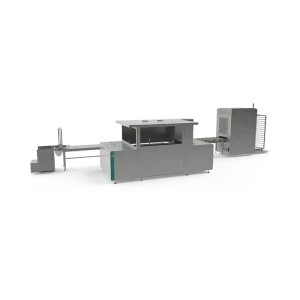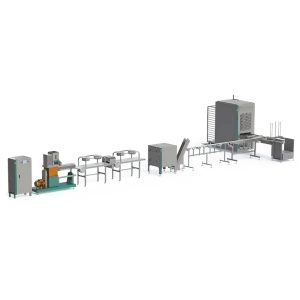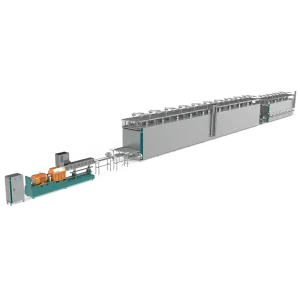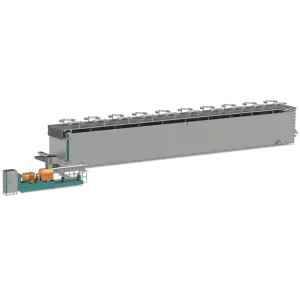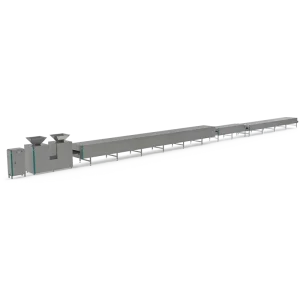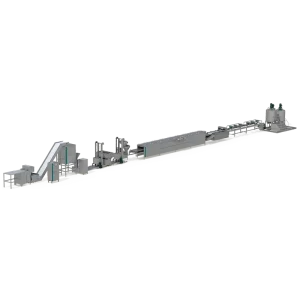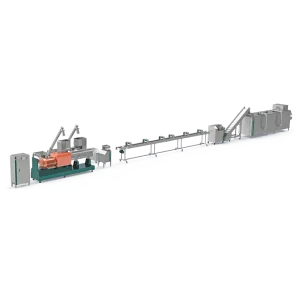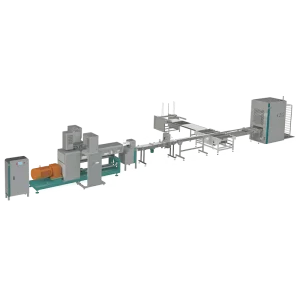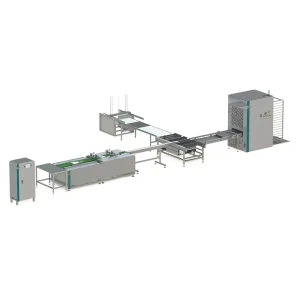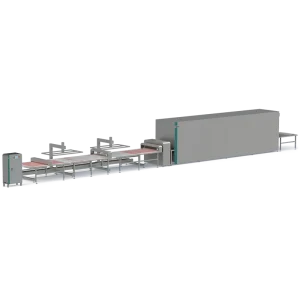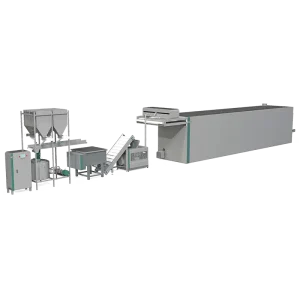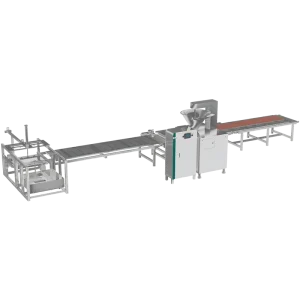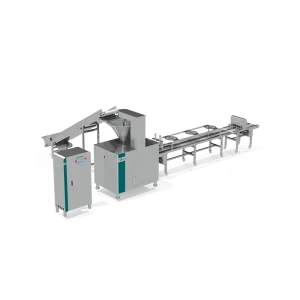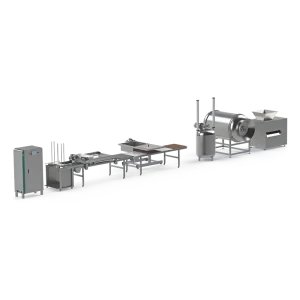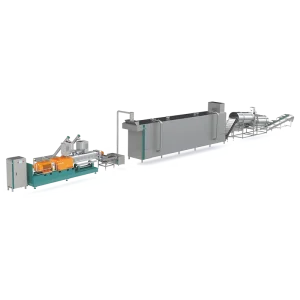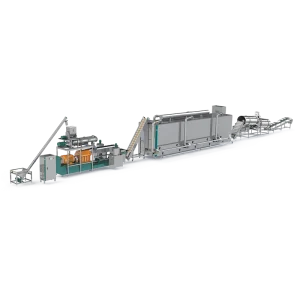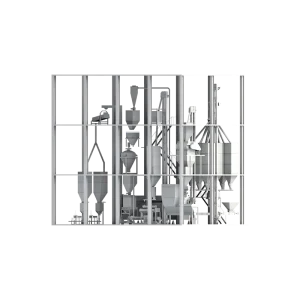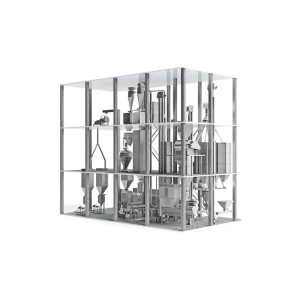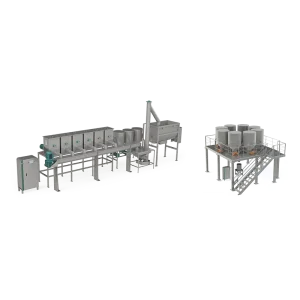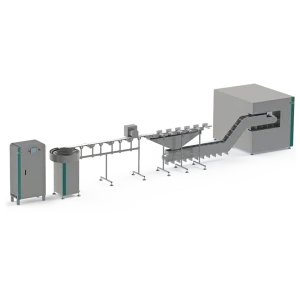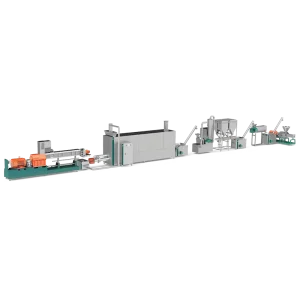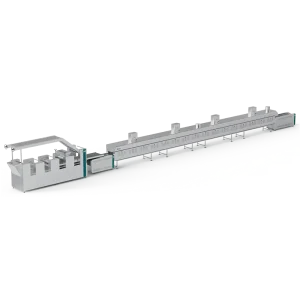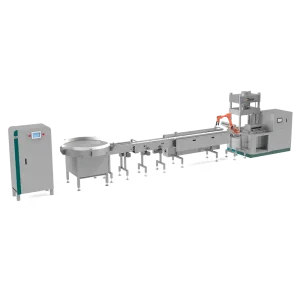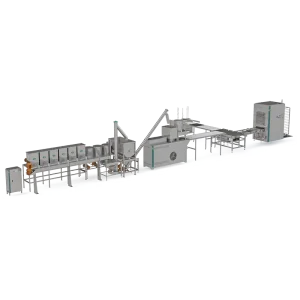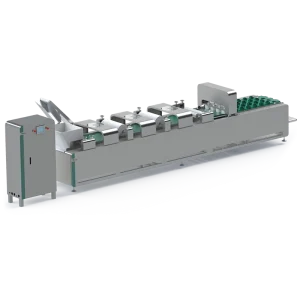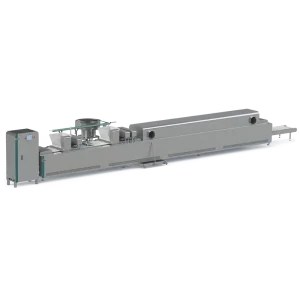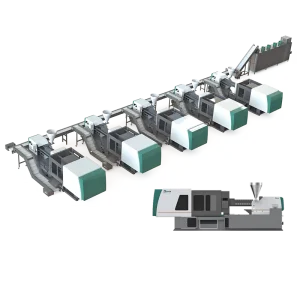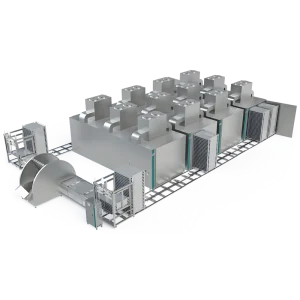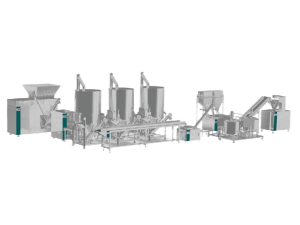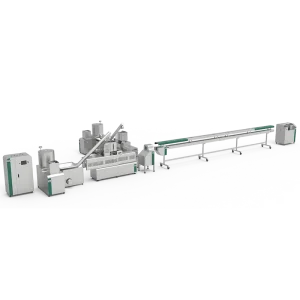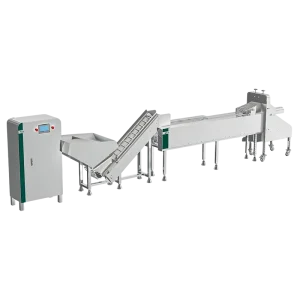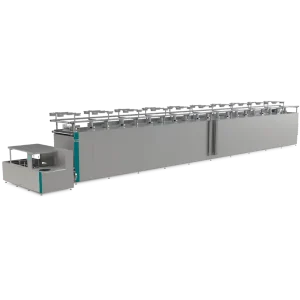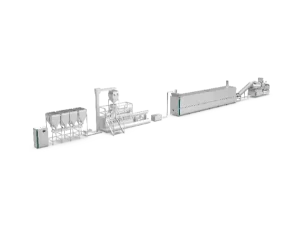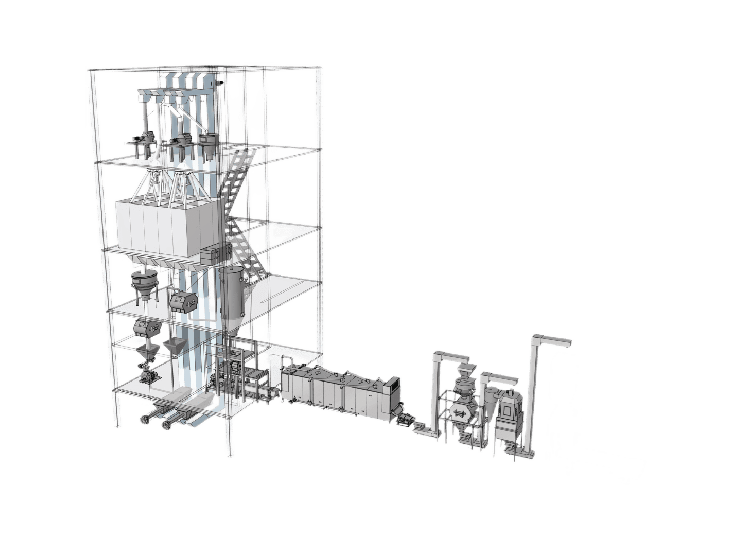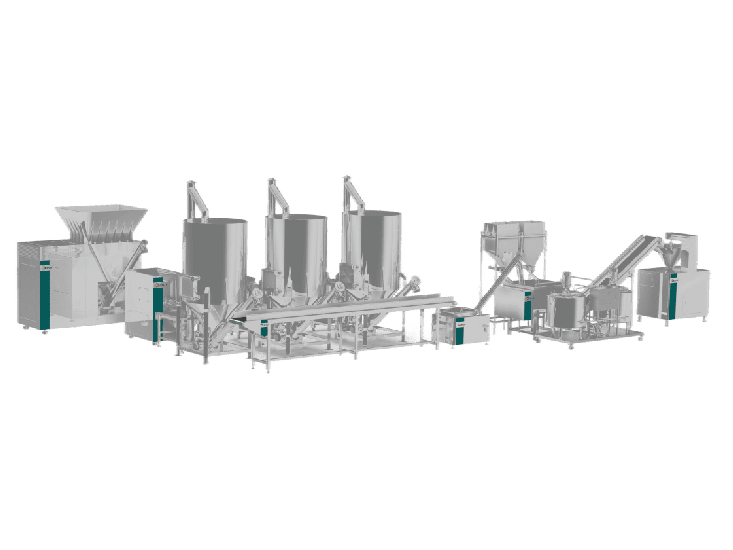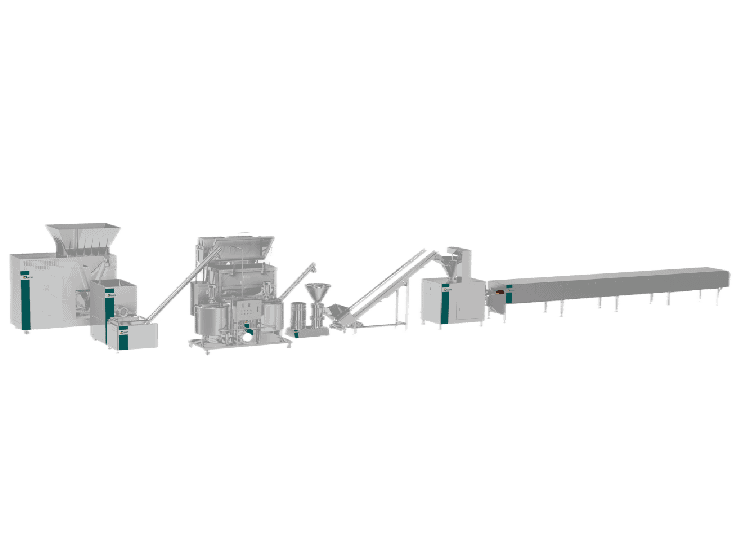
Darin® Machinery is a leading manufacturer of pet food production lines, We provide full-cycle, one-stop production equipment solutions for all types of pet food, pet treats & pet health products.
■ All machinery is certified with European CE Approval & ISO 9001 Certification.
■ Run in 90+ countries including USA, Germany, Japan, Italy, UAE, Australia etc.
■ Machinery Supplier of General Mills, Kelloggs, Melinda, Bill Gates foundation & Wanpi.







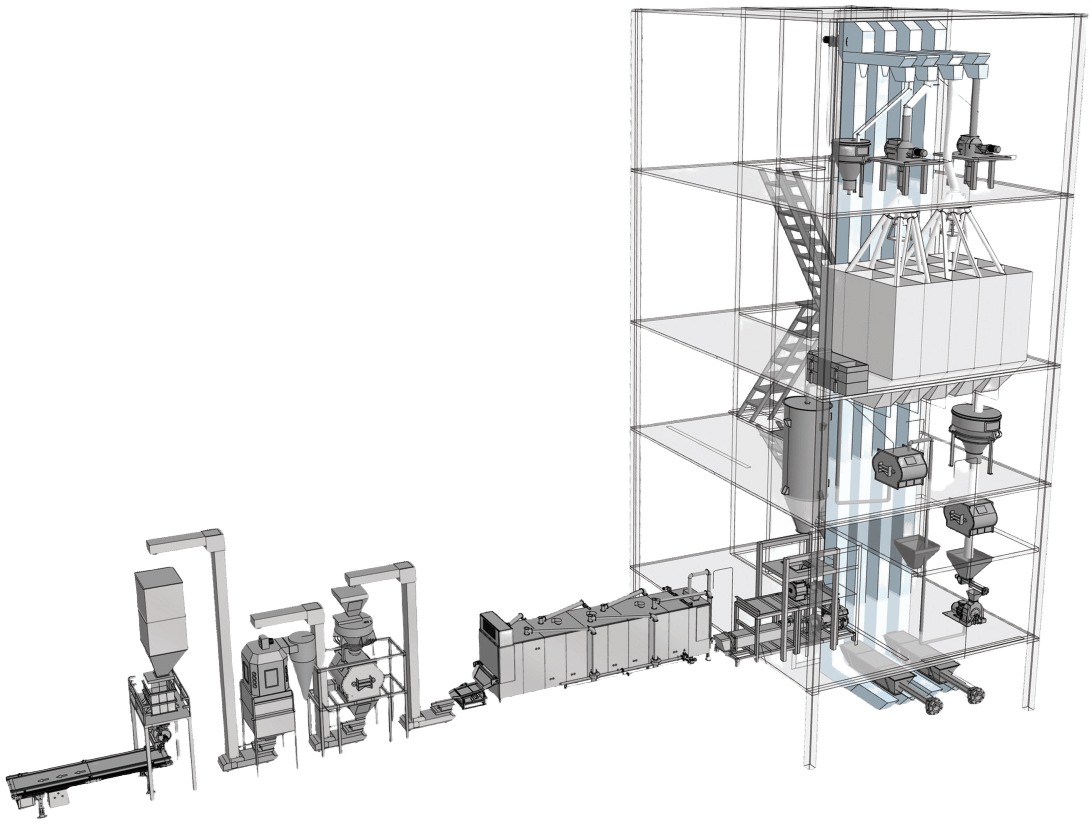
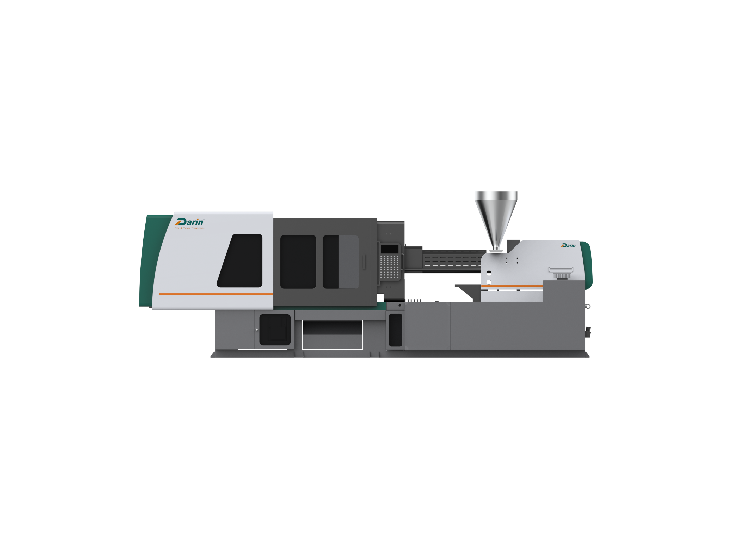
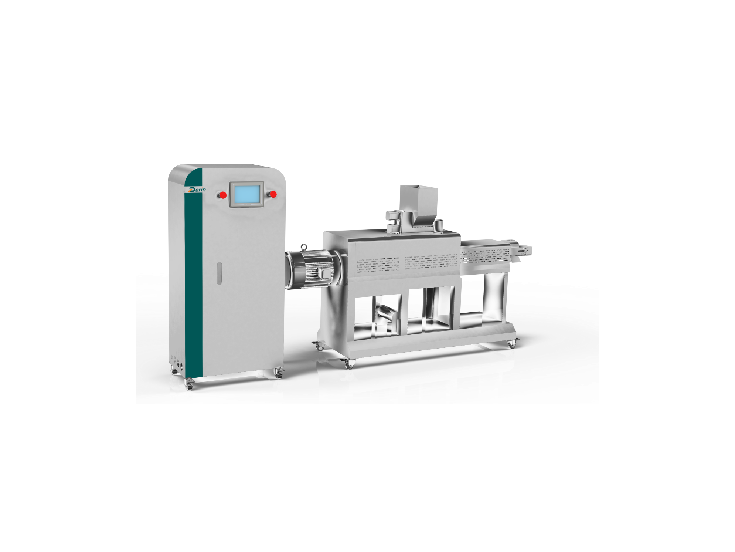
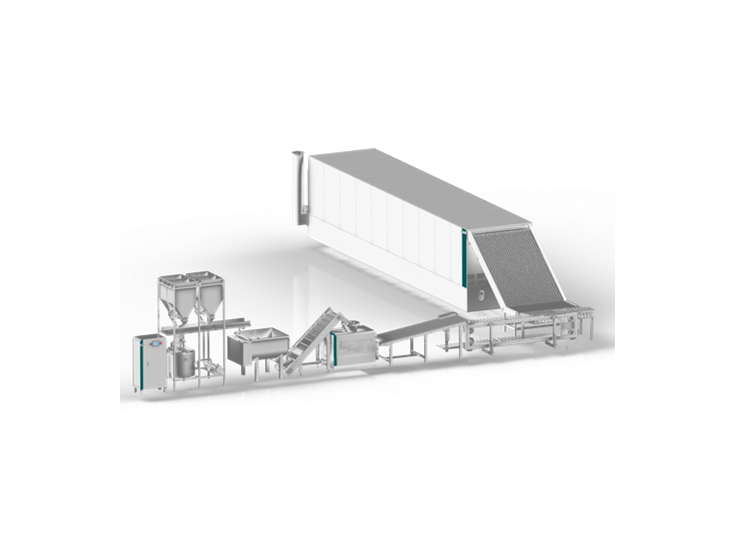
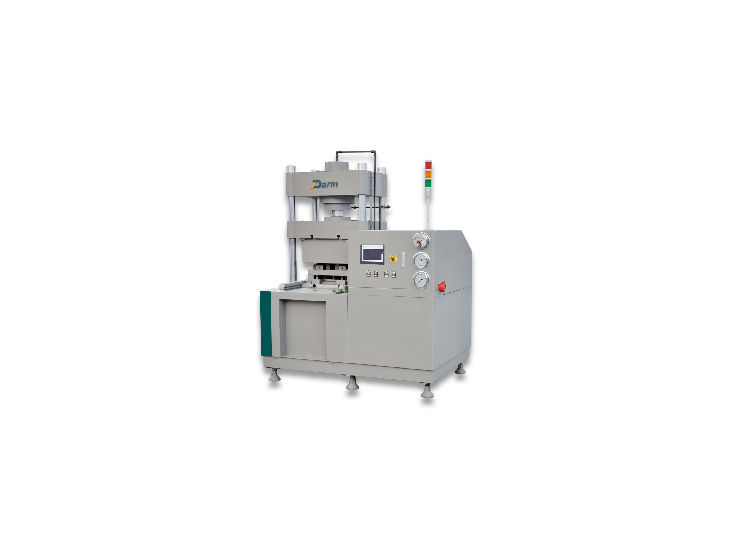
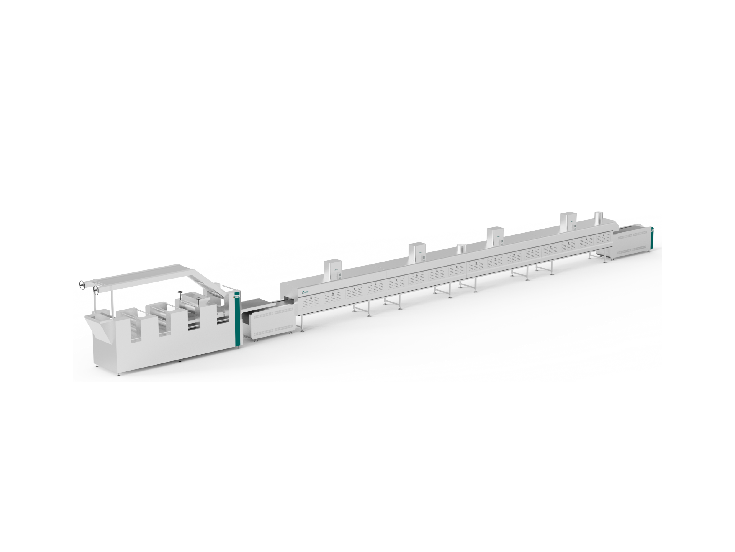
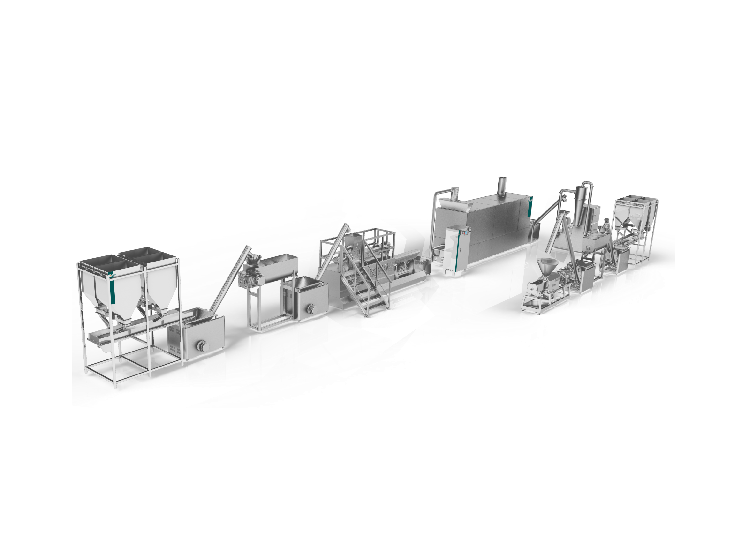
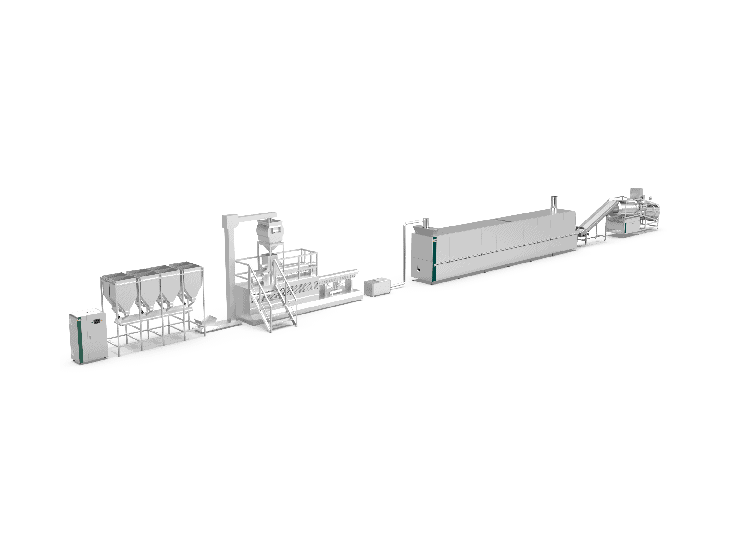
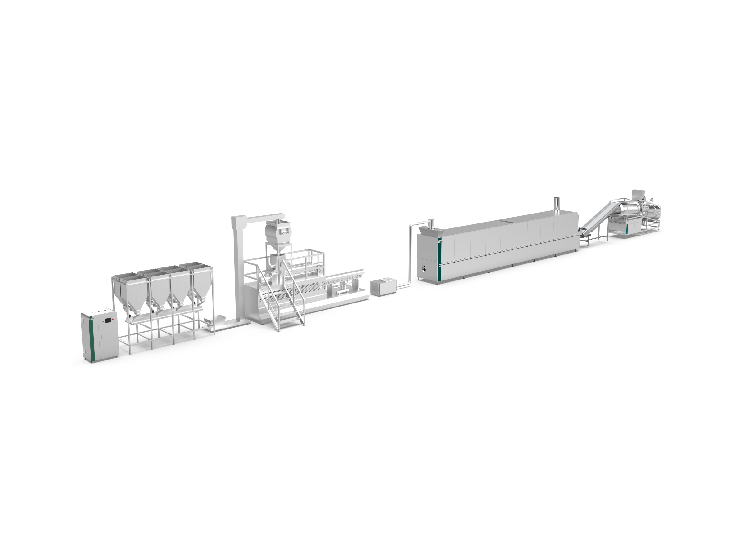
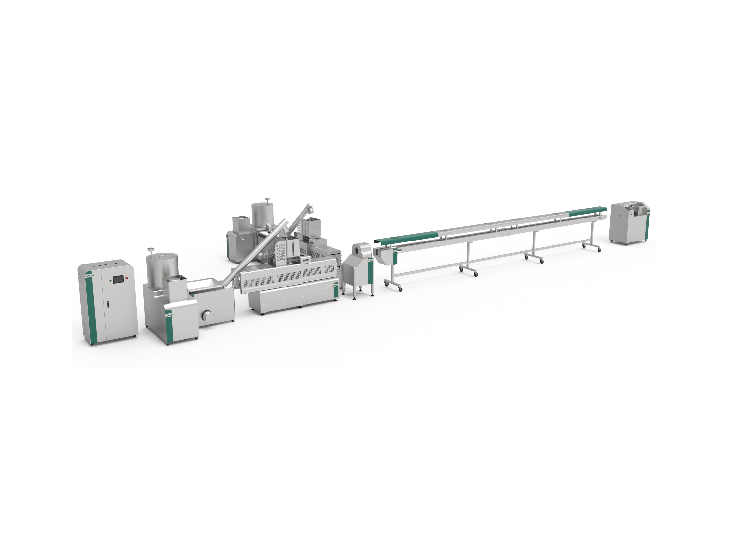
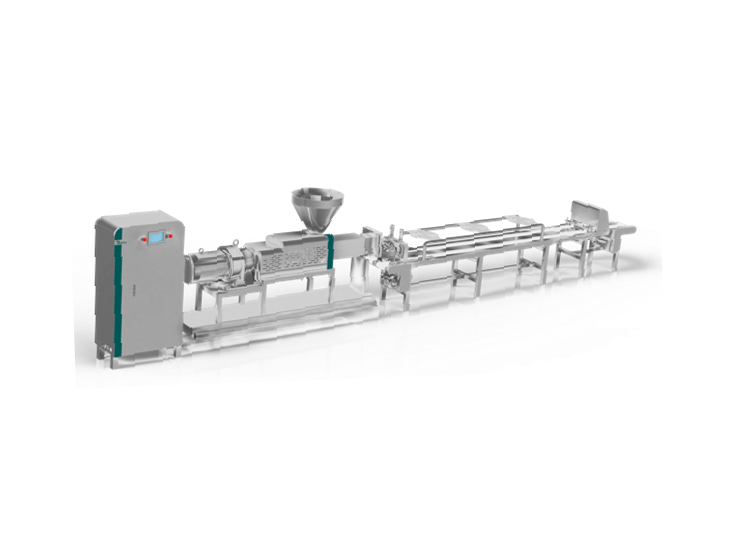
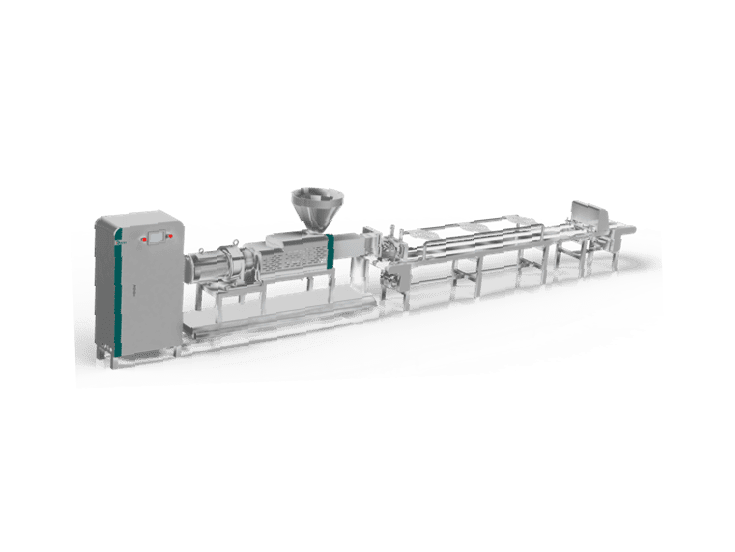
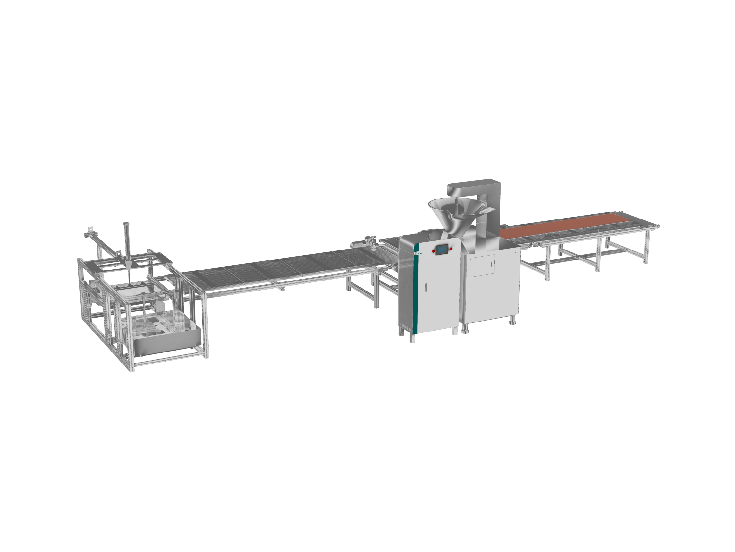
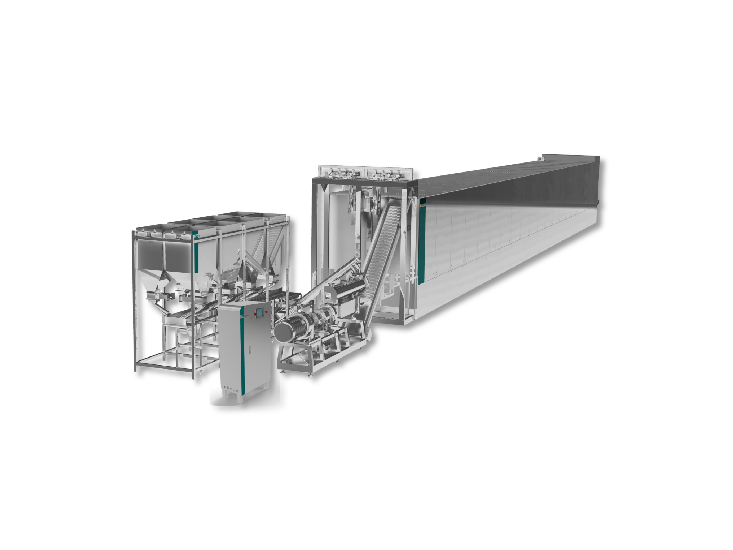
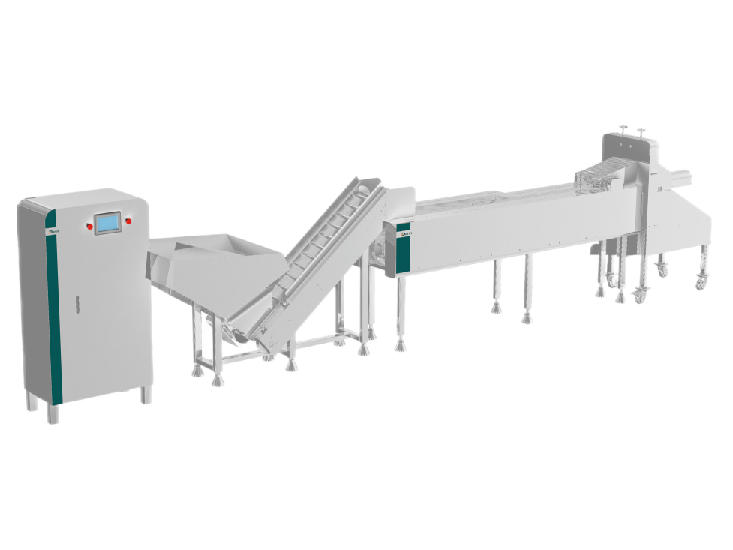
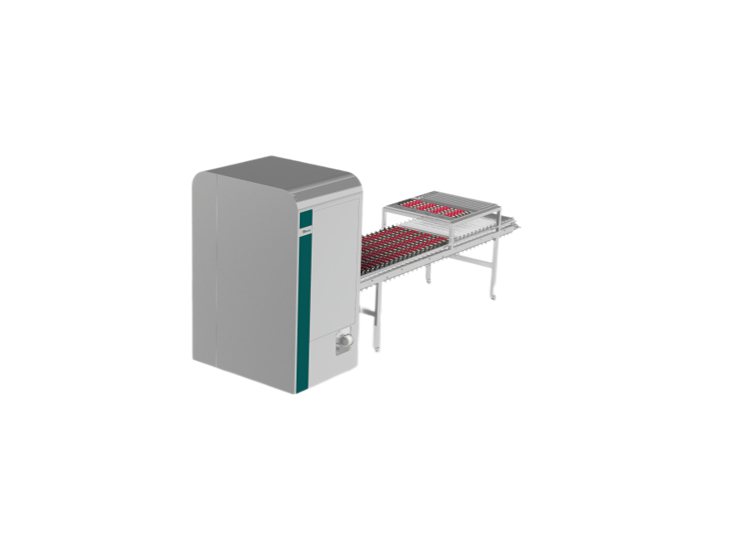
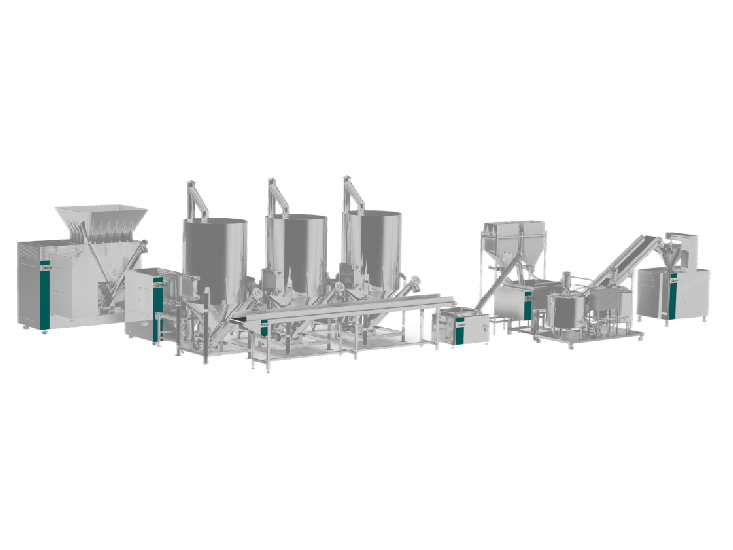
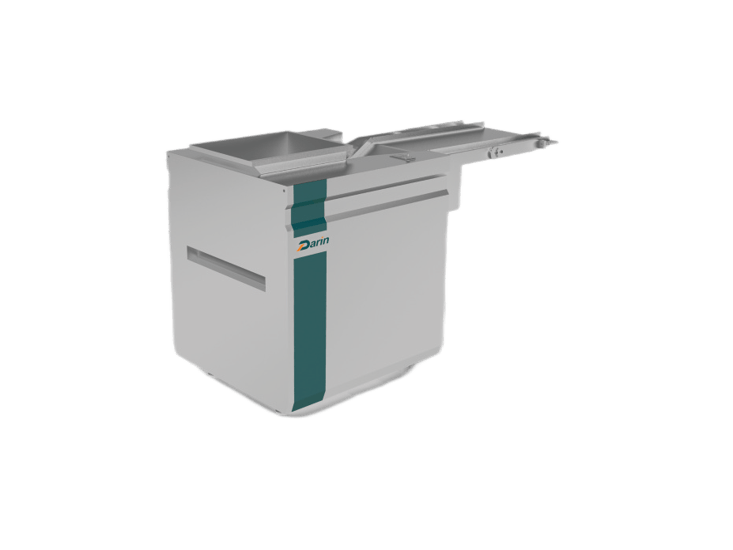
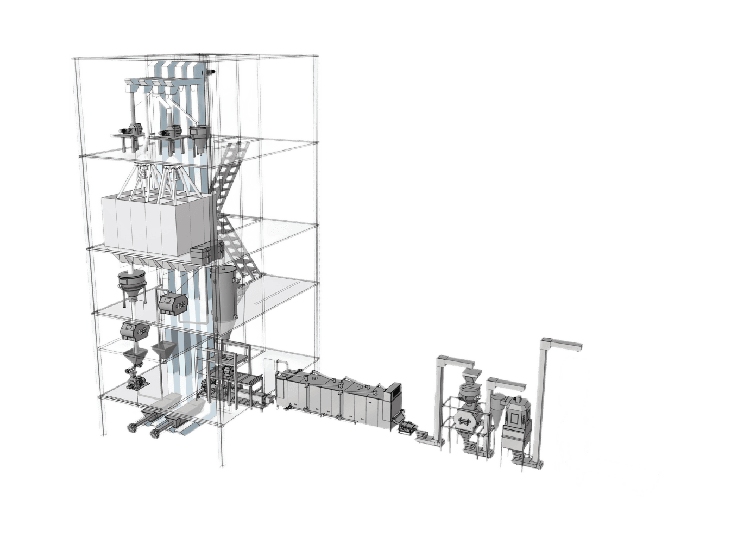
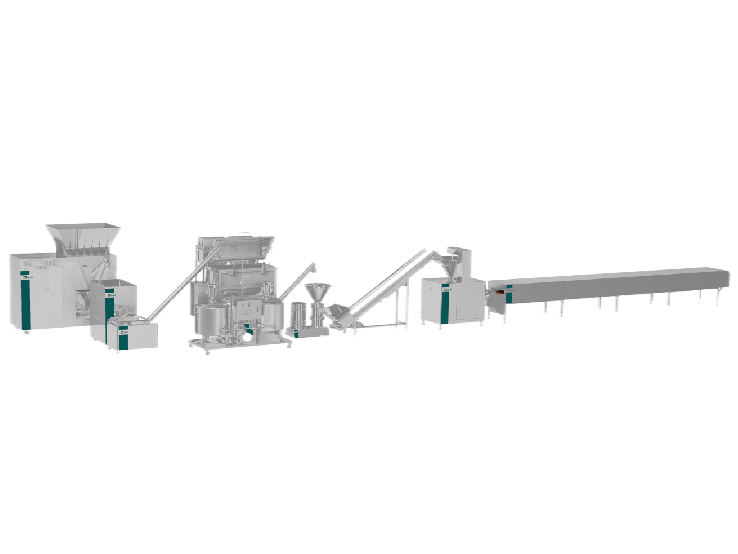
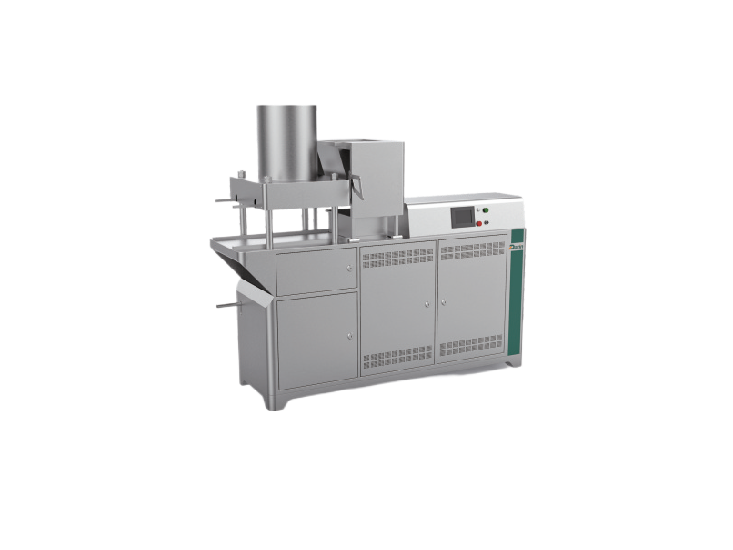
Pet Food & Treats Production equipment
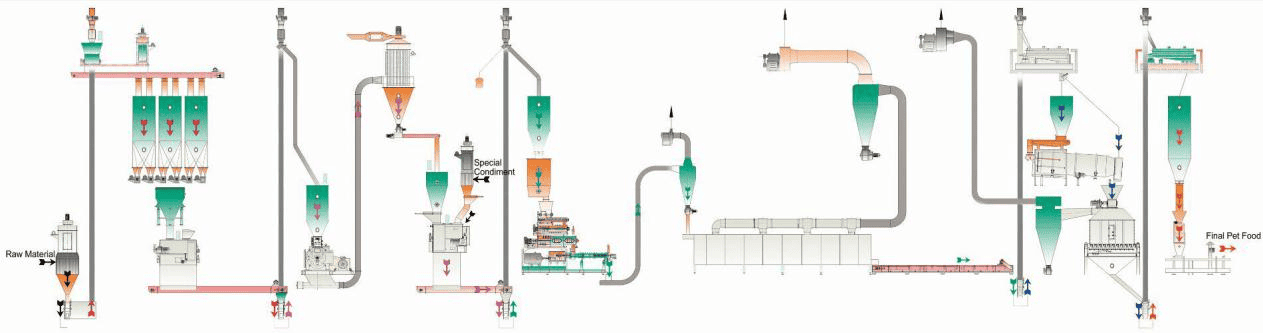
Darin Machinery provides a full-cycle, one-stop production equipment solution for all types of pet food and pet snacks, including production lines for pet dry food, pet wet food, pet semi-moist food, pet freeze-dried food, and pet raw food, as well as common pet treats production processing equipment such as pet biscuits, pet jerky, pet dental chews, pet rawhide chews, and pet training treats.
High-Efficiency, Customizable Darin® Pet Food Production Line
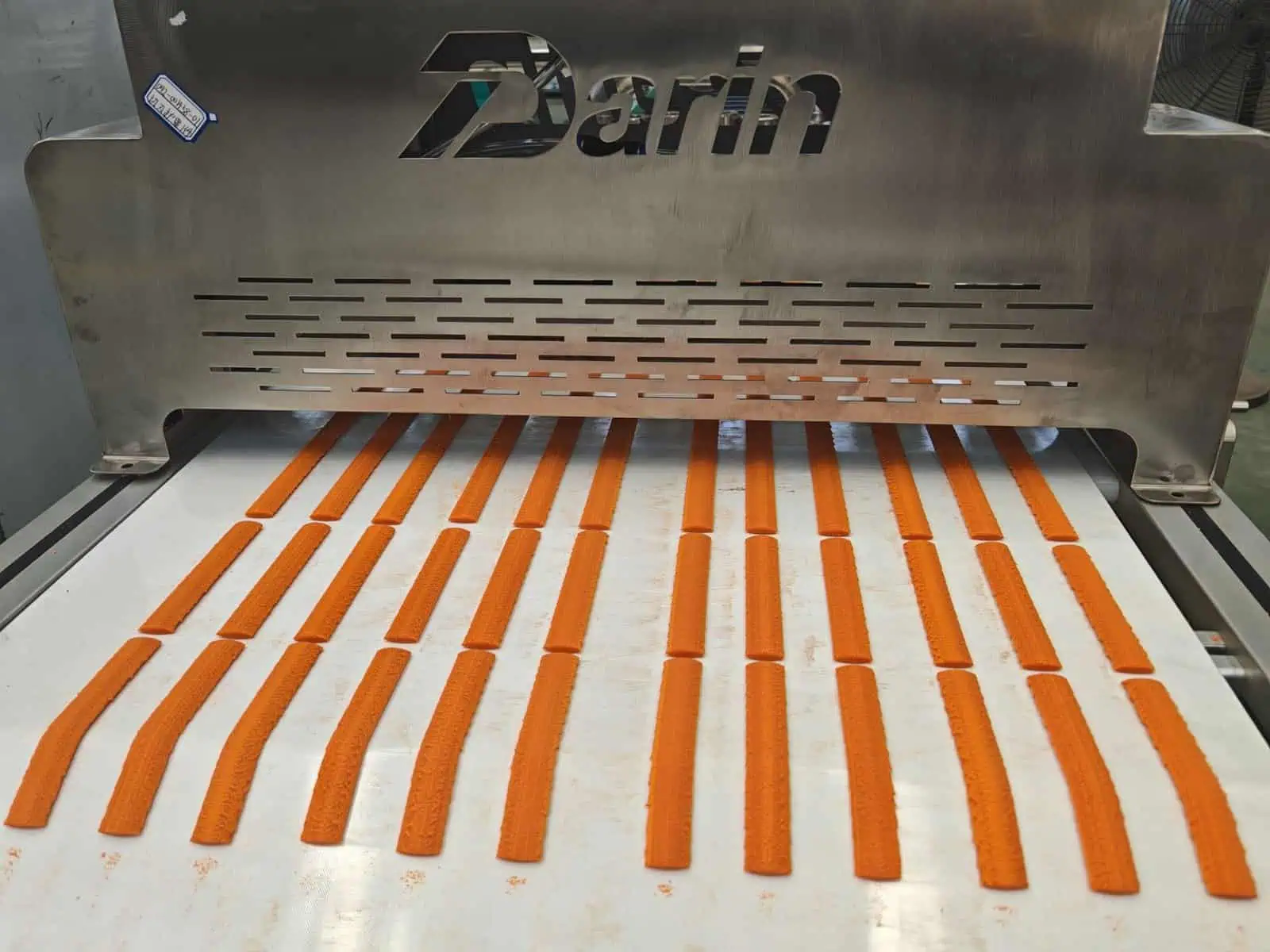
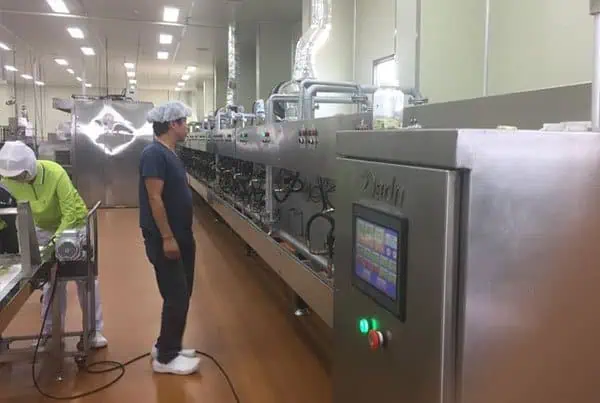
Darin® Pet Food Production Line is a state-of-the-art solution designed to streamline pet food manufacturing. Equipped with cutting-edge automation technology, precision extrusion, and customizable mold systems, this production line ensures consistent output of high-quality pet food products for dogs, cats, and aquatic animals.
Darin® Pet Food Production Line allows producers to diversify their product range, attract new customers, and increase market share. By leveraging its modular design, companies can easily upgrade or expand capacity as demand grows. For pet food manufacturers seeking precision, speed, and adaptability, this is the ultimate production solution.
Contact us today for specifications, customization options, and expert support to optimize your pet food production line!
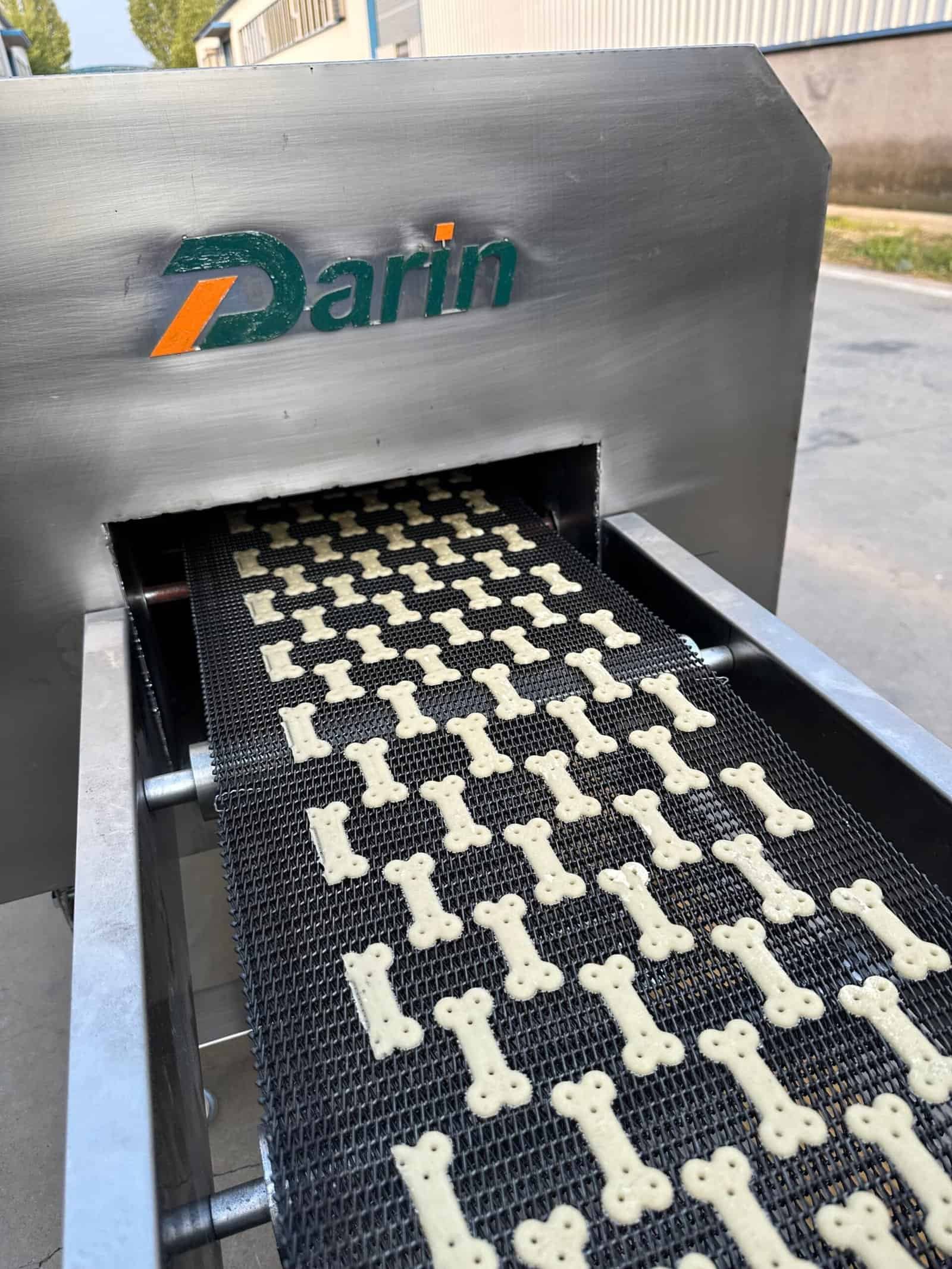
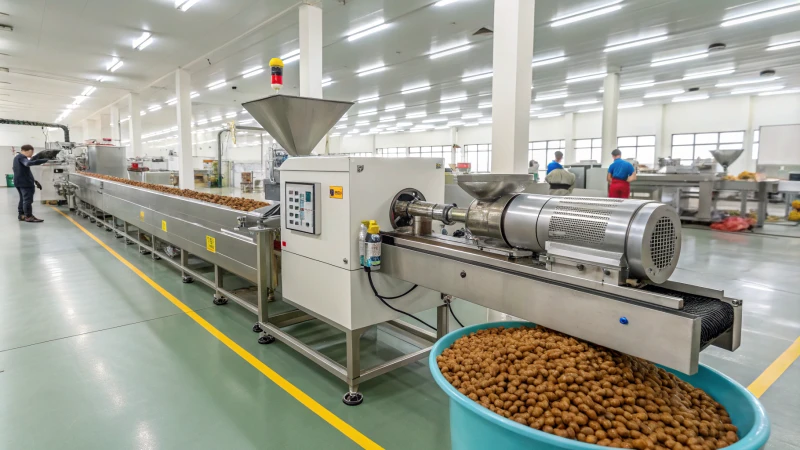
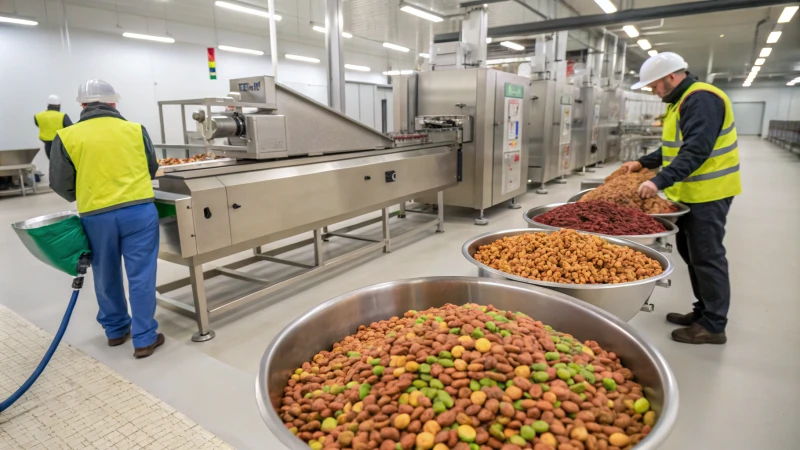
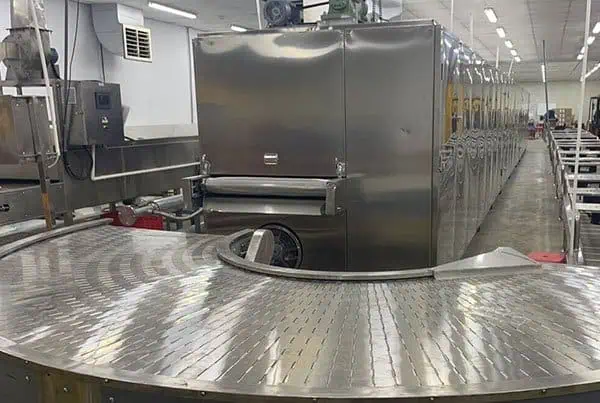
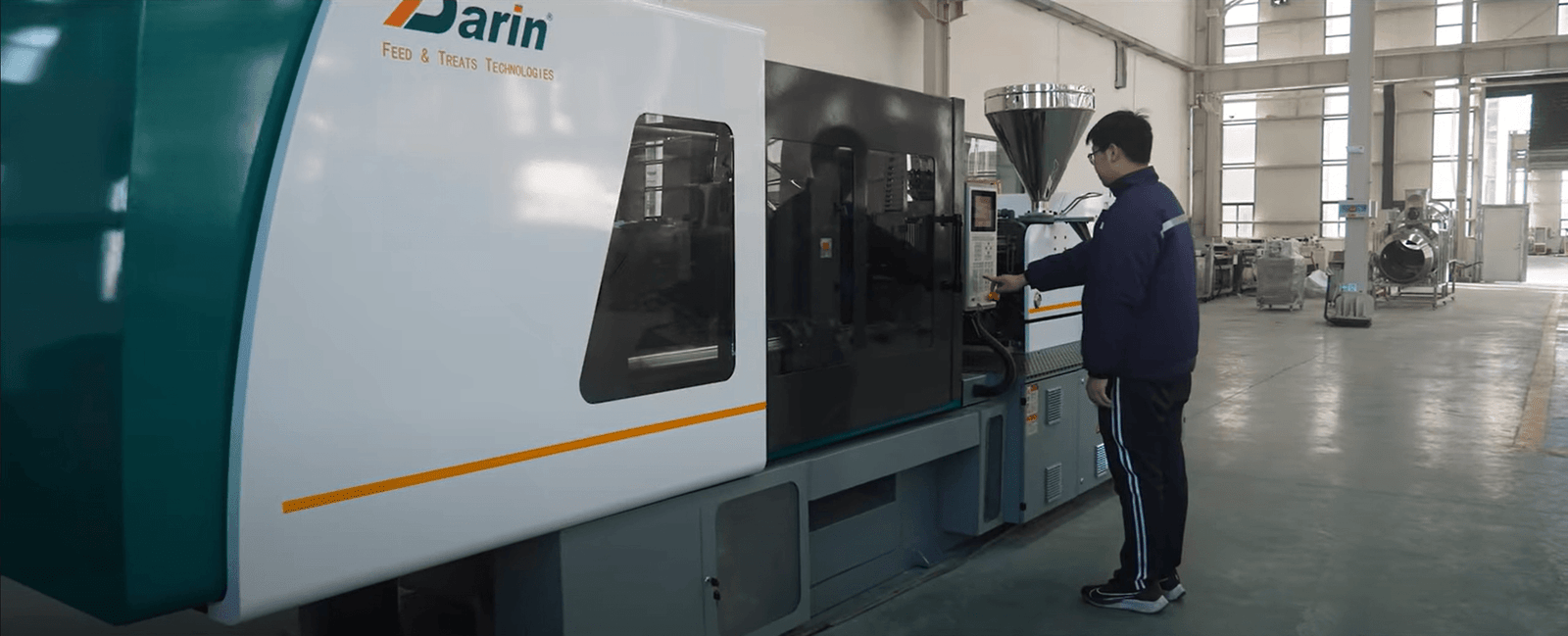
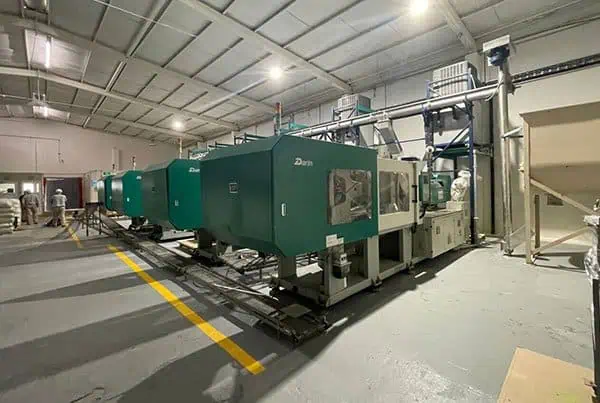
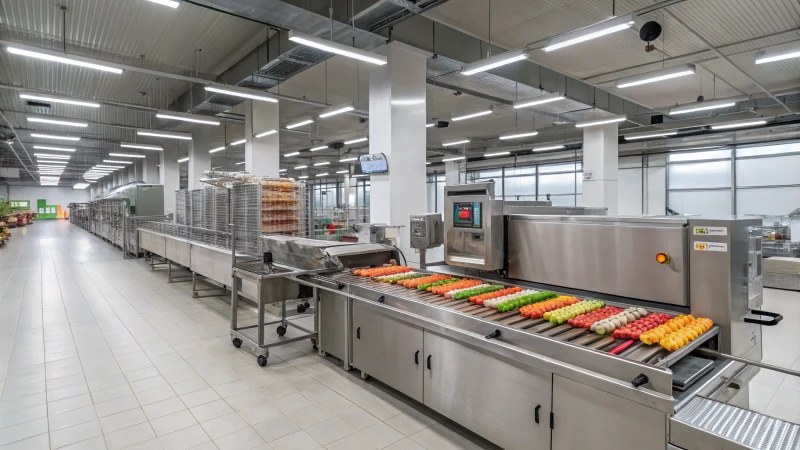
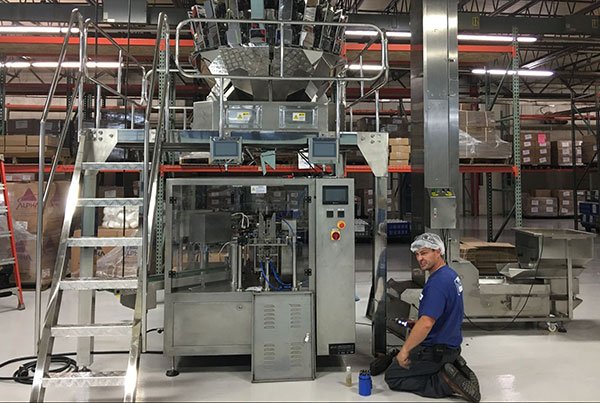
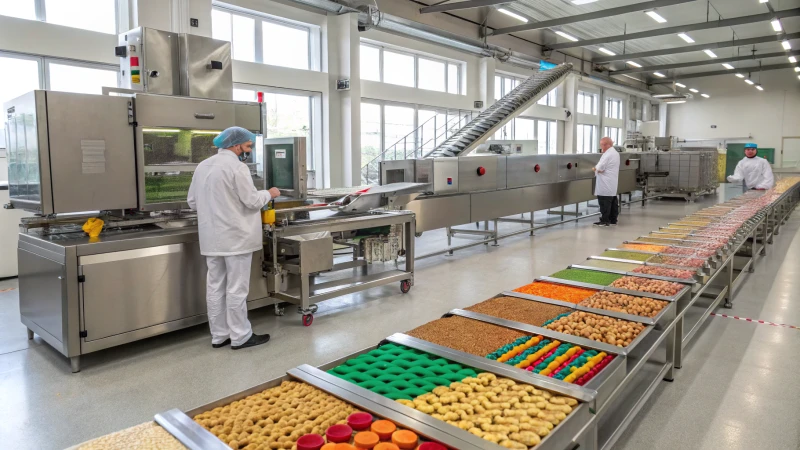
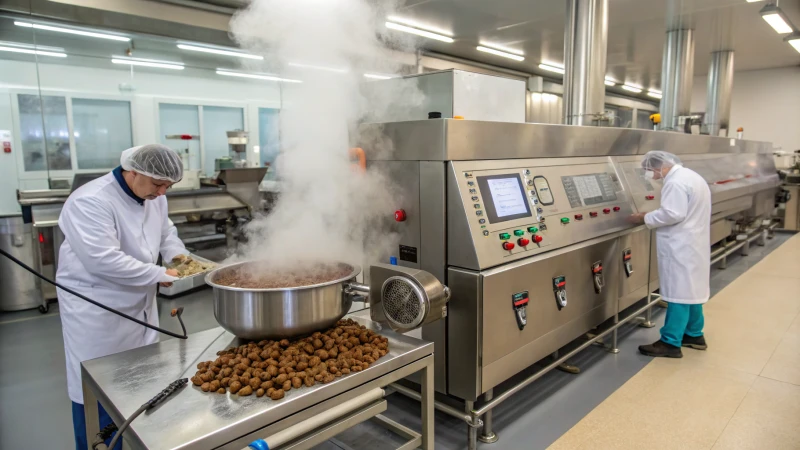
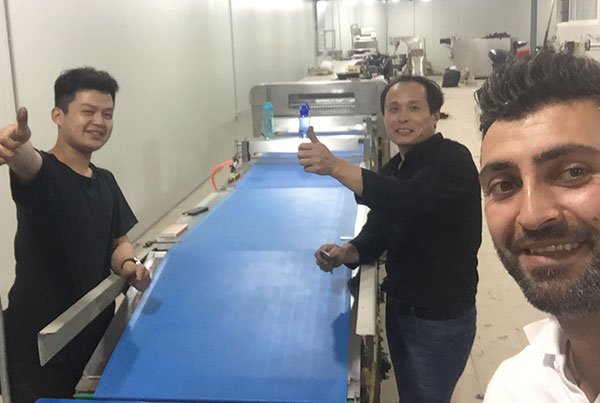
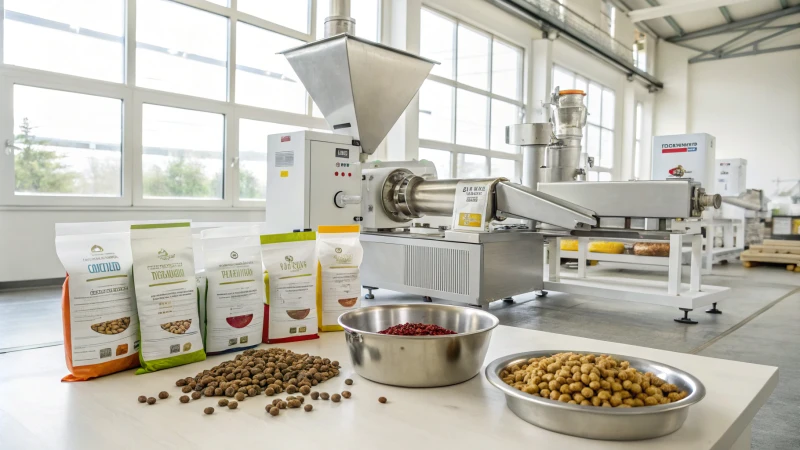
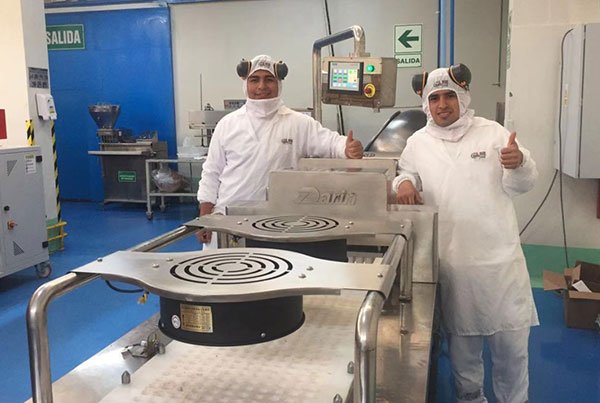
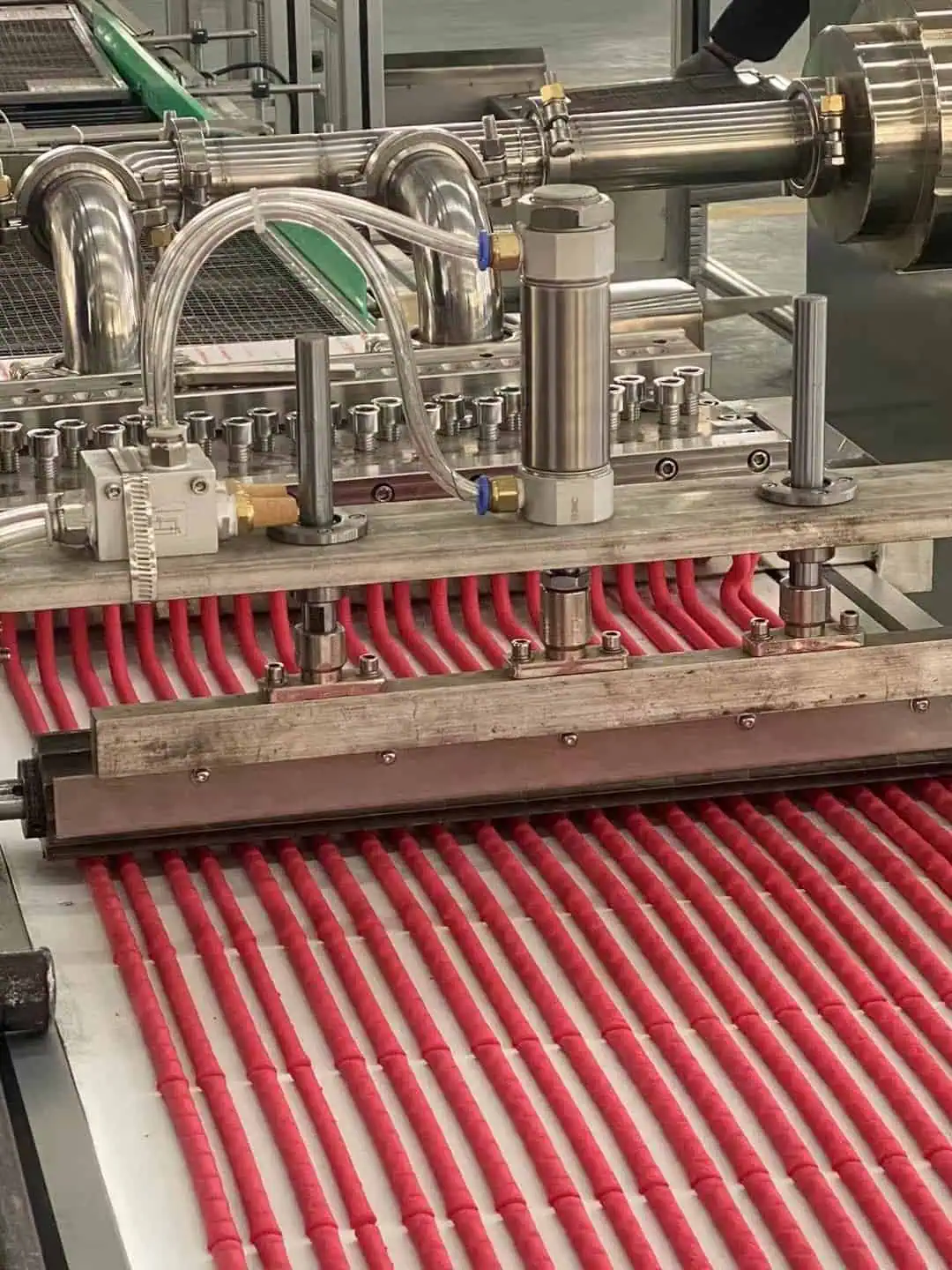
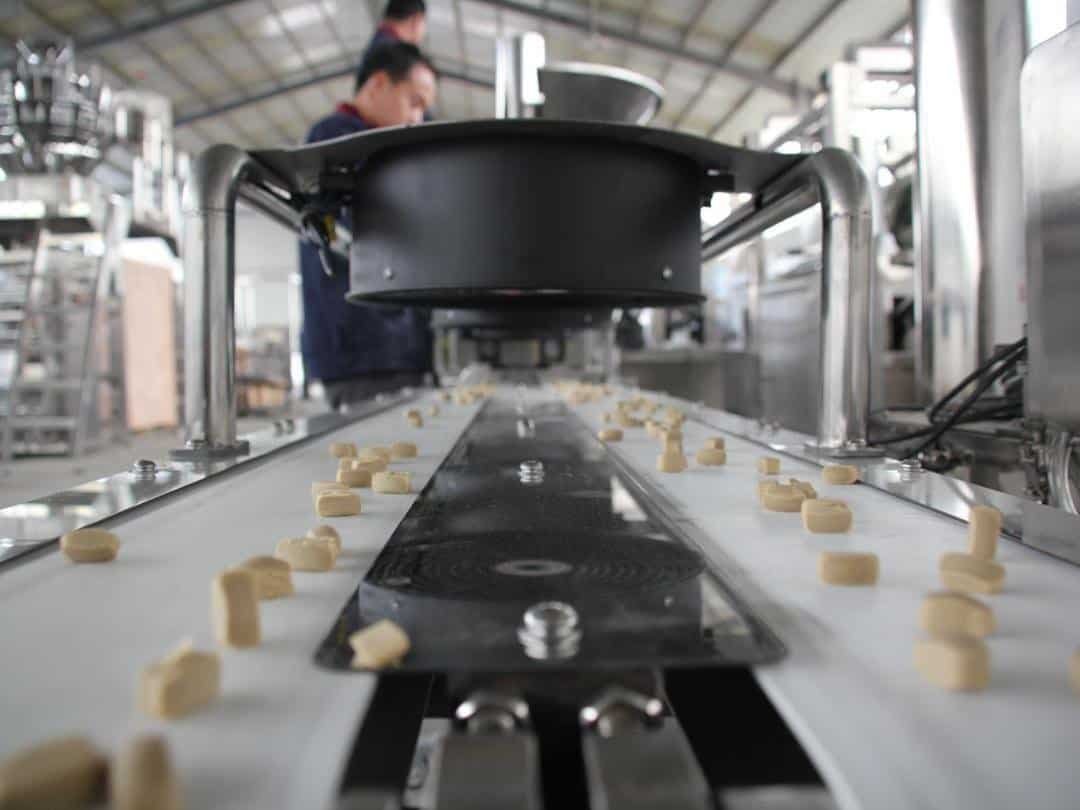
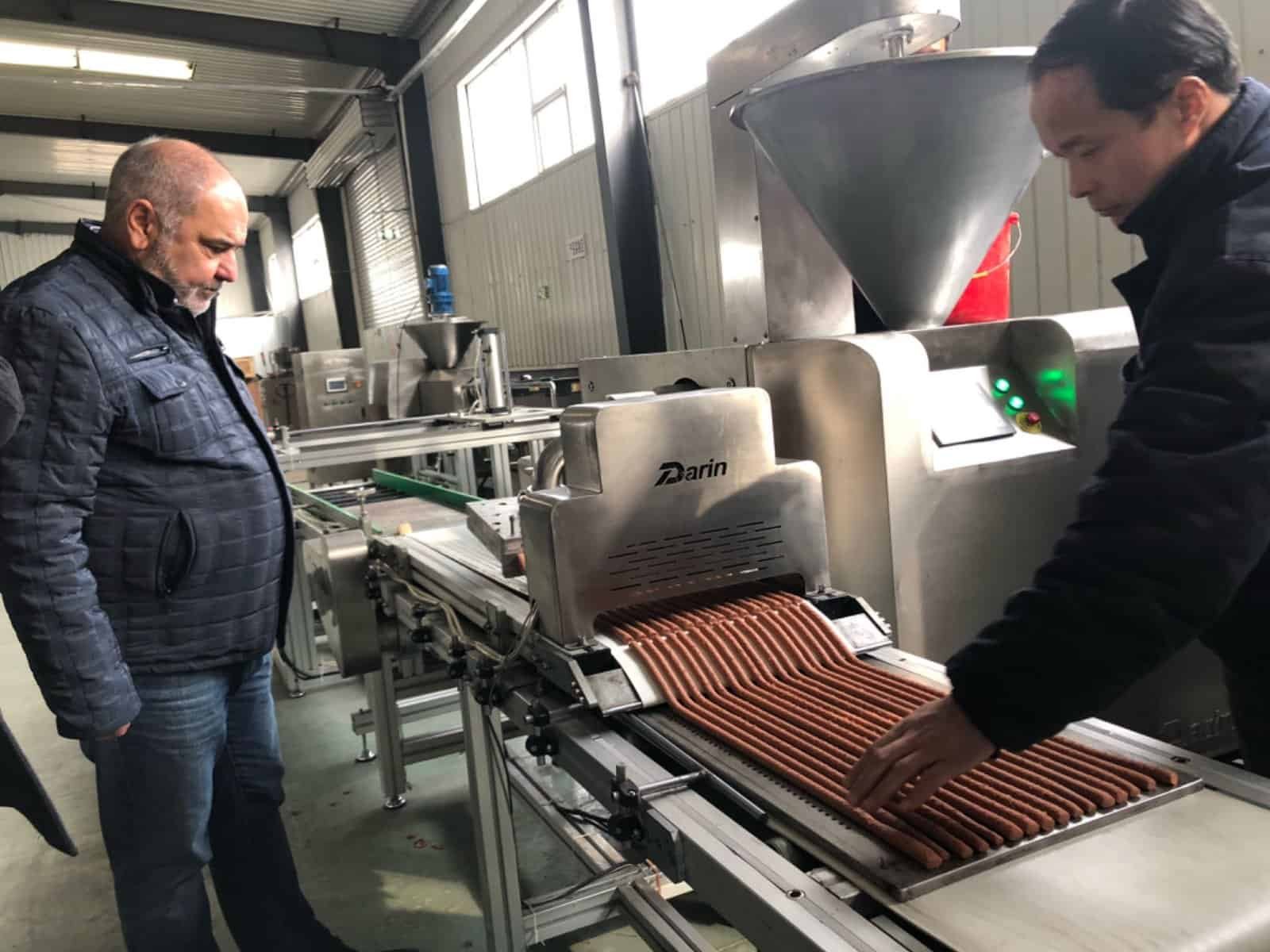
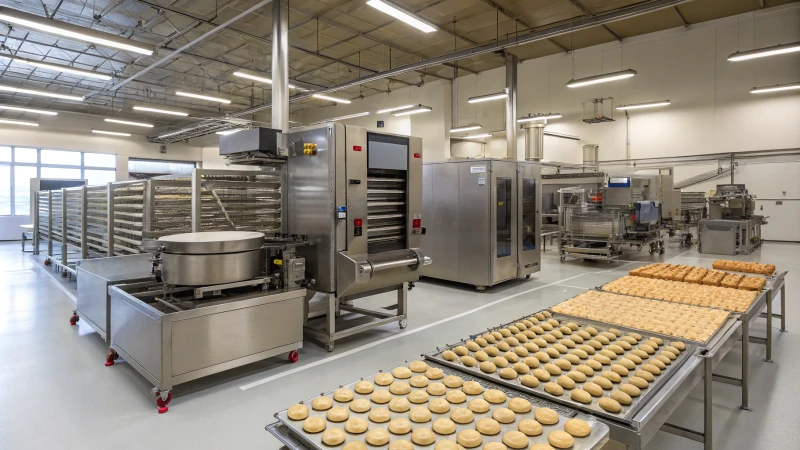
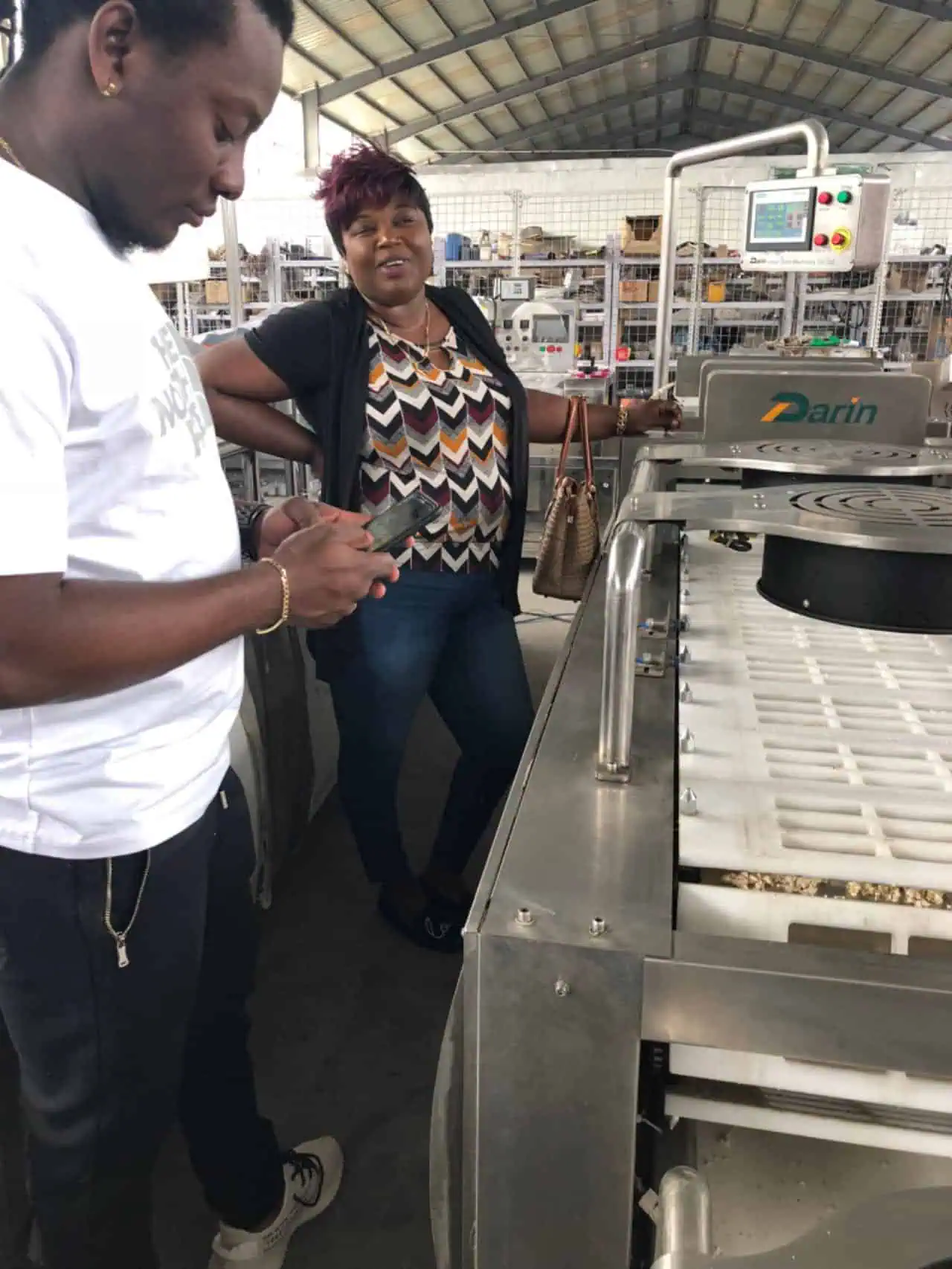
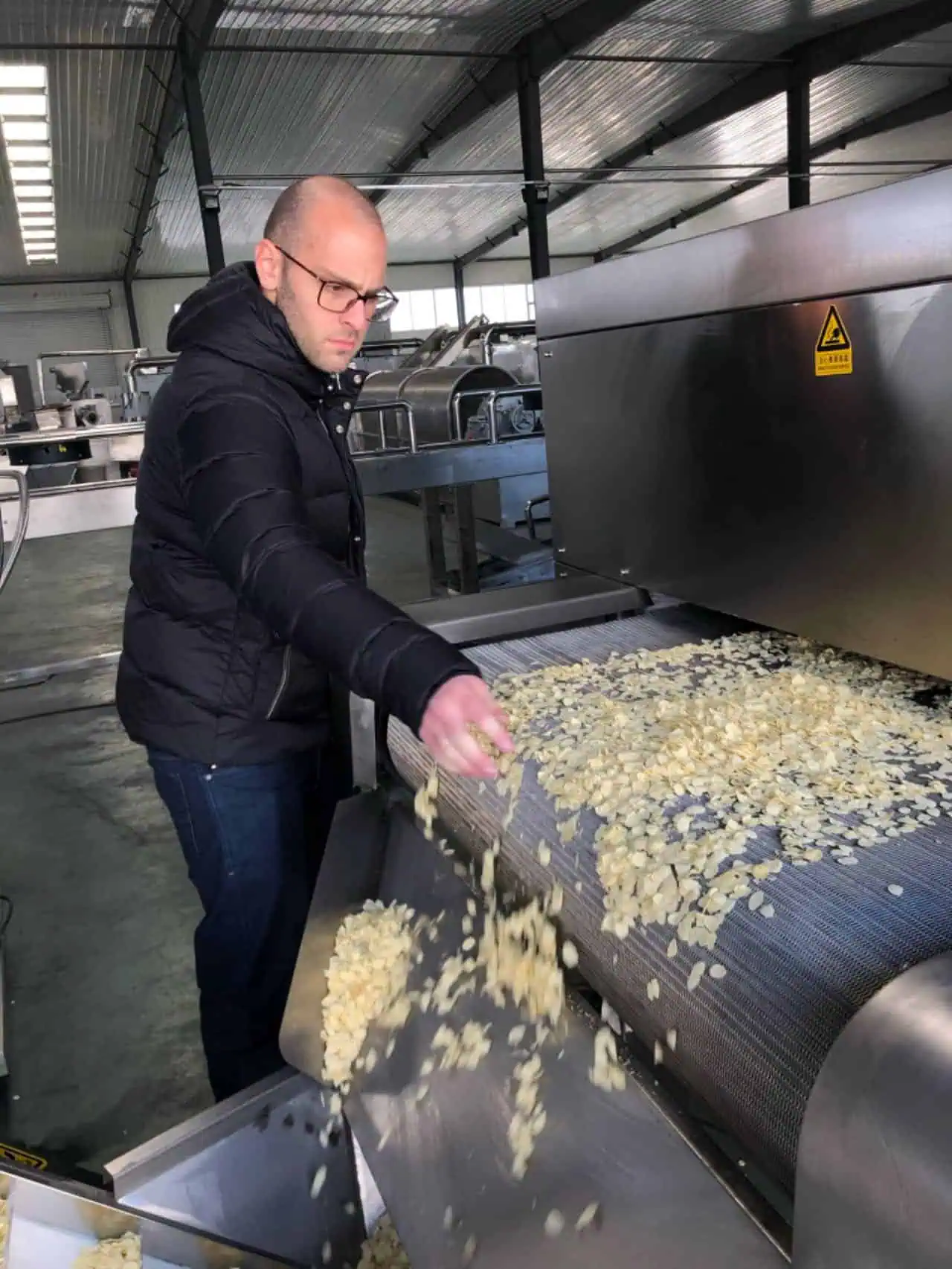
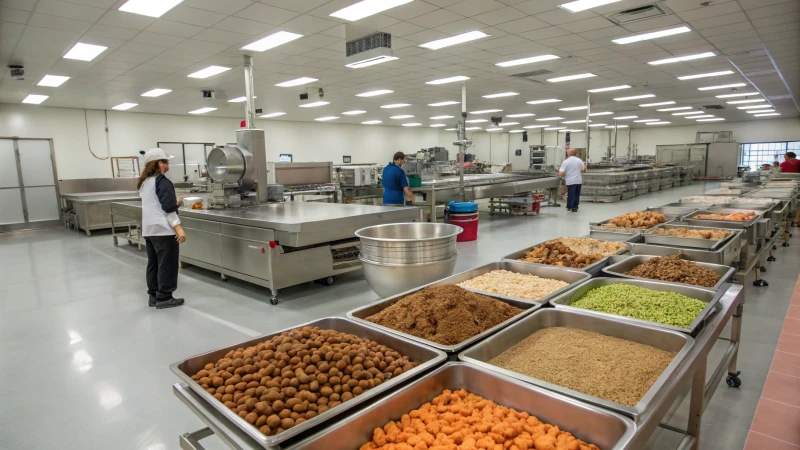
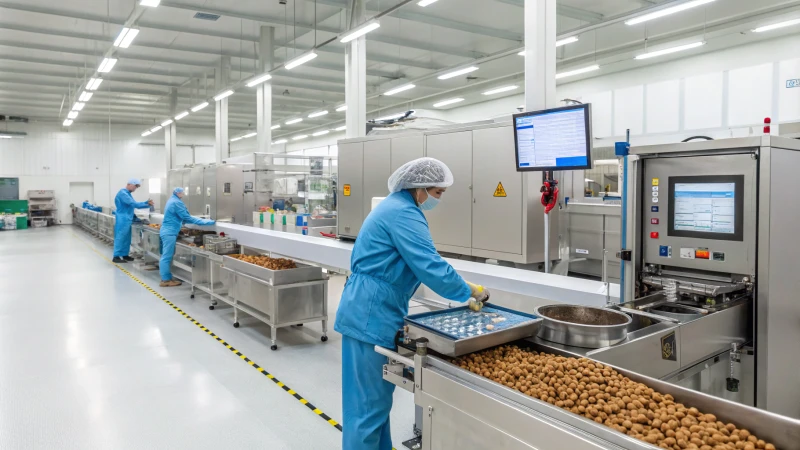
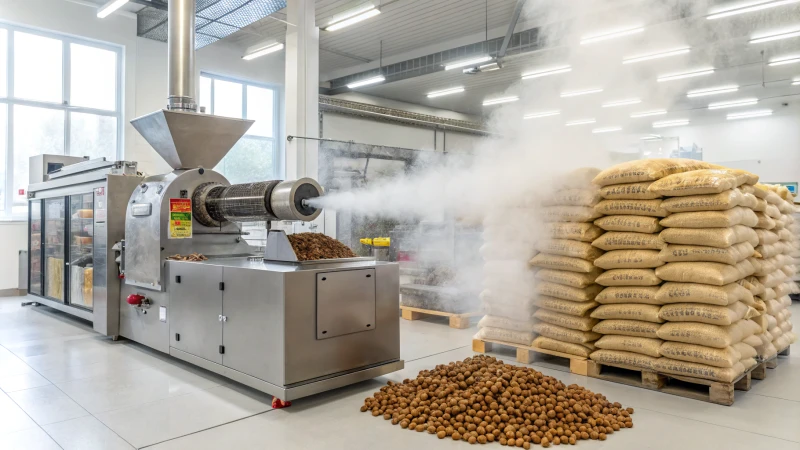
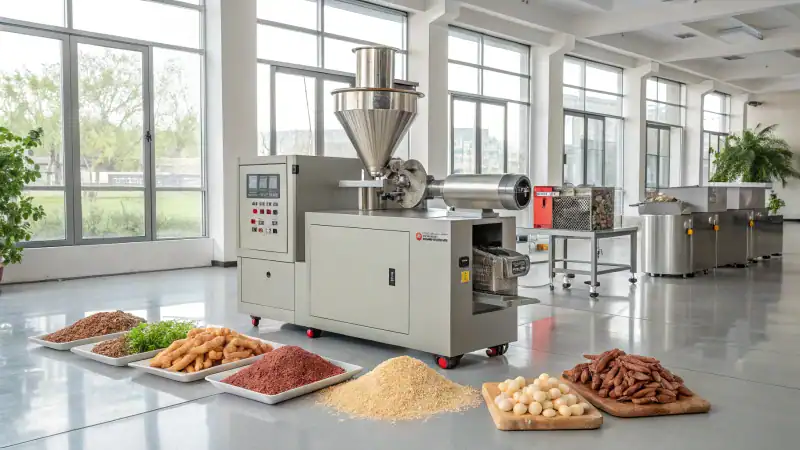
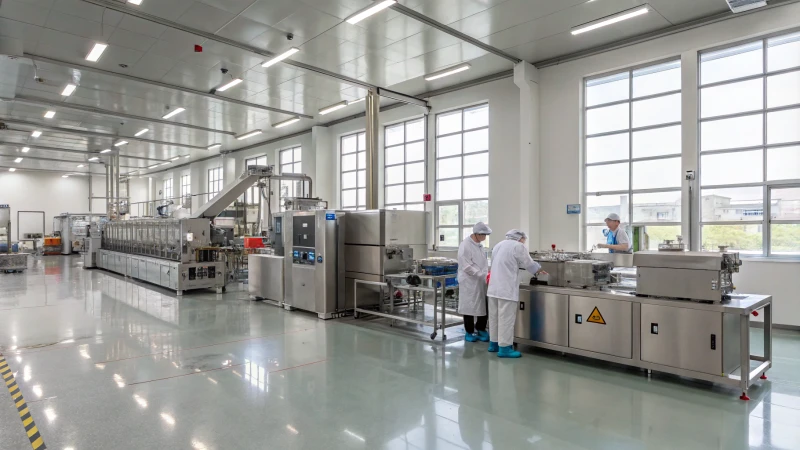
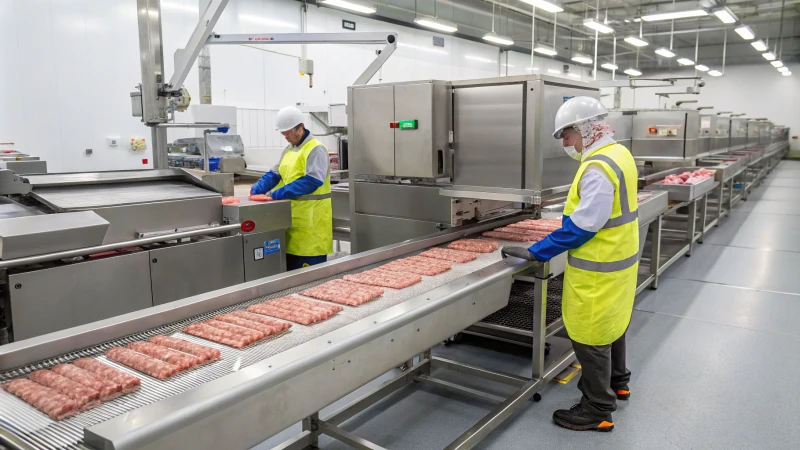
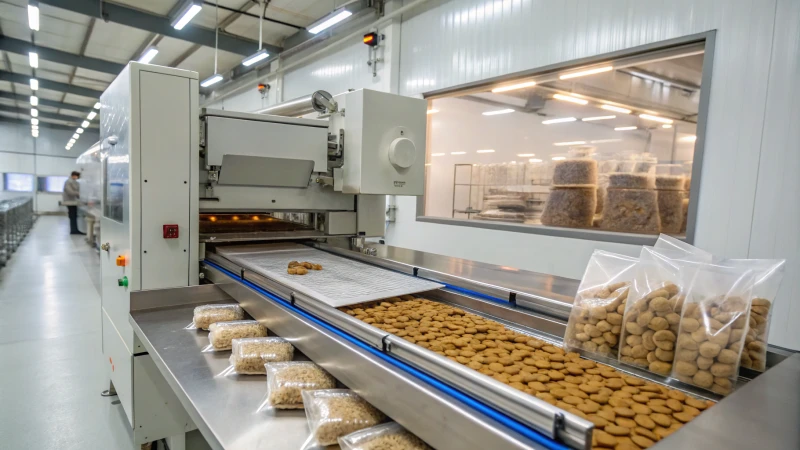
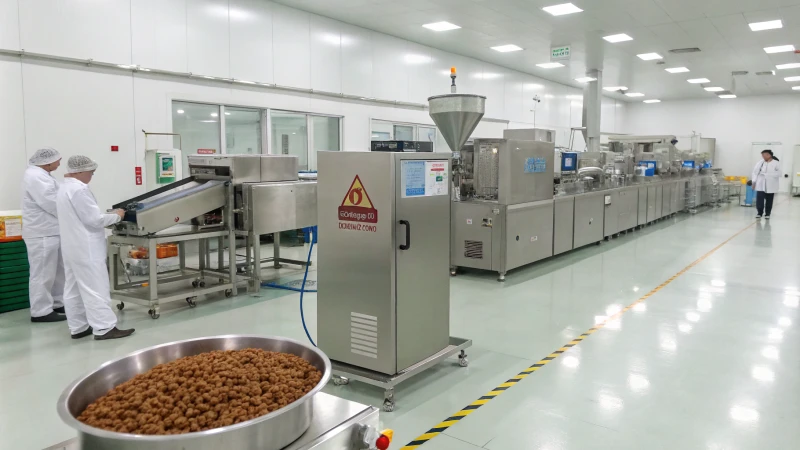
The Smart Choice for Pet Food Manufacturing!
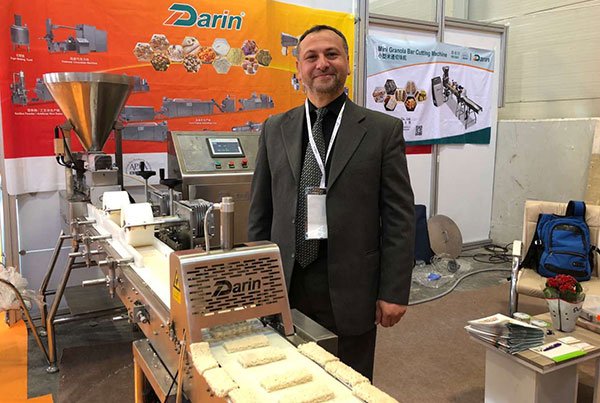
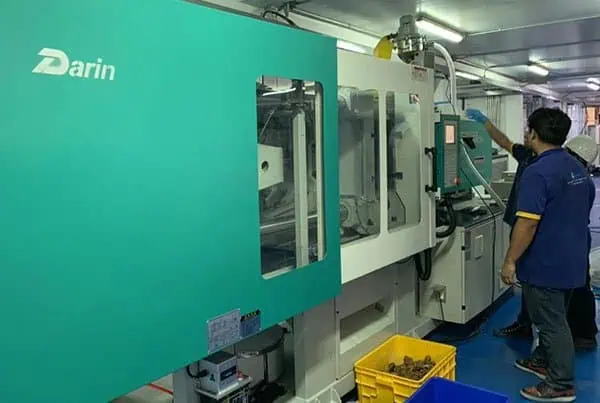
Maximize production efficiency with the Darin® Pet Food Production Line. Advanced automation, precision extrusion, multi-shape customization, and energy-saving technology ensure consistent, high-quality pet food. Ideal for dog, cat, and aquatic feed. Contact us now for a production upgrade!
Darin Machinery provides a full-cycle, one-stop production equipment solution for all types of pet food and pet snacks, including production lines for pet dry food, pet wet food, pet semi-moist food, pet freeze-dried food, and pet raw food, as well as common pet treats production processing equipment such as pet biscuits, pet jerky, pet dental chews, pet rawhide chews, and pet training treats.
Darin® Pet Food Production Line supports diverse applications, including dog food, cat food, fish feed, and exotic animal feed. Its advanced customization and automation ensure versatile production to meet diverse market demands. Contact us today to expand your pet food offerings!
Pet food production line Technical Parameters
When purchasing the Pet food production line, you might be interested in the following Technical Parameters.
| Model | Capacity | Power | Dimension |
|---|---|---|---|
| DR-65 | 120-150kg/h | 80kw | 18*5*3m |
| DR-70 | 200-300kg/h | 90kw | 20*5*3m |
| DR-85 | 500-600kg/h | 150kw | 30*5*4m |
| DR-90 | 800-1000kg/h | 200kw | 35*5*5m |
| DR-95 | 2000kg/h | 250kw | 40*10*16m |
| DR-120 | 3000kg/h | 350kw | 50*10*20m |
| DR-135 | 5000kg/h | 450kw | 60*10*24m |

Motors from Darin Machinery are sourced from WEG with a 3-year worldwide guarantee or Siemens.Enjoy a reliable global after-sales service system.
Electric parts are from ABB or Schneider, easy to find replacments at local market.
PLC and touch screens from Siemens, Germany, are used by Darin Machinery to ensure easier operation and reduced labor requirements.
When faults occur, Darin Machinery’s touch screens display relevant information, making it easy to diagnose and resolve issues quickly.
Darin Machinery control cabinets are equipped with 24V safe voltage, ensuring operator safety even electrical leakage occurred.
Darin Machinery includes three types of protectors over-current, over-voltage, over-heat to ensure machine and operator safety.
All cover bodies, mesh belts, and parts in contact with materials at Darin Machinery are made of food-grade stainless steel 304, providing superior durability and safety.
VS
Mainstream Equipment manufacturers may often use lesser-known brands Ordinary motor, ordinary quality and with limited after-sales support guarantee.
Mainstream Equipment typically use lesser-known brands, and replacements are difficult to source in the local market.
In contrast, Mainstream Equipment may lack such advanced controls, often relying on manual buttons that only control the main unit.They require more operators.
Mainstream Equipment manufacturers might require manual inspection of each piece of equipment, which is time-consuming. Low work efficiency.
Mainstream Equipment manufacturers Control cabinets may use 220V, Non-human safety voltage, posing a safety risk in case of leakage for operator.
Mainstream Equipment often provide only basic overload protection. Potential safety risks.
Mainstream Equipment manufacturers who may use lower quality materials, the lower quality materials potential safety risks.

Take advantage of our customization services to tailor pet food production exactly to your requirements. Utilize our CAD and 3D design layouts to visualize your end product. Our expert engineers are here to transform your ideas into reality. Let’s discuss your unique pet food concepts—reach out now!
Frequently Asked Questions
When purchasing the Pet food production line, you might be interested in the following questions.
The capacity of a pet food production line depends on machine configuration, automation level, and the type of pet food being produced. It typically ranges from small-scale systems to fully automated industrial production lines.
Typical production capacities include small, medium, and large-scale lines designed for different output requirements.
Key factors affecting production capacity include pet food type, automation level, production schedule, and recipe complexity.
Example: A production line running 16 hours per day with 1.25 tons/hour capacity can produce around 20 tons daily.
👉 Share your required capacity and product type, and we will recommend the most suitable pet food production line for your business.
The versatility of a pet food production line depends on its configuration, automation level, and processing technology. Modern modular systems can produce a wide range of products including dry kibble, wet food, treats, biscuits, and specialty pet food.
Pet food production lines support multiple product types through flexible processing modules and adjustable equipment configurations.
Dry Kibble (Extruded or Baked)
Output: 100–10,000 kg/h
Process: Extrusion or baking
Key equipment: Extruder, dryer, coating system
Suitable for standard and customized dry pet food production.
Wet Pet Food (Canned or Pouch)
Process: Cooking, mixing, filling, sealing
Packaging: Cans, pouches, trays
Used for meat-based and high-moisture formulations.
Pet Treats (Biscuits, Chews, Snacks)
Process: Baking, extrusion, molding
Features: Shape forming and flavor coating systems
Used for training treats, dental chews, and snacks.
Pet Biscuits
Process: Mixing, forming, baking
Features: Dough system and baking oven
Customizable in shape, flavor, and nutrition.
Specialty Pet Food
Types: Freeze-dried, raw, frozen diets
Equipment: Freeze dryer and refrigeration systems
Designed for premium and raw nutrition products.
Pet Supplements & Powders
Process: Mixing, grinding, packaging
Includes vitamins, additives, and nutritional powders.
Key Advantages
Conclusion: A modern pet food production line can be flexibly configured to produce dry food, wet food, treats, biscuits, and specialty diets based on production requirements.
A Darin pet food production line is highly customizable, allowing manufacturers to produce different shapes, sizes, and formulations to meet diverse market requirements.
Modern production lines use modular systems to adjust extrusion, molding, cutting, formulation, and coating processes for flexible pet food production.
Extrusion System (Dry Kibble & Treats)
Products: Dry kibble, pet treats, biscuits
Customization: Shape, size, and texture via die changes
Control: Temperature, moisture, and extrusion speed
Used for producing various kibble shapes such as round, bone, and star.
Molding System (Biscuits & Chews)
Products: Biscuits, chew treats, snacks
Customization: Replaceable molds for different shapes
Supports branded and custom-designed pet treats.
Cutting System (Wet Food & Snacks)
Products: Wet food, chunks, snack pieces
Function: Adjustable cutting size and portion control
Ensures consistent product shape and weight.
Formulation System (Nutrition Customization)
Function: Ingredient mixing and recipe control
Applications: Grain-free, high-protein, hypoallergenic diets
Enables precise nutritional customization for different pet needs.
Coating System (Flavor & Nutrition)
Function: Oil, flavor, and vitamin coating
Flavors: Cheese, meat, omega-3, functional additives
Improves taste and nutritional value of final products.
Automation & Changeover System
Feature: Fast recipe switching with digital control
Benefit: Reduces downtime and increases production efficiency.
Packaging Flexibility
Options: Bags, pouches, cans, vacuum packaging
Function: Portion control and shelf-life extension
Supports multiple packaging formats for different products.
Conclusion: A modern pet food production line can produce a wide range of pet food products with flexible control over shape, size, formulation, and packaging to meet different production needs.
A modern pet food production line offers strong raw material flexibility, enabling manufacturers to process a wide range of ingredients such as meats, grains, vegetables, vitamins, oils, and functional additives for different pet food formulations.
Pet food production lines are designed to handle multiple raw material categories through adjustable processing systems such as mixing, extrusion, cooking, coating, and drying.
Animal Proteins (Meat Sources)
Ingredients: Chicken, beef, lamb, fish, organ meats, meat meal
Processing: Grinding, mixing, cooking, or raw handling
Used for both dry and wet pet food with adjustable protein levels and textures.
Grains and Carbohydrates
Ingredients: Corn, rice, wheat, barley, oats, peas, potatoes
Processing: Milling, cooking, flaking, or extrusion preparation
Supports both traditional and grain-free pet food formulations.
Vegetables and Fruits
Ingredients: Carrots, pumpkin, spinach, apples, blueberries
Processing: Chopping, pureeing, dehydration, or freeze-drying
Provides fiber, vitamins, and antioxidants for functional nutrition.
Vitamins and Minerals
Ingredients: Vitamin A, D, E, B-complex, calcium, phosphorus
Processing: Precise mixing or post-coating application
Ensures balanced nutrition for pet health requirements.
Functional Additives
Ingredients: Probiotics, omega oils, glucosamine, antioxidants
Processing: Blending or coating systems
Supports digestion, immunity, and joint health.
Fats and Oils
Ingredients: Chicken fat, fish oil, flaxseed oil, vegetable oil
Processing: Mixing or post-production spraying
Improves flavor, energy, and nutritional value.
Specialty Ingredients
Ingredients: Freeze-dried meat, dehydrated vegetables, raw materials
Processing: Freeze-drying, dehydration, or cold storage handling
Used for premium and raw pet food production.
Conclusion: A modern pet food production line can process a wide variety of raw materials and adapt to different formulations, enabling production of dry food, wet food, treats, and specialty pet diets.
Modern pet food production lines are designed to comply with international safety and quality standards, ensuring stable production, food safety, and global market acceptance.
These production lines follow multiple internationally recognized certifications covering quality management, food safety, hygiene control, and export compliance.
ISO Standards
ISO 9001 ensures quality management consistency.
ISO 22000 focuses on food safety hazard control.
ISO 14001 supports environmental management and sustainable production.
Provides standardized quality and safe manufacturing processes.
CE Certification
Covers machinery safety and EU compliance.
Applies to extruders, mixers, dryers, and packaging equipment.
Required for selling equipment in European markets.
GMP (Good Manufacturing Practices)
Focuses on hygiene, sanitation, and production control.
Applies to raw material handling and manufacturing processes.
Ensures safe and hygienic production conditions.
HACCP Food Safety System
Identifies and controls potential food safety hazards.
Monitors critical points such as cooking, mixing, extrusion, and packaging.
Prevents contamination throughout the production process.
FSSC 22000 Certification
Combines ISO 22000 with prerequisite programs.
Covers sanitation, pest control, and traceability systems.
Provides globally recognized food safety certification.
BRC Global Standard
Required for retail and export supply chains.
Focuses on product safety, quality, and traceability.
Widely used in UK and European markets.
Regional Compliance (FDA & AAFCO)
FDA regulates U.S. pet food safety and labeling.
AAFCO defines nutritional standards for pet food formulation.
Ensures compliance with U.S. market requirements.
Conclusion: Pet food production lines typically comply with ISO, CE, GMP, HACCP, FSSC 22000, BRC, FDA, and AAFCO standards to ensure safe, high-quality, and globally compliant production.
The energy consumption of a pet food production line depends on production capacity, machine configuration, product type, and energy sources such as electricity or natural gas. Modern systems are designed to improve energy efficiency and reduce operating costs.
Production capacity impact: Higher capacity and faster line speed lead to higher energy consumption due to continuous operation and larger output.
Main equipment energy use: Extruders consume the most energy due to high heat and pressure processing. Dryers and ovens are also high-energy stages. Mixers, cooling systems, and packaging lines use relatively less energy.
Energy-saving technologies: Modern production lines use variable frequency drives (VFD), heat recovery systems, and energy-efficient motors to reduce power consumption.
Product type influence: Dry kibble requires higher energy (extrusion + drying), wet food uses moderate energy (cooking and sterilization), while freeze-dried or raw food requires the most energy.
Energy consumption range: Small to medium lines typically consume 50–150 kWh per hour, while large industrial lines may reach 200–500+ kWh per hour.
Optimization methods: Energy audits, automated control systems, smart scheduling, and upgraded equipment help reduce overall energy usage.
Conclusion: Energy consumption varies by capacity and product type, but modern pet food production lines are designed with energy-saving systems to improve efficiency and reduce operating costs.
Our activities
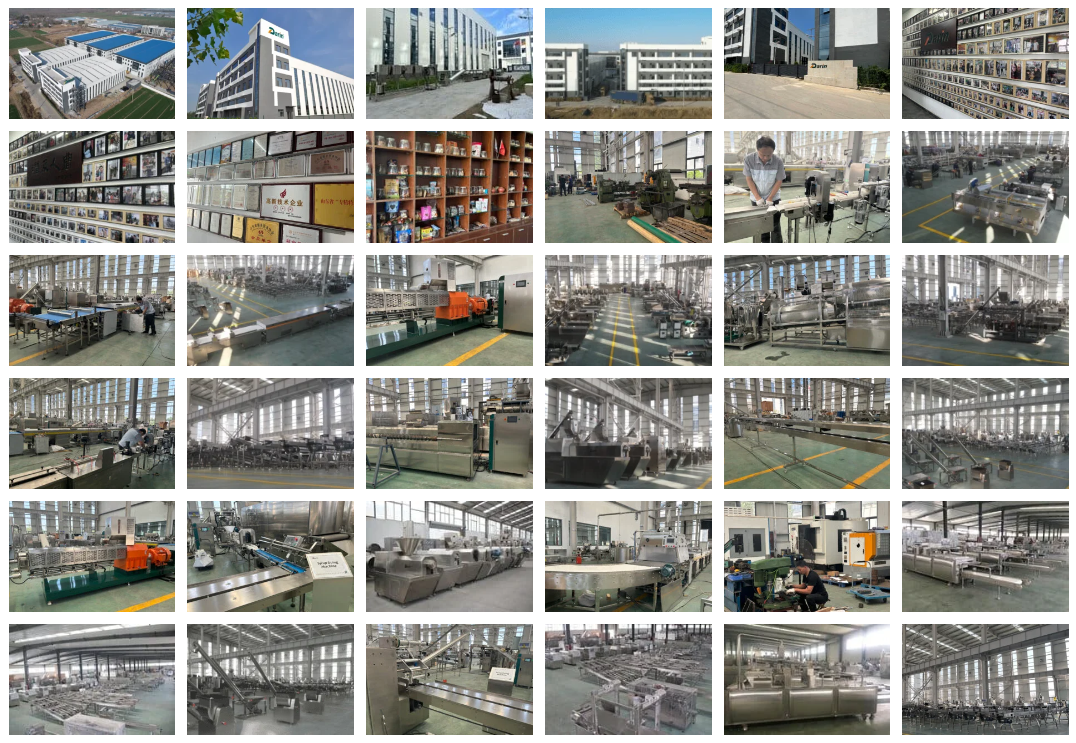
Keeping automation, quality and service in mind, always based on the diverse needs of customers, Darin will be dedicated to providing clients with satified product and full life after sales service.
Darin machines run in more than 70 countries including USA, UEA, Germany, Japan, Italy, Spain, Holland, Australia, Brazil, Mexico, Indonesia, Thailand, Canada etc.
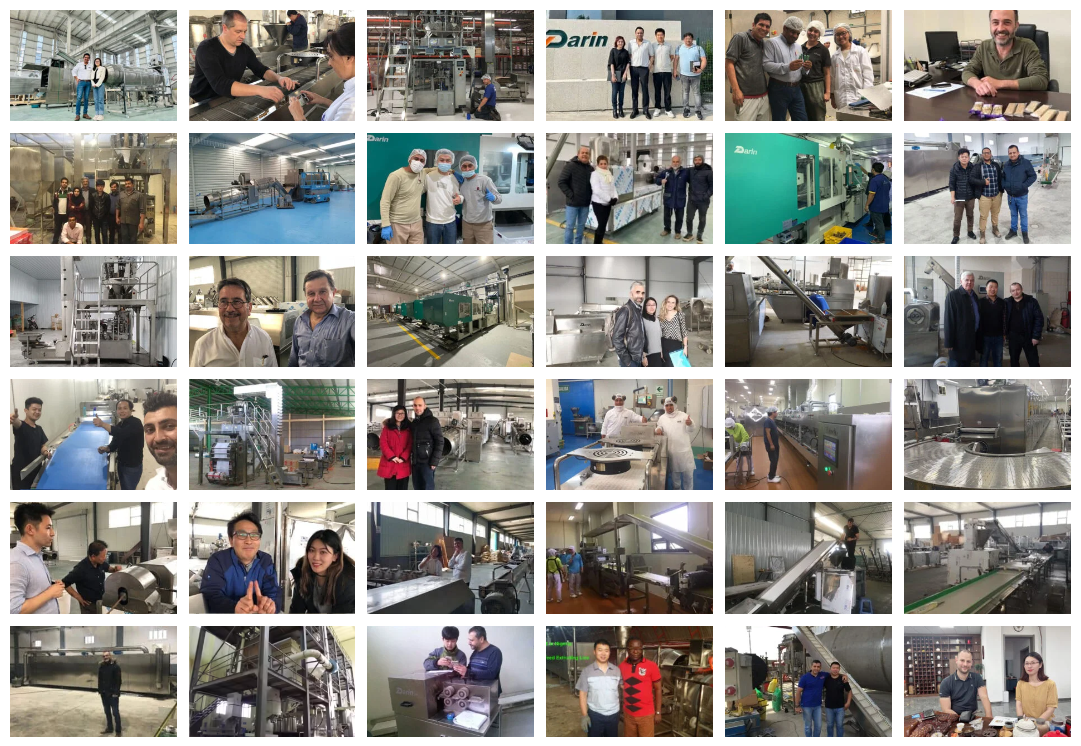
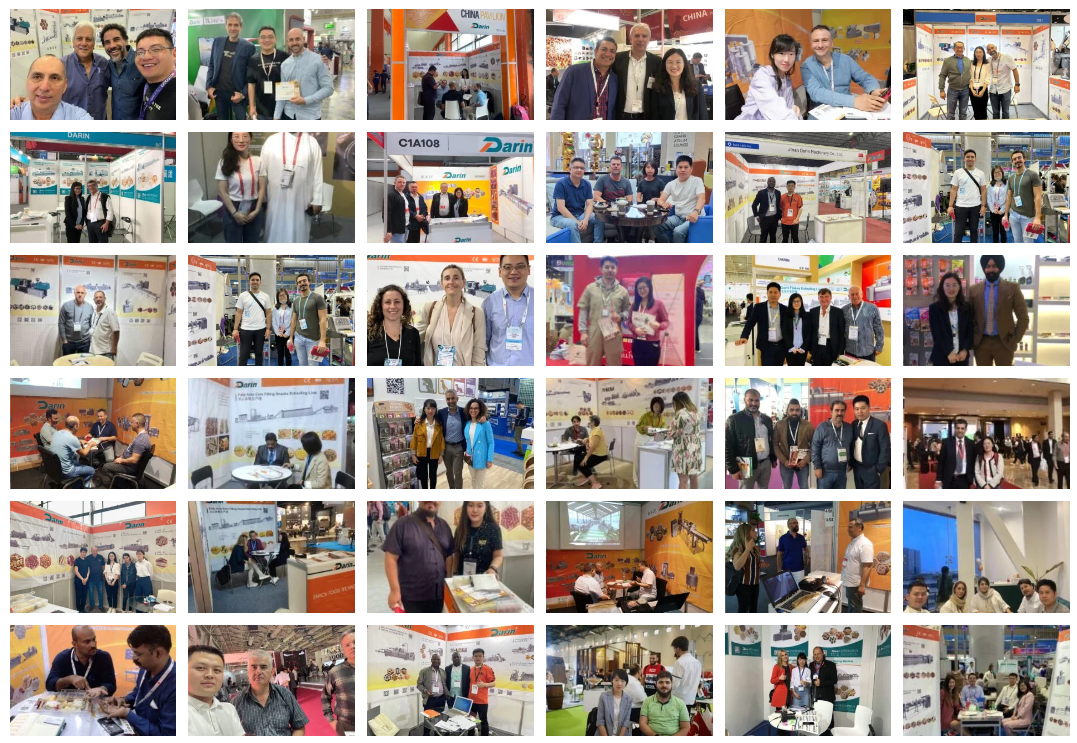
Keeping automation, quality and service in mind, always based on the diverse needs ofcustomers, Darin will be dedicated to providing clients with satified product and full life after salesservice.
let’s talk about how we can help you achieve your goals and take your business to increase !
Tell us as specific as possible of your needs.
We will work on the best solution & quote according to your requirements.
We will start production after getting your approval and deposit, and we will handle the shipment.
· Don’t worry, we hate spam too !
· Call only when multiple emails unanswered !
We use cookies to improve your experience on our site. By using our site, you consent to cookies.
Manage your cookie preferences below:
Essential cookies enable basic functions and are necessary for the proper function of the website.
Google Tag Manager simplifies the management of marketing tags on your website without code changes.
Statistics cookies collect information anonymously. This information helps us understand how visitors use our website.
Clarity is a web analytics service that tracks and reports website traffic.
Service URL: clarity.microsoft.com (opens in a new window)
Google Analytics is a powerful tool that tracks and analyzes website traffic for informed marketing decisions.
Service URL: policies.google.com (opens in a new window)
Marketing cookies are used to follow visitors to websites. The intention is to show ads that are relevant and engaging to the individual user.
Facebook Pixel is a web analytics service that tracks and reports website traffic.
Service URL: www.facebook.com (opens in a new window)
You can find more information in our Cookie Policy and .
Quick Contact