Kibble is one of the most widely used pet foods in the world—yet many pet owners, new manufacturers, and even some distributors don’t fully understand what kibble actually is, how it is made, or what makes one product better than another. This lack of clarity often leads to choosing the wrong formulas, storing kibble improperly, or even investing in the wrong type of production equipment. Fortunately, the solution is simple: understanding the fundamentals of kibble production helps both pet owners and industry users make smarter decisions. That’s exactly what this article aims to deliver.
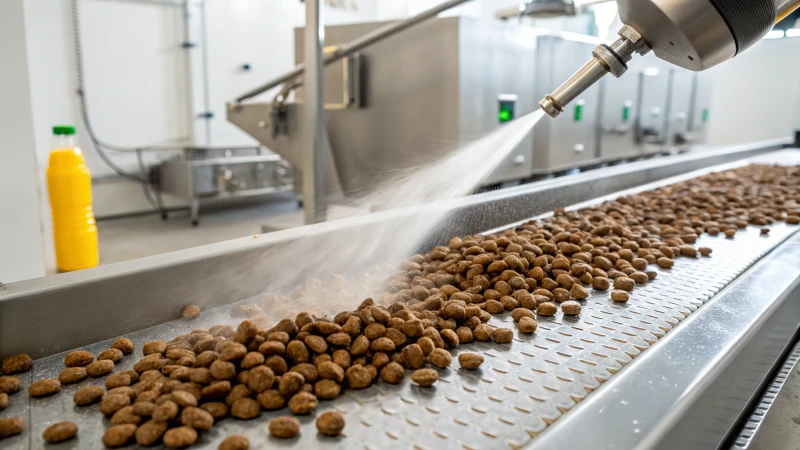
Kibble is a type of dry pet food made by mixing ingredients into a dough, cooking it through extrusion or baking, shaping it into small bite-sized pieces, drying it for shelf stability, and coating it with fats and palatants for aroma and nutrition.
Many people stop at the simple idea of “dry food,” but kibble is a highly engineered product with specific physical, nutritional, and functional requirements. In the next sections, we will explore how kibble works, how it is manufactured, what ingredients go into it, and what makes premium kibble different from low-cost options. Keep reading to grasp the complete picture—whether for personal understanding or for industrial investment.
Below is a complete breakdown of kibble from a practical, user-focused, and technical perspective, bringing together insights from pet nutrition science and professional manufacturing experience at Darin Machinery.
Kibble is simply raw meat that has been dried.False
Kibble is not made from raw meat alone; it is a formulated mixture that is cooked, shaped, dried, and coated through specialized industrial processes.
Understanding Kibble in Depth
What Exactly Is Kibble?
Kibble is a shelf-stable, dry pet food made for dogs, cats, and other companion animals. It typically contains 8–12% moisture, making it easy to store, transport, and preserve without refrigeration. To achieve this stability, kibble undergoes intensive thermal and mechanical processing, usually through extrusion, which gelatinizes starches, denatures proteins, and creates a porous structure that allows proper drying and coating.
Why Kibble Became the Global Standard
Kibble is popular for several reasons:
- Convenience: No refrigeration required.
- Economical: Cheaper than wet food or raw diets.
- Long Shelf Life: Often 12–18 months.
- Nutritionally Complete: Formulated per AAFCO/FEDIAF standards.
- Manufacturing Scalability: Easy for factories to produce consistently.
For manufacturers, kibble offers efficient production economics. For pet owners, it offers simplicity and dependability.
Composition of Kibble: What’s Inside?
Kibble is not random ingredients pressed together. It is a carefully designed formulation made for digestibility, stability, and palatability.
Common Kibble Ingredients
| Ingredient Category | Examples | Function |
|---|---|---|
| Protein Sources | Chicken meal, beef meal, fish meal | Muscle growth, immune support |
| Carbohydrates & Starches | Corn, rice, wheat, potato, peas | Energy + necessary for extrusion expansion |
| Fats & Oils | Chicken fat, salmon oil, beef tallow | Energy, skin & coat health |
| Fibers | Beet pulp, cellulose | Digestion & stool quality |
| Vitamins & Minerals | A, D, E, B-complex, Ca, P | Complete nutrition |
| Additives | Palatants, antioxidants, probiotics | Flavor, preservation, health support |
A good kibble formula balances digestibility, cost, sensory appeal, and compliance with nutrition standards.
How Kibble Is Made: A Quick Technical Overview
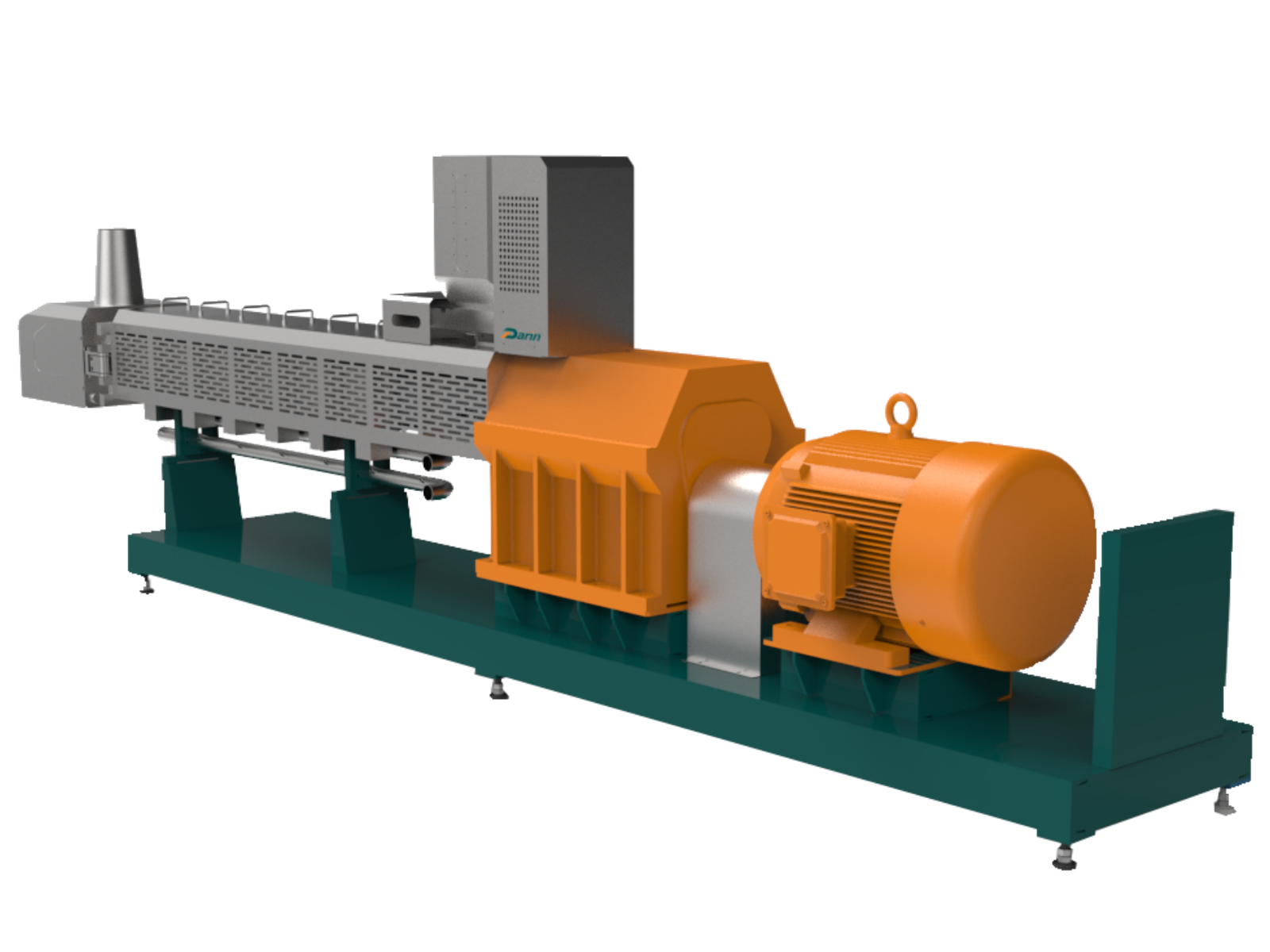
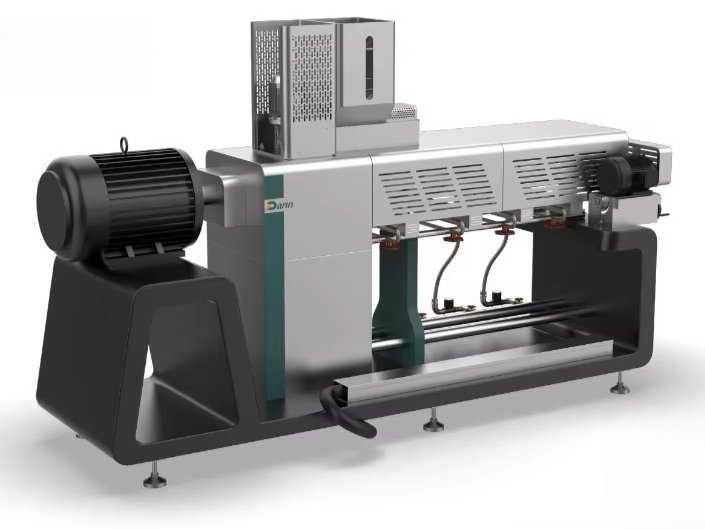
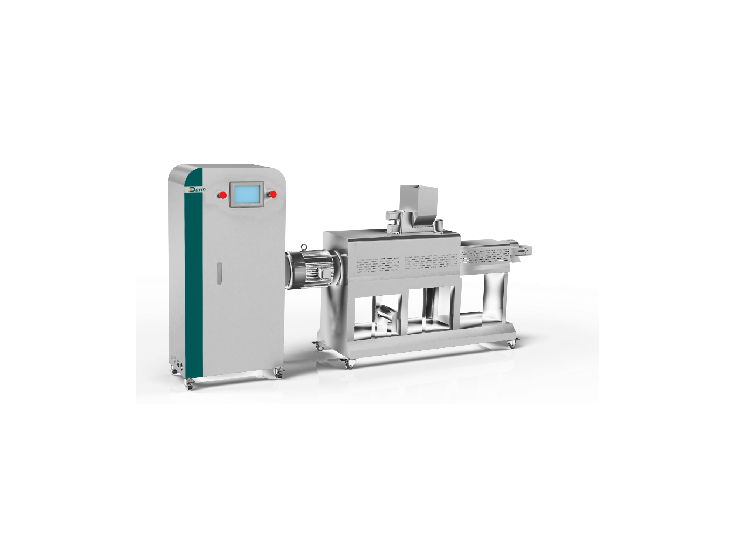
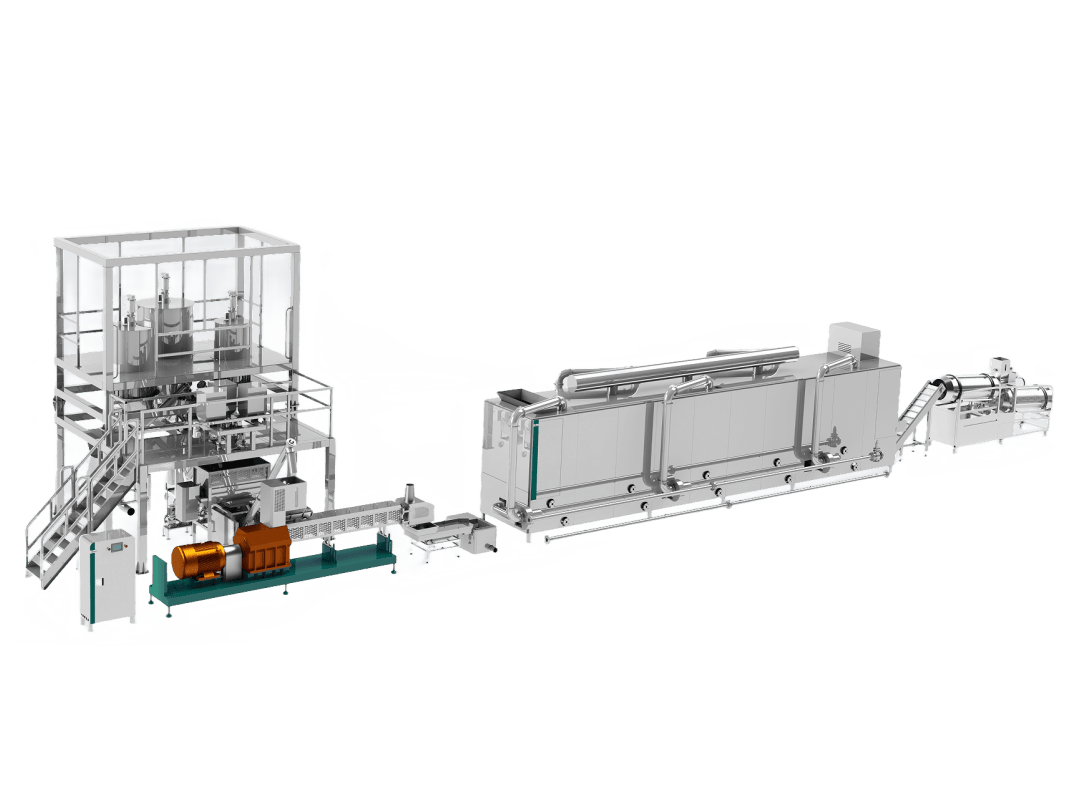
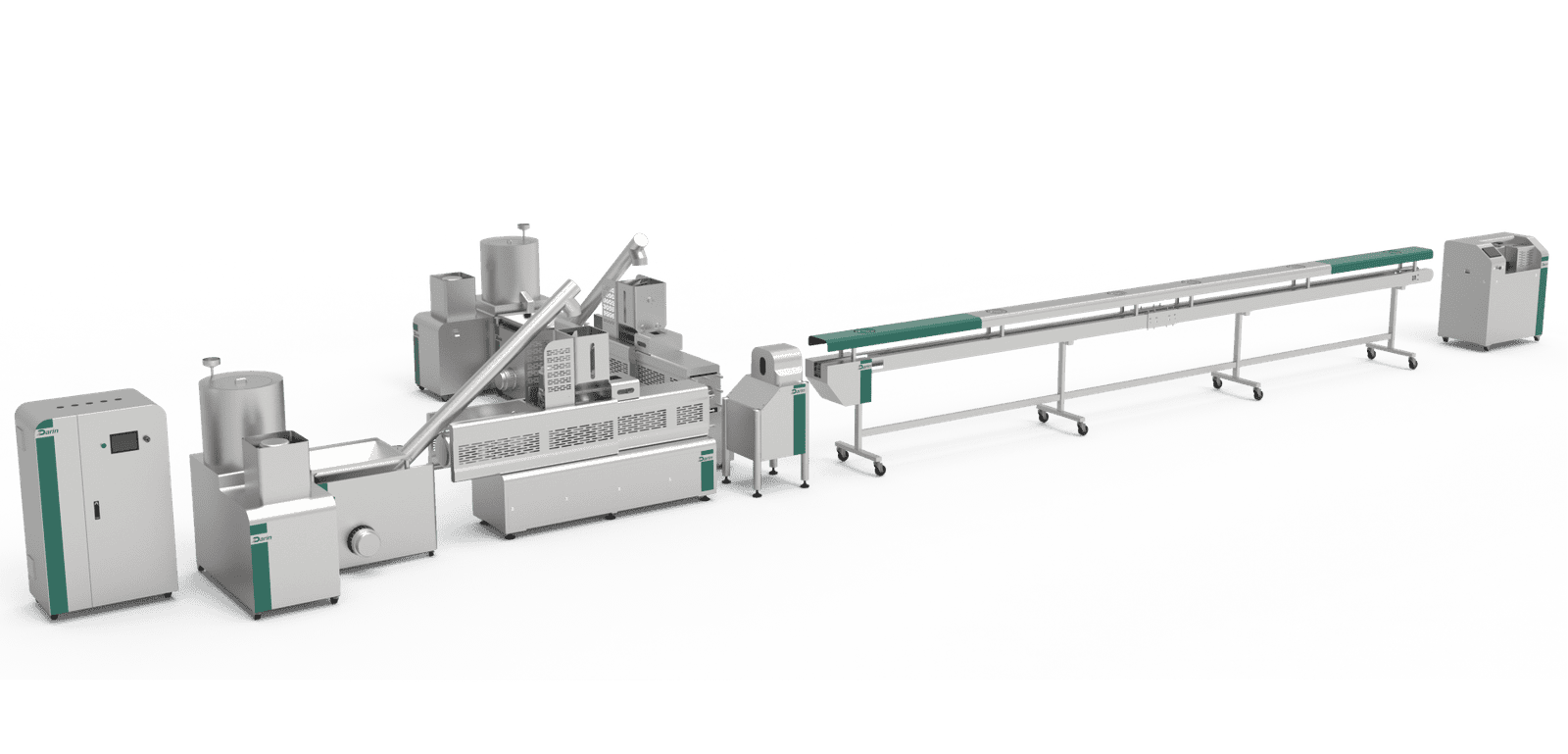
To fully understand kibble, you must understand extrusion, the core industrial process that creates it. Darin Machinery specializes in this technology, and here is how it works on a simplified level:
Kibble Production Workflow
| Step | Process Stage | Description |
|---|---|---|
| 1 | Ingredient Mixing | Dry ingredients + fresh ingredients blended evenly |
| 2 | Dosing & Preconditioning | Steam and water added to begin cooking |
| 3 | Extrusion Cooking | High temperature & pressure cook dough and expand it |
| 4 | Cutting & Shaping | Kibble is cut into uniform pieces |
| 5 | Drying | Moisture reduced to 8–12% |
| 6 | Coating | Fats & palatants added for aroma and flavor |
| 7 | Cooling & Packaging | Product stabilized and packed for shipment |
This process ensures food safety, nutrient digestibility, and structural strength.
Why Extrusion Is Essential for Kibble
Extrusion is not simply shaping the food. It fundamentally transforms the ingredients. The high-pressure environment causes:
Key Extrusion Transformations
- Starch Gelatinization → improves digestibility and kibble expansion.
- Protein Denaturation → enhances digestibility and structural stability.
- Microbial Kill Step → ensures safety from pathogens.
- Porous Structure Creation → allows fats to coat and absorb evenly.
- Uniform Shape & Density → important for packaging and feeding consistency.
Without extrusion, kibble would not be able to achieve its familiar crunchy texture or shelf stability.
Types of Kibble
There are several categories based on shape, nutrition, and processing:
1. Standard Extruded Kibble
Most common type; economical and highly scalable.
2. Baked Kibble
Uses baking ovens instead of extrusion; more expensive, denser texture.
3. Air-Dried Kibble
Low-temperature dehydration; premium but costly.
4. Freeze-Dried Kibble
Lightweight, nutrient-preserving, very expensive.
5. Cold-Pressed Kibble
Lower temperature processing for specific nutrition philosophies.
Each has different production equipment and cost requirements.
What Determines Kibble Quality?
Manufacturers often market “high protein,” “grain-free,” “premium meat,” or “no artificial additives” kibble. But to judge quality properly, you must evaluate:
Key Indicators of High-Quality Kibble
- Real meat meals as first ingredients
- Highly digestible carbohydrates
- Controlled ash content
- Balanced omega fats
- Stable vitamin retention
- High palatant absorption
- Low filler content
- Transparent labeling
- Compliance with AAFCO or FEDIAF
Premium kibble is engineered with better raw materials and more refined processing.
Storage and Shelf Life
Kibble’s long shelf life is one of its major advantages—but it still requires proper handling.
How to Store Kibble Correctly
- Keep it in an airtight container
- Avoid heat, humidity, and direct sunlight
- Use within 4–6 weeks after opening
- Don’t mix new and old batches
- Keep original bag for batch & recall info
How Long Does Kibble Last?
- Unopened: 12–18 months
- Opened: Ideally within 4–6 weeks
Fat oxidation and palatant degradation occur once the bag is opened.
Benefits of Kibble
For Pets:
- Supports dental abrasion
- Provides consistent nutrition
- Easy to portion and digest
For Owners:
- Affordable
- Clean handling
- Long-lasting
For Manufacturers:
- High-volume production
- Good cost control
- Broad market demand
Challenges and Limitations
Despite its advantages, kibble also has limitations:
- Lower moisture than fresh or canned foods
- Some pets may prefer wet food flavors
- Quality varies significantly between brands
- Grain-free products may still contain high starch levels
Balanced formulation is essential to avoid nutritional gaps.
Kibble in the Pet Food Industry
Kibble production is one of the world’s largest pet food sectors, representing over 70% of global dog food sales. Extrusion lines, dryers, and coating systems are in high demand, and the global trend shows:
Industry Trends
- Premium kibble growth
- Human-grade ingredients
- Limited-ingredient recipes
- High-meat formulations
- Functional kibble (joint care, skin health)
- Sustainable protein sources (insect meals, legumes)
Manufacturers continue to innovate to meet evolving consumer expectations.
Summary
Kibble is far more than just “dry pet food.” It is a precisely engineered, nutritionally balanced, thermally processed product designed for safety, digestibility, convenience, and affordability. From extrusion cooking to fat coating, every step is controlled to create consistent results that meet global standards.
Understanding kibble helps owners choose better products and helps manufacturers improve quality, efficiency, and market competitiveness.
Want to Produce High-Quality Kibble? Contact Darin Machinery
If you are planning to start or upgrade a kibble production line—whether small-scale or industrial—Darin Machinery offers complete, turnkey pet food extrusion systems with precise control, high output, and global support.
We’re here to help you build a reliable, profitable kibble manufacturing business.