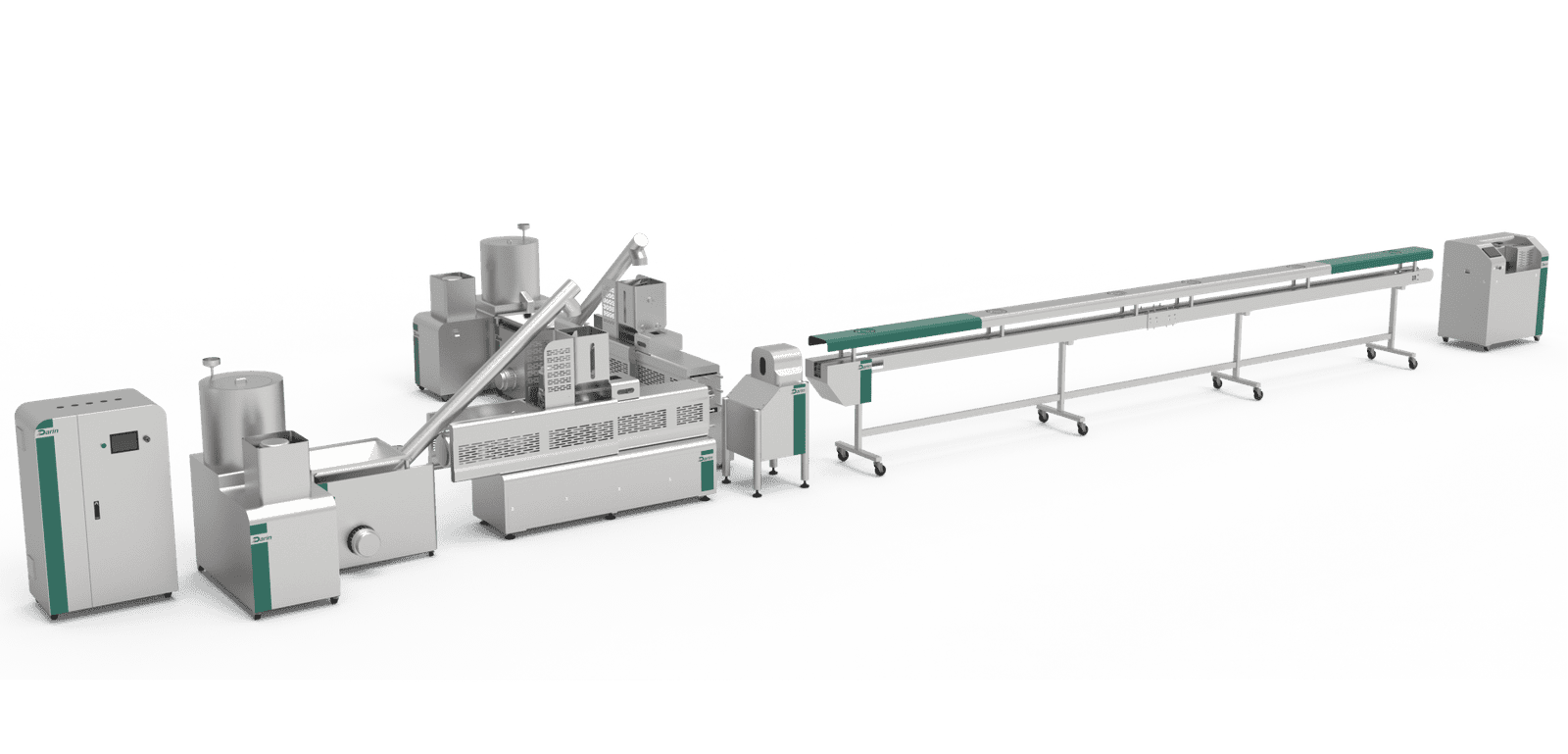

Most dog owners feed their pets daily without questioning the hidden complexity of what’s inside that bag of kibble or can of wet food. The pain point is clear: choosing the wrong formula may expose dogs to poor-quality fillers, low-grade proteins, or artificial preservatives, which can lead to digestive issues, allergies, obesity, and even long-term organ stress. On the other hand, carefully formulated dog food can significantly improve a dog’s life span, coat quality, energy levels, and disease resistance. The solution begins with one essential step: understanding exactly what’s in dog food and how each ingredient works for or against your pet’s health.
Dog food is made up of six main categories of ingredients: proteins (from meat, poultry, fish, or plants), carbohydrates (grains or legumes), fats and oils (for energy and skin health), vitamins and minerals (for metabolic and skeletal support), functional additives and supplements (such as probiotics or glucosamine), and preservatives (natural or artificial). The balance, quality, and source of these components determine whether the food supports optimal health or merely fills the stomach.
To fully appreciate the complexity of canine diets, we need to dive deeper into each ingredient group, examining not only what they are but how they are sourced, processed, and regulated. This guide will also explain how modern dog food manufacturing—particularly extrusion and drying technology—ensures safety, digestibility, and consistency.
Dog food only contains meat and bones.False
In addition to animal protein, dog food contains carbohydrates, fats, vitamins, minerals, and often supplements for a balanced diet.
Grains in dog food are always harmful to dogs.False
Grains like rice and oats can provide digestible energy and fiber. Issues mainly arise with low-quality fillers or dogs with specific allergies.
The Six Main Categories of Dog Food Ingredients
Before we go into full technical detail in the next steps, here is an overview of the essential building blocks in every type of dog food:
| Ingredient Category | Typical Sources | Primary Role in Dog Food |
|---|---|---|
| Proteins | Chicken, beef, lamb, fish, eggs, peas, lentils | Muscle growth, immune support, energy |
| Carbohydrates | Rice, corn, barley, oats, potatoes, chickpeas | Energy, fiber, digestive health |
| Fats & Oils | Chicken fat, beef tallow, flaxseed oil, salmon oil | Energy, vitamin absorption, skin & coat health |
| Vitamins & Minerals | Calcium, phosphorus, zinc, vitamin A, vitamin E | Bone strength, metabolic function, immunity |
| Additives & Supplements | Probiotics, taurine, glucosamine, antioxidants | Digestive health, heart support, joint care |
| Preservatives | Vitamin E (tocopherols), rosemary extract, BHA, BHT | Shelf-life stability, prevention of rancidity |
Proteins in Dog Food
Proteins are the single most scrutinized component of dog food because they form the foundation of canine nutrition. Unlike humans, who can thrive on a wider range of plant-heavy diets, dogs are facultative carnivores. This means their physiology is designed to thrive on animal proteins but can also utilize plant-based sources in moderation. The pain point is clear: many dog foods on the market claim “high protein” but differ drastically in the source, quality, digestibility, and amino acid composition. Pet owners who only look at the crude protein percentage on the label without understanding its origin may unknowingly feed their dogs food that appears nutritious on paper but lacks the essential amino acid profile required for health.
In dog food, protein primarily comes from animal-based sources such as chicken, beef, lamb, fish, and eggs, or plant-based proteins like peas, lentils, and soy. High-quality proteins provide essential amino acids that support muscle growth, immune health, and enzyme production. Poor-quality proteins, especially vague “by-product meals,” may contain indigestible parts with limited nutritional value. The effectiveness of protein in dog food depends on its biological value (amino acid completeness), digestibility, and processing method.
This is why protein is often the first ingredient listed in quality dog foods and the focal point of marketing campaigns. But real value lies not in the headline percentage, but in the quality and digestibility of the protein itself. Let’s look at how proteins in dog food are classified, evaluated, and used.
All proteins in dog food are equal.False
Proteins differ widely in digestibility and amino acid profiles. Animal proteins are generally more complete than plant-based proteins.
By-product meals are always harmful.False
Some by-products like organ meats are nutrient-rich, but vague labeling makes it hard for consumers to assess quality.
Animal-Based Protein Sources
Animal proteins remain the gold standard for canine diets due to their amino acid completeness and high digestibility.
| Protein Source | Common Form in Dog Food | Digestibility | Key Nutrients |
|---|---|---|---|
| Chicken | Fresh chicken, chicken meal, chicken by-product meal | High (85–95%) | Amino acids, B vitamins, selenium |
| Beef | Beef meal, fresh beef | Medium–High | Iron, zinc, energy |
| Lamb | Fresh lamb, lamb meal | Medium | Novel protein for allergies, B12 |
| Fish (Salmon, Tuna, Whitefish) | Fish meal, whole fish, fish oil | High | Omega-3s, iodine |
| Eggs | Dried egg product | Very High (up to 100%) | Highly bioavailable protein, lutein |
Egg protein is often used as the “biological value” benchmark (set at 100) against which other proteins are compared.
Plant-Based Protein Sources
Though dogs are not strictly herbivores, plant proteins have become more common in grain-free or cost-sensitive formulations.
| Plant Protein | Common Form | Benefits | Limitations |
|---|---|---|---|
| Soy | Soybean meal, soy protein isolate | Affordable, high protein concentration | May cause allergies, anti-nutrients |
| Peas | Pea protein, pea flour | Fiber, lysine content | Often incomplete amino acid profile |
| Lentils | Lentil flour | Energy + protein | Limited methionine |
| Potatoes | Potato protein | Easily digestible carbohydrate + protein | Low amino acid completeness |
Plant proteins are valuable for balancing formulas but should not be the sole protein source due to incomplete amino acid profiles.
Protein Quality Metrics
The pet food industry evaluates protein quality using two main benchmarks:
- Biological Value (BV): Measures how efficiently protein is converted into body tissue. Egg = 100, chicken \~92, beef \~78, soy \~67.
- Protein Digestibility Corrected Amino Acid Score (PDCAAS): Standardized by FAO/WHO, scoring proteins based on both digestibility and amino acid composition.
| Protein Source | Biological Value (BV) | PDCAAS |
|---|---|---|
| Egg | 100 | 1.00 |
| Chicken | 92 | 0.92 |
| Beef | 78 | 0.92 |
| Soy | 67 | 0.91 |
| Wheat Gluten | 64 | 0.25 |
From this, it’s clear why premium dog foods emphasize whole animal proteins and eggs, while economy brands may rely more on plant meals.
Protein Processing and Machinery Insights
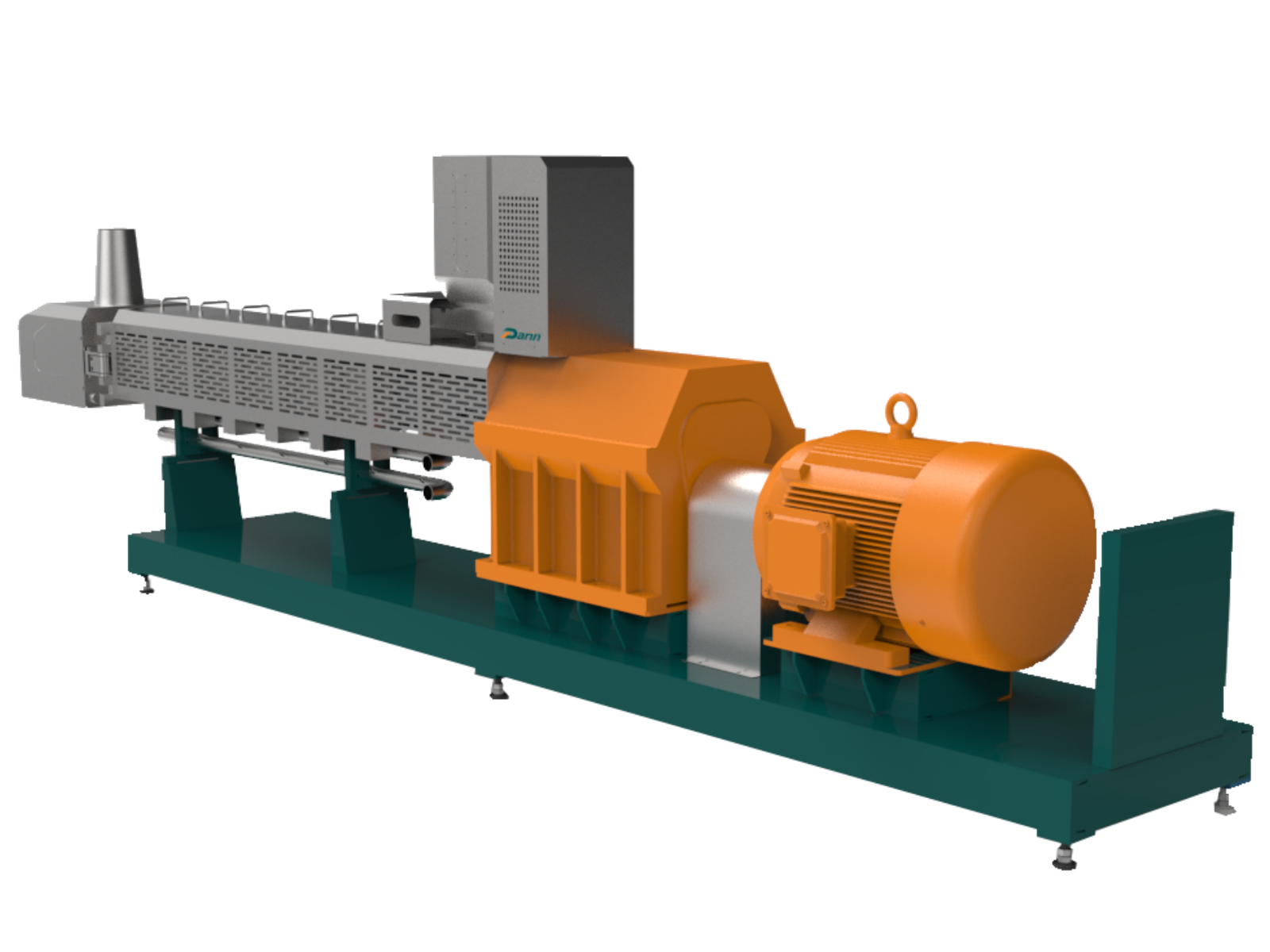
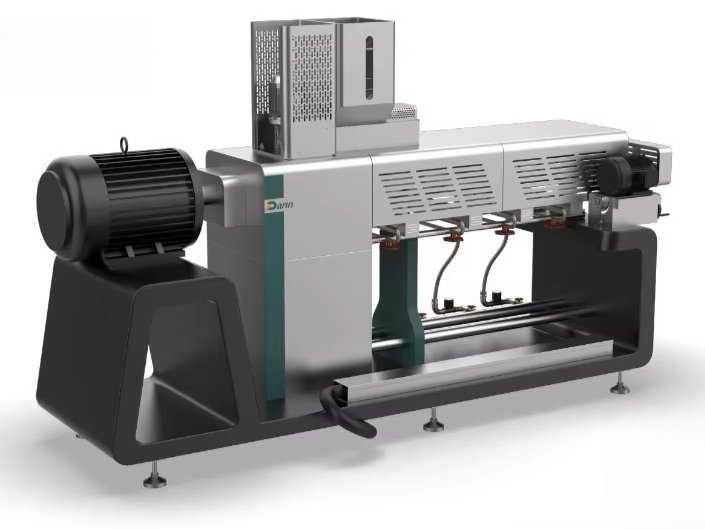
At Darin Machinery, we see firsthand how proteins behave during dog food production. Proteins undergo denaturation during extrusion, which improves digestibility but can reduce heat-sensitive amino acids like lysine. Our twin-screw extruders are designed to precisely control temperature, moisture, and pressure, ensuring proteins are cooked enough to eliminate pathogens without excessive nutrient loss. Additionally, fat and protein coatings are often applied post-extrusion to preserve amino acid integrity and enhance palatability.
By-Products: Controversy and Clarity
The phrase “by-product” is one of the most misunderstood terms in pet nutrition. By-products can range from high-value organ meats (liver, heart, kidneys) to low-value remnants (feathers, heads, feet).
- Pros: Organ meats provide vitamin A, iron, taurine, and essential fatty acids.
- Cons: Lack of transparency. If the label simply says “meat by-product meal” without naming the species, quality is questionable.
Premium brands often specify (“chicken liver meal”) while lower-cost foods use vague descriptions.
Case Example: Protein Profiles in Commercial Dog Food
| Dog Food Brand Type | % Crude Protein | Main Source | Digestibility | Transparency |
|---|---|---|---|---|
| Premium Grain-Inclusive | 28% | Chicken, fish meal | High | Clear (named meats) |
| Grain-Free Mid-Tier | 32% | Pea protein, lentils, chicken meal | Medium | Partially clear |
| Budget Brand | 20% | Meat by-product meal, corn gluten | Low–Medium | Vague labeling |
Carbohydrates & Grains in Dog Food
Carbohydrates are one of the most debated categories in dog food. Some owners see them as unnecessary fillers, while others recognize their role as a valuable source of energy and fiber. The pain point here is that poorly chosen or overly abundant carbohydrates can contribute to obesity, diabetes, and digestive problems in dogs. On the other hand, when carefully selected and processed, carbs provide essential energy for active pets, regulate gut health, and help bind kibble during extrusion. The key is balance and quality—not elimination.
Carbohydrates in dog food come from grains (rice, oats, barley, corn, wheat) and grain alternatives (potatoes, peas, lentils, chickpeas). They provide energy, fiber, and essential nutrients, while also playing a functional role in kibble structure. Not all carbs are harmful—digestibility, source, and processing determine whether they benefit or burden a dog’s health.
This is why carbohydrates remain central to dog food formulation. They not only fuel daily activity but also influence palatability, stool consistency, and long-term weight management. Understanding which carbs are beneficial and which are questionable is crucial for pet owners and food manufacturers alike.
Dogs do not need carbohydrates at all.False
While dogs can survive without carbs, digestible carbohydrates provide efficient energy and aid digestive health.
Grain-free diets are always healthier for dogs.False
Grain-free diets can be useful for dogs with allergies, but they often replace grains with legumes or potatoes, which may have their own drawbacks.
Grain-Based Carbohydrates
Grains have been used in dog food for decades, both for their nutritional and functional roles.
| Grain Source | Nutritional Contribution | Digestibility | Notable Notes |
|---|---|---|---|
| Rice (white, brown) | Energy, fiber, B vitamins | High | Hypoallergenic, commonly used in sensitive diets |
| Corn | Carbs, linoleic acid, antioxidants | Moderate | High energy, but controversial among pet owners |
| Wheat | Carbs, protein, fiber | Moderate–High | May cause gluten sensitivity in some dogs |
| Oats | Fiber, beta-glucans, B vitamins | High | Supports digestive health |
| Barley | Fiber, trace minerals | Medium | Slower digesting, good for weight control |
High-quality dog food manufacturers process grains (cooking, extrusion, milling) to make starches more digestible for dogs, who cannot efficiently process raw grains.
Grain-Free Alternatives
The rise of grain-free diets has shifted focus toward legumes and tubers.
| Alternative Carbohydrate | Benefits | Limitations |
|---|---|---|
| Potatoes | Easily digestible starch | Low in protein, high glycemic index |
| Sweet Potatoes | Rich in fiber & beta-carotene | Can raise blood sugar if overused |
| Peas | Added protein + fiber | Potential link to DCM (dilated cardiomyopathy) when overused |
| Lentils | Energy, iron, fiber | Anti-nutrients if not processed properly |
| Chickpeas | Protein + fiber | May cause gas/bloating |
These alternatives are valuable, but their inclusion must be balanced, particularly after studies linking excessive legume-heavy diets to possible canine heart issues.
Carbohydrates in Extrusion & Dog Food Manufacturing
From a manufacturing perspective, carbs play a functional role beyond nutrition:
- Starch Gelatinization: During extrusion, starches absorb water and heat, breaking down into digestible forms and helping shape kibble.
- Binding Agents: Carbohydrates bind proteins and fats, ensuring structural integrity of kibble.
- Palatability & Texture: Different starch levels affect crunch, density, and taste.
Darin Machinery’s twin-screw extruders are engineered to finely control starch gelatinization, ensuring high digestibility (over 90%) while maintaining consistent kibble shape and texture. This balance of function and nutrition is a critical step in production.
Digestibility Comparison of Carbohydrate Sources
| Carbohydrate | Raw Digestibility | Extruded Digestibility | Notes |
|---|---|---|---|
| Rice | Low (20–30%) | High (85–95%) | Easily digestible after extrusion |
| Corn | Very Low | Moderate (75–85%) | Processing improves nutrient access |
| Oats | Low | High (85–90%) | Retains fiber benefits |
| Potatoes | Low | High (90%+) | Quickly digestible after cooking |
| Lentils | Low | Moderate (70–80%) | Must be processed to reduce anti-nutrients |
This table shows why extrusion and processing are essential to transform raw carbs into digestible energy sources for dogs.
Case Example: Grain vs. Grain-Free Formulas
| Formula Type | % Carbohydrate Content | Main Carb Sources | Benefits | Limitations |
|---|---|---|---|---|
| Grain-Inclusive Premium | 35% | Rice, oats, barley | Digestible, balanced | May trigger allergies in rare cases |
| Grain-Free Mid-Tier | 38% | Potatoes, peas, lentils | Hypoallergenic, higher protein from legumes | Possible DCM risk if unbalanced |
| Low-Carb High-Protein | 25% | Sweet potatoes, chickpeas | Supports lean muscle | More expensive, may reduce kibble structure |
Carbohydrates are neither villains nor miracles in dog food—they are tools. When chosen wisely and processed correctly, they fuel active lifestyles, regulate digestion, and ensure kibble consistency. Poor-quality carbs, however, add empty calories and strain health.
Fats & Oils in Dog Food
Fats and oils are often misunderstood in dog nutrition. Many pet owners associate fats with weight gain or “unhealthy” calories, but in reality, fats are one of the most important nutrient groups in a dog’s diet. The real pain point lies in the imbalance: too little fat leads to poor skin and coat health, lack of energy, and vitamin deficiencies; too much or low-quality fat contributes to obesity, pancreatitis, and chronic disease. The solution is understanding which fats are essential, how they function, and how quality manufacturers like Darin Machinery help preserve their nutritional integrity during dog food production.
Fats in dog food provide concentrated energy, aid in the absorption of fat-soluble vitamins (A, D, E, K), regulate inflammation, and maintain healthy skin and coat. Key sources include animal fats (chicken fat, beef tallow), marine oils (salmon oil, fish oil), and plant oils (flaxseed, sunflower, canola). The balance between omega-3 and omega-6 fatty acids is critical, as an imbalance may contribute to chronic inflammation and disease.
Fats are not only “fuel” but also a cornerstone of palatability, aroma, and texture in dog food, making them both a nutritional and sensory powerhouse.
Dogs don’t need fat in their diet.False
Dogs require essential fatty acids for energy, skin health, brain function, and absorption of fat-soluble vitamins.
All fats in dog food are harmful.False
Healthy fats from animal and plant sources are vital; only excessive or poor-quality fats cause problems.
Types of Fats in Dog Food
1. Animal Fats
Animal fats are highly palatable and energy-dense.
| Source | Role | Benefits | Considerations |
|---|---|---|---|
| Chicken Fat | Primary kibble coating fat | Rich in linoleic acid (omega-6) | Can oxidize if not preserved |
| Beef Tallow | Flavor enhancer | High energy | Saturated fat, limited EFAs |
| Pork Fat | Adds palatability | Supports calories | Should be limited in obese-prone dogs |
2. Marine Oils
Fish oils provide essential omega-3 fatty acids (EPA, DHA).
| Source | Role | Benefits | Considerations |
|---|---|---|---|
| Salmon Oil | Brain & coat health | High in EPA/DHA | Prone to rancidity without antioxidants |
| Fish Oil Blends | Anti-inflammatory | Supports joints & heart | Costlier ingredient |
| Krill Oil | Omega-3 + astaxanthin | Antioxidant & brain support | Premium cost, less common |
3. Plant Oils
Vegetable oils help balance fatty acid ratios.
| Source | Benefits | Limitation |
|---|---|---|
| Flaxseed Oil | Omega-3 (ALA), skin & coat health | ALA must convert to EPA/DHA, less efficient |
| Sunflower Oil | Omega-6, vitamin E | Excess omega-6 can cause imbalance |
| Canola Oil | Balanced omega-3/6, affordable | Lower consumer appeal vs. “premium” oils |
Essential Fatty Acids (EFAs)
Dogs cannot synthesize certain fatty acids, making them “essential” in diets:
- Omega-6 (Linoleic Acid): Supports skin barrier, reproduction, immune function.
- Omega-3 (EPA & DHA): Anti-inflammatory, critical for cognitive development, joint health, and heart health.
The ideal omega-6 to omega-3 ratio is often between 5:1 and 10:1 in dog food. Poor formulations skew toward omega-6 dominance, fueling chronic inflammation.
Fats in Extrusion & Manufacturing
Fats are highly sensitive to processing. Excessive heat and exposure to oxygen during extrusion can cause oxidation, leading to rancidity and nutrient loss. At Darin Machinery, our process uses two main strategies:
- Post-Extrusion Coating: Instead of mixing fats into the dough, they are sprayed on kibble after extrusion, preserving omega-3 and volatile nutrients.
- Antioxidant Stabilization: Natural antioxidants like tocopherols (Vitamin E) or rosemary extract are applied to prevent oxidation, avoiding controversial artificial preservatives like BHA or BHT.
This dual system ensures fats remain stable, palatable, and nutritionally intact.
Energy Contribution of Fats vs. Other Nutrients
| Nutrient | Energy Provided (kcal/g) | Role |
|---|---|---|
| Protein | 4 kcal/g | Muscle repair, enzymes |
| Carbohydrate | 4 kcal/g | Quick energy, fiber |
| Fat | 9 kcal/g | Long-lasting energy, vitamin absorption |
This explains why working dogs, sled dogs, and highly active breeds thrive on high-fat diets, while sedentary dogs must have controlled fat intake to prevent weight gain.
Case Example: Fat Profiles in Dog Food
| Food Type | % Fat Content | Main Fat Sources | Fatty Acid Balance |
|---|---|---|---|
| Puppy Formula | 14–18% | Chicken fat, salmon oil | Omega-3 enriched for brain development |
| Adult Maintenance | 10–15% | Poultry fat, flaxseed oil | Balanced 6:3 ratio |
| Working Dog | 18–22% | Beef tallow, fish oil | High fat for endurance |
| Senior Formula | 8–12% | Plant oils, fish oil | Lower fat, added DHA for cognitive support |
Fats are not the enemy—they are a critical nutrient. The key lies in sourcing, balancing omega fatty acids, and preserving stability during processing. With proper formulation and machinery handling, fats transform from a risk factor into a performance enhancer.
Vitamins & Minerals in Dog Food
Vitamins and minerals may make up only a small percentage of dog food formulas, but their importance is enormous. The pain point is that deficiencies or imbalances in these micronutrients often go unnoticed until they manifest as serious health problems—weak bones, poor immunity, impaired vision, or chronic fatigue. Unlike macronutrients (proteins, fats, carbs) that provide calories, vitamins and minerals act as the biochemical spark plugs of a dog’s body. Without them, no amount of protein or fat can sustain proper growth, development, and health.
Dog food must contain carefully measured vitamins and minerals, either naturally from whole ingredients or via supplementation premixes, to ensure a “complete and balanced” diet as defined by AAFCO or FEDIAF standards. Key vitamins include A, D, E, K (fat-soluble) and B-complex, C (water-soluble), while essential minerals include calcium, phosphorus, magnesium, potassium, zinc, and iron. Deficiencies lead to skeletal, immune, and metabolic problems; excesses can also be toxic.
This is why every reputable dog food formula undergoes strict nutrient profiling against established nutritional guidelines. At Darin Machinery, we see firsthand how fortification and mixing technology are critical to ensuring even distribution and nutrient stability throughout each kibble batch.
Dogs can make all vitamins in their body, so they don’t need them in food.False
Dogs synthesize some vitamins (like Vitamin C in small amounts) but require most vitamins, especially A, D, E, K, and B-complex, from food.
Mineral supplements in dog food are always harmful.False
Minerals are essential for bone, heart, and metabolic health. Only excess or imbalance leads to harm.
Key Vitamins in Dog Food
| Vitamin | Type | Function in Dogs | Deficiency Symptoms | Excess Risks |
|---|---|---|---|---|
| Vitamin A | Fat-soluble | Vision, skin, immune health | Night blindness, skin issues | Liver toxicity |
| Vitamin D | Fat-soluble | Calcium absorption, bone strength | Rickets, weak bones | Hypercalcemia, kidney damage |
| Vitamin E | Fat-soluble | Antioxidant, muscle function | Muscular weakness, infertility | Rare (very high doses) |
| Vitamin K | Fat-soluble | Blood clotting | Bleeding disorders | Uncommon |
| Vitamin B1 (Thiamine) | Water-soluble | Energy metabolism, nerve health | Seizures, loss of appetite | Generally safe |
| Vitamin B2 (Riboflavin) | Water-soluble | Enzyme function, energy | Poor coat, weakness | Safe |
| Vitamin B12 | Water-soluble | Nerve function, red blood cells | Anemia, lethargy | Safe |
| Vitamin C | Water-soluble | Antioxidant, collagen synthesis | Rare (dogs synthesize some) | Safe in moderate doses |
Key Minerals in Dog Food
| Mineral | Function in Dogs | Deficiency Symptoms | Excess Risks |
|---|---|---|---|
| Calcium | Bone & teeth strength | Weak skeleton, fractures | Skeletal deformities (puppies) |
| Phosphorus | Bone, energy metabolism | Poor growth, rickets | Kidney damage |
| Potassium | Heart, muscle contraction | Weakness, arrhythmias | Hyperkalemia |
| Magnesium | Nerve & muscle function | Tremors, seizures | Rare but possible diarrhea |
| Iron | Hemoglobin formation | Anemia, pale gums | Toxicity, especially in puppies |
| Zinc | Skin health, wound healing | Dermatitis, poor growth | Vomiting, immune suppression |
| Copper | Enzyme activity, pigmentation | Anemia, coat color fading | Liver disease |
| Selenium | Antioxidant role | Muscular dystrophy | Hair loss, nail problems |
Vitamin & Mineral Premixes in Manufacturing
Most vitamins and minerals in dog food do not come directly from raw ingredients but are added via nutrient premixes. These are carefully formulated blends of vitamins and chelated minerals added in small, precise amounts during mixing.
- Micro-dosing: Even a few milligrams per kg of food can make the difference between deficiency and toxicity.
- Uniform Distribution: Darin Machinery’s ribbon blenders and extruder pre-mixers ensure micronutrients are evenly spread throughout the batch.
- Stability: Vitamins like A, D, and C degrade easily during heat processing. To counter this, overages (extra amounts) are added to ensure that after extrusion, the final kibble still meets nutritional guarantees.
Stability & Processing Challenges
During extrusion and drying, vitamins and minerals face several challenges:
- Heat Sensitivity: Vitamins A, E, and C are easily destroyed at high temperatures.
- Oxidation: Minerals like iron and copper can trigger oxidation of fats, reducing shelf-life.
- Moisture Interaction: Certain vitamins lose potency if exposed to moisture for too long.
To solve these issues, Darin Machinery’s process employs:
- Post-extrusion application: Sensitive vitamins and oils can be coated after extrusion.
- Encapsulation technology: Protects vitamins from heat and oxidation by enclosing them in a protective matrix.
Case Example: Vitamin & Mineral Profiles in Dog Food
| Formula Type | Added Vitamins | Added Minerals | Key Focus |
|---|---|---|---|
| Puppy Growth Formula | A, D, E, B-complex | Calcium, phosphorus, zinc | Bone development, immune growth |
| Adult Maintenance | A, E, K, B12 | Magnesium, iron, copper | Balanced metabolism |
| Senior Formula | C, E (antioxidants), B-complex | Selenium, zinc | Joint, cognitive & immune support |
| Veterinary Prescription | Tailored to condition | Varies (low phosphorus for kidney care) | Medical nutrition |
Vitamins and minerals may not add flavor or visible bulk to dog food, but they are the difference between survival and thriving. Without them, even the highest protein, fat, and carb levels cannot sustain true health.
Additives & Supplements in Dog Food
Beyond proteins, fats, carbs, vitamins, and minerals, modern dog food often contains a range of additives and supplements. Some are vital for preservation and nutrient stability, while others are included to enhance health, palatability, or appearance. The pain point is that not all additives are created equal—some are beneficial, like probiotics and joint-support supplements, while others, such as artificial colors or excessive flavor enhancers, add no real nutritional value. Pet owners who don’t understand these distinctions may unknowingly feed their dogs unnecessary or even harmful substances.
Dog food additives and supplements include natural preservatives, probiotics, prebiotics, antioxidants, palatants (flavor enhancers), and functional supplements like glucosamine, chondroitin, and taurine. Good formulations use these to support shelf-life, digestion, joint health, and heart function, while poor-quality products may rely on artificial colors, flavors, or controversial preservatives.
In premium dog foods, supplements are tailored to life stages or health conditions—puppy growth, senior mobility, or digestive balance—transforming basic nutrition into targeted wellness support.
All additives in dog food are harmful chemicals.False
Many additives are natural, such as tocopherols (Vitamin E) for preservation, or probiotics for gut health.
Flavor enhancers are always artificial in dog food.False
Many palatants are natural, like chicken liver coating or yeast extracts, not synthetic chemicals.
Categories of Additives & Supplements
1. Preservatives
Prevent fats from turning rancid and extend shelf-life.
| Type | Examples | Notes |
|---|---|---|
| Natural | Tocopherols (Vitamin E), rosemary extract, citric acid | Safe, widely used in premium foods |
| Artificial | BHA, BHT, ethoxyquin | Effective but controversial; linked to health concerns in long-term use |
2. Antioxidants
Protect both the food and the dog’s body from oxidative stress.
- Natural antioxidants: Vitamin E, Vitamin C, selenium.
- Functional role in dogs: Help neutralize free radicals, slow aging, support immunity.
3. Probiotics & Prebiotics
Support digestive health and immunity.
| Supplement | Function | Sources in Dog Food |
|---|---|---|
| Probiotics | Live beneficial bacteria for gut balance | Lactobacillus, Bifidobacterium |
| Prebiotics | Fiber compounds that feed good bacteria | Chicory root (inulin), beet pulp, MOS (mannan-oligosaccharides) |
Probiotics are delicate and often added post-extrusion to survive high processing temperatures.
4. Palatants (Flavor Enhancers)
Ensure dogs actually want to eat the food.
- Natural palatants: Chicken liver hydrolysate, fish digest, yeast extract.
- Artificial palatants: Synthetic flavoring agents (used less in premium foods).
Darin Machinery’s coating systems allow uniform application of palatants after extrusion, improving palatability without overdosing.
5. Functional Supplements
Target specific health needs.
| Supplement | Purpose | Typical Use in Dog Food |
|---|---|---|
| Glucosamine & Chondroitin | Joint support, cartilage repair | Senior & large-breed formulas |
| Taurine | Heart health, eye support | Grain-free diets, cardiac formulas |
| L-Carnitine | Fat metabolism, heart function | Weight control, senior diets |
| Omega-3 concentrates | Cognitive and skin health | Puppy & senior diets |
| Botanicals | Antioxidants, calming effects | Green tea extract, chamomile |
Additive Use in Manufacturing
Additives require precise handling in production:
- Heat-sensitive additives (probiotics, vitamins, enzymes) are applied post-extrusion through Darin Machinery’s vacuum coating system.
- Powdered additives (minerals, antioxidants) are blended during pre-mixing to ensure even distribution.
- Encapsulation technology protects sensitive compounds like probiotics or fish oil from oxidation and extrusion heat.
This ensures every kibble carries consistent functionality, not just a random dose.
Case Example: Additive Profiles in Dog Food
| Formula Type | Common Additives | Key Benefits |
|---|---|---|
| Puppy Formula | DHA, probiotics, antioxidants | Brain development, gut health |
| Senior Formula | Glucosamine, chondroitin, L-carnitine | Joint, mobility, heart support |
| Grain-Free Formula | Taurine, Omega-3 | Prevent DCM, skin & coat health |
| Sensitive Stomach | Prebiotics, probiotics, beet pulp | Gentle digestion |
The Controversy Around Additives
- Positive role: Natural preservatives, probiotics, functional nutrients directly improve food quality and health.
- Negative side: Artificial colors (red, yellow dyes) and unnecessary flavorings appeal to owners, not dogs. Dogs do not care about food color; these ingredients exist solely for marketing.
Premium brands focus on functional supplements and natural preservatives, while lower-tier brands may rely heavily on artificial additives for shelf-life and appearance.
Additives and supplements, when used responsibly, transform dog food from mere sustenance into a holistic health support system. They extend freshness, support the gut microbiome, protect joints, and even safeguard the heart.
Ingredient Quality & Labeling in Dog Food
When it comes to dog food, the label tells a story—but not always the full story. The pain point is that many dog owners assume that if a food has “high protein” or “chicken listed first,” it must be healthy. In reality, ingredient definitions, processing methods, and labeling tricks can make a product sound premium when it may be relying on vague or low-quality sources. Understanding ingredient quality and labeling is essential for making informed choices and avoiding marketing traps.
Ingredient quality in dog food depends on transparency (clear naming of meat sources), digestibility (whole meats vs. by-products), processing (meals vs. fresh ingredients), and legal labeling standards (AAFCO, FEDIAF). Labels must list ingredients by weight, but fresh meats with high water content may appear first even if the formula contains less protein than meals. “By-product meal” can mean nutrient-rich organ meat—or low-value parts. Premium foods use named, species-specific ingredients with clear labeling, while low-tier products use vague terms that obscure quality.
This makes labeling literacy one of the most powerful tools for pet owners. By learning to read past marketing buzzwords, you can differentiate between high-quality formulations and cleverly disguised filler-heavy foods.
If chicken is the first ingredient, the food must be high-quality.False
Fresh chicken contains up to 70% water, so its true protein contribution may be less than chicken meal listed further down.
Meat meal always means poor quality.False
When specified (e.g., 'chicken meal'), meat meals can be highly concentrated protein sources; problems arise with vague, unspecified meals.
Labeling Tricks to Watch Out For
- Ingredient Splitting: Manufacturers divide a single ingredient (e.g., corn into “corn gluten,” “corn meal,” “corn flour”) so that meat appears higher on the label.
- Fresh Meat Illusion: Listing “fresh chicken” as the first ingredient can be misleading since water weight skews placement. After cooking, meat may shrink significantly.
- Vague Terms: “Meat by-product meal” or “animal fat” hides the actual species, raising concerns about digestibility and safety.
- Marketing Buzzwords: Words like “holistic,” “natural,” or “premium” are not legally defined—nutrient profiles matter more than slogans.
Ingredient Labeling Standards
AAFCO (USA)
- Requires ingredients listed by weight, descending order.
- “Meal” must be rendered product, dried and ground.
- “By-products” can include organ meats, but not hair, hooves, horns, or intestinal contents.
FEDIAF (EU)
- Stronger emphasis on ingredient traceability.
- More transparency required on additives.
Whole Meat vs. Meat Meal
| Ingredient Type | Protein Density | Water Content | Pros | Cons |
|---|---|---|---|---|
| Fresh Meat (e.g., Chicken) | 18–22% | \~70% | Highly palatable, natural | Loses volume after cooking |
| Meat Meal (e.g., Chicken Meal) | 60–70% | <10% | Concentrated protein | Quality varies by source |
| By-Product Meal | 40–60% | <10% | Organ meats can be nutrient-rich | Vague labeling can hide poor quality |
This table illustrates why premium brands often combine fresh meat (palatability) with meat meals (protein density).
Transparency in Labeling: Premium vs. Budget
| Dog Food Type | Label Example | Transparency | Likely Quality |
|---|---|---|---|
| Premium | “Chicken, chicken meal, brown rice, salmon oil” | High (named meats, species-specific) | Good digestibility, balanced nutrients |
| Mid-Tier | “Chicken, pea protein, potato starch, chicken fat” | Medium (some plant proteins replacing meat) | Balanced but plant-heavy |
| Budget | “Meat by-product meal, corn gluten, animal fat” | Low (vague, unspecified sources) | Highly variable, lower digestibility |
Manufacturing Perspective
At Darin Machinery, we stress to clients that ingredient quality and consistency are as important as the machines themselves. High-quality extrusion can only preserve what is put in. If vague by-product meals or oxidized fats enter the system, the final kibble cannot be nutritionally superior. Our process ensures that ingredient batches are traceable, uniform, and evenly mixed, which helps maintain label accuracy and consumer trust.
Case Example: Ingredient Labeling in Practice
Two bags of food may both say “30% crude protein,” yet:
- Brand A: 30% from “chicken meal + fresh chicken” (highly digestible).
- Brand B: 30% from “corn gluten + pea protein + meat by-product meal” (less digestible, incomplete amino acids).
The crude protein percentage looks the same, but the dog’s body will absorb and utilize Brand A far more efficiently.
Labeling and ingredient quality are the real dividing line between premium and budget dog foods. Owners who learn to read beyond the front-of-bag slogans will make healthier choices for their pets.
Wet vs. Dry vs. Alternative Diets in Dog Food
One of the biggest sources of confusion for pet owners is not just what ingredients are in dog food, but how those ingredients differ across food types—kibble, canned, semi-moist, raw, freeze-dried, or air-dried. The pain point is that owners often assume all dog foods are nutritionally equivalent, when in fact, processing methods and moisture content dramatically affect nutrient density, digestibility, storage, and cost. Choosing the wrong format without considering a dog’s lifestyle, health, and nutritional needs can result in underfeeding, overfeeding, or digestive problems.
The type of dog food—dry (kibble), wet (canned), or alternative diets (raw, freeze-dried, air-dried, semi-moist)—determines not only the ingredient composition but also how nutrients are preserved, how palatable the food is, and how convenient it is for storage and feeding. Dry foods often rely on grains or starches to form kibble, while wet foods contain higher meat and water content. Alternative diets reduce processing but require strict safety controls.
This is why pet owners should look beyond the brand and focus on the form of food itself—each has pros, cons, and specific use cases.
Dry food always contains more nutrients than wet food.False
Dry food is more nutrient-dense per gram, but wet food often has higher meat content and better palatability.
Raw food is always healthier for dogs.False
Raw diets may preserve nutrients but carry risks of bacterial contamination if not processed safely.
Dry Food (Kibble)
The most common format worldwide, kibble is produced through extrusion and drying.
| Aspect | Details |
|---|---|
| Moisture | 8–12% |
| Main Ingredients | Meat meals, grains or starches, fats, premixes |
| Pros | Shelf-stable, cost-effective, easy to store, dental benefits |
| Cons | Requires starch binders, more processing, may use meals vs. whole meat |
Manufacturing note: Darin twin-screw extruders ensure starch gelatinization and uniform kibble structure while maintaining digestibility. Post-extrusion coating enhances palatability.
Wet Food (Canned)
Canned or pouched foods are cooked under high pressure for sterility.
| Aspect | Details |
|---|---|
| Moisture | 70–80% |
| Main Ingredients | Fresh meat, organ meats, water, gelling agents |
| Pros | Highly palatable, higher meat content, good hydration |
| Cons | Heavier, costlier, shorter shelf life after opening |
Wet food often appeals to picky eaters and senior dogs due to its aroma and texture.
Semi-Moist Food
Semi-moist diets sit between kibble and canned.
| Aspect | Details |
|---|---|
| Moisture | 20–35% |
| Main Ingredients | Meat products, cereals, sugar, preservatives |
| Pros | Soft texture, convenient feeding |
| Cons | Often high in salt/sugar, less common today due to health concerns |
Raw Diets (Commercial or Homemade)
Raw feeding has grown in popularity but comes with safety considerations.
| Aspect | Details |
|---|---|
| Moisture | 65–75% |
| Main Ingredients | Raw meat, organs, bones, vegetables |
| Pros | Minimal processing, high palatability, nutrient retention |
| Cons | Bacterial contamination (Salmonella, E. coli), nutrient imbalances if not formulated correctly |
Manufacturing note: Commercial raw food uses freezing or HPP (high-pressure pasteurization) to reduce pathogens.
Freeze-Dried Food
Freeze-dried diets preserve raw ingredients in a lightweight form.
| Aspect | Details |
|---|---|
| Moisture | <5% |
| Main Ingredients | Raw meat, organs, sometimes fruits/vegetables |
| Pros | Long shelf life, nutrient preservation, lightweight |
| Cons | Expensive, must be rehydrated for best digestion |
Freeze-drying avoids heat damage but requires specialized equipment.
Air-Dried Food
Air-drying is a slow, low-heat process that reduces moisture while preserving nutrients.
| Aspect | Details |
|---|---|
| Moisture | 8–12% |
| Main Ingredients | Meat, organ meats, limited binders |
| Pros | Nutrient-dense, natural preservation |
| Cons | Premium cost, limited availability |
Comparative Overview
| Food Type | Moisture | Nutrient Density | Processing Level | Shelf Life | Cost | Best For |
|---|---|---|---|---|---|---|
| Dry (Kibble) | 8–12% | High per gram | High (extruded) | Long | \$ | Everyday feeding |
| Wet (Canned) | 70–80% | Low per gram | Medium (cooked/sterilized) | Short after opening | \$\$ | Picky eaters, hydration |
| Semi-Moist | 20–35% | Medium | Medium | Moderate | \$\$ | Convenience, small dogs |
| Raw | 65–75% | Variable | Minimal | Short (frozen) | \$\$\$ | Natural feeding advocates |
| Freeze-Dried | <5% | Very High | Minimal | Long | \$\$\$\$ | Travel, premium nutrition |
| Air-Dried | 8–12% | High | Low | Moderate–long | \$\$\$ | Premium, limited processing |
Manufacturing Perspective
At Darin Machinery, we see the engineering challenges of each format.
- Kibble: Requires starch gelatinization for shape and density.
- Canned: Needs retort sterilization to ensure safety.
- Freeze-dried & Air-dried: Require advanced dehydration systems to lock in nutrients.
Our machinery solutions focus on maximizing safety, digestibility, and shelf stability without sacrificing nutrient quality.
Different dog food types cater to different needs—there is no universal “best.” Instead, the best format depends on the dog’s age, activity level, health condition, and owner’s priorities for convenience, cost, and nutrition.
Manufacturing Perspective in Dog Food Production
Understanding what’s in dog food is only half the picture—the other half is how those ingredients are processed. Even the most premium meats, grains, oils, and supplements can lose their value if poorly handled. The pain point is that nutrients degrade under high heat, pathogens can slip through without proper sterilization, and inconsistent mixing can result in uneven nutrition across batches. The solution lies in precision engineering of the manufacturing process, where every step is designed to balance safety, digestibility, and nutrient retention.
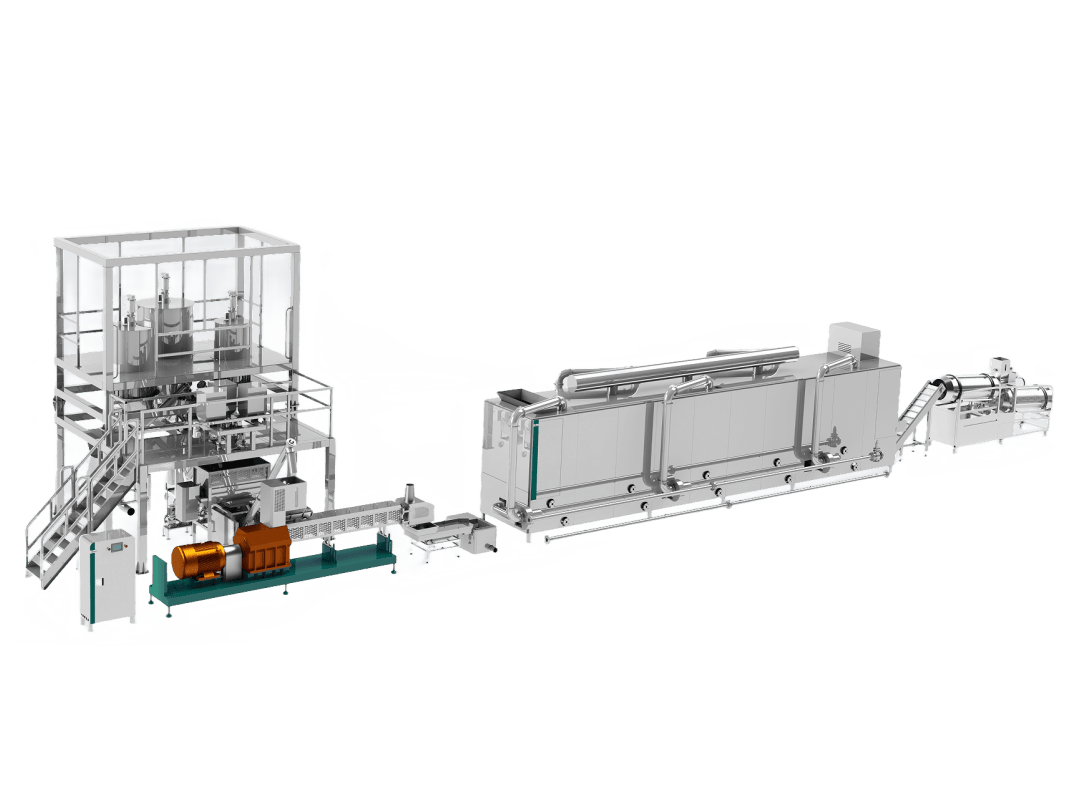
From ingredient receiving to extrusion, drying, coating, and packaging, dog food manufacturing is a science of transformation. Proteins are denatured to increase digestibility, starches gelatinize to form kibble structure, fats are stabilized to prevent rancidity, and vitamins are carefully added or protected to survive processing. Darin Machinery designs and supplies equipment that ensures these transformations happen under optimal conditions, delivering food that is safe, consistent, and nutritionally balanced.
This perspective connects ingredient theory with practical food engineering, showing how machinery directly impacts what ends up in your dog’s bowl.
Dog food production is just mixing ingredients together.False
Modern dog food production involves extrusion, drying, coating, and quality control processes to ensure digestibility, safety, and consistency.
All nutrients are destroyed during dog food processing.False
Controlled extrusion preserves digestibility, and sensitive vitamins can be added post-extrusion to retain nutritional value.
The Dog Food Manufacturing Process
1. Ingredient Reception & Grinding
- Raw materials (meat meals, grains, vitamins, oils) are inspected for quality and safety.
- Grains and meals are ground into fine particles for uniform mixing.
Machinery: Hammer mills, pulverizers.
2. Mixing & Preconditioning
- Proteins, carbs, fats, vitamins, and premixes are blended into a uniform dough.
- Moisture, steam, and heat are added to begin starch gelatinization and protein denaturation.
Machinery: Ribbon blenders, twin-shaft preconditioners.
3. Extrusion (The Core Step)
Extrusion transforms dough into kibble through heat, pressure, and shear.
| Function | Effect on Ingredients |
|---|---|
| Heat & Pressure | Sterilizes pathogens (Salmonella, E. coli) |
| Shear Forces | Improves digestibility of proteins and carbs |
| Die Shaping | Forms kibble into uniform size and shape |
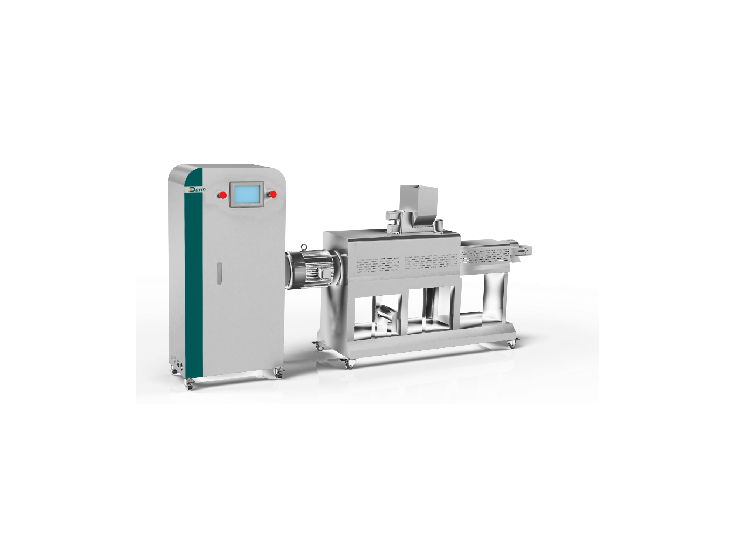
Machinery: Darin twin-screw extruders—allowing precise control of temperature, moisture, and residence time for maximum nutrient preservation.
4. Drying
Freshly extruded kibble has \~25% moisture and must be dried to \~8–10% for stability.
- Too little drying → mold growth.
- Too much drying → brittle, unpalatable kibble.
Machinery: Multi-layer belt dryers with controlled airflow and temperature zones.
5. Coating & Supplement Application
Once kibble is dried, fats, palatants, probiotics, and heat-sensitive vitamins are applied.
- Vacuum coating systems ensure deep penetration of oils and palatants.
- Spraying systems add antioxidants and flavor evenly across each piece.
This step is crucial for both palatability and nutritional completeness.
6. Cooling & Packaging
- Cooling stabilizes kibble and prevents condensation inside bags.
- Packaging must protect against oxygen, light, and moisture.
Machinery: Cooling conveyors, automatic weighing & bagging machines, nitrogen-flush packaging.
Nutrient Preservation During Manufacturing
| Nutrient | Processing Risk | Solution |
|---|---|---|
| Proteins | Overheating → amino acid loss | Controlled extrusion temperatures |
| Carbohydrates | Under-gelatinization → poor digestibility | Preconditioning + twin-screw design |
| Fats | Oxidation → rancidity | Post-extrusion coating + natural antioxidants |
| Vitamins | Heat-sensitive degradation | Overages + encapsulation + post-spray |
| Probiotics | Destroyed by heat | Added post-extrusion under vacuum coating |
Case Example: Darin Machinery’s Role
A mid-size pet food company in Europe upgraded to Darin twin-screw extruders and vacuum coaters:
- Result: Protein digestibility increased from 78% to 89%.
- Fats stability: Shelf life extended by 4 months using natural antioxidants.
- Consistency: Each batch showed <1% nutrient variance, improving label accuracy and consumer trust.
Quality Control & Safety
Modern manufacturing must comply with HACCP, ISO, and often FDA or EU pet food regulations. Controls include:
- Mycotoxin testing for grains.
- Pathogen checks for raw meats.
- NIR spectroscopy for on-line nutrient analysis.
At Darin Machinery, we integrate automated monitoring to maintain traceability and ensure every batch meets global standards.
Manufacturing is where nutrition theory meets engineering reality. The same ingredients can produce vastly different outcomes depending on how they are processed. With precise control and advanced machinery, dog food becomes not just safe and tasty—but a consistent source of complete nutrition.
Final
Dog food is far more than just “meat in a bag.” Behind every kibble, canned product, or freeze-dried piece is a carefully designed blend of proteins, carbohydrates, fats, vitamins, minerals, and functional additives—each playing a distinct role in supporting canine health. The pain point for pet owners is that labels and marketing can be confusing, and poor-quality ingredients or processing shortcuts can result in food that fills a stomach but fails to nourish. The solution is knowledge: knowing what exactly is in dog food, how those nutrients work in the body, and how modern manufacturing ensures safety, digestibility, and consistency.
In summary:
- Proteins provide the building blocks for muscles, immunity, and enzymes, with quality depending on source and digestibility.
- Carbohydrates fuel energy and regulate digestion, functioning best when processed for bioavailability.
- Fats & Oils deliver concentrated energy, essential fatty acids, and palatability, but require careful stabilization.
- Vitamins & Minerals are the micronutrient spark plugs for bones, metabolism, and overall vitality.
- Additives & Supplements extend shelf-life, boost palatability, and support targeted health needs.
- Labeling & Transparency separate premium foods from filler-heavy options—what’s written on the bag truly matters.
- Formats (Dry, Wet, Alternative) offer different nutrient densities, palatability, and storage options for diverse needs.
- Manufacturing & Machinery determine how well nutrients survive the process and how safe and consistent the final product is.
What ends up in your dog’s bowl is a product of both ingredient quality and manufacturing excellence. This is why pet food producers must invest not only in raw materials but also in advanced machinery that protects nutrient integrity while meeting global safety standards.
At Darin Machinery, we dedicate ourselves to helping pet food manufacturers produce premium dog food with precision-engineered extrusion, drying, coating, and packaging systems. From small-scale startups to global pet food factories, our solutions ensure that every kibble is safe, nutritious, and tailored to customer needs.
Note
As someone who has spent years at the intersection of food science and machinery engineering, I can confidently say: understanding what’s in dog food isn’t just for pet owners—it’s for everyone in the production chain. Knowledge empowers better decisions, healthier pets, and stronger trust between brands and their customers.
If you’re a pet food producer looking to improve ingredient handling, upgrade your equipment, or launch a new product line, let’s talk.
👉 Contact Darin Machinery today to discuss how our advanced pet food production lines can help you deliver safe, nutritious, and competitive products to the global market.
🌐 Darin Machinery Official Website