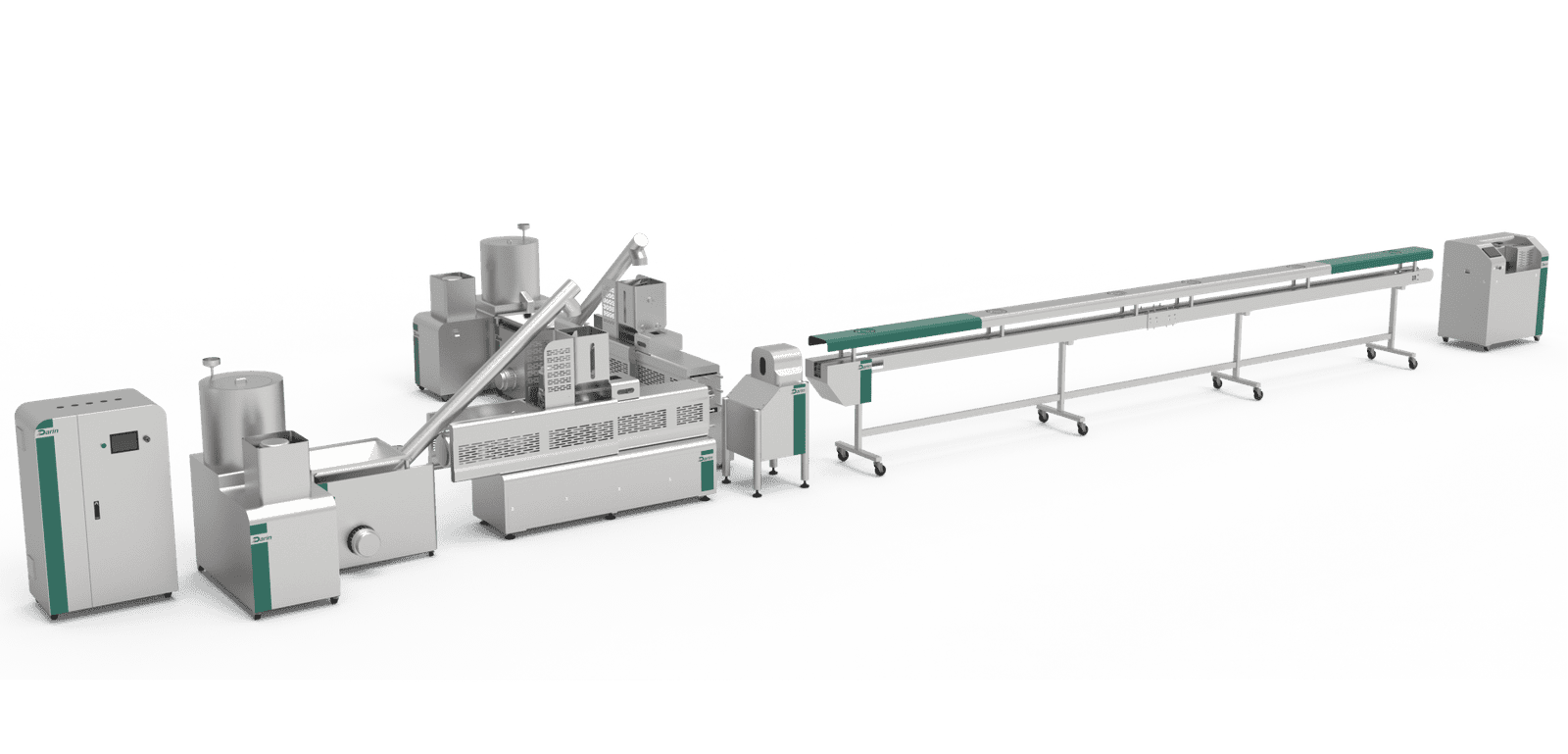

Making high-quality jerky seems simple on the surface—slice meat, remove moisture, add flavor, and preserve it. But for many producers, the challenge begins when choosing which machine delivers the best jerky quality, consistency, efficiency, and safety. Whether you are a home enthusiast or running a commercial jerky production line, using the wrong equipment can lead to uneven drying, poor texture, bacterial risk, inconsistent flavor penetration, higher energy consumption, and product loss. These issues not only reduce yield but also compromise food safety and profitability. Fortunately, when you understand the structural differences and technical mechanisms between a smoker and a dehydrator, selecting the right solution becomes clear. This article walks you step-by-step through the comparison so you can avoid common pitfalls and upgrade your jerky quality from the start.
In short: a dehydrator delivers cleaner, safer, more consistent jerky, while a smoker delivers richer flavor and aroma—but also requires more control, skill, and monitoring. Choosing the better option depends on whether your priority is precision, efficiency, and consistent dehydration, or smoke-driven flavor development.
While both machines can produce excellent jerky, their performance differs significantly—and the next sections will help you determine which one matches your production goals. Before diving deeper, let’s analyze the facts behind each option with real manufacturing logic and measurable drying science.
Smokers always dry meat faster than dehydrators.False
Smokers operate at lower airflow and inconsistent moisture evacuation, which usually slows drying compared to high-airflow dehydrators designed for moisture removal.
Commercial dehydrators offer better batch consistency than most smokers.True
Dehydrators use controlled temperature, uniform airflow, and predictable humidity removal, producing highly consistent jerky batches.
Technical Comparison: Smoker vs. Dehydrator for Jerky Production
Choosing the right jerky-making machine depends not on opinion but on drying physics, airflow mechanics, thermal uniformity, and production objectives. Below is a deep technical analysis tailored for real jerky producers and food processing professionals.
To make this clear, let’s break the comparison into several technical pillars.
Flavor Output Differences
Smoke flavor is one of the most attractive features of jerky—but the science of how flavor is absorbed changes significantly depending on the machine.
How Flavor Forms in a Smoker
A smoker generates flavor through:
- Combustion or smoldering wood
- Volatile phenols and carbonyls attaching to meat protein
- Slow evaporation that allows smoke molecules time to penetrate
- Maillard reactions at slightly higher surface temperatures
This leads to:
- Deep smoky aroma
- Caramelized exterior
- Slight color darkening
- Complex flavor profile
However, smoke intensity varies depending on:
- Wood type
- Wood moisture
- Combustion consistency
- Operator skill
- Chamber insulation
- Ventilation setup
How Flavor Forms in a Dehydrator
A dehydrator focuses on pure moisture removal, not flavor infusion. Therefore:
- No smoke flavor
- Clean, lean, pure beef taste
- Light color and uniform texture
This appeals to:
- Health-focused markets
- High-protein snack customers
- Brands emphasizing “natural beef taste”
Flavor Outcome Table
| Machine | Flavor Intensity | Flavor Complexity | Reliability | Best For |
|---|---|---|---|---|
| Smoker | Strong | High | Variable | Craft or gourmet jerky |
| Dehydrator | Mild | Low | Very high | Commercial, clean-label jerky |
Texture and Drying Mechanisms
Drying meat is fundamentally about removing water while maintaining structure. The mechanics of water removal differ drastically between the two machines.
Dehydrator Drying Mechanism
A dehydrator uses:
- High-volume horizontal or vertical airflow
- Controlled low-temperature heat (50–75°C / 120–165°F)
- Predictable humidity reduction
The result:
- Even drying across all trays
- Minimal fiber shrinkage
- Consistent texture
- Reliable water activity (Aw ≤ 0.85)
Smoker Drying Mechanism
A smoker drying mechanism includes:
- Low to moderate heat (55–90°C / 130–195°F)
- Highly variable airflow
- Fluctuating humidity levels
- Smoke particulates adhering to the surface
This can cause:
- Uneven drying
- Tough exterior but moist interior (“case hardening”)
- Higher bacterial risk if not carefully controlled
- Slower batch cycles
Texture Comparison Table
| Factor | Dehydrator | Smoker |
|---|---|---|
| Texture Uniformity | Excellent | Moderate |
| Risk of Case Hardening | Low | Medium–High |
| Water Activity Control | Very accurate | Less predictable |
| Production Safety | High | Medium |
Batch Consistency & Throughput
For business users or large-batch home producers, consistency determines profitability.
Why Dehydrators Win in Consistency
A good dehydrator ensures:
- Identical airflow across trays
- Identical temperature across racks
- Predictable moisture removal rate
In commercial environments, this translates to:
- Precise cycle times
- Repeatable recipes
- No operator variability
Why Smokers Are Less Consistent
Even high-end smokers face:
- Uneven smoke saturation
- Heat pockets
- Moisture pockets
- Variations from wood combustion
Consistency depends heavily on:
- Operator experience
- Wood quality
- Weather (wind, humidity) for outdoor smokers
Throughput & Efficiency Table
| Metric | Dehydrator | Smoker |
|---|---|---|
| Batch Uniformity | 9.5/10 | 6/10 |
| Throughput Speed | Fast | Slower |
| Operator Skill Dependence | Low | High |
| Energy Efficiency | High | Medium-Low |
Food Safety: The Most Important Difference
Jerky safety revolves around:
- Water activity control
- Pathogen reduction
- Eliminating E. coli, Salmonella, Listeria, Staph
- Ensuring <0.85 Aw levels
Dehydrators excel in safety because:
- They maintain stable temperatures
- They ensure rapid, uniform moisture removal
- They allow pre-cook (71°C / 160°F) protocols easily
- They prevent steam pockets and wet zones
Smokers are riskier because:
- Low airflow can trap moisture
- Wet smoke increases humidity
- Temperature swings are common
- Surface appears dry while interior stays moist
This is why commercial jerky factories almost exclusively rely on industrial dehydrators, not smokers.
Energy Consumption and Cost
General Cost and Power Comparison Table
| Cost Type | Dehydrator | Smoker |
|---|---|---|
| Purchase Price | Low to Medium | Medium |
| Energy Cost per Hour | Low | High |
| Maintenance | Low | Medium |
| Operating Complexity | Easy | Moderate–High |
Practical Recommendations by User Type
Not everyone has the same jerky goals. Below is a tailored recommendation:
For Home Users
- Want smoky flavor → Smoker
- Want safety and ease → Dehydrator
For Small Businesses
- Want consistent quality → Dehydrator
- Want flavor variety → Dehydrator + smoke seasoning or liquid smoke
For Commercial Jerky Manufacturing
- Always choose industrial dehydrators
- Use vacuum tumbling + natural smoke flavor if needed
- High-speed drying ensures maximum yield and consistency
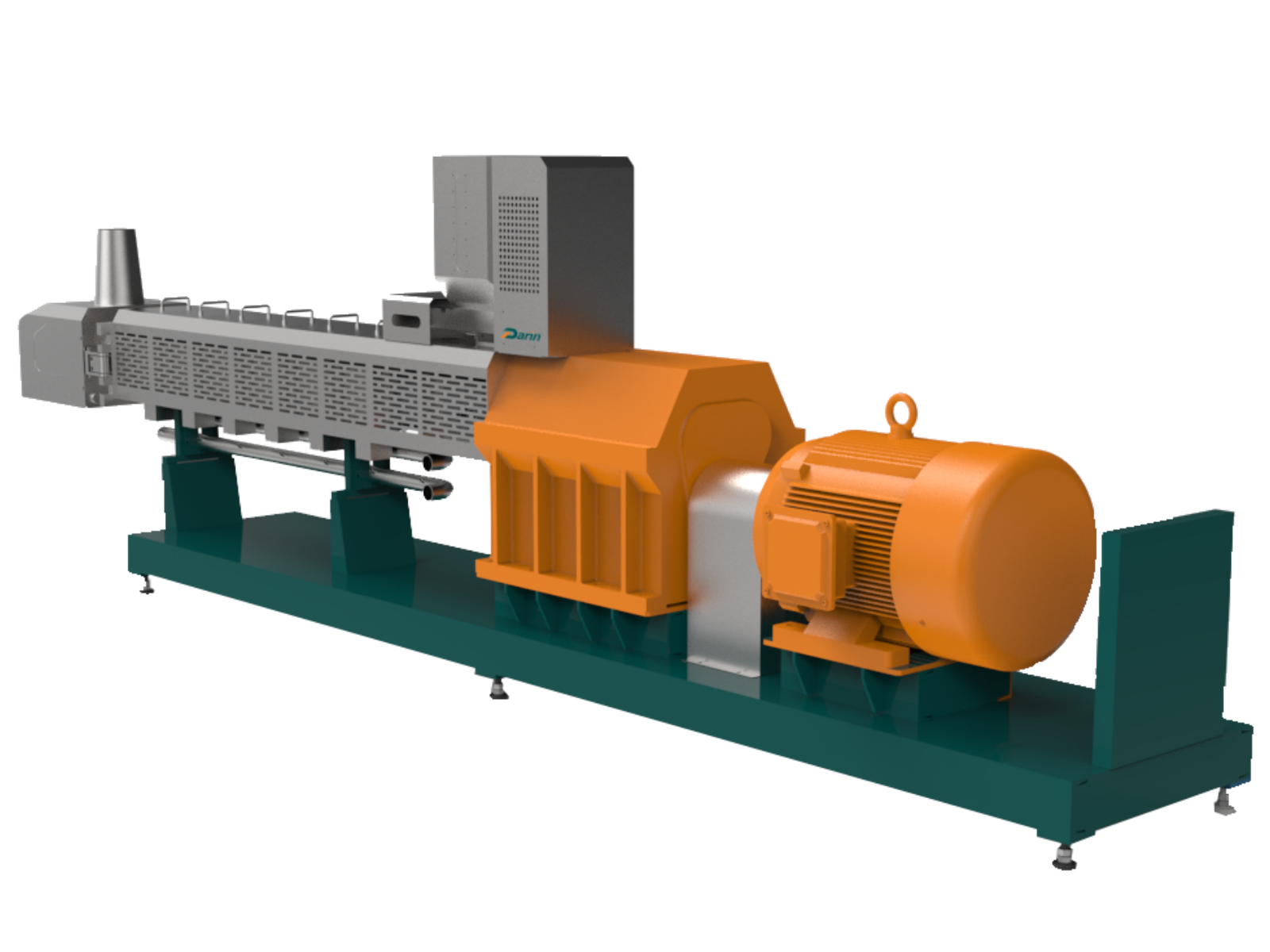
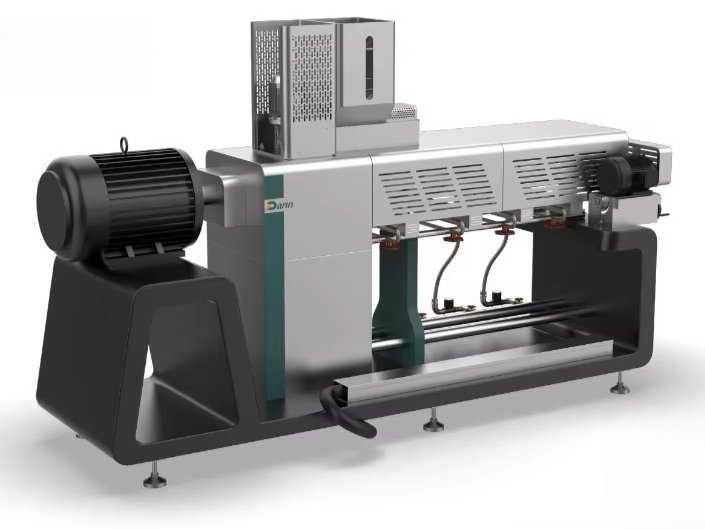
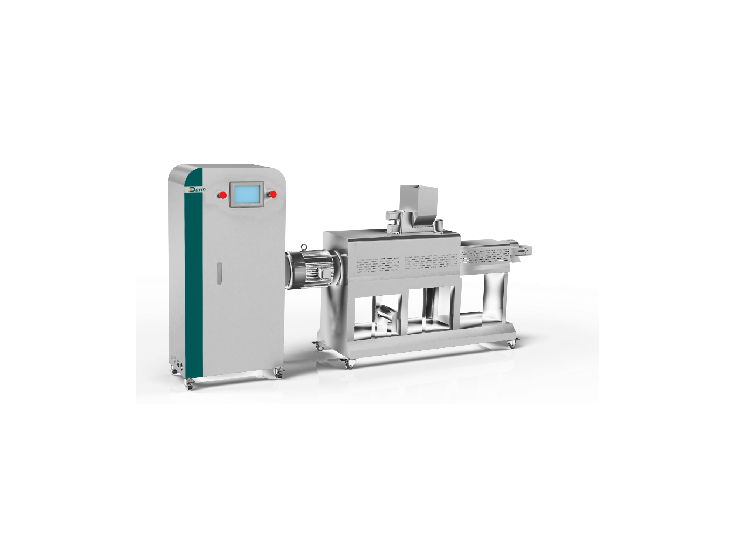
(As Darin Machinery, we manufacture high-efficiency drying equipment for meat, pet treats, and snack foods—this comparison applies directly to our industrial designs.)
Comparison Chart: Smoker vs. Dehydrator (Visual Placeholder)
Smoker: Flavor ↑↑↑, Consistency ↓↓, Safety ↓, Efficiency ↓
Dehydrator: Flavor ↑, Consistency ↑↑↑, Safety ↑↑↑, Efficiency ↑↑
Case Study: Industrial Jerky Factory Using Dehydration
A mid-size jerky factory processing 1.2 tons/day replaced three offset smokers with two industrial dehydrator lines.
Results after 60 days:
- Drying cycle time reduced from 8 hours → 4.5 hours
- Batch consistency improved from 72% → 98%
- Product yield increased by 12%
- Reject batch rate dropped from 6% → 1%
- Food safety compliance issues reduced to zero
This demonstrates why dehydrators dominate the commercial landscape.
Conclusion: Which One Should YOU Choose?
After analyzing airflow, flavor, safety, capacity, texture, consistency, and energy use, the conclusion is clear:
- Choose a smoker if your priority is deep, authentic smoke flavor.
- Choose a dehydrator if your priority is safety, consistency, efficiency, and professional production standards.
For commercial jerky, dehydrators win every category that matters most.
Contact Darin Machinery for Professional Jerky and Meat Snack Equipment
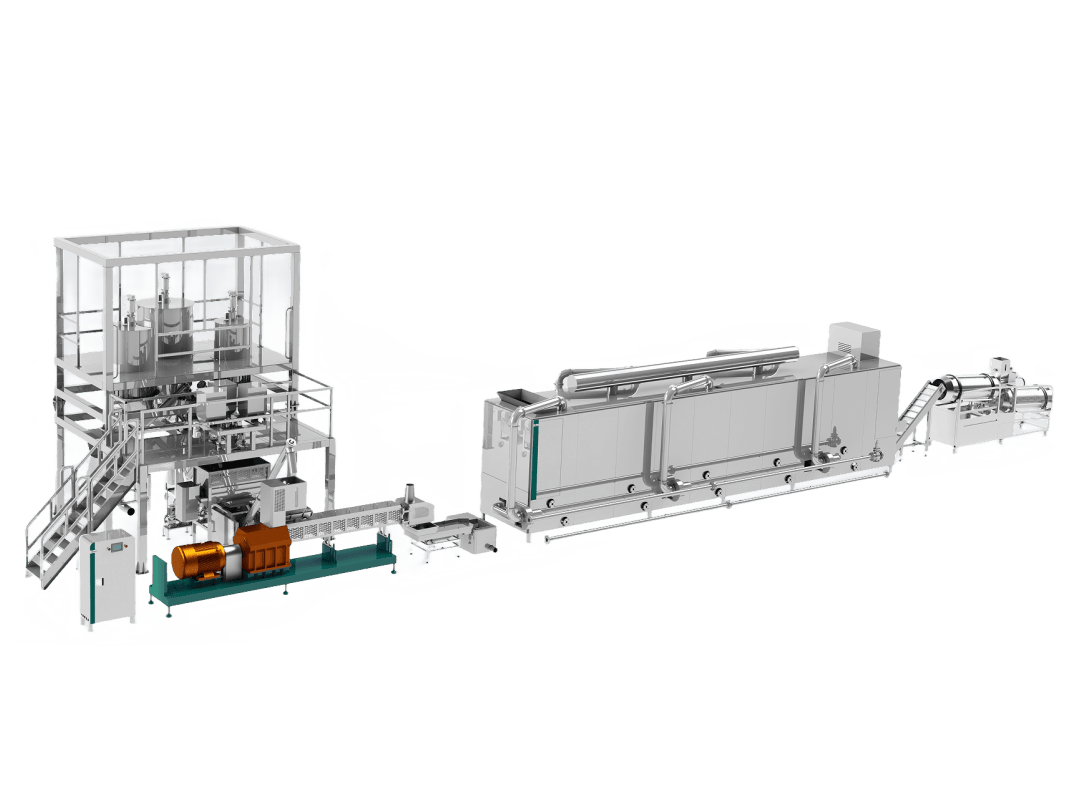
If you want expert guidance or industrial-grade jerky production solutions, Darin Machinery is ready to help. We design and manufacture meat dehydrators, pet treat dryers, hot-air circulation ovens, smoke flavor systems, cutting lines, forming machines, and complete turn-key jerky production lines.
Reach us anytime:
Jinan Darin Machinery Co., Ltd.
🌐 www.petreatsmachine.com
📧 darin4@darin.cn
📱 WhatsApp: +86 156 5000 7983
Let us help you build a more efficient, profitable jerky production process.