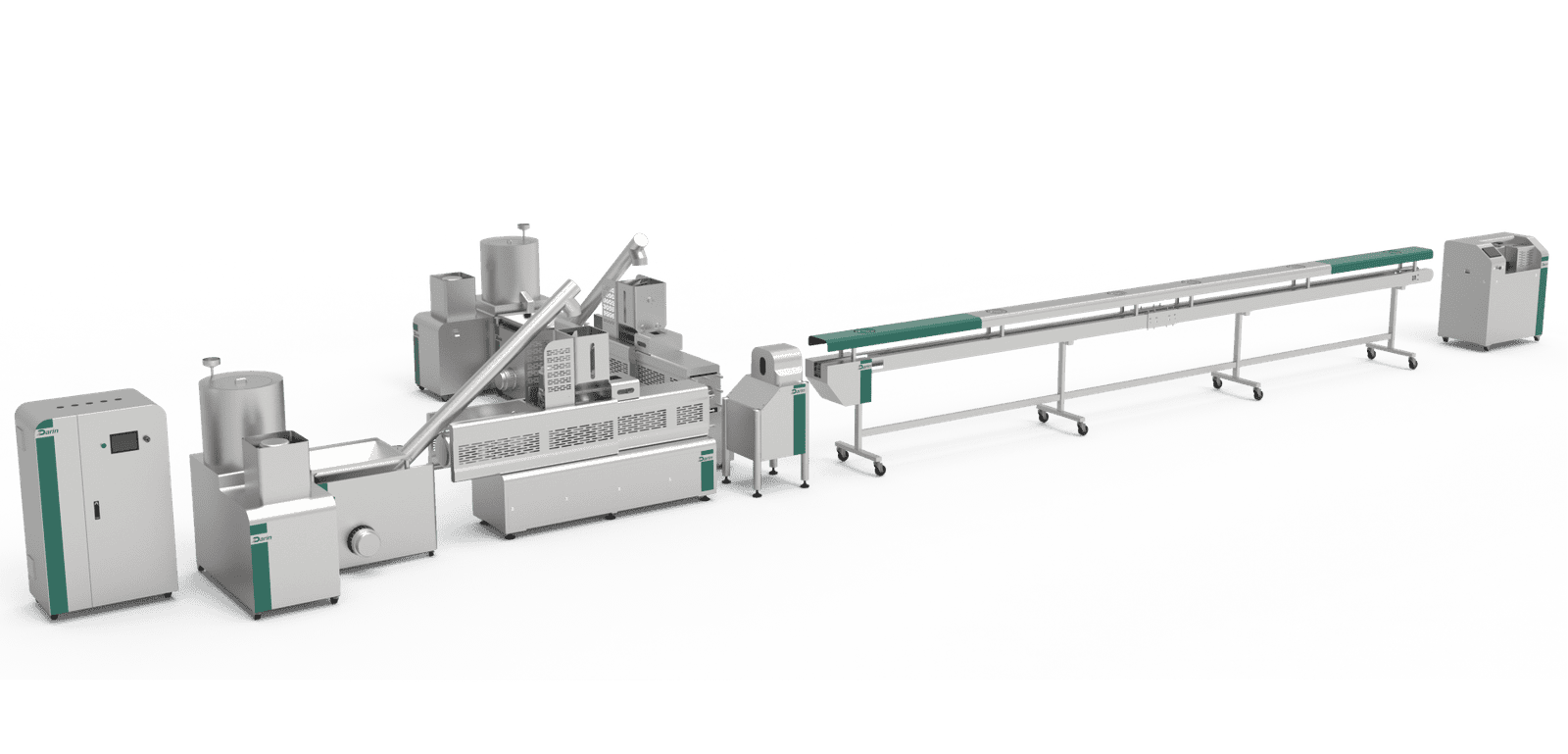

The global demand for pet products, especially dog chews, is surging. However, starting a dog chew production line without understanding equipment pricing and associated costs can lead to missteps that compromise both profitability and product quality. Without the right machine or price insights, you risk over-investing, underperforming, or choosing a model that can’t keep up with output demands. Fortunately, with a well-matched dog chew making machine tailored to your production scale and budget, manufacturers can produce consistent, safe, and profitable dog chews. In this article, we will break down the real pricing ranges, machine types, operational cost analysis, and how to choose the best solution for your needs.
The price of a dog chew making machine typically ranges from $10,000 to $150,000 depending on production capacity, automation level, processing technology (extrusion or molding), material types, and configuration options such as heating systems, cutters, and cooling conveyors. Entry-level semi-automatic models start at around $10,000–$30,000, while fully automatic continuous lines for commercial production can cost upwards of $80,000–$150,000.
For both start-ups and industrial-scale manufacturers, understanding these price brackets is essential. Below, we explore the nuances that justify these prices and what specific value each machine tier offers.
If you're a business planning to enter the pet food and chew segment or expand your current manufacturing line, you'll want to understand how different dog chew machines compare based on capacity, production technology, and investment size. Keep reading to learn how to find the right equipment for your goals and avoid costly purchasing errors.
Dog chew making machines are only available in large-scale industrial models.False
Dog chew machines are available in small-scale, medium, and fully automatic large-scale models depending on production needs and investment size.
Dog chew manufacturing machines are all the same regardless of the final product shape.False
Different dog chew machines are designed for specific shapes such as sticks, twists, bones, or molded styles. Extrusion-based and injection molding systems are tailored for varying chew forms.
Understanding Dog Chew Machine Price Ranges
Dog chew making machines come in various configurations based on production volume, technology, and chew type. Here's a pricing overview based on the market segmentation:
| Machine Type | Production Capacity | Automation Level | Price Range (USD) | Suitable For |
|---|---|---|---|---|
| Manual/Semi-Automatic | 20–50 kg/hr | Manual Feeding & Cutting | $8,000–$30,000 | Startups & Test Batches |
| Fully Automatic Line | 100–300 kg/hr | Continuous Extrusion & Cutting | $35,000–$90,000 | Medium Enterprises |
| High-Speed Industrial Line | 500–1000+ kg/hr | Automated with PLC, Heating & Cooling | $100,000–$180,000+ | Large Factories |
| Mold Injection System | Variable (batch-based) | Mold Press & Dryer | $50,000–$120,000 | Bone-Shaped Chews or Toys |
Extrusion-based systems dominate the market due to their speed and flexibility, while injection-molding units are used for unique shapes like dental bones, rings, and toys.
Key Factors Influencing Dog Chew Machine Pricing
1. Production Capacity
Higher throughput machines cost more due to increased motor power, reinforced construction, and broader component size (e.g., wider extrusion dies or mold plates).
2. Automation Level
Automatic feeding, shaping, cutting, and drying systems drastically increase labor savings but also elevate costs. PLC control panels and servo systems for high-speed cutting add another layer to the price.
3. Material Compatibility
Machines that can process multiple ingredients like starch, meat slurry, rawhide powder, or wheat flour need specialized mixing chambers, which increases the price.
4. Customization Options
Machines with interchangeable molds or advanced forming dies cost more but offer versatile chew designs (twist sticks, braided, flat strips, or bones).
5. Auxiliary Equipment Bundling
Many dog chew production lines require the following auxiliary units:
| Auxiliary Equipment | Function | Approximate Price (USD) |
|---|---|---|
| Raw Material Mixer | Uniform blending | $2,000–$5,000 |
| Screw Conveyor | Feeding into extruder | $1,000–$3,000 |
| Extruder | Shaping | Included in main price |
| Cooling Conveyor | Product stabilization | $3,000–$8,000 |
| Cutter | Length control | $2,000–$6,000 |
| Drying Oven | Moisture control | $5,000–$15,000 |
Each of these components adds to the cost but ensures a more stable and continuous operation.
Extrusion vs Molding: Which Costs More?
| Comparison Metric | Extrusion Line | Molding Machine |
|---|---|---|
| Initial Investment | Lower ($10k–$80k) | Higher ($50k–$120k) |
| Production Speed | Continuous, fast | Batch-wise, slower |
| Shape Variety | Basic (sticks, rods) | High (bones, rings) |
| Labor Requirement | Lower | Medium |
| Best Use | Treats, twists, simple chews | Dental bones, novelty chews |
Molding machines are often used in premium products where design is a selling point, while extrusion lines handle high-volume, daily production.
Real-World Cost Example: 200kg/hr Automatic Dog Chew Line
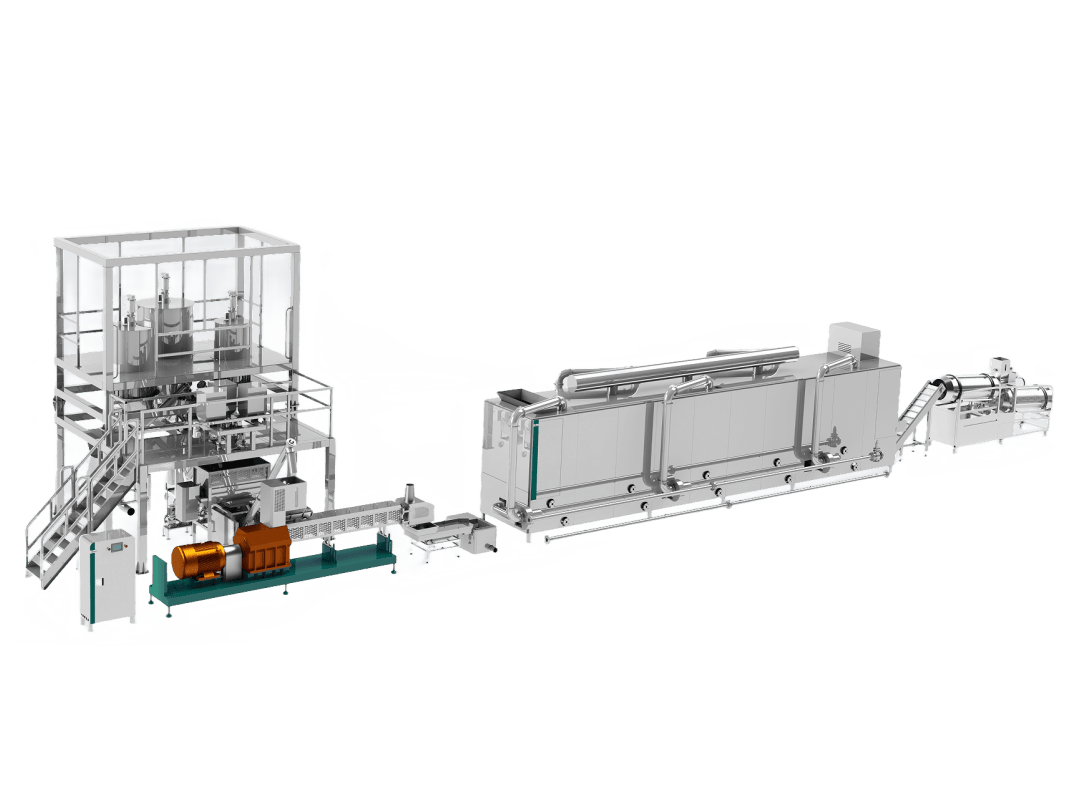
Here’s a breakdown of a typical commercial dog chew production line:
| Component | Quantity | Description | Estimated Price (USD) |
|---|---|---|---|
| Raw Material Mixer | 1 | 100kg/batch capacity | $3,500 |
| Screw Conveyor | 1 | Stainless steel | $1,500 |
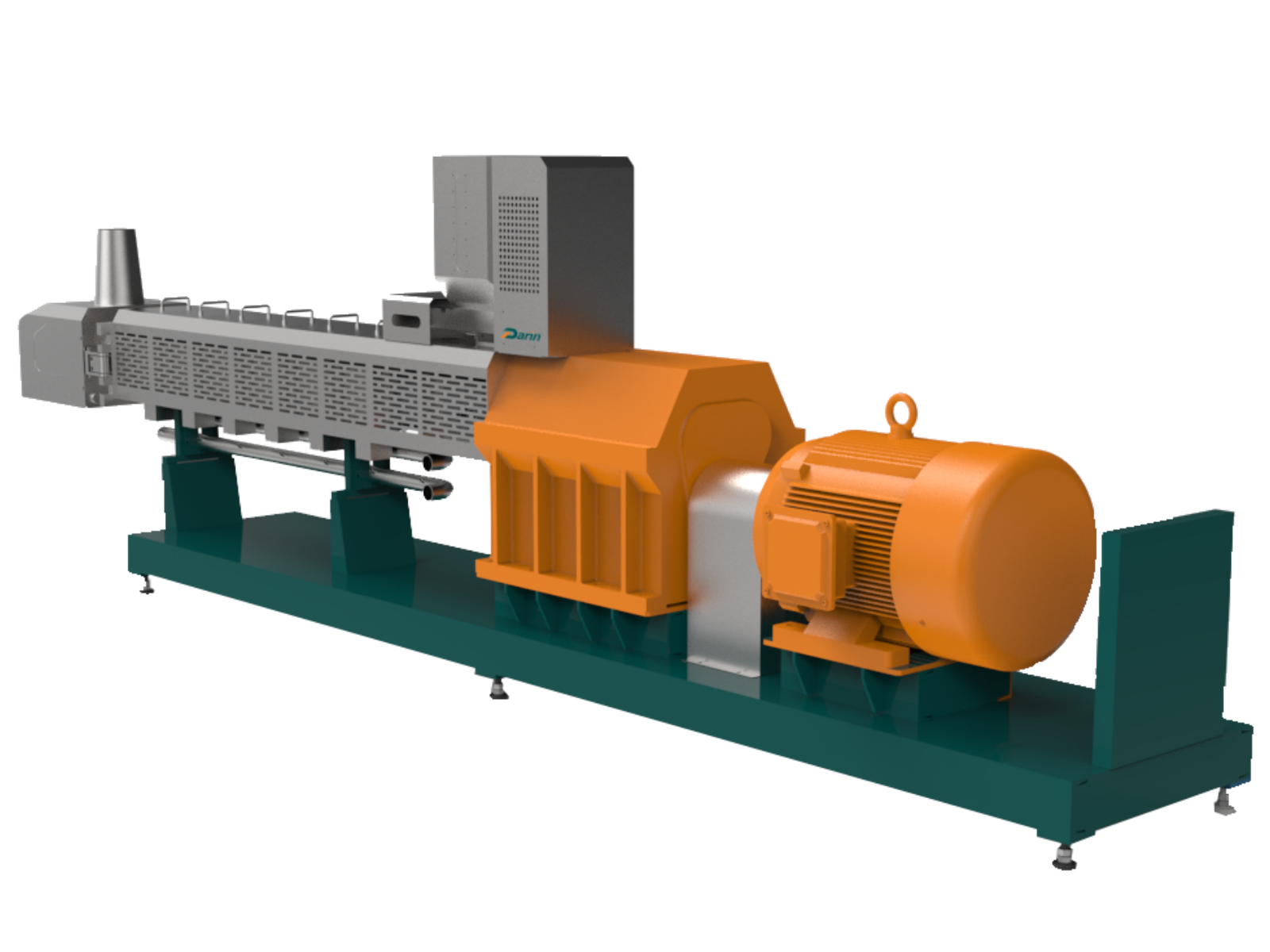
| Double-Screw Extruder | 1 | 200kg/hr, touch-screen PLC | $28,000 |
| Forming Cutter | 1 | Servo-controlled | $6,500 |
| Conveyor | 2 | SS mesh type | $4,000 |
| Drying Oven | 1 | Electric, 5-layer belt | $12,000 |
| Total Estimated Cost | – | FOB China | $55,500 |
Additional costs include shipping, import duties, packaging, spare parts, and installation services (if outsourced).
Operating Costs and ROI
To evaluate total cost-effectiveness, consider:
| Cost Element | Monthly Cost (Estimate) |
|---|---|
| Raw Material (starch, meat, glycerin) | $6,000–$12,000 |
| Electricity | $2,000–$5,000 |
| Labor (2–3 workers) | $2,500–$4,000 |
| Maintenance & Wear Parts | $1,000 |
| Packaging Material | $2,000 |
Profitability often starts within 6–18 months, depending on product pricing and sales volume. Machines that maintain consistency, minimize waste, and offer flexible product options pay back faster.
How to Choose the Right Dog Chew Making Machine?
When selecting a machine, consider the following criteria:
- Chew Shape: Stick-based, bone-shaped, dental, or twisted types.
- Production Scale: Daily output expectations.
- Material Compatibility: Capability to handle rawhide, starch, wheat flour, meat.
- Automation Preference: Manual vs. fully automated with PLC.
- Budget: Total investment including auxiliary machines and spare parts.
Work with a reliable manufacturer who provides on-site installation, training, and after-sales technical support.
Understanding the price of a dog chew making machine involves more than just reading a price tag—it requires knowing what you're paying for in terms of automation, material capabilities, production output, and product type. The right investment can significantly influence your profitability, production efficiency, and product quality in the pet food market. Whether you’re a newcomer or expanding into high-volume production, there is a machine that fits your operational model and budget.
Ready to Start or Expand Your Dog Chew Production Line?
📞 Contact us today to get a personalized quote and professional guidance on selecting the right dog chew making machine for your needs. Let’s help you transform your pet product idea into a successful production line!