

Rawhide Treat Manufacturing: The Era of Fully Automated Smart Processing Lines
How Darin’s Turnkey Twisting & Rolling Solution Solves Quality Bottlenecks, Labor Shortages, and Scalability for Global
Darin® Pet Kabobs Production Line – Automatic Kabobs Forming and Drying Line, engineered for producing premium composite pet snacks such as chicken-wrapped sticks, beef-wrapped calcium bones, and multi-flavor kabobs.
This advanced line integrates automatic forming, precise skewering, controlled drying, and hygienic packaging, helping manufacturers improve efficiency, reduce labor costs, and ensure consistent quality.
Used for Pet kabobs Production.


1. Different models have different capacities.
2. An oven can be added as an optional feature.
3. You can choose whether to include the automatic tray system.
| Model | Output | Installed Capacity |
|---|---|---|
| Model A | 300 pcs/h | 3 kW |
| Model S1 | 1400 pcs/h | 4 kW |
| Model S2 | 1400 pcs/h | 13 kW |
| Model X1 | 2800 pcs/h | 8 kW |
| Model X2 | 2800 pcs/h | 21 kW |
| Model S4 | 4000 pcs/h | — |
Darin® Flavor Pet Kabobs Production Line is a fully automated system designed to produce high-quality, multi-flavor pet kabobs with precision and efficiency. The line integrates several key components, including a PLC-controlled control cabinet, kabobs forming machine, stick sorting system, meat paste filling and forming systems, and a continuous drying room. Optional modules such as an automatic traying system, robotic arm, cooling conveyor, and discharging system can further enhance automation. Each component is engineered to streamline production, maintain hygiene standards, and ensure consistent product quality throughout the entire process.
① Control Cabinet
② Sorting Machine
③ Kabobs Forming Machine
④ Robot Arm
⑤ Dryer
⑥ Cooling Conveyor
① Control Cabinet
② Auto Traying System
③ Sorting Machine
④ Kabobs Forming Machine
⑤ Auto Traying

① Meat paste filling system
② Sticks sorting system
③ Meat paste forming system
④ Kabobs putting system (into continuous dry room)
⑤ Continuous dry room
⑥ Cooling conveyor
⑦ Discharging system

The Pet Kabobs Production Line follows a fully automated, step-by-step process to ensure consistent quality and high production efficiency:
Meat Paste Preparation & Filling
Meat paste is prepared and loaded into the meat paste filling system, which controls the flow and quantity for each kabob.
Stick Sorting
Sticks are automatically sorted and aligned by the sticks sorting system, preparing them for kabob assembly.
Kabob Forming
The meat paste forming system shapes the meat around the sticks into uniform kabobs.
In the case of multi-flavor kabobs, different pastes can be applied precisely to different sections.
Automatic Placement into Dryer
The kabobs putting system places formed kabobs into the continuous dry room with minimal human contact, ensuring hygiene.
Drying Process
Inside the continuous dry room, kabobs are dried under controlled temperature (≤120°C) and time (6–12 hours), using a heat source like steam, heat pump, electricity, or LPG.
Cooling
After drying, kabobs move through a cooling conveyor to lower their temperature before packaging.
Discharging & Packaging
The discharging system collects the finished kabobs for manual or automatic packaging.
Optional systems like a robot arm or automatic traying can be used to increase automation.

Looking to create a unique pet food product? We provide full customization services, from concept to finished machine. Our engineering team uses CAD and 3D modeling to bring your ideas to life—fast and accurately. Let’s work together to build your next best-seller.
Darin Pet Kabobs Production Line an ideal choice for businesses looking to enhance efficiency, quality, and versatility in kabob production.
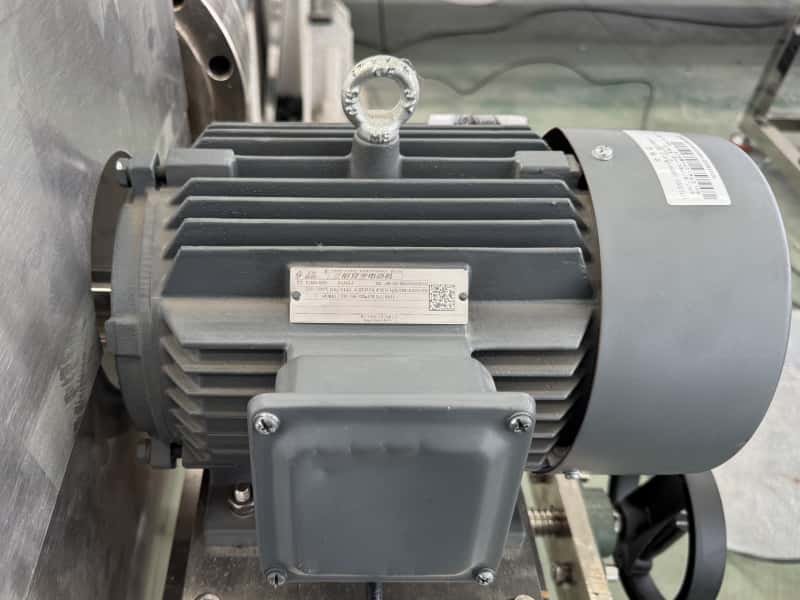
Motors from Darin Machinery are sourced from WEG with a 3-year worldwide guarantee or Siemens.Enjoy a reliable global after-sales service system.
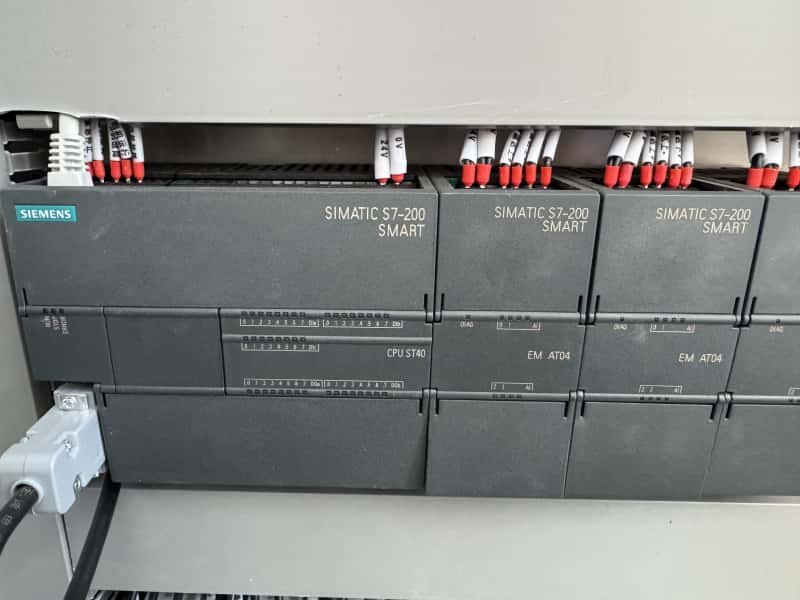
Electric parts are from ABB or Schneider, easy to find replacments at local market.
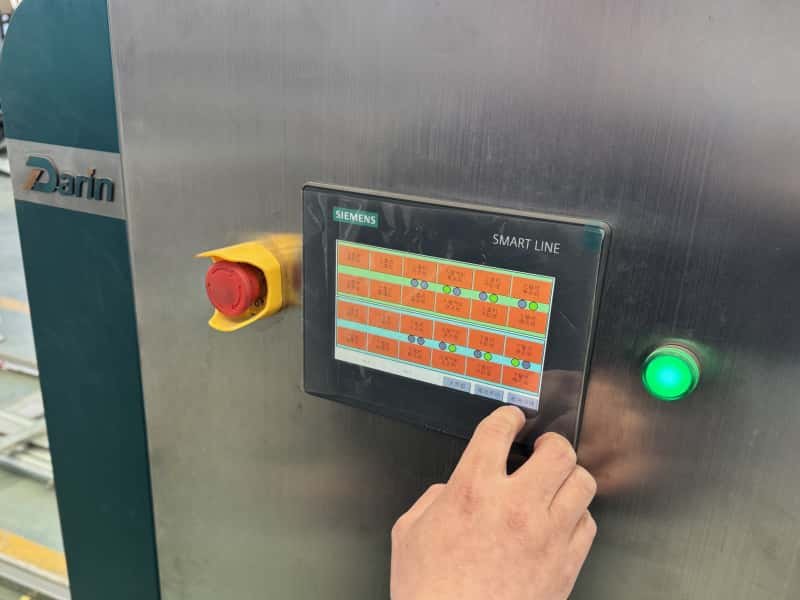
PLC and touch screens from Siemens, Germany, are used by Darin Machinery to ensure easier operation and reduced labor requirements.
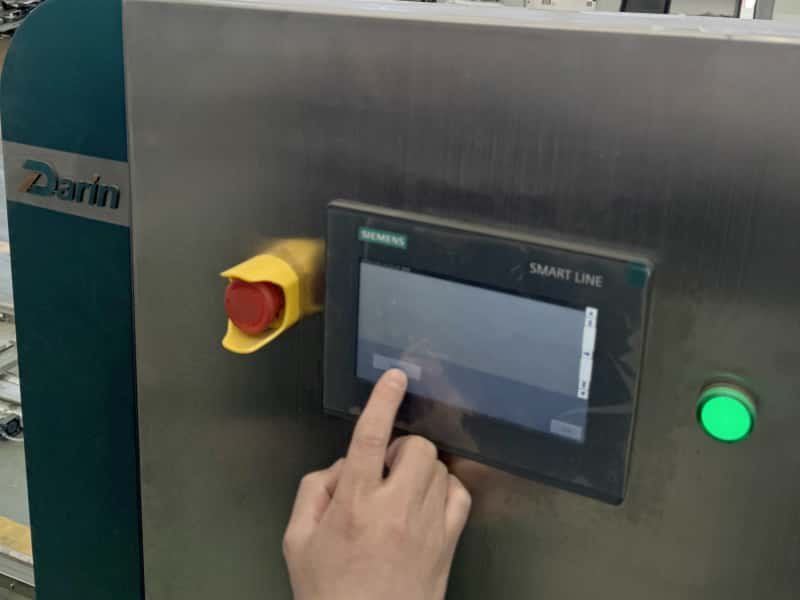
When faults occur, Darin Machinery’s touch screens display relevant information, making it easy to diagnose and resolve issues quickly.

Darin Machinery control cabinets are equipped with 24V safe voltage, ensuring operator safety even electrical leakage occurred.
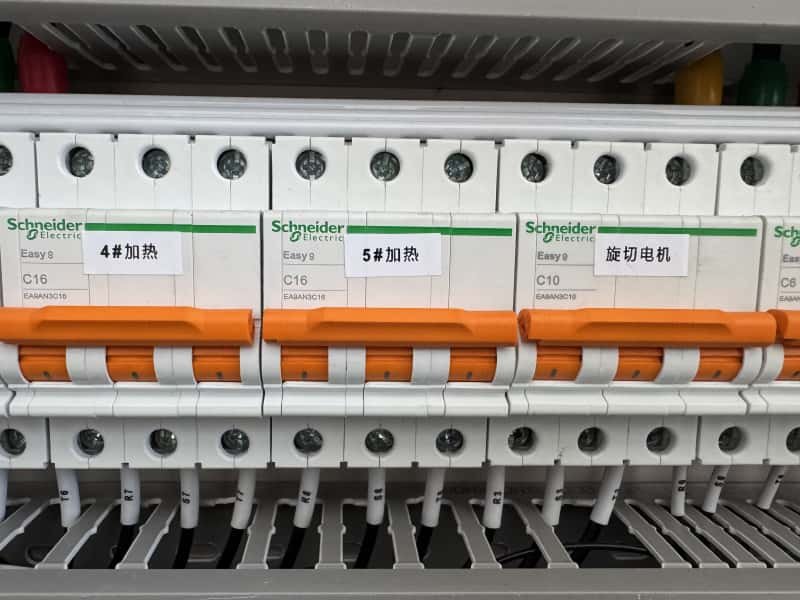
Darin Machinery includes three types of protectors over-current, over-voltage, over-heat to ensure machine and operator safety.
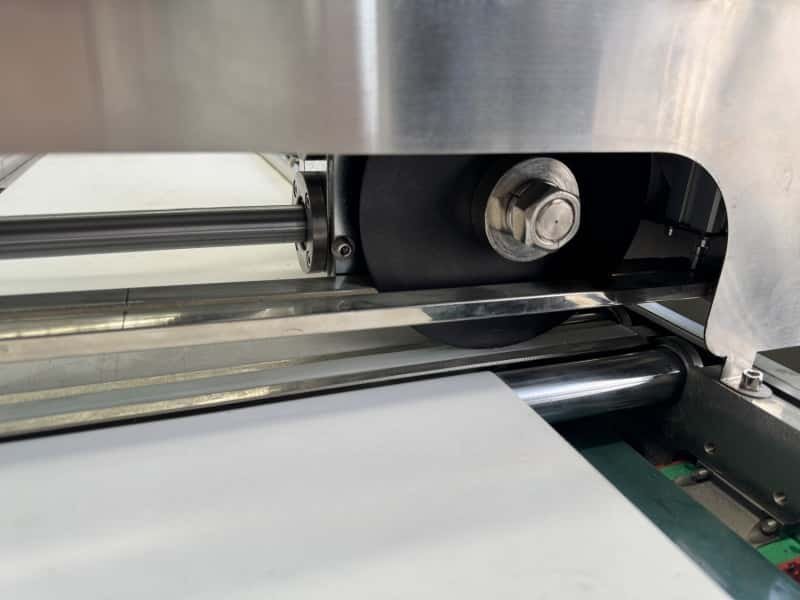
Servo follows the cutting size more accurately, rolling cutting can cut products with strong toughness, such as cowhide products, and the cutter does not cut the conveyor belt.
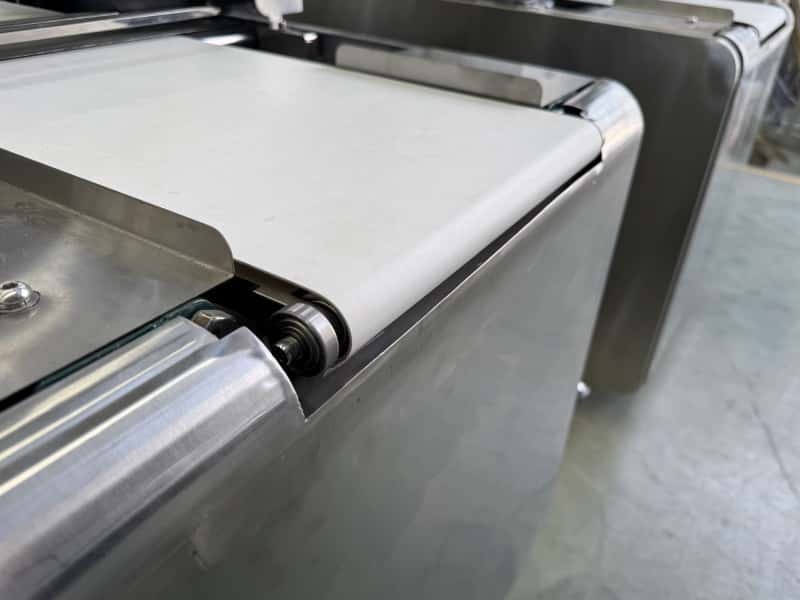
The end of the conveyor belt has a small turning radius, which makes material transportation smoother.
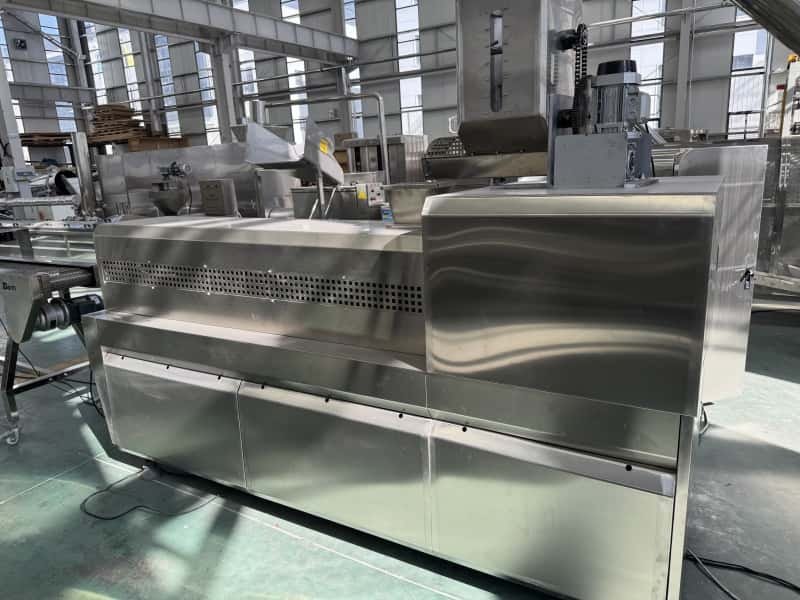
Its components are arranged for quick disassembly, ensuring efficient upkeep and hygienic operation.
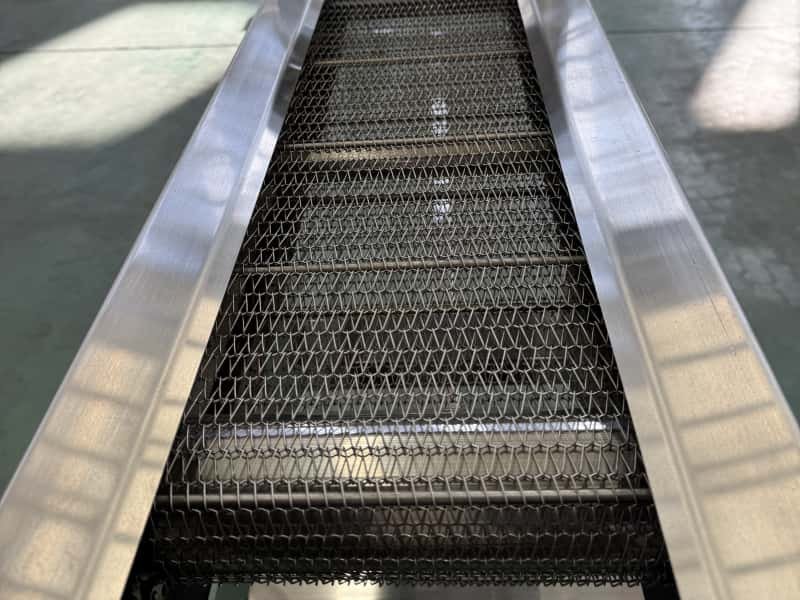
All cover bodies, mesh belts, and parts in contact with materials at Darin Machinery are made of food-grade stainless steel 304, providing superior durability and safety.
Darin® Machinery is global leading manufacturer of pet food production lines, Darin® provide full-cycle, one-stop production equipment solutions for all types of pet food, pet treats & pet health products.
■ All machinery is certified with European CE Approval & ISO 9001 Certification.
■ Run in 99+ countries including USA, Germany, Japan, Italy, UAE, Australia etc.
■ Machinery Supplier of General Mills, Kelloggs, Melinda, Bill Gates foundation & Wanpi.
■ 290+ Invention patents & utility model patents.
■ Government-certified high-tech enterprise.
■ Member of APPA (USA) & Deputy President Unit of SDPIA.
■ Professional food machinery manufacturer with 18 years of experience.





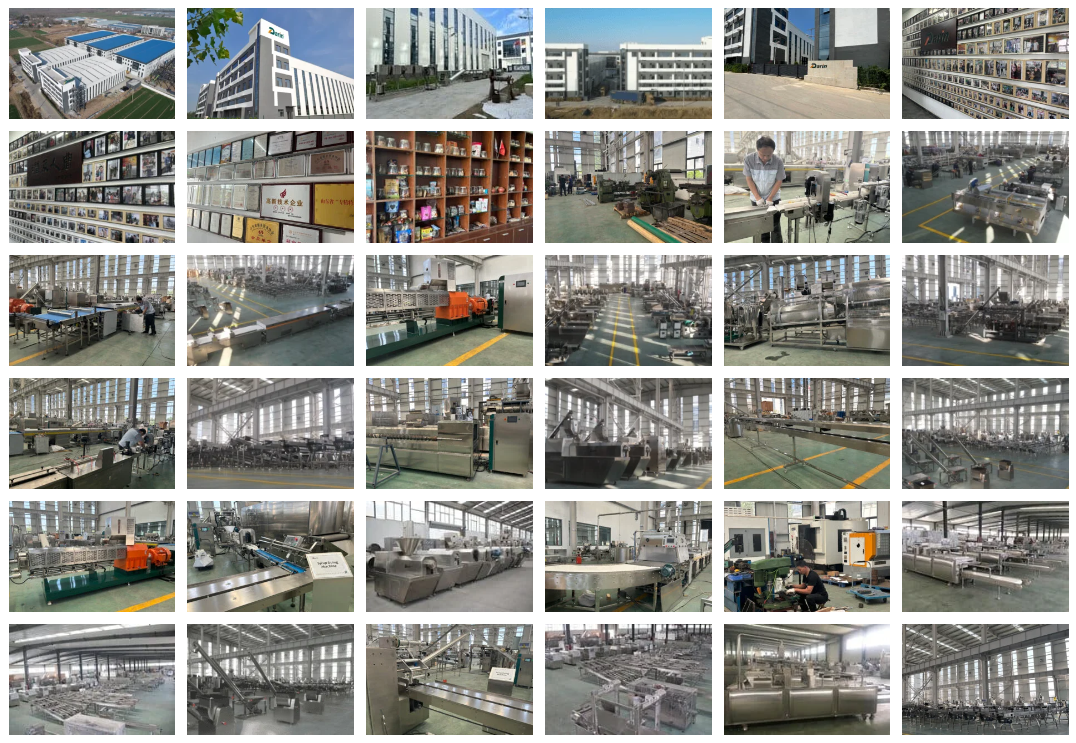
Our extensive product range includes production lines for pet dry food, wet food, semi-moist food, and raw food, as well as common pet treats such as biscuits, jerky, dental chews, rawhide chews, and training treats. Additionally, we offer various food machinery production lines, puff snack machines, energy granola bar machines, and support equipment.
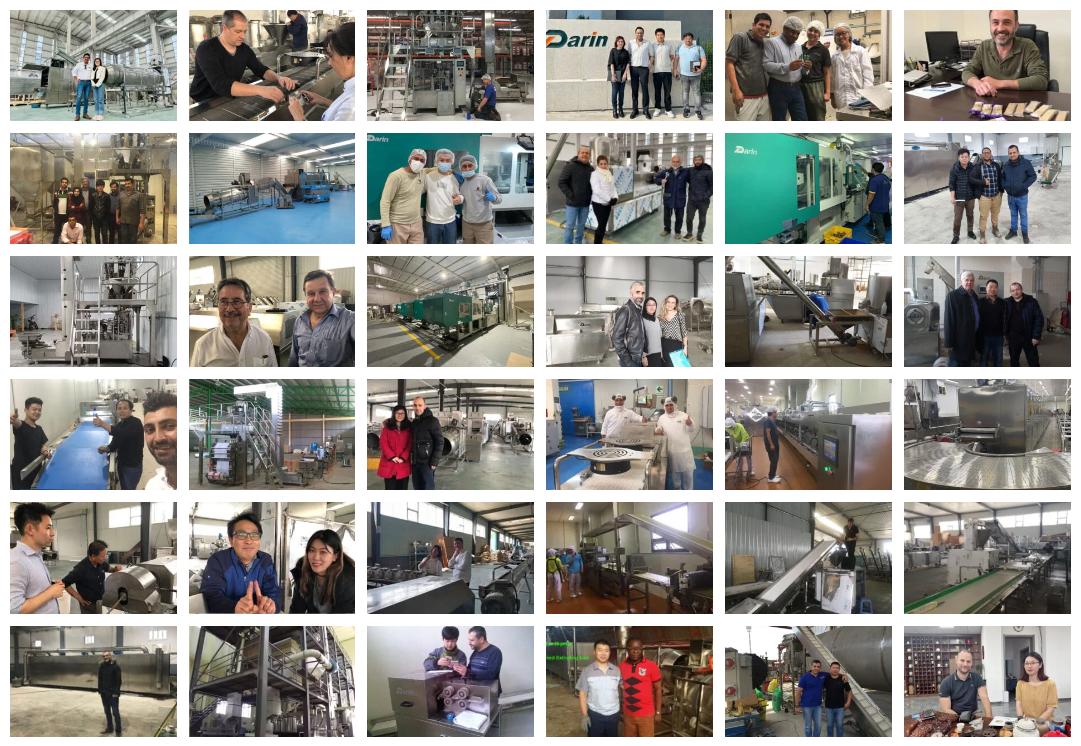
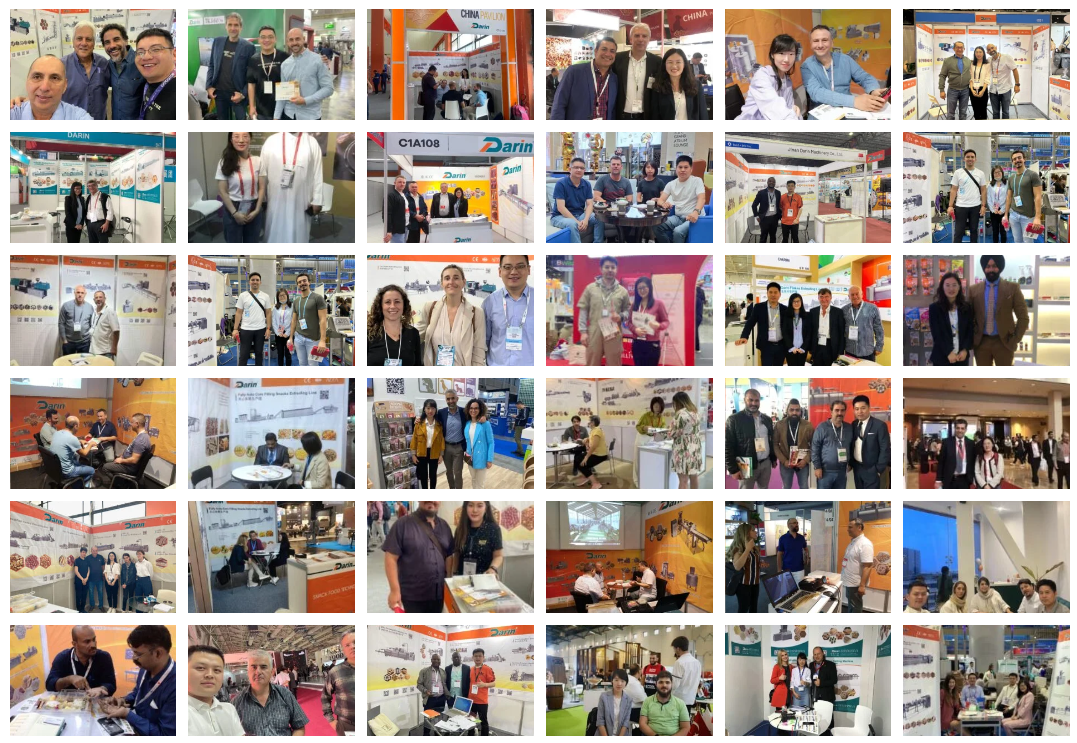
Darin Machinery’s equipment is operational in over 99 countries and regions, including the USA, Germany, Japan, Italy, Spain, the Netherlands, Australia, Canada, Holland, Saudi Arabia, Brazil, Mexico, Indonesia, Thailand, and more. Darin Machinery serves renowned clients worldwide, including General Mills, Kellogg’s, and the Bill & Melinda Gates Foundation, among top-tier pet food suppliers.

When purchasing the Pet Kabobs Production Line, you might be interested in the following questions.
Ingredients such as meat powder, fresh meat paste, starches, glycerin, gelatin, vitamins and minerals are accurately weighed and mixed. The mixture is hydrated and homogenized to ensure stable viscosity and good extrusion performance.
The prepared dough is fed into a single-screw or twin-screw extruder. The extruder shapes the dough into long round or square meat sticks. Multi-color or filled co-extrusion can also be achieved depending on product requirements.
Fresh sticks pass through a cooling conveyor to stabilize texture. A precision cutting unit trims sticks into preset lengths (typically 70–150 mm) with length tolerance controlled within ±1–2 mm.
Additional dough is mixed for outer wrapping, such as chicken paste, beef paste, fish paste, vegetable paste, or multi-color doughs. This layer adds texture, color, and flavor variations.
Depending on product design, the line can:
Wrap soft dough around the core stick using a rolling system
Produce uniform cylinders via co-extrusion
Form special shapes using dedicated molds
This servo-controlled unit threads 1–3 pieces of meat or dough onto a stick or rawhide bone. It allows adjustment of piece quantity, spacing, alignment, and size. This process greatly reduces manual labor and ensures uniformity.
Finished kabobs are neatly placed onto stainless steel multi-layer belts. Proper alignment ensures smooth transfer into the drying system.
Products enter a continuous multi-layer dryer (5–7 layers). Temperature ranges between 50–120°C depending on recipe. Drying time is 1–3 hours. Moisture is reduced to ≤12–16% with uniform color and texture ensured by hot air circulation.
After drying, kabobs cool to room temperature on a conveyor. Moisture leveling prevents cracking and improves shelf stability.
All products pass through a high-sensitivity metal detector to ensure compliance with food safety standards such as FDA, CE, and HACCP.
Depending on your packaging requirements, the system can integrate automatic weighing, counting, horizontal flow wrapping, or premade pouch packing. Nitrogen flushing is available for premium packaging formats.
Final QC includes moisture content check, weight verification, hardness testing, color comparison, and seal integrity inspection. After QC, finished goods are boxed and stored for shipment.
As a professional manufacturer of pet treat machinery, our Pet Kabobs Production Line offers multiple capacity options to match different factory sizes and product types.
The typical production capacity is:
300 pcs/h – 4000 pcs/h
(finished kabobs output, depending on product size, moisture, and recipe)
Small-scale line: 150–200 kg/h
Medium-scale line: 250–350 kg/h
Large-scale line: 400–500 kg/h
Stick diameter and length
Quantity of meat pieces per kabob
Drying temperature and target moisture
Recipe composition (meat content, starch level, glycerin ratio)
Packaging speed if fully automated
These are the primary sources of protein and palatability in kabobs.
Chicken meat / chicken powder
Beef meat / beef powder
Duck meat / duck powder
Fish meal / fish paste
Pork meal (optional depending on export market)
Organ-meat paste (liver, heart, etc.)
Used to provide structure, elasticity, and cost efficiency.
Potato starch
Corn starch
Wheat flour
Sweet potato powder
Pea protein / soy protein isolate
Vegetable powders (carrot, pumpkin, spinach)
Ensures proper forming, elasticity and chewiness.
Gelatin
Glycerin
Sorbitol
Modified starch
Plant fibers
Improves aroma, taste, and shelf life.
Chicken oil
Fish oil
Palatants (meat flavors)
Yeast extract
Used to enhance product value and meet market standards.
Vitamins (A, B complex, E, etc.)
Minerals (calcium, zinc, iron)
Omega-3 and Omega-6
Amino acids
For multi-color kabobs or attractive patterns.
Natural color powders (carrot, beetroot, spinach)
Food-grade pigments (red, yellow, green)
For kabobs that require internal cores:
Rawhide sticks
Vegetable sticks
Compressed plant fiber rods
Extruded meat sticks
Soft chew rods
Absolutely — the Pet Kabobs Production Line is designed with a lot of flexibility because every market likes something a little different.
You can produce a wide range of kabob styles, for example:
Classic meat-on-stick kabobs
Cylindrical sticks with wrapped meat
Square, round, or flat shapes
Twisted or patterned coatings
Multi-color kabobs (dual or tri-color)
Just by changing molds, dies, or extrusion settings, you can adjust the final look without changing the whole line.
Length, diameter, and even spacing between pieces on the stick can all be customized.
Stick length from 70 mm to 150 mm
Diameter from 6 mm to 15 mm
Number of meat blocks per kabob: 1–3 pieces
Everything is controlled by servo motors, so changing size is quick and doesn’t require heavy mechanical work.
This is one of the biggest advantages.
Whether you want a high-meat premium product or a more economical formula, the line handles it easily. Typical ranges include:
High-meat recipes: 70–90% meat
Balanced formulas: 50–70% meat
Cost-efficient recipes: 30–50% meat
You only need to adjust the recipe and extrusion parameters — the machine doesn’t limit your choices.
When planning a Pet Kabobs Production Line, most clients want to know whether their current plant can fit the whole system. Here’s a clear, practical guideline based on typical installations.
For a standard 150–500 kg/h kabob line, you will need around:
Total space: 150–300 m²
Layout direction: straight-line layout is best, about 18–28 meters in length
Height requirement: minimum 3 meters, preferably 3.5–4 meters near the dryer
Suggested areas:
Raw material mixing room
Extrusion & forming zone
Drying area
Cooling & QC zone
Packing room
If needed, I can help you design a CAD layout based on your actual plant dimensions.
Different machines have different loads, but the typical power configuration is:
Main power: 380V, 50Hz, 3-phase (standard in most countries)
Option: 220V/60Hz or local standards can be customized
Total installed power: 60–120 kW depending on model size
Extruder: 18–45 kW
Dryer: 30–60 kW
Threading machine: 2–4 kW
Packing machine: 3–7 kW
Actual power consumption is lower than installed power (usually 60–70%).
The kabob line is relatively simple compared to puffed pet food lines. You mainly need:
Air compressor: 0.4–0.6 m³/min at 0.6–0.8 MPa
Required for cutting, threading, and some molding actions
Water supply: small amount for cleaning and mixing
Ventilation/exhaust system: recommended near the dryer outlet
Drainage: basic floor drain for daily sanitation
No steam boiler needed unless you add customized cooking or sterilization units
Yes — the line fully supports recipe customization, and in practice most customers will adjust formulas based on their target market. The machinery is designed to handle a wide range of ingredient combinations, so you’re not locked into a single “fixed” recipe.
You can freely adjust:
Meat content (from economical 30% up to premium 90%)
Starch types and ratios
Moisture level and texture
Color combinations (single, dual, tri-color)
Palatants, oils, vitamins, minerals
Hardness or softness of the finished kabob
Vegetarian or semi-vegetarian formulas
The extruder, rolling system, and threading unit are all flexible enough to follow your preferred formulation without major mechanical changes.
To make things easier, we normally provide:
Several starter formulas (high-meat, balanced, economical)
Advice on how to adjust ingredient ratios to improve forming quality
Tips on moisture, viscosity, and extrusion parameters
Guidance on meeting FDA, EU, or local standards for pet treats
If you already have an existing formula, we can help you fine-tune it so it runs smoothly on the equipment.
All food-contact components on the Pet Kabobs Production Line are designed strictly according to international food machinery hygiene standards. Everything that touches the dough, meat paste, or finished kabobs is made from safe, non-corrosive, easy-to-clean materials.
All direct food-contact surfaces are built with:
SUS304 stainless steel (standard food-grade material)
Optional SUS316 for customers who require higher corrosion resistance — especially useful when using high-salt or acidic formulas
These materials comply with FDA, EU CE, and GB food-contact safety requirements.
Multi-layer dryer mesh, cooling belts, and forming conveyors use food-grade stainless steel mesh or FDA-approved PU belts.
Non-stick surfaces ensure smooth conveying and reduce contamination risks.
Extruder barrels, screws, die heads, molds, rollers, and shaping components are all stainless steel or food-grade alloy.
No toxic coatings are used.
All touching areas (needle system, guides, holders) are made of SUS304/316 stainless steel.
Servo-driven parts are sealed to prevent oil leakage into the food area.
All seals in food-contact zones are made from:
Silicone rubber (food-grade)
PTFE or PEEK depending on location
These materials withstand heat, repeated cleaning, and disinfectants.
Smooth, seamless welding to avoid bacterial accumulation
Rounded corners instead of sharp angles
Quick-release covers for easy daily cleaning
CIP-friendly zones on the extruder and mixer
The entire line is built to support HACCP, ISO22000, and pet food production GMP.
The Pet Kabobs Production Line is designed and manufactured according to international machinery and food-safety standards. Below is the complete certification framework that our equipment meets.
All models can be supplied with CE compliance, covering:
Machinery Directive 2006/42/EC
Low Voltage Directive 2014/35/EU
EMC Directive 2014/30/EU
Food Contact Materials Framework Regulation (EC) 1935/2004
This ensures the equipment can be imported and installed legally in all EU member states.
For customers in the United States, Canada, and Mexico, we offer:
UL-compliant electrical design
ETL certification service available upon request
This includes UL-listed electrical components, wiring, breakers, and control panels suitable for North American standards.
Our factory is certified under:
ISO 9001:2015 Quality Management System
All manufacturing, welding, assembly, and inspection processes follow documented control procedures to ensure consistent quality.
While machines themselves are not “FDA certified” (because FDA does not certify equipment), all food-contact parts follow:
FDA 21 CFR standards for food-contact materials
SUS304 or SUS316 stainless steel
FDA-approved PU belts, silicone seals, and PTFE components
This meets import and production requirements for pet food factories exporting to the US.
Depending on your market, the equipment also conforms to:
HACCP design guidelines
ISO 22000 food safety principles
GMP requirements for pet treat processing
ROHS-compliant electrical components
IP54 / IP65 protection levels for the electrical cabinet (model-dependent)
You will receive:
CE Declaration of Conformity
Electrical schematic & wiring diagram
Material safety declaration for all food-contact parts
FAT test report & inspection checklist
Operation manual + maintenance guide
As a machinery manufacturer, we design the Pet Kabobs Production Line for long, stable operation with minimal replacement needs. Below is a realistic, factory-level estimate based on normal daily production (8–16 hours/day).
Service life: 3–5 years before major refurbishment
Reason: Meat–starch formulas are mildly abrasive, so wear is gradual
Consumables: Die plates may need replacement every 12–18 months
With high-meat formulas, lifespan is often longer because starch abrasion is lower.
Forming rollers: 2–3 years
Threading/cutting blades: typically 9–12 months depending on output
These parts are designed for quick replacement and low cost.
Servo motors: 5–8 years
Threading needles/pins: 6–12 months depending on product hardness
Guiding components: 1–2 years
Regular lubrication and cleaning extend their lifespan significantly.
Stainless steel mesh belts: 5–7 years
Fans & motors: 3–5 years
Heating tubes/heaters: 2–4 years
Dryers generally have the longest service life because they operate at stable temperature.
PLC: 8–10+ years
Touch screen: 5–7 years
Sensors & relays: 3–5 years
All components are from reputable brands (Siemens, Omron, Schneider, etc.).
PU conveyor belts: 1–2 years
Food-grade silicone seals: 1–1.5 years
Air pipes: 1–2 years
These are typical consumables in all food processing machinery.
Lifespan: 10–15+ years
The main structure rarely needs replacement as long as it’s cleaned and maintained properly.
| Component | Expected Lifespan |
|---|---|
| Extruder screw/barrel | 3–5 years |
| Die plates | 12–18 months |
| Forming rollers | 2–3 years |
| Cutting blades | 9–12 months |
| Threading needles | 6–12 months |
| Dryer mesh belts | 5–7 years |
| PLC | 8–10+ years |
| Touchscreen | 5–7 years |
| Heating elements | 2–4 years |
| Conveyor belts | 1–2 years |
| Machine frame | 10–15+ years |
The Pet Kabobs Production Line is designed with a full set of safety and protective systems to ensure operators, equipment, and products stay safe during continuous production. Here’s a clear, practical overview that buyers usually ask about.
Multiple E-stop buttons are installed along the line—mixer, extruder, cutter, threading system, dryer entrance, and packing zone. Pressing any one of them immediately shuts down the entire line.
The control cabinet includes:
Over-current and overload protection
Short-circuit protection
Phase-loss protection
Leakage protection
Automatic shutdown when abnormal voltage is detected
All wiring and components follow CE or UL standards.
All moving or rotating parts are equipped with:
Stainless steel safety covers
Interlocked doors that cut power when opened
Anti-reach protective shields
This prevents accidental contact with screws, rollers, knives, and motors.
The dryer and heating elements feature:
Over-temperature alarms
Automatic power cut-off when temperature exceeds set limits
Real-time temperature monitoring sensors
These prevent overheating and fire risks.
For areas that use air cylinders (cutting, threading, shaping):
Air pressure safety valves
Pressure monitoring sensors
Automatic stop if air supply is abnormal
Ensures stable forming and avoids sudden mechanical impact.
To maintain hygiene and product quality:
All food-contact parts are SUS304/316 stainless steel
FDA-approved belts and seals
Quick-clean design to prevent contamination
Optional metal detector before packaging
Overload sensors on servo motors
Torque-limiting protection to avoid jamming
Auto-stop if the threading needle encounters abnormal resistance
Reduces risk of damage to the system and prevents injury.
The PLC monitors the whole line and provides:
Real-time fault display
Automatic shutdown on critical alarms
Alerts for temperature, motor load, air pressure, and sensor errors
Lockout if unsafe conditions are detected
Thermal insulation protection
Fire-resistant wiring and heating modules
Proper exhaust ventilation to prevent heat buildup
Optional fire suppression system (customer choice)
Safety curtain/door sensors on fast-moving packers
Overheat protection for sealing units
Auto-stop for film jamming or cutter blockage
The line can be configured from 150 kg/h to 500 kg/h depending on your production target. Extruder size, dryer length, and threading speed can all be upgraded to match the required output.
The layout can follow your factory space, including straight-line, L-shape, or U-shape configurations. CAD layout design is provided based on your building size, workflow, and hygiene zoning.
Extrusion dies, shaping rollers, and wrapping molds can be customized for different kabob appearances. Shapes can include round, square, flat, twisted, patterned, dual-color, or tri-color designs.
You can choose different automation levels:
Semi-automatic threading and manual loading
Fully automatic extrusion, threading, loading, drying, and packaging
Optional auto-weighing, auto-counting, and auto-packing systems
The typical investment for a complete line is USD 35,000 – 120,000, depending on capacity (150–500 kg/h), automation level, molds, and packaging options.
Standard delivery is 35–45 days after deposit.
With customized molds or high-automation configurations, delivery may extend to 45–60 days.
To keep the Pet Kabobs Production Line running efficiently and without interruptions, a few auxiliary machines and supporting tools are very helpful. These don’t make kabobs directly, but they make the whole production process smoother, cleaner, and more stable.
Used for preparing the dough before extrusion. A good mixer ensures the meat, starch, oils, and additives are blended evenly, which directly affects extrusion quality and product texture.
Many actions on the line—cutting, threading, and some forming movements—rely on stable air pressure. An air compressor provides that constant supply so all pneumatic parts work reliably.
After the meat sticks are extruded, they are still soft and warm. A cooling conveyor helps them firm up before cutting and shaping, which improves accuracy and overall consistency.
Placed before packaging, this ensures that every product is checked for metal contamination. It’s essential for meeting export standards and building buyer trust.
Depending on your packaging style, this could be a horizontal flow wrapper or a premade pouch packing machine. It completes the final step of the production flow and determines your overall line efficiency.
Kabobs vary in size and number per bag. An automatic weighing or counting unit ensures each bag meets the target weight or piece count without manual labor.
Simple but important. These help with temporary staging, sorting, and transferring products between zones while maintaining hygiene standards.
The dryer produces warm, humid air. A ventilation or exhaust setup helps maintain a comfortable working environment and improves drying consistency.
Depending on your climate and recipe, some clients add these to improve product stability and drying performance.
We provide a full set of layout drawings to help you plan your workshop and install the equipment correctly. These drawings are based on your actual factory size, workflow direction, and hygiene zoning.
A complete top-view layout showing the position of every machine—mixer, extruder, cooling conveyor, threading system, dryer, cooling section, metal detector, and packing area. This is the main drawing used for workshop planning.
A more detailed version that indicates the exact spacing between machines, operator walkways, loading/unloading areas, and service zones for cleaning and maintenance.
Shows the power supply points, cable routing, control cabinet location, and required voltage specifications. This helps electricians prepare before installation.
Includes air compressor connection points, pneumatic lines, drainage points, and ventilation requirements near the dryer.
Outlines the minimum floor space, height requirements, and recommended clearances around each machine to ensure smooth operation.
Shows the airflow direction, inlet/outlet ducts, and recommended exhaust setup to maintain stable drying performance.
If you provide your workshop dimensions, we can create a custom 2D CAD or 3D layout so you can clearly visualize the entire production flow before installation.
Yes, onsite installation and commissioning are available. We offer flexible options depending on your location, timeline, and budget.
A professional engineer can travel to your factory to:
Guide the placement and alignment of all machines
Connect electrical, air, and utility systems
Check mechanical assemblies and safety protections
Ensure the entire line is installed according to the layout drawings
This helps you start production faster and reduces installation mistakes.
After installation, the engineer will run the full line with your raw materials to:
Adjust extrusion parameters, shaping, threading, and drying
Optimize temperature, speed, and moisture settings
Ensure stable product shape, texture, and output
Train your operators on daily operation and basic troubleshooting
Your team can produce standard-quality kabobs before the engineer leaves.
If onsite service is not convenient, we also provide:
Video installation guidance
Real-time remote commissioning via video call
Parameter tuning support
Full documentation and operation manuals
Onsite service depends on visa processing and flight schedules, but we can usually arrange an engineer within 7–15 days after your equipment arrives.
Yes, remote installation guidance is fully available. Many customers choose this option because it’s fast, flexible, and cost-effective.
Step-by-step installation videos for each machine
Real-time video calls during key installation steps
Guidance on wiring, air connections, and alignment
Remote parameter setup for extrusion, threading, and drying
Live troubleshooting if anything doesn’t match the layout
Basic tools and technicians to place and connect the machines
Stable internet for video communication
Following our layout drawings and operation manuals
With proper cooperation, most clients can complete installation and start trial production in 2–3 days, even without onsite engineers.
Before shipping, every Pet Kabobs Production Line goes through a full factory acceptance test to ensure the equipment is stable, safe, and ready for production when it arrives at your site.
All machines are fully assembled and checked for alignment, fasteners, bearings, lubrication points, and moving parts. Any mechanical noise, vibration, or abnormal wear is corrected before testing.
The control cabinet, PLC, sensors, motors, and wiring are tested to confirm correct connections and stable voltage. Safety protections—overload, emergency stop, interlocks—are also verified.
The entire line is run without raw materials to check:
Motor direction and speed response
Conveyor movement
Pneumatic components
Threading/needle actions
Dryer temperature rise and circulation
This ensures every unit operates smoothly before adding product.
We run the line with actual or simulated raw materials to confirm real working performance, including:
Extrusion stability and pressure
Stick forming and cutting accuracy
Wrapping/rolling consistency
Threading precision and servo synchronization
Drying uniformity and moisture stability
Our technicians fine-tune key parameters:
Extruder temperature and screw speed
Cutting length settings
Threading spacing and speed
Dryer temperature and airflow
Conveyor timing coordination
All parameters are recorded so you can start faster after installation.
We check sample products for:
Shape accuracy
Color consistency
Surface finish
Moisture level
Hardness and texture
Sample photos or videos are provided to you before shipment.
The full line is inspected for:
Guarding and covers
Emergency stops
Electrical grounding
Temperature protections
Sanitation grade of food-contact parts
You receive:
Test videos
Operation manual
Parameter sheet
Packing list
Inspection report
Yes, we can provide full production test videos before the equipment ships. This is a standard part of our factory acceptance process.
Video of the entire line running, from mixing → extrusion → cooling → threading → drying → packaging
Close-up shots of key sections such as extrusion, cutting, and threading
Footage showing product uniformity, stick length, wrapping quality, and drying results
Videos of the control panel, temperature settings, and real-time parameter adjustments
To confirm that every machine is working correctly
To let you review product quality before shipping
To ensure the machine matches your required shape, size, and recipe parameters
To give your operators a preview of the process for easier installation
Videos can be shared via:
Google Drive
Dropbox
WeTransfer
WhatsApp or WeChat (compressed versions)
To ensure the Pet Kabobs Production Line arrives safely and in perfect condition, every machine is packed systematically with protection against moisture, rust, impact, and long-distance transportation risks.
Key machines such as the extruder, threading unit, control cabinet, and packing machine are packed in export-grade wooden cases.
Larger equipment like dryers is usually placed on strong wooden pallets with reinforced framing.
All machines are wrapped with thick waterproof plastic film to prevent moisture, dust, and scratches during shipping and container loading.
Food-contact and stainless-steel parts are treated with:
A light anti-rust oil or food-safe protective coating
Vacuum-sealed or double-layer plastic in humid seasons
This protects components during sea transportation.
Foam boards, cushioning pads, and corner protectors are added wherever needed to prevent vibration damage, especially for electrical parts, servo motors, and control panels.
Inside each wooden case, we place:
Desiccant bags
Humidity indicators (as required)
These reduce condensation risk during long voyages or climate changes.
All crates and pallets are secured with steel strips or nylon straps to stabilize the load inside the container.
During loading, machines are:
Fixed with wood blocks and anti-slip wedges
Wrapped again after positioning if needed
Properly spaced to avoid collision during shipping
Every package carries:
Machine name and model
Gross and net weight
Lifting/handling marks
Fragile and “Keep Dry” signs
Packing list attached externally for customs inspection
We provide a complete set of export documents so you can clear customs smoothly in any country.
Includes product details, HS code, value, quantity, and payment terms.
Shows package dimensions, weights, and the list of all machines and accessories.
Form A, Form E, Form F, or a general CO—depending on your country’s requirements.
Issued by the shipping company to confirm shipment and transport details.
Provided if the machine is ordered with CE standards.
Lists stainless steel grades, belts, seals, and all food-grade components.
Covers trial running results, safety checks, and quality inspection records.
Includes installation guidance, parameter settings, and maintenance instructions.
Embassy legalization / notarization
SGS or third-party inspection report
Insurance certificate
Free trade agreement certificates (if applicable)
Yes, operator training is included, and we provide several types of tutorials to make sure your team can run the line confidently from day one.
Your operators will learn how to:
Start up and shut down each machine safely
Set extrusion temperature, screw speed, and cutting length
Adjust threading speed, spacing, and servo parameters
Control drying temperature, airflow, and moisture targets
Switch molds, dies, or product sizes
Perform daily cleaning and sanitation
Handle basic troubleshooting
Training can be done onsite after installation, or remotely through video guidance if you prefer.
We provide step-by-step videos covering:
Machine installation and wiring
Dough preparation and recipe basics
Extrusion operation
Threading and shaping adjustments
Dryer operation and moisture control
Cleaning and maintenance routines
These videos are practical and easy to follow, so new operators can learn quickly.
You will receive:
Operation manual
Parameter setting guide
Troubleshooting guide
Maintenance checklist
Safety instructions
These help your team run the line smoothly even after training.
To help you get good product quality from the start, we also share:
Recommended formulas
Tips for achieving stable shape and color
Drying curves for different kabob types
How to adjust hardness or moisture
The Pet Kabobs Production Line comes with a 1-year warranty from the date of installation or 15 months from shipment—whichever comes first.
During the warranty period, we provide free replacement or repair for:
Electrical components: PLC, touch screen, sensors, relays, inverters
Motors and reducers
Heating elements and temperature controllers
Pneumatic cylinders and valves
Servo motors and drivers used in the threading system
Control cabinet components
Wiring and switches
Structural parts that fail due to non-human reasons
These are the core components that ensure stable operation.
Wear-and-tear consumables
Damage caused by improper operation, lack of maintenance, or non-original spare parts
Voltage instability or external electrical issues
(Still available at low cost and always in stock)
Cutting blades
Threading needles/pins
PU belts
Seals, gaskets, and O-rings
Die plates and molds
Even after the warranty ends, we continue to provide:
Lifetime technical support
Online troubleshooting
Long-term spare parts supply at factory price
We provide complete after-sales support to make sure your production stays stable long after the machine is running.
You can contact us anytime for help with parameters, recipes, troubleshooting, or process optimization. Support is available by email, phone, video call, or messaging apps.
If anything unusual happens during production, our engineers can:
Check your control panel settings
Guide you step-by-step through adjustments
Diagnose electrical or mechanical issues via video
Help reset extrusion, threading, and drying parameters
Most problems can be solved remotely within minutes.
For issues that cannot be solved remotely, we can send an engineer to your factory. The service includes inspection, repairs, and re-commissioning.
All spare parts are kept in stock. We can supply:
Electrical components
Motors and reducers
Servo parts
Molds, die plates, and blades
Seals, belts, and wear parts
Parts can be shipped by express or air freight to minimize downtime.
If we release improved control logic, threading motions, or extrusion settings, we can update your system remotely.
If you hire new staff or want to optimize your production, we provide additional remote training sessions anytime—free of charge.
We assist with:
Adjusting formulas
Improving product shape and color
Increasing capacity
Reducing moisture issues or breakage
Fine-tuning dryer curves
Ordering spare parts is simple, and we keep most components in stock to minimize downtime.
You can place an order through any of the following methods:
Contact your sales manager directly
Email our after-sales team with the part name or photo
Send us the machine serial number so we can match the correct version
Request a complete spare-parts list and mark what you need
Once we confirm the part and quantity, we’ll send a quotation and shipping options.
Common wear parts (in stock): 1–3 days
Cutting blades, threading needles, PU belts, seals, die plates, gaskets.
Standard electrical parts: 3–7 days
Sensors, relays, switches, inverters, temperature controllers.
Servo motors, reducers, and larger assemblies: 7–15 days
Customized molds or forming rollers: 15–25 days
Full extruder screw/barrel sets: 20–30 days
Express (DHL/UPS/FedEx) for urgent needs
Air freight for heavier items
Sea freight for large assemblies
Even with stable equipment, small issues can appear during daily production. Below are the most common points operators may encounter and how to handle them quickly.
Possible causes:
Dough moisture too high or too low
Temperature zones not balanced
Die plate blocked or worn
How to fix:
Adjust moisture by 1–2%
Recheck temperature settings from feeder to die head
Clean or replace the die plate
Slow down screw speed slightly to stabilize the flow
Possible causes:
Sensor contamination
Blade wear
Air pressure fluctuation
How to fix:
Clean the sensor surface
Replace cutting blades
Ensure air pressure is stable at 0.6–0.8 MPa
Possible causes:
Needle slightly bent
Servo timing offset
Stick not positioned properly on the holder
How to fix:
Replace or straighten the threading needle
Reset servo zero point
Adjust guide rails or stick-feeding position
Possible causes:
Airflow imbalance
Overloaded trays or belts
Drying temperature too low
How to fix:
Adjust top/bottom fan speeds
Reduce product loading density
Increase drying temperature by 5–10°C
Check heater status
Possible causes:
Moisture drop too fast
Temperature too high in early stages
Dough mixed unevenly
How to fix:
Lower the first-layer temperature
Increase pre-drying time
Extend mixing time for better dough consistency
Possible causes:
Material too sticky or too dry
Foreign objects in the extruder or mixer
Bearing or reducer needs lubrication
How to fix:
Adjust moisture content
Clean feed port and barrel
Check lubrication points and refill if needed
Restart after clearing the alarm
Possible causes:
Belt tension too low
Oil or water on belt surface
Motor speed mismatch
How to fix:
Tighten the belt
Clean belt surfaces
Reset conveyor speed to match upstream machines
Possible causes:
Loose wiring
Damaged sensor
Incorrect parameter input
How to fix:
Check wiring in the control cabinet
Replace faulty sensors
Load the default working parameters
Possible causes:
Product too hard
Needle angle incorrect
Needle quality worn from long use
How to fix:
Reduce dough hardness slightly
Re-align needle entry angle
Replace the needle with a new one
Explore trends, tips, and innovations in Pet Food Extruder. Enhance efficiency and quality with expert insights.
How Darin’s Turnkey Twisting & Rolling Solution Solves Quality Bottlenecks, Labor Shortages, and Scalability for Global

In the global pet treat manufacturing sector, rawhide products—such as rawhide rolls, rawhide twists, rawhide sticks,
When choosing a supplier, the most important factors are not the manufacturer’s reputation or the lowest
Darin Machinery will participate in SuperZoo 2026, the premier pet retail and industry event in North

Making homemade dry dog food is a rewarding way to ensure your pet receives balanced nutrition

Making homemade dry dog food is a rewarding way to ensure your pet receives balanced nutrition
let’s talk about how we can help you achieve your goals and take your business to increase !
Tell us as specific as possible of your needs.
We will work on the best solution & quote according to your requirements.
We will start production after getting your approval and deposit, and we will handle the shipment.
· Don’t worry, we hate spam too !
· Call only when multiple emails unanswered !
We use cookies to improve your experience on our site. By using our site, you consent to cookies.
Manage your cookie preferences below:
Essential cookies enable basic functions and are necessary for the proper function of the website.
Google Tag Manager simplifies the management of marketing tags on your website without code changes.
Statistics cookies collect information anonymously. This information helps us understand how visitors use our website.
Clarity is a web analytics service that tracks and reports website traffic.
Service URL: clarity.microsoft.com (opens in a new window)
Google Analytics is a powerful tool that tracks and analyzes website traffic for informed marketing decisions.
Service URL: policies.google.com (opens in a new window)
Marketing cookies are used to follow visitors to websites. The intention is to show ads that are relevant and engaging to the individual user.
Facebook Pixel is a web analytics service that tracks and reports website traffic.
Service URL: www.facebook.com (opens in a new window)
You can find more information in our Cookie Policy and .
Quick Contact