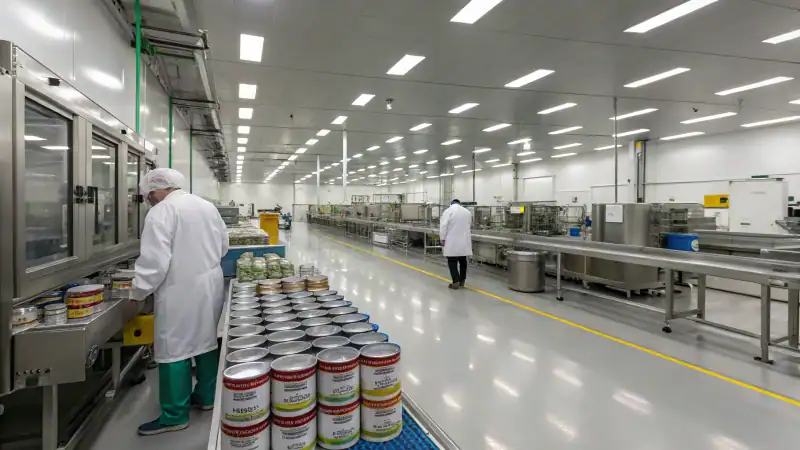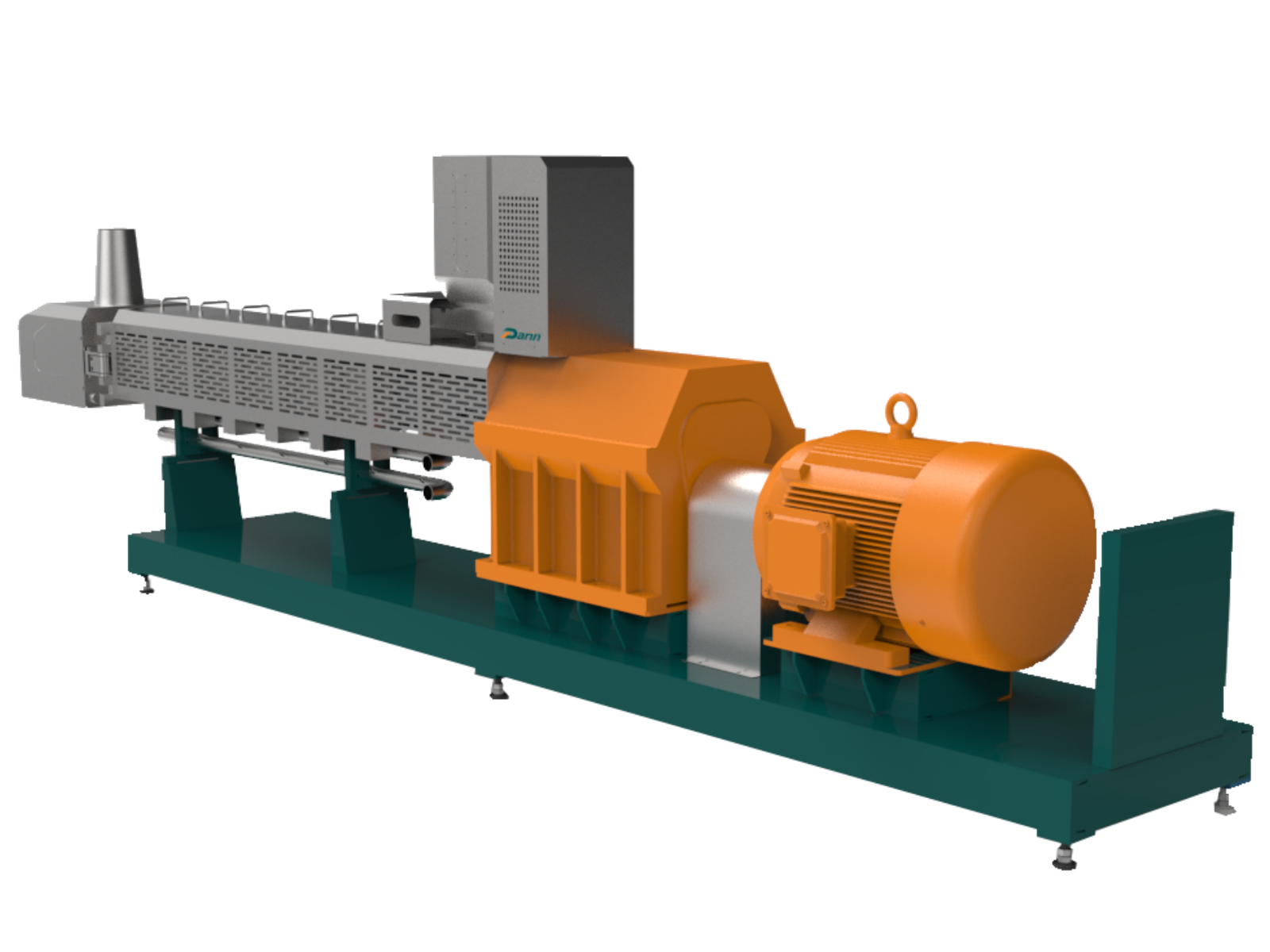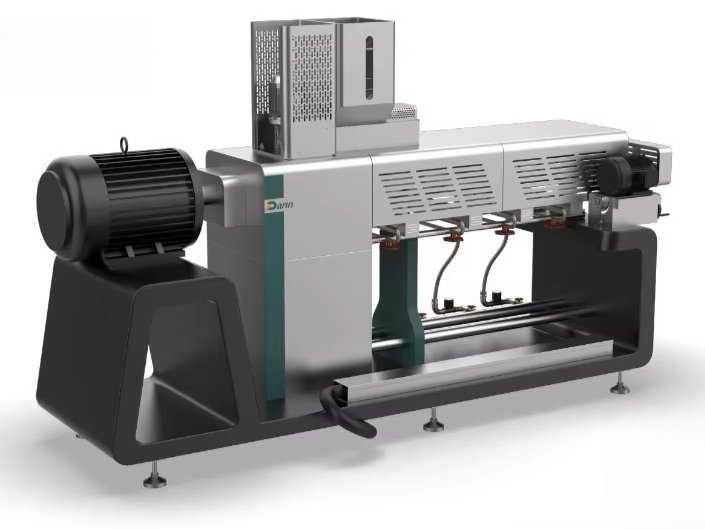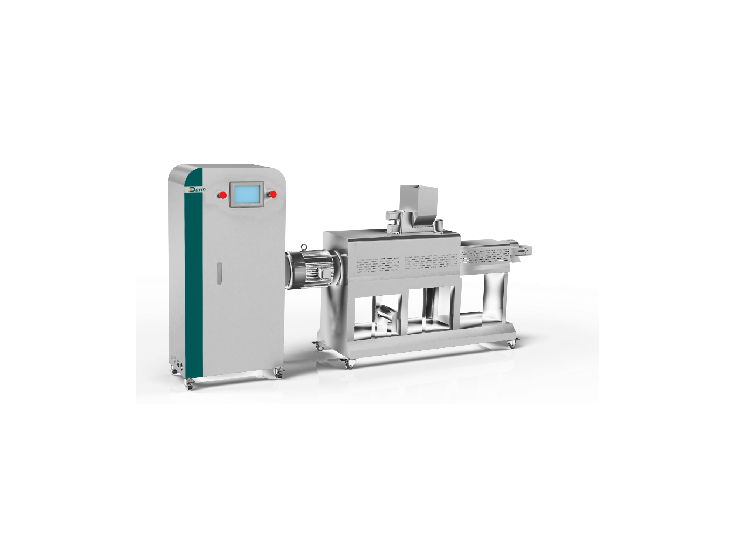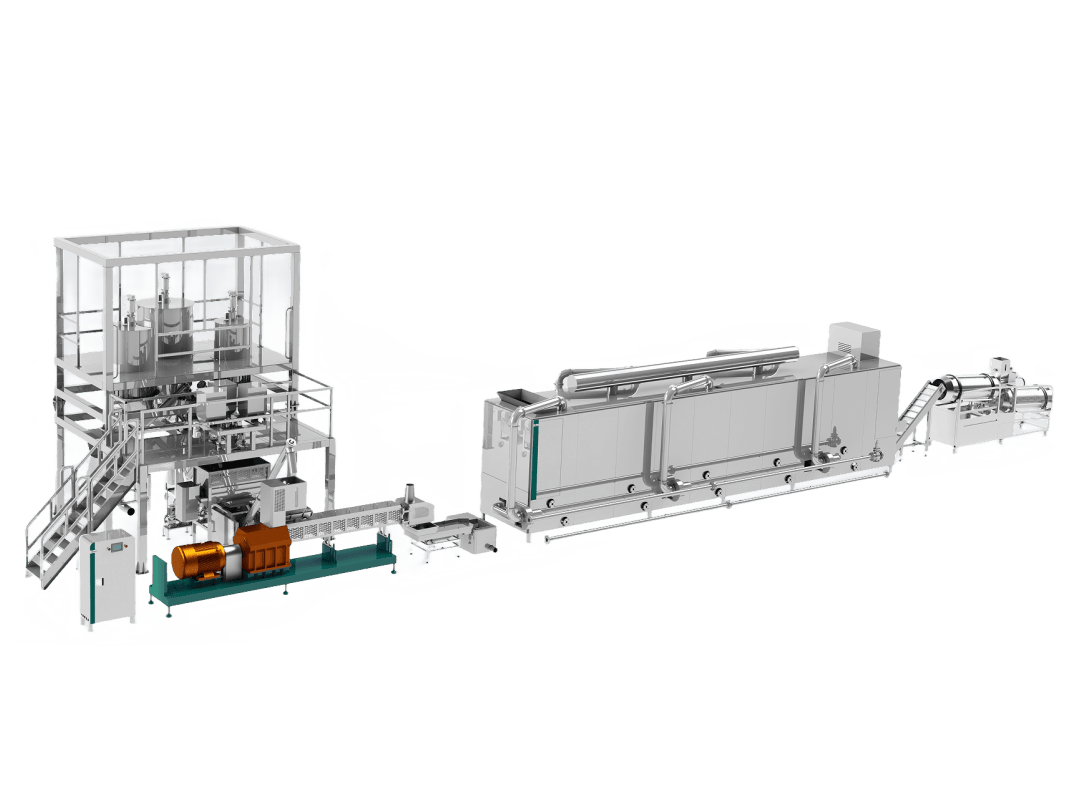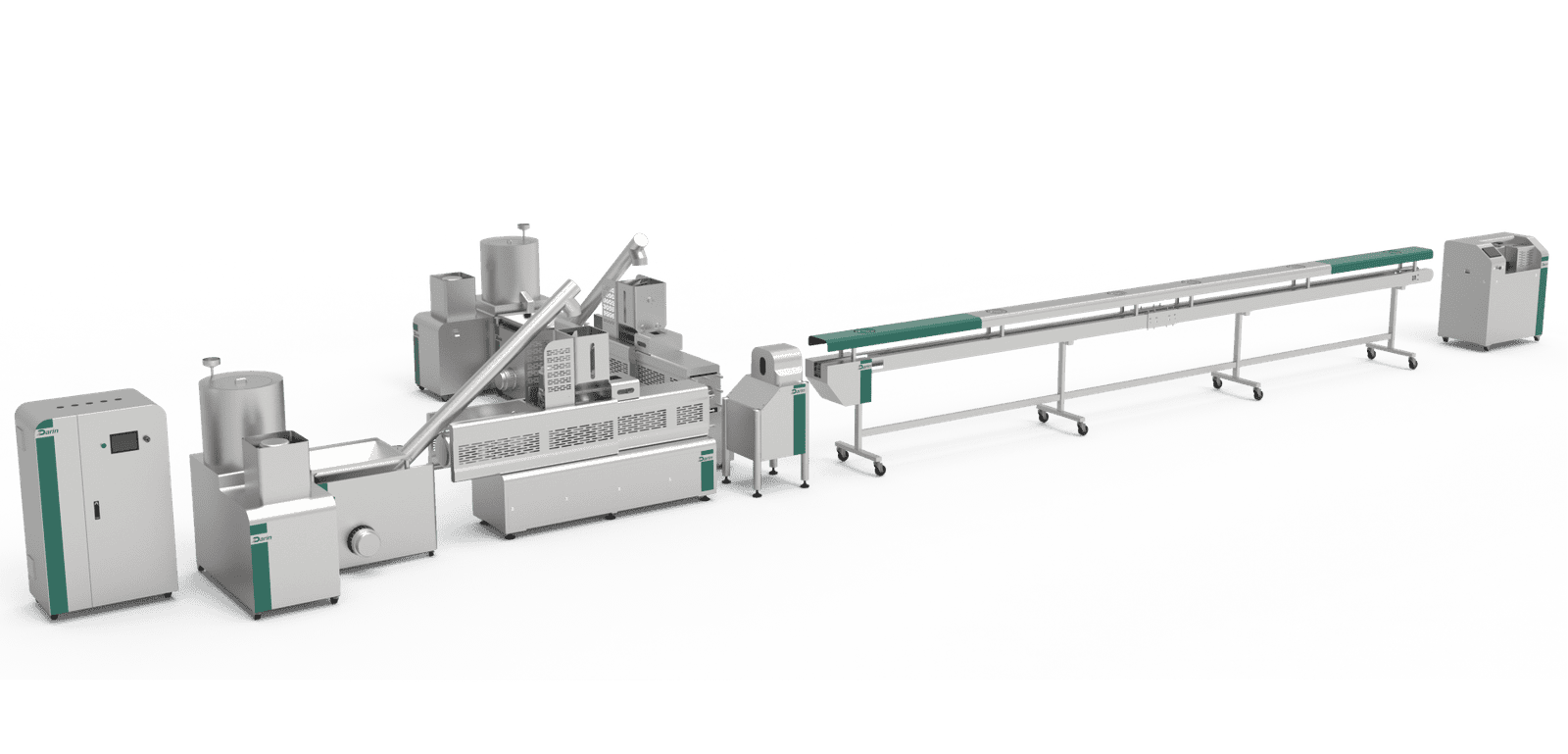
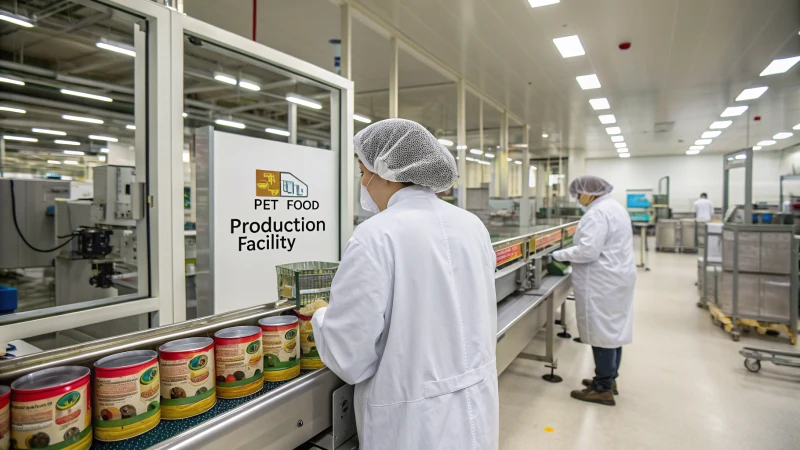
In the competitive pet food market, canned products hold a strong position due to their long shelf life, high moisture content, and premium image. However, without a professionally designed production line, manufacturers face risks such as inconsistent filling volumes, seal failures, microbial contamination, and shortened shelf life. These issues can quickly lead to costly recalls, product waste, and loss of brand trust.
A pet canned food production line solves these challenges by automating every stage — from ingredient preparation and cooking to filling, seaming, sterilization, and final packaging — ensuring consistent quality, safety, and efficiency at scale.
A pet canned food production line is a coordinated system of industrial machinery designed to process raw ingredients such as fresh meat, fish, vegetables, grains, and supplements into sealed, shelf-stable canned pet food. The process involves ingredient preparation, grinding, mixing, cooking, can filling, hermetic sealing, retort sterilization, cooling, and packaging. Each stage operates under strict food safety controls to meet HACCP, ISO, and FDA standards, ensuring long-term storage without compromising nutritional quality or palatability.
For pet food manufacturers, understanding how a canned food production line works is critical for meeting market demand, ensuring global compliance, and optimizing production costs. In the following sections, we will detail each process stage, compare equipment options, and showcase Darin Machinery’s proven solutions for pet canned food manufacturing.
Pet canned food production lines can only produce products for cats.False
Pet canned food production lines can produce products for both cats and dogs, and can handle a wide variety of recipes and textures.
1. Understanding the Pet Canned Food Production Line Concept
A pet canned food production line is a fully integrated industrial system designed to convert raw ingredients — such as fresh meat, poultry, fish, vegetables, cereals, oils, vitamins, and minerals — into sealed, shelf-stable canned products for cats, dogs, and other pets.
Unlike dry pet food, canned products typically contain 70–85% moisture and require precise cooking, hermetic sealing, and commercial sterilization to ensure microbiological safety and long-term stability without the use of chemical preservatives.
The entire line is designed for high-volume, hygienic, and repeatable production, maintaining strict compliance with HACCP, ISO 22000, CE, and FDA standards to meet domestic and export market requirements.
2. Main Categories of Pet Canned Food
Pet canned food comes in several styles, each with distinct processing requirements and consumer appeal.
| Product Type | Moisture Content | Typical Shelf Life | Texture & Format | Packaging Size | Key Processing Method |
|---|---|---|---|---|---|
| Chunks in Gravy | 75–80% | 12–36 months | Meaty chunks with sauce | 85–400 g cans | Cooking + retort |
| Chunks in Jelly | 75–80% | 12–36 months | Meat chunks in gel matrix | 85–400 g cans | Cooking + gel prep + retort |
| Pâté / Loaf | 70–75% | 12–36 months | Smooth, uniform paste | 85–400 g cans | Emulsification + retort |
| Stew Style | 75–85% | 12–36 months | Chunky meat & vegetables | 85–400 g cans | Multi-stage cooking + retort |
3. General Pet Canned Food Production Flow
While each format varies in recipe and texture, the core workflow for a canned pet food line typically includes:
- Raw Material Reception & Storage – Fresh and frozen ingredients are received, inspected, and stored under temperature control.
- Grinding & Size Reduction – Meat and other solids are ground to the required particle size.
- Mixing & Blending – Ingredients are blended with water, oils, seasonings, and functional additives.
- Cooking – Meat chunks or pâté base are cooked to the desired doneness.
- Can Filling – Hot product is portioned into pre-cleaned cans with precise weight control.
- Seaming – Cans are hermetically sealed to prevent contamination.
- Retort Sterilization – High-temperature, high-pressure sterilization ensures food safety and extends shelf life.
- Cooling – Rapid cooling to prevent overcooking and preserve texture.
- Labelling & Packing – Cans are labeled, date-coded, and packed into cartons for distribution.
4. Workflow Differences by Product Type
| Step | Chunks in Gravy | Pâté / Loaf | Chunks in Jelly |
|---|---|---|---|
| Grinding | Coarse cut for meat identity | Fine grind for smooth texture | Coarse cut for chunks |
| Mixing | Separate meat and gravy | All ingredients emulsified | Separate meat and gel |
| Cooking | Meat cooked, gravy prepared separately | Cooked during emulsification | Meat chunks cooked, gel prepared separately |
| Filling | Meat + hot gravy combined in can | Hot pâté base filled directly | Meat + gel filled together |
| Retort | Standard cycle | Standard cycle | Slightly extended cycle for gel set |
5. Example: Chunks in Gravy Canned Pet Food Process Flow
- Ingredient Storage – Chilled (0–4°C) for fresh meat, frozen (-18°C) for frozen meat.
- Grinding – 8–12 mm plate for chunk definition.
- Gravy Preparation – Gravy base cooked separately with water, fats, starch, and seasonings.
- Meat Cooking – Meat chunks cooked in steam kettle or continuous cooker.
- Filling – Meat chunks and hot gravy dosed into cans.
- Seaming – Hermetically sealed using can seamer.
- Retort Sterilization – 121°C for 45–90 minutes, depending on can size and recipe.
- Cooling – Rapid water spray or immersion cooling to ≤35°C.
- Labelling & Packing – Printed labels applied, date code stamped, and cartons prepared.
6. Key Equipment in a Pet Canned Food Production Line
A pet canned food production line uses specialized, hygienic, and high-capacity machinery to process high-moisture products safely and efficiently.
The selection and configuration of equipment depend on capacity requirements, recipe styles (chunks, pâté, stew), and packaging specifications.
6.1 Core Equipment Overview
| Machine | Function | Capacity Range | Power (kW) | Material | Key Features | Typical Lifespan |
|---|---|---|---|---|---|---|
| Cold Storage & Freezers | Preserve raw/frozen materials | N/A | N/A | Food-grade insulated panels | Temp control 0–4°C / -18°C | 15+ years |
| Meat Grinder / Dicer | Size reduction for meat & vegetables | 500–8,000 kg/h | 7.5–45 | SS304 | Interchangeable plates for coarse/fine cuts | 8–12 years |
| Mixer / Emulsifier | Blend ingredients to uniform texture | 500–3,000 kg/batch | 7.5–30 | SS304 | Vacuum option to reduce air pockets | 10+ years |
| Steam Jacketed Kettle | Cook meat, gravy, or gel base | 300–2,500 L | 15–45 | SS304 | Steam heating, variable-speed agitator | 12+ years |
| Filling Machine | Portion product into cans | 30–200 cans/min | 5–15 | SS304 | Multi-head dosing for chunks/sauce | 10+ years |
| Can Seamer | Hermetically seal cans | 30–200 cans/min | 3–10 | SS304 | Vacuum or nitrogen flush sealing | 10+ years |
| Retort Sterilizer (Autoclave) | Heat sterilization | 300–6,000 kg/h | 45–90 | SS304 | F0 ≥ 8, overpressure control | 15+ years |
| Cooling Tunnel | Rapidly cool sterilized cans | 500–6,000 kg/h | 5–15 | SS304 | Prevents overcooking & spoilage | 12+ years |
| Labelling & Packaging Line | Label, date code, and pack | 20–100 cans/min | 3–12 | SS304 | For multiple can sizes | 10+ years |
7. Process Parameters by Product Type
Controlling processing parameters is critical for texture, safety, and shelf life.
7.1 Chunks in Gravy
| Stage | Parameter | Target Value |
|---|---|---|
| Grinding | Plate size | 8–12 mm |
| Cooking | Core temp | ≥ 80°C |
| Filling Temp | Product temp | 85–90°C |
| Retort | Temp/time | 121°C / 45–90 min |
| Cooling | Final temp | ≤ 35°C |
7.2 Pâté / Loaf
| Stage | Parameter | Target Value |
|---|---|---|
| Emulsification | Particle size | ≤ 3 mm |
| Cooking | Core temp | ≥ 80°C |
| Filling Temp | Product temp | 80–85°C |
| Retort | Temp/time | 121°C / 45–90 min |
| Cooling | Final temp | ≤ 35°C |
7.3 Chunks in Jelly
| Stage | Parameter | Target Value |
|---|---|---|
| Grinding | Plate size | 8–10 mm |
| Gel Preparation | Gel temp | 80–85°C |
| Filling Temp | Product temp | 85–90°C |
| Retort | Temp/time | 121°C / 50–95 min |
| Cooling | Final temp | ≤ 35°C |
8. Investment Cost & ROI Analysis
The total cost of a pet canned food production line depends on capacity, automation level, and packaging flexibility.
| Plant Size | Capacity | Estimated CapEx (USD) | OpEx (USD/h) | Payback Period |
|---|---|---|---|---|
| Small | 1 t/h | 350k–480k | 150–220 | 2.5–3 yrs |
| Medium | 3 t/h | 620k–850k | 300–400 | 2–2.5 yrs |
| Large | 5+ t/h | 950k–1.25M | 450–600 | 1.5–2 yrs |
9. Darin Machinery Global Case Studies
Case Study 1 – 3 t/h Canned Cat Food Line in Germany
- Challenge: Meat chunks breaking apart during retort.
- Solution: Installed low-shear kettles with gentle agitation and optimized retort profile.
- CapEx: USD 800,000
- Result: Maintained 92%+ chunk integrity, improved product presentation.
- Payback Period: 2.0 years
Case Study 2 – 2.5 t/h Canned Dog Food Line in Chile
- Challenge: Short shelf life in hot climate.
- Solution: Integrated overpressure retort with automated cooling tunnel.
- CapEx: USD 670,000
- Result: Shelf life extended from 12 to 24 months; enabled export to new markets.
- Payback Period: 2.2 years
10. Quality Control & Compliance in Pet Canned Food Production
Canned pet food is a high-moisture, long-shelf-life product, which means strict hygiene and process control are non-negotiable. Darin Machinery designs production lines to meet HACCP, ISO 22000, CE, and FDA standards, ensuring product safety and global compliance.
10.1 Critical Control Points (CCPs)
| Stage | Risk | Control Method |
|---|---|---|
| Raw Material Reception | Contamination, spoilage | Lab testing, temperature logging, visual inspection |
| Grinding | Metal fragments | Inline magnets & sieves |
| Cooking | Undercooking | Temperature & time monitoring |
| Filling & Seaming | Seal failures | Seam inspection, vacuum/nitrogen flush |
| Retort Sterilization | Incomplete sterilization | F0 value validation, cycle control |
| Cooling | Recontamination | Filtered water cooling, sanitation protocol |
10.2 Product Testing & Documentation
- Nutritional Analysis: Protein, fat, fiber, ash, moisture
- Microbiological Testing: Salmonella, E. coli, molds, yeast
- Physical Quality: Chunk integrity, pâté texture, gravy viscosity
- Shelf Life Studies: Accelerated and real-time testing
- Traceability: Batch records from raw ingredients to final shipment
11. Maintenance & Troubleshooting Guide
11.1 Preventive Maintenance Schedule
| Equipment | Daily | Weekly | Monthly |
|---|---|---|---|
| Grinder | Clean plates | Inspect blades | Replace worn plates |
| Mixer/Emulsifier | Clean mixing chamber | Check bearings | Calibrate load cells |
| Kettle | Wash interior | Inspect steam seals | Check agitator bearings |
| Filler | Flush product path | Inspect dosing pistons | Lubricate moving parts |
| Seamer | Clean chuck & rollers | Check seam profile | Replace worn tooling |
| Retort | Inspect door seals | Check pressure/temperature gauges | Pressure test vessel |
| Cooling Tunnel | Remove debris | Inspect nozzles | Sanitize full system |
11.2 Common Issues & Solutions
| Issue | Likely Cause | Solution |
|---|---|---|
| Chunk disintegration | Overcooking, excessive agitation | Reduce cook time, adjust mixing speed |
| Seal failure | Contaminated seam area, low sealing pressure | Clean seam zone, adjust seamer |
| Short shelf life | Incomplete sterilization | Validate retort parameters |
| Texture changes | Over-processing in retort | Optimize cycle profile |
12. Frequently Asked Questions (FAQ)
Q1: Can one line produce both cat and dog canned food?
Yes. With flexible fillers, kettles, and recipe adjustments, one line can produce both cat and dog products.
Q2: How long does installation take?
Typically 6–10 weeks, depending on plant size and automation level.
Q3: What is the typical ROI for a Darin canned food line?
Most customers achieve ROI in 1.5–3 years.
13. Future Trends in Pet Canned Food Production
- Premiumization: Higher meat content, exotic protein sources, and human-grade recipes.
- Sustainable Packaging: Lightweight cans and recyclable materials.
- Automation: Robotics for depalletizing, filling, and palletizing.
- IoT Integration: Real-time monitoring of sterilization and filling accuracy.
- Ingredient Innovation: Insect protein, plant-based options, functional additives.
14. Your Next Steps to a Successful Pet Canned Food Plant
You’ve now seen how a professionally designed canned pet food production line can turn raw ingredients into safe, high-quality, and shelf-stable products that pets love and owners trust.
The difference between an average plant and a truly competitive one lies in process integration, product consistency, and strict compliance with food safety regulations.
This is where Darin Machinery excels — delivering turnkey solutions that combine engineering precision, hygienic design, and efficiency. Whether you need a small-batch premium line or a high-volume export facility, we guide you from concept to commissioning.
15. Take the First Step Today
📞 Contact Darin Machinery now to discuss your canned pet food production needs and receive a custom-engineered solution.
🌐 Visit: https://petreatsmachine.com
📧 Email: darin4@darin.cn