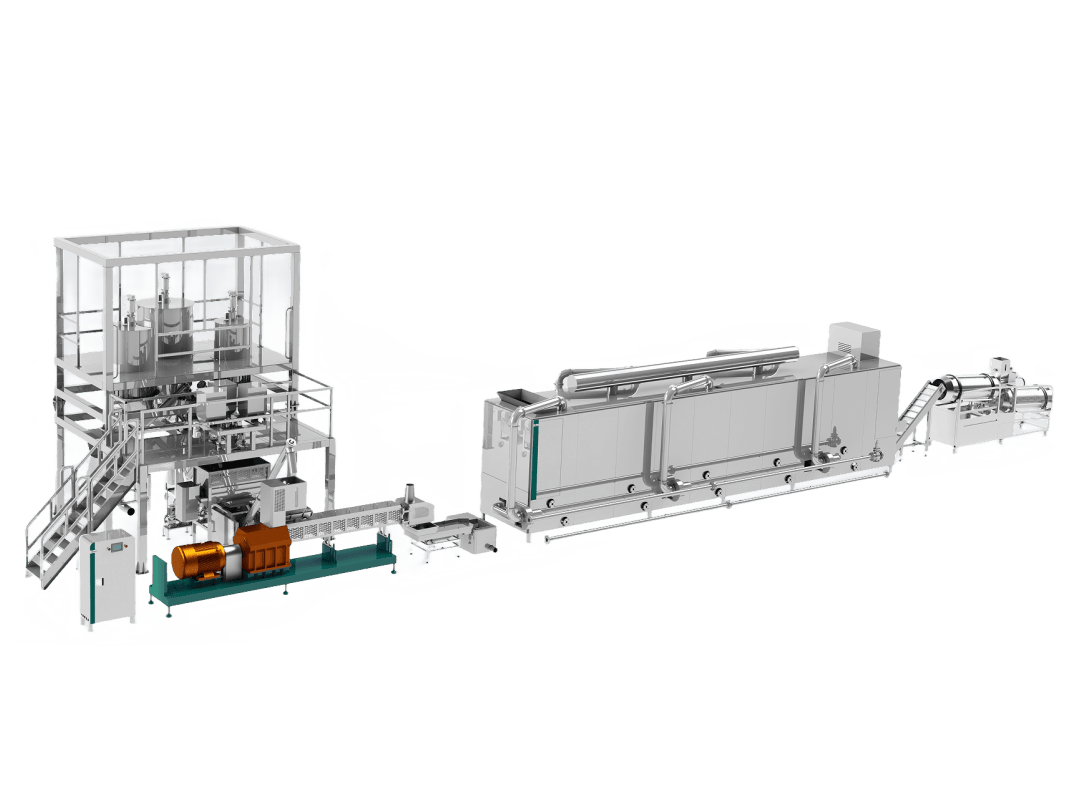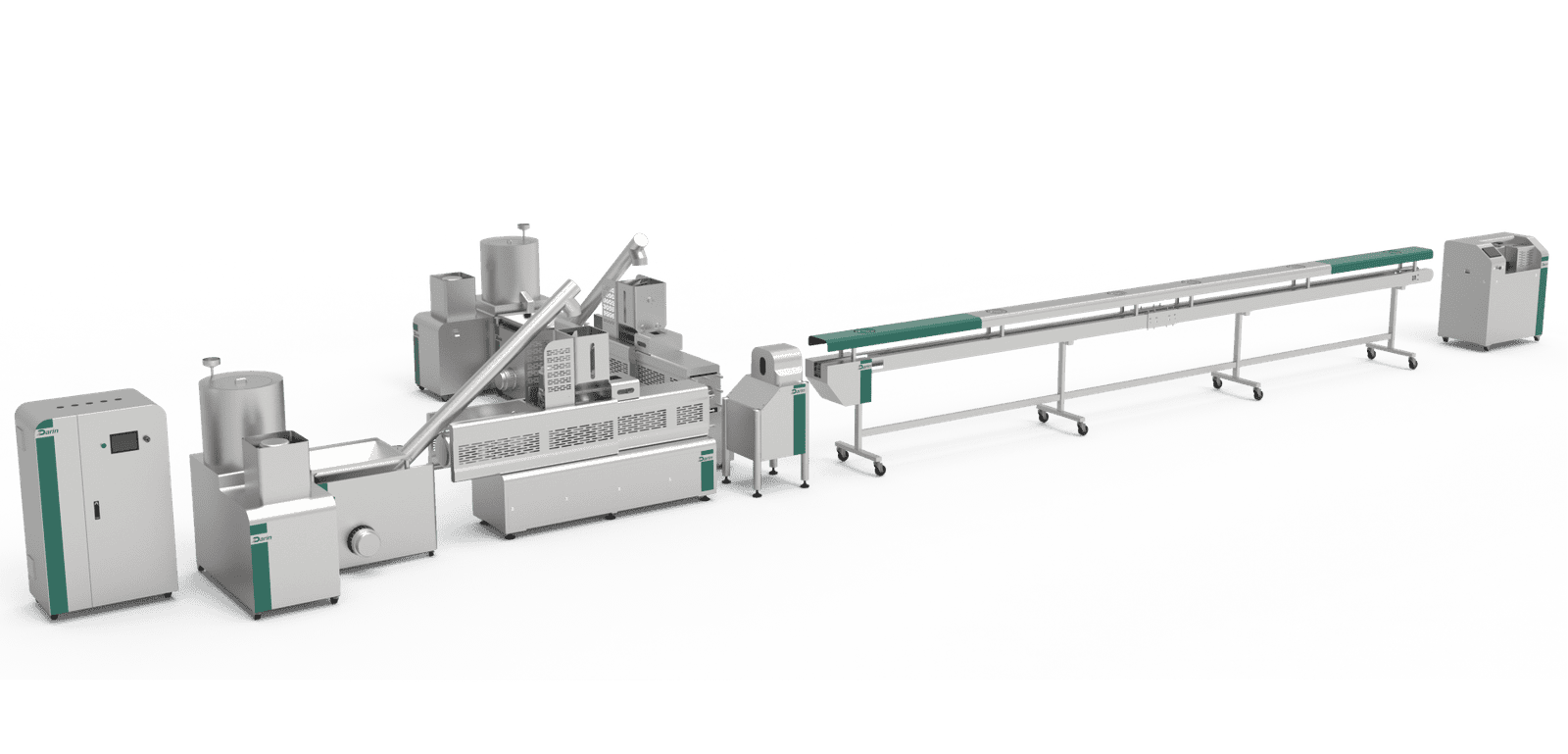

Producing high-quality kibble has become a major challenge for manufacturers worldwide. Many pet food plants still suffer from inconsistent moisture, broken shapes, over- or under-expanded pellets, unstable densities, and energy-hungry dryers that increase production cost. These problems don’t just impact profitability—they also trigger customer complaints, product recalls, and shelf-life failures caused by poor microbial stability. The root cause is almost always the same: outdated or incomplete equipment. Without a modern, fully integrated kibble production line, it becomes nearly impossible to stabilize texture, control water activity, achieve uniform cooking, and maintain consistent product quality batch after batch. Fortunately, advanced kibble equipment—especially continuous extrusion and drying systems—can solve these issues at scale. This article explains everything.
The equipment used to produce kibble includes raw material grinders, ribbon or paddle mixers, screw feeders, twin-screw extruders, cutting systems, pneumatic conveyors, multi-layer hot-air dryers, oil sprayers, flavoring drums, cooling conveyors, and automatic weighing–packaging systems. Together, they convert dry grains, proteins, vitamins, and fats into uniform, shelf-stable, nutritious kibble through controlled extrusion cooking and precise dehydration.
After understanding the core answer, it’s worth exploring the deeper engineering behind kibble production. The following sections reveal the complete technical flow, machinery design, parameter control, and factory integration that ensure consistent performance for commercial pet food manufacturers. Continue reading to learn how each piece of equipment works—and how to choose the right configuration for your plant.
Kibble can be produced without drying equipment.False
Extruded kibble exits the die at high moisture and must be dried to reduce water activity, prevent microbial growth, and ensure shelf stability.
Twin-screw extruders provide better control for kibble shaping and cooking.True
Twin-screw extruders offer superior mixing, shear control, torque stability, SME distribution, and process consistency, making them the preferred choice for kibble manufacturing.
Understanding the Complete Kibble Processing Line
Producing commercial kibble requires a continuous, synchronized, and fully automated line where each machine performs a specific transformation step under controlled engineering conditions. At the fundamental level, kibble manufacturing relies on four key process pillars: ingredient preparation, extrusion cooking, dehydration, and post-processing. Ingredient preparation includes grinding raw materials to uniform particle size—typically 60–80 mesh for starch-rich grains and 40–60 mesh for animal meals—to ensure repeatable extrusion performance. The mixed formulation is then conveyed to a dosing system where precision screw feeders regulate mass flow into the extruder. Inside the twin-screw extruder, raw materials undergo hydration, starch gelatinization, thermal–mechanical cooking, and structural expansion. The rotating knife cuts the extrudate into defined shapes and lengths before conveying it to the dryer. The multi-layer hot-air dryer reduces moisture from ~22% to 8–10%, establishing safe water activity levels below 0.6. After drying, oil coating systems apply palatants, fats, and flavors to enhance digestibility and consumer acceptance. Finally, the kibble is cooled, screened, and packaged under controlled conditions. This highly coordinated equipment ecosystem ensures that manufacturers can produce kibble consistently at volumes ranging from 100 kg/h to 10,000 kg/h depending on the chosen line configuration.
Start of the Deep Technical Breakdown: Ingredient Preparation
In any kibble production system, ingredient preparation is the foundation for process stability, nutritional accuracy, and final product quality. A typical formulation includes grains or starch sources such as corn, rice, wheat, or sorghum; animal protein meals including chicken meal, fish meal, or lamb meal; fats and oils; functional fibers; vitamin–mineral premixes; and specialty additives like yeast extracts or palatants. Achieving uniformity requires precise grinding using hammer mills or pin mills to minimize particle size deviation. Larger, inconsistent particles can disrupt extrusion cooking by decreasing SME (Specific Mechanical Energy) distribution and blocking uniform hydration. A properly engineered grinding system therefore improves extruder efficiency, increases starch gelatinization rates, and enhances kibble texture. After grinding, materials enter a mixing system—typically a ribbon mixer or paddle mixer with 5–10 minutes residence time—where they are combined according to the formulation recipe. These mixers ensure homogeneity within ±5% variance, which is critical for nutrient consistency and quality control. Once mixed, the meal is conveyed via augers or vacuum systems to storage silos or direct feeding hoppers. Automated batching systems mounted beneath these hoppers allow accurate dosing of each component using servo-driven screw feeders. This level of precision prevents formulation drift and supports compliance with regulatory standards such as AAFCO, FEDIAF, and GMP+. With the preparation stage completed, the material is ready for controlled extrusion cooking—the heart of the kibble line and the next step in the production sequence.
Extrusion Cooking: The Core of Kibble Manufacturing
Extrusion cooking is the most critical stage in the entire kibble production line because it determines the product’s internal structure, density, texture, digestibility, expansion ratio, and microbial safety. In a modern kibble plant, a twin-screw extruder is overwhelmingly preferred due to its superior torque stability, controllable shear, modular screw configuration, and consistent energy transfer efficiency. Inside the extruder, raw materials undergo a sequence of physical and chemical transformations including hydration, mixing, kneading, protein denaturation, starch gelatinization, fat dispersion, and controlled expansion. These transformations occur due to the combined effects of mechanical shear, thermal energy, steam injection, and pressure build-up within the barrel. The material is progressively conveyed and compressed along multiple screw zones, where barrel temperature is typically controlled between 70°C and 150°C depending on the recipe and desired texture profile. The gelatinized mass is then pushed through a die plate where sudden pressure drop causes moisture flash-off, forming the expanded porous structure typical of kibble. A rotating knife assembly immediately cuts the extrudate into uniform lengths. From an engineering standpoint, extrusion allows precise control of moisture content, SME (Specific Mechanical Energy), torque load, bulk density, and product shape. This ensures consistent kibble performance whether producing standard, premium, or grain-free formulas. Twin-screw extrusion also increases microbial safety, as the combined high temperature and short-time cooking effectively destroy pathogens such as Salmonella and molds, guaranteeing regulatory compliance.
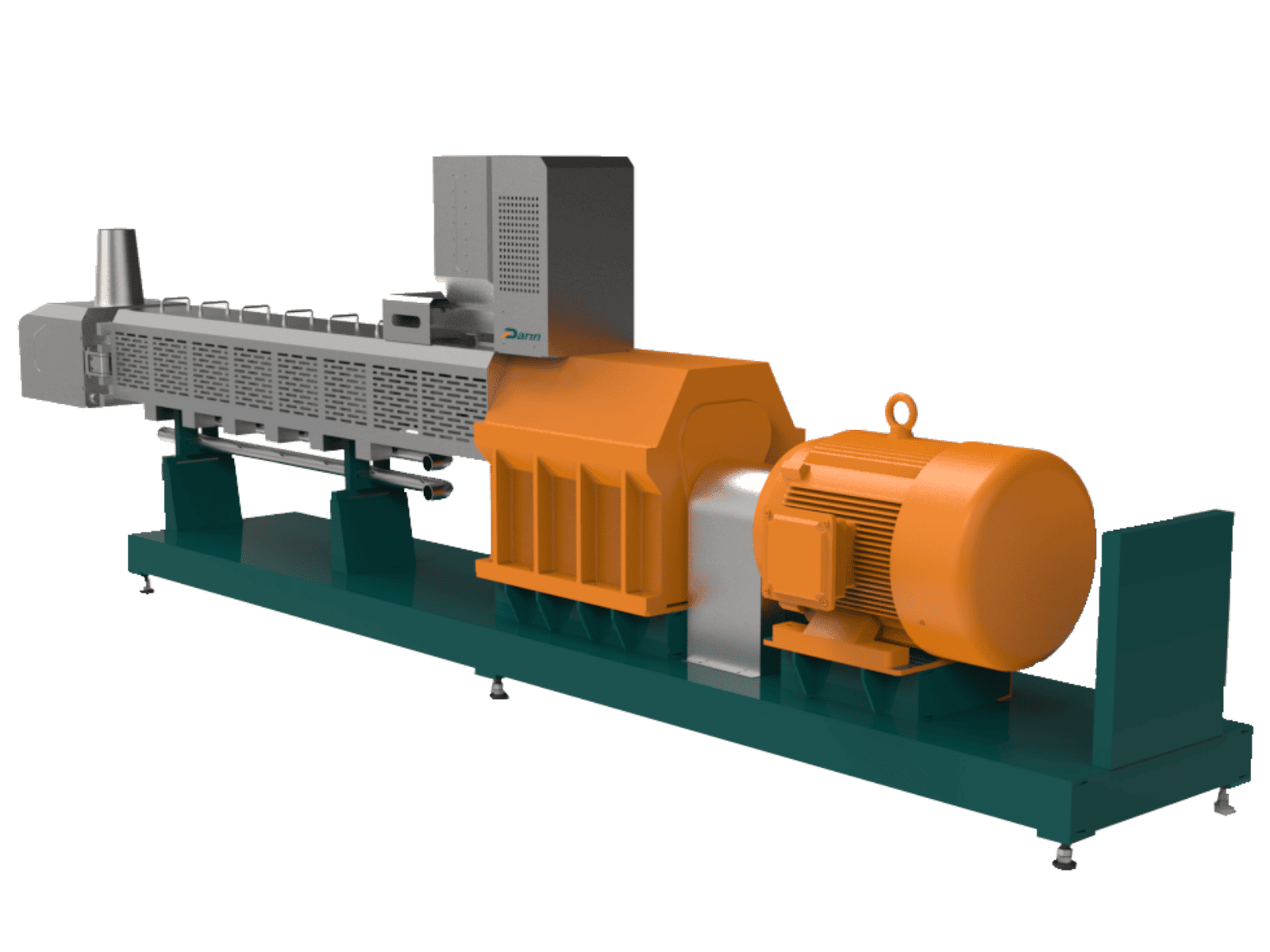
Key Extruder Components and Their Functions
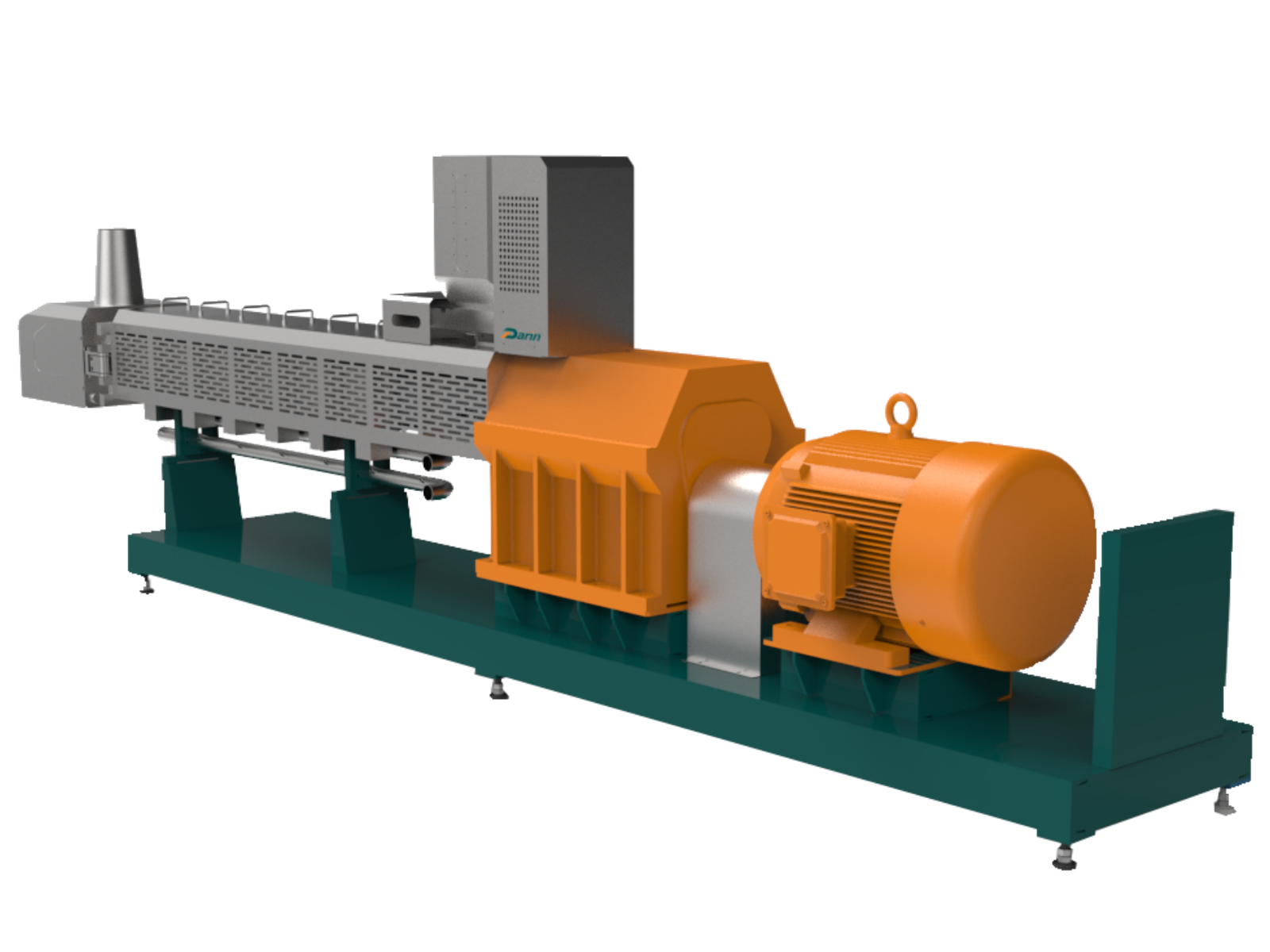
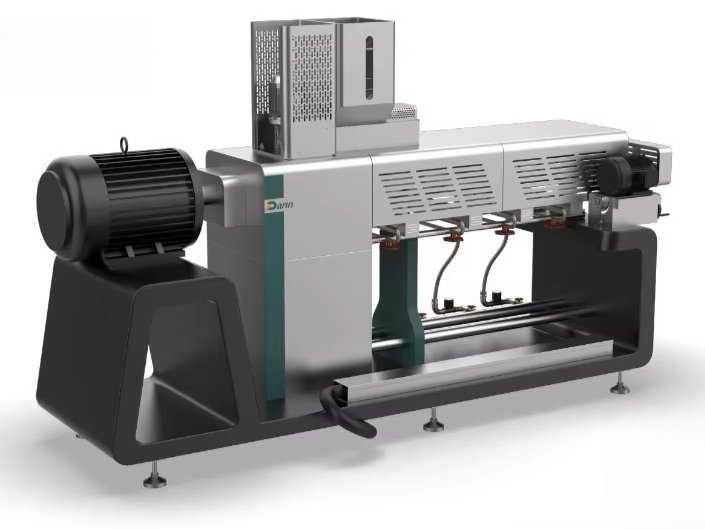
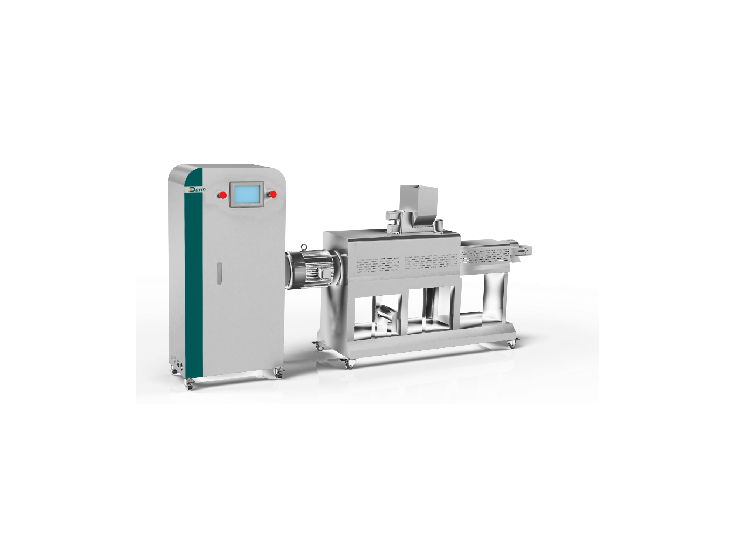
The twin-screw extruder is composed of several high-performance engineering subsystems, each serving a crucial role in shaping product quality. The feeding system provides consistent mass flow into the barrel to prevent surging and maintain stable torque. The conditioning system injects steam and water to prehydrate powders, improving starch gelatinization efficiency. The barrel sections—constructed from high-strength alloy steel with wear-resistant liners—house the screws and determine temperature, pressure, and shear distribution. Modular screw elements allow customization of conveying, mixing, kneading, and cooking zones to match product requirements. The die head defines shape and expansion while providing back-pressure for proper cooking. Finally, the cutting system controls pellet size uniformity, affecting drying behavior and palatability. The control cabinet integrates PLC automation with touchscreen interfaces that monitor torque, SME, pressure, temperature, and feed rates in real time. With advanced PID algorithms, modern systems maintain stable extrusion parameters even when raw material conditions fluctuate.
Table 1. Typical Extrusion Parameters for Different Types of Kibble
| Kibble Type | Barrel Moisture (%) | Barrel Temperature (°C) | SME (Wh/kg) | Bulk Density (g/L) | Notes |
|---|---|---|---|---|---|
| Standard Dog Kibble | 25–28% | 110–130 | 90–140 | 320–380 | Balanced expansion, moderate hardness |
| High-Protein Kibble | 23–26% | 100–115 | 130–180 | 380–450 | Higher density, lower expansion |
| Grain-Free Kibble | 26–30% | 120–145 | 110–160 | 350–420 | Requires higher moisture to avoid burning |
| Cat Kibble | 25–28% | 115–135 | 100–150 | 400–480 | Smaller diameter, precise cutting |
| Dental Chews (Semi-Extruded) | 28–32% | 90–110 | 50–90 | 550–750 | Low expansion, chewy texture |
This table illustrates how different formulations demand different extrusion profiles. High-protein and grain-free recipes require careful torque and SME management to prevent mechanical overload or scorching. Cat kibble, due to its small diameter (1.2–3 mm), requires precise die control and faster cutting speeds, while dental chews rely on low-SME, low-expansion processing to produce a dense structure that enhances chewing time.
Post-Extrusion Conveying and Size Control
After extrusion, the fresh kibble—still hot and containing approximately 20–26% moisture—must be transported efficiently to the drying system without losing shape or breaking. This is typically achieved using pneumatic conveyors, belt elevators, or air-cooling conveyors. Pneumatic conveying offers high hygiene and continuous operation, but requires careful velocity control to prevent mechanical damage to fragile shapes. Air-cooling conveyors are particularly useful because they gently reduce surface temperature and begin the initial phase of moisture removal, improving dryer efficiency. In this stage, screening machines may also be installed to remove fines or oversized pieces that negatively affect downstream drying and coating processes. The objective is to stabilize the product’s physical characteristics before entering the dryer, ensuring uniform dehydration and preventing case hardening. This is especially important for high-value kibble shapes such as star, triangle, pillow, or ring cuts, where dimensional stability directly affects customer perception and packaging presentation.
Multi-Layer Drying: Stabilizing Moisture, Texture, and Shelf Life
Drying is one of the most engineering-intensive stages in the kibble production line because it directly determines water activity (Aw), shelf stability, texture uniformity, and microbial safety. When kibble exits the extruder, its moisture content is typically between 20% and 26%, depending on formulation, SME, barrel moisture, and die configuration. At this stage the product is still fragile, warm, and susceptible to microbial proliferation. The purpose of the drying system is to gently remove moisture until the kibble reaches 8–10% total moisture, corresponding to a water activity below 0.60, which is the threshold for preventing mold, yeast, and most bacterial growth. Industrial dryers used for kibble are usually continuous multi-layer belt dryers, which move the product through several zones of controlled temperature, humidity, and airflow. This multi-step approach supports uniform moisture migration from the core to the surface of each kibble piece. Uneven drying—such as case-hardening caused by excessive inlet air temperature—can trap internal moisture, increasing the risk of spoilage later in storage. Therefore, drying profiles must be carefully engineered to balance residence time, air velocity, temperature gradients, and exhaust humidity.
A typical dryer consists of three to five layers made from food-grade stainless steel mesh belts. Each layer is independently controlled for temperature (typically 70–160°C depending on product type), airflow direction, belt speed, and exhaust management. Fresh kibble is evenly distributed onto the top layer via vibratory feeders to prevent clumping. As the product passes through each zone, warm air penetrates the kibble structure and evaporates bound and free water. Recirculation fans ensure consistent heat transfer, while exhaust ports remove moisture-laden air to maintain drying efficiency. The belt speed determines residence time—often ranging from 12 to 45 minutes depending on line capacity and moisture load. To achieve precise control, PLC automation continuously monitors real-time moisture data from inline sensors or sampling ports. For high-protein or delicate grain-free formulations, slower drying curves with lower air temperatures are preferred to prevent scorching or surface cracking. After drying, the kibble temperature is still elevated, so the product must pass through a cooling section before entering the oil-coating system. This post-dryer cooling stabilizes the structure and prevents condensation in packaging.
From an engineering perspective, optimizing drying requires understanding the interplay between airflow (m³/h), temperature gradients, delta-T, moisture removal rate, and kibble geometry. Larger kibble shapes require longer residence times or higher airflow volumes because their internal core dries more slowly. Smaller cat kibble dries faster due to higher surface-area-to-volume ratio. Additionally, fat content influences drying efficiency because higher lipid levels slow moisture migration. This is why diet-type variation—such as high-meat formulas—requires customized drying curves. Effective drying not only stabilizes shelf life but also improves kibble texture, ensuring a crispy bite without becoming too fragile or crumbly. Mastering this stage is fundamental for producing premium kibble consistently across every batch.

Key Drying System Parameters and Engineering Considerations
Dryer setup varies by recipe, line capacity, and target water activity. The table below outlines common operational ranges for modern multi-layer kibble dryers.
Table 2. Common Drying Parameters for Commercial Kibble
| Parameter | Typical Range | Engineering Impact |
|---|---|---|
| Inlet Air Temperature | 100–160°C | Higher temperature accelerates evaporation but may cause case hardening if too high |
| Outlet Air Temperature | 60–90°C | Indicates moisture removal efficiency; too low suggests poor airflow |
| Airflow Volume | 3,000–12,000 m³/h | Larger airflow supports higher capacity lines and uniform drying |
| Residence Time | 12–45 minutes | Longer time needed for large kibble formats or high-moisture recipes |
| Moisture Reduction | ~20–26% → 8–10% | Critical for shelf stability and microbial control |
| Belt Speed | 0.3–3.5 m/min | Must be adjusted precisely for different recipes |
| Air Recirculation Ratio | 60–85% | Improves energy efficiency; lower ratios reduce contamination risk |
These parameters are adjusted depending on the plant’s output capacity. For example, small plants (100–300 kg/h) may use compact single-layer dryers, while mid-to-large facilities (1,000–5,000 kg/h) require multi-layer structures to maintain consistent moisture removal without expanding the line footprint.
Engineering Mechanics of Airflow, Heat Transfer, and Moisture Migration
During drying, heat transfer occurs through conduction, convection, and minimal radiation. Convection is the dominant mechanism because hot air passing across the kibble surface drives the evaporation process. Moisture at the surface evaporates first, and internal moisture gradually migrates outward to replace it. If the dryer’s inlet temperature is too high, the outer layer of the kibble hardens prematurely—known as case hardening—preventing internal moisture from escaping. This leads to under-dried cores and potential microbial instability. This is why multi-layer systems use progressively decreasing temperature profiles: the first zone focuses on aggressive evaporation, while middle and final zones allow gentle moisture equalization and stabilization. Airflow direction (up-flow vs. down-flow) also influences drying efficiency. Down-flow configurations reduce kibble lifting or scattering and ensure deeper penetration of hot air through the bed. Humidity control is equally important: if exhaust systems fail to remove moisture-laden air quickly enough, drying efficiency plummets. Advanced dryers incorporate automatic exhaust dampers that adjust based on humidity sensors, maintaining optimal delta-T across zones.
Cooling systems integrated after the dryer work by introducing ambient or chilled air to bring kibble temperature down from 60–80°C to below 30°C. Cooling is necessary before oil spraying because applying palatants to hot kibble causes oxidation and unstable coating distribution. Additionally, cooling helps the kibble achieve structural stability, reducing breakage during conveying and packaging. These engineering considerations collectively ensure that kibble exiting the dryer is safe, shelf-stable, and ready for oil coating.
Oil Spraying and Flavor Coating: Enhancing Palatability and Nutritional Value
Once the kibble exits the dryer and cools to a stable temperature—typically below 30°C—it enters one of the most commercially important stages of the entire production line: oil spraying and flavor coating. This stage determines palatability, aroma, fat distribution, digestibility, and even the product’s market positioning. For premium brands, this coating system is a major differentiator because pets rely heavily on smell and taste. Even perfectly extruded kibble will perform poorly in the market if the coating is uneven, oxidized, or poorly absorbed. Modern factories therefore use highly engineered systems featuring vacuum coaters, drum coaters, or spray tunnels, depending on product requirements, fat inclusion rates, and line capacity.
During coating, fats, oils, palatants, powdered seasonings, digest sprays, probiotics, or post-extrusion nutrients are applied to the kibble surface in controlled amounts. Most dry kibble contains 6–12% added fat, although some high-energy formulas may reach 15% or more. The coating process requires precise distribution because inconsistent application leads to rancidity spots, poor aroma, greasy surface defects, and inaccurate nutritional labelling. In standard drum coaters, kibble enters a rotating drum where atomizing nozzles spray warm oil onto the tumbling product. The dynamic movement allows each pellet to be coated uniformly. For probiotic additives or heat-sensitive vitamins, powder dosing systems inject micro-powders after oil application to ensure adhesion without thermal degradation.
Vacuum coating is more advanced and often used for premium or grain-free products. In this system, kibble enters a sealed chamber where vacuum pressure reduces internal kibble air volume. When oil is introduced, the pressure differential forces it deep inside the porous structure rather than remaining on the surface. This significantly improves oxidation resistance, nutrient stability, and flavor retention. Vacuum coating also allows extremely accurate inclusion of palatants at levels below 0.2%, which is critical for high-value cat food.
Engineering considerations include nozzle type (pneumatic vs. hydraulic), droplet size distribution, spray angle, pump pressure, viscosity control, and oil temperature. Oil must be heated to a flow-friendly range—usually 40–60°C—without exceeding oxidation thresholds. Coating drums typically operate at 8–18 RPM, where rotation speed affects layer thickness and uniformity. Sensors monitor flow rate, line pressure, and oil consumption, ensuring compliance with formulation targets. The entire system must also be designed with CIP (Clean-In-Place) compatibility, as fat residues can harbor microorganisms or cause cross-contamination. A well-designed coating stage ensures the kibble achieves optimal palatability, energy density, flavor appeal, and nutritional accuracy—key factors for modern pet food consumers.

Cooling, Sieving, and Final Stabilization Before Packaging
After coating, kibble must undergo cooling to reduce external oil temperature, stabilize the surface, and prevent clumping or condensation in the packaging. Even though cooling occurs prior to coating, post-coating cooling is equally essential because warm oil can cause oxidative degradation that shortens shelf life. Forced-air cooling conveyors gently move kibble across perforated stainless-steel surfaces while blowing filtered ambient or chilled air upwards through the bed. This airflow removes residual heat and volatiles, ensuring the product reaches 25–30°C before entering manual inspection or sieving.
Sieving machines remove undersized crumbs, fines, broken pellets, and dust that would otherwise reduce packaging quality and consumer appeal. These fines can also interfere with downstream filling accuracy and create variation in net weight. Drum sieves or vibrating screens are commonly used depending on throughput size. Removing fines increases consistency and visual appearance while preventing packaging problems like dust layering inside pouches.
Cooling conveyors additionally serve as a buffer between high-speed coating systems and precision packaging machines. Because packaging relies on stable bulk density and temperature, proper cooling ensures accurate filling and weighing. Kibble with excessive temperature variance can cause flow irregularities in volumetric or multi-head weighing systems, reducing pack accuracy and increasing waste. From an engineering standpoint, the cooling system must maintain a stable thermal gradient, prevent moisture condensation, and minimize breakage. Kibble hardness increases slightly as it cools, making it less susceptible to mechanical scuffing during packaging. Therefore, the cooling stage is essential in delivering a uniform, high-quality final product to customers.
Data-Driven Overview of Post-Dryer Operations
Table 3. Post-Dryer Processing Parameters
| Process Stage | Typical Parameters | Purpose | Engineering Notes |
|---|---|---|---|
| Cooling | 20–30°C outlet temp | Stabilize kibble structure | Prevent condensation in packaging |
| Oil Spraying | 6–15% fat inclusion | Improve palatability & energy | Nozzle viscosity/pressure control required |
| Powder Coating | 0.2–2% | Vitamins/palatants/probiotics | Must occur after oil for adhesion |
| Sieving | Remove fines <1–2% | Improve appearance | Reduces dust in packaging area |
| Buffer Conveying | 1–5 min | Stabilize flow | Ensures consistent packaging feed |
Engineering Analysis: Coating System Efficiency & Energy Use
One of the key performance metrics of a coating system is distribution uniformity, usually measured by oil-coated surface weight variation. High-quality coaters achieve ±1% accuracy, while poorly designed coaters can vary by more than ±5%, leading to nutritional inaccuracies and shelf-life problems. Energy consumption in coating systems is relatively low, consisting primarily of motor power for drum rotation (0.75–3 kW), pump power for oil spraying (1–5 kW), and control systems. However, poor insulation, oil overheating, or long idle times increase operational costs.
A major engineering challenge is oxidation control. Oxygen exposure initiates lipid oxidation, producing rancid odors and reducing shelf stability. To combat this, nitrogen flushing, antioxidant premixes, and low-temperature coating strategies are used. Vacuum coaters further reduce oxidation by drawing oil into the product matrix and eliminating surface pooling. Another consideration is fat viscosity: high-saturation fats must be heated sufficiently to flow, but overheating accelerates oxidation. Maintaining fat at 40–55°C is ideal. Pump selection (gear pump vs. lobe pump) also affects flow consistency and droplet size.
Proper engineering integration ensures that the coating stage does not become a bottleneck. When designed correctly, it dramatically increases product value and consumer acceptance.
Packaging Systems: Precision, Hygiene, and Shelf-Life Protection
After cooling and sieving, the kibble is finally ready for the last major stage in the production process: automatic weighing, filling, sealing, and packaging. Although packaging may appear simple compared to extrusion or drying, it is in fact a highly technical stage that directly affects product shelf life, brand image, logistics efficiency, and regulatory compliance. Premium kibble brands invest heavily in advanced packaging systems because even the best-manufactured product can be ruined by poor sealing, inaccurate filling, or exposure to oxygen and humidity. In commercial production lines—including those designed by Darin Machinery—packaging is engineered as an integrated, fully automated subsystem that ensures consistency, hygiene, and precision.
The packaging process begins with multi-head weighers or linear weighers, depending on the line capacity and packaging size. Multi-head weighers are considered the gold standard for kibble production, offering fast weighing speeds (up to 120 bags per minute) and the ability to blend different kibble types within one package if desired. These systems use a combination of load cells and algorithmic optimization to select the combination of buckets that achieves the target weight with the least error. Accuracy is typically within ±0.5–1.0 grams, which is essential for meeting labeling regulations and minimizing product giveaway—a major hidden cost in high-volume manufacturing.
Once weighed, kibble is transferred into VFFS (Vertical Form-Fill-Seal) machines or pre-made pouch fill-and-seal systems. VFFS machines create bags from laminated roll film, forming a tube, sealing the bottom, dosing the kibble, and sealing the top in one continuous motion. Pouch machines handle pre-made stand-up or flat-bottom bags, which are preferred for premium products because of their attractive shelf presence. In both types, heat sealing must be precisely controlled. A seal that is too cold leads to weak bonds that can burst during transport, while a seal that is too hot can melt through the layers, damaging the package. PLC-controlled sealing jaws ensure consistent polymer bonding, often monitored by temperature sensors and servo-driven pressure controls.
Hygiene and contamination control are critical in packaging zones. Metal detectors and X-ray inspection systems are installed before packaging to eliminate foreign objects such as metal fragments, rubber pieces, or broken machine parts. These systems ensure compliance with global safety standards like HACCP, FDA FSMA, and EU food safety frameworks. After inspection, bags proceed to date-coding, nitrogen flushing, and final sealing. Nitrogen flushing displaces oxygen inside the bag, dramatically improving shelf life by reducing oxidative rancidity in the oil-coated kibble. This is especially important for grain-free or high-fat formulas, which have inherently higher oxidation risks.
The filled and sealed bags are then transported via conveyor to checkweighers, which verify that each bag meets net weight regulations. Bags that fall outside tolerance are automatically rejected. Passing bags are then directed toward cartoning machines, robotic palletizers, or manual packing stations. Robotic palletizers are increasingly common in large factories because they reduce labor cost, eliminate workplace injuries, and support continuous 24-hour production with high stacking precision.
From an engineering standpoint, the packaging area must be climate-controlled to maintain stable humidity and prevent moisture reabsorption. Even small fluctuations in ambient humidity can cause kibble to soften or lose shelf crispness. Therefore, most factories maintain packaging room relative humidity below 35% with HEPA-filtered air. Additionally, antistatic measures must be implemented in the packaging zone to prevent dust adhesion and maintain clean sealing surfaces.
Overall, packaging is the final guardian of product quality. A well-designed system ensures that kibble remains safe, flavorful, and visually appealing throughout its storage life—from the moment it leaves the factory to the moment a pet owner opens the bag at home.

Complete Kibble Production Workflow Overview
To reinforce understanding of how each subsystem integrates into a unified manufacturing line, the chart below summarizes the full production flow. This helps plant engineers visualize choke points, optimize layout, and design efficient manpower allocation.
Table 4. Complete Kibble Production Flow and Associated Equipment
| Stage | Equipment Used | Purpose | Key Engineering Considerations |
|---|---|---|---|
| Raw Material Grinding | Hammer mill / pin mill | Particle size reduction | 40–80 mesh depending on ingredient |
| Mixing | Ribbon or paddle mixer | Ingredient homogeneity | ±5% mixing variance |
| Dosing | Servo-driven screw feeders | Precision feeding | Stable mass flow and torque |
| Extrusion | Twin-screw extruder + conditioner | Gelatinization & shaping | SME, torque, moisture, temperature |
| Cutting | Rotary cutter | Define pellet length | RPM affects shape uniformity |
| Conveying | Pneumatic or belt conveyors | Transport hot kibble | Prevent breakage |
| Drying | Multi-layer dryer | Reduce moisture to 8–10% | Airflow, temperature, residence time |
| Cooling | Cooling conveyor | Stabilize temperature | Prevent condensation |
| Coating | Oil sprayer, flavor drum, vacuum coater | Palatability enhancement | Nozzle pressure, fat temp |
| Sieving | Vibrating screen | Remove fines | Improves packaging quality |
| Packaging | Weighers + VFFS or pouch machine | Final product preparation | Seal strength, nitrogen flush |
High-Level Engineering Chart: Kibble Moisture Transformation Curve
(Textual description per your rules—not an actual plotted image)
Moisture Curve Across Production Stages (Typical Example):
- Raw materials: 10–12%
- Post-conditioning: 18–22%
- Extruder die: 20–26%
- Dryer inlet: 20–26%
- Dryer outlet: 8–10%
- Post-cooling: 8–10% (stable)
- After coating: 8–10%
- Packaging: 8–10%
This moisture profile is crucial for engineers because deviation at any point can destabilize downstream quality. For example, insufficient moisture at the extruder inlet leads to poor gelatinization, while overly aggressive drying causes case hardening, trapping moisture inside.
Factory Layout, Utilities, and Production Line Integration
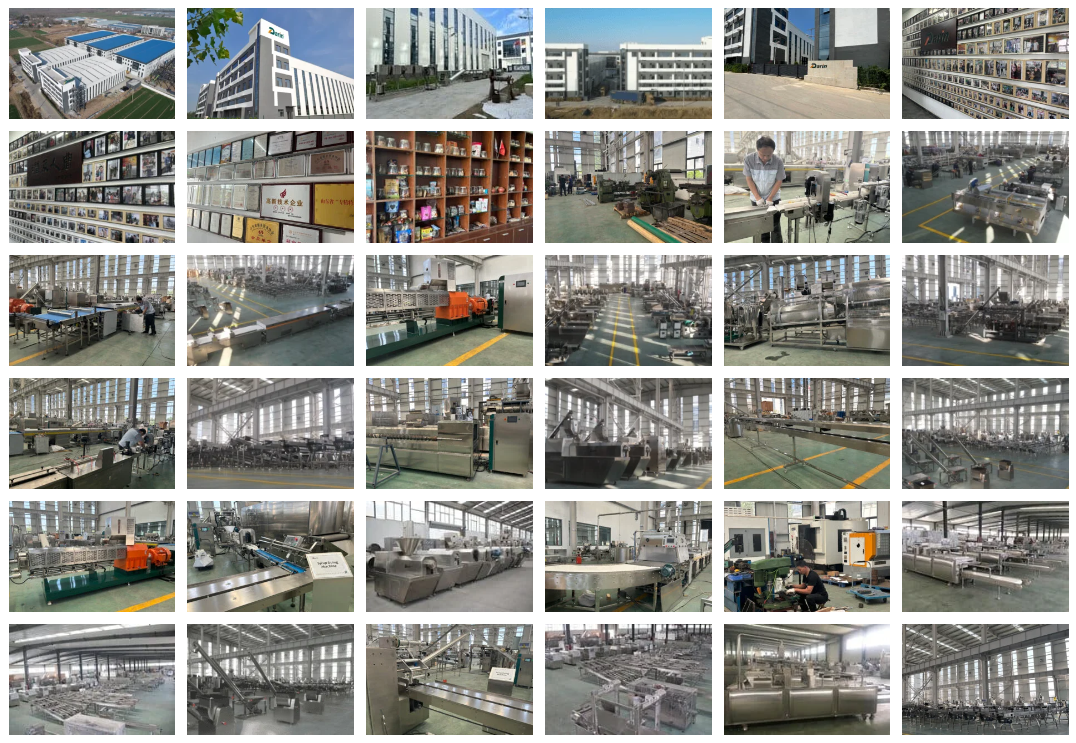
Designing the physical layout of a kibble production plant is just as important as selecting the right machinery. A poorly planned layout creates bottlenecks, cross-contamination risks, inefficient material flow, excessive energy consumption, and higher labor requirements. In contrast, a properly engineered factory layout—such as those implemented in Darin Machinery’s turnkey project services—ensures continuous flow, optimal sanitation, minimal handling, and maximum uptime. When designing a facility for 500 kg/h to 10,000 kg/h kibble output, engineers must evaluate multiple aspects: raw material storage, vertical vs. horizontal equipment alignment, utilities placement, air distribution, sanitation zones, and workflow logic.
A well-structured kibble plant typically follows a linear or L-shaped flow, beginning with raw material receiving, followed by grinding → mixing → batching → extrusion → drying → cooling → coating → packaging → warehousing. This unidirectional flow prevents cross-contamination and ensures that “dirty” processes (raw material handling) never intersect with “clean” processes (packaging). Ideally, raw materials are introduced at one end of the building and finished goods exit at the opposite end, reducing forklift traffic, improving hygiene, and supporting HACCP zoning. Vertical design is beneficial in many plants because gravity assists movement from storage silos to mixers, batching units, and extruders, reducing the need for mechanical conveying and lowering energy cost.
Utility planning is another critical engineering factor. Extruders require stable electrical supply with adequate transformer capacity. A mid-range twin-screw extruder (200–500 kg/h) may require 45–90 kW installed power, while large models (1–2 tons/h) may exceed 150–250 kW. Dryers require significant thermal energy, typically powered by electricity, natural gas, LPG, diesel, or steam heat exchangers. For example, a 5-layer dryer for a 1,000 kg/h line may need 300,000–600,000 kcal/h heating capacity. Air compressors are essential for pneumatic systems, cylinder actuators, and cleaning devices; cold air dryers are required to ensure dry, oil-free compressed air. Steam systems—if used—must include boilers, condensate return, water softening, blowdown management, and insulated piping. Plants in cold climates require additional heating for ingredient storage rooms to avoid condensation or hardening of fats.
Ventilation and air management are equally important. Dryers release large amounts of humid exhaust, which must be extracted through insulated ducts and sometimes heat-recovered for energy efficiency. Packaging rooms require HEPA filtration, positive air pressure, and cool, dry conditions to preserve product crispness. Meanwhile, dust from grinding and mixing stages must be captured using cyclones or bag filters to prevent inhalation hazards and reduce explosion risk. Sanitation zones must be separated, with hand-washing stations, PPE areas, and walls made of washable food-grade surfaces. CIP (Clean-In-Place) systems are installed on extruders, mixers, and coaters to reduce cleaning time and improve hygiene.
Manpower planning is also part of line integration. A highly automated 1,000–2,000 kg/h line may need just 4–6 operators per shift, whereas a 300–500 kg/h line may need 6–8 depending on packaging complexity. Engineers must ensure safe operator access to elevated platforms, screw removal areas, dryer access hatches, and oil storage tanks. Proper lighting, anti-slip flooring, and emergency stop placements must comply with CE, UL, or ISO occupational standards. Finally, the line must integrate SCADA or centralized PLC systems with unified data logging, torque monitoring, moisture control, trend graphs, alarm systems, and remote diagnostics. Modern Darin Machinery lines support remote troubleshooting and data recording, enabling predictive maintenance and minimizing downtime.
From a macro perspective, an optimized factory layout significantly improves ROI. Efficient flow minimizes waste, reduces energy consumption, speeds cleaning, and extends machinery life. This integration is why the world’s best-performing kibble plants focus heavily on engineering design before equipment installation.
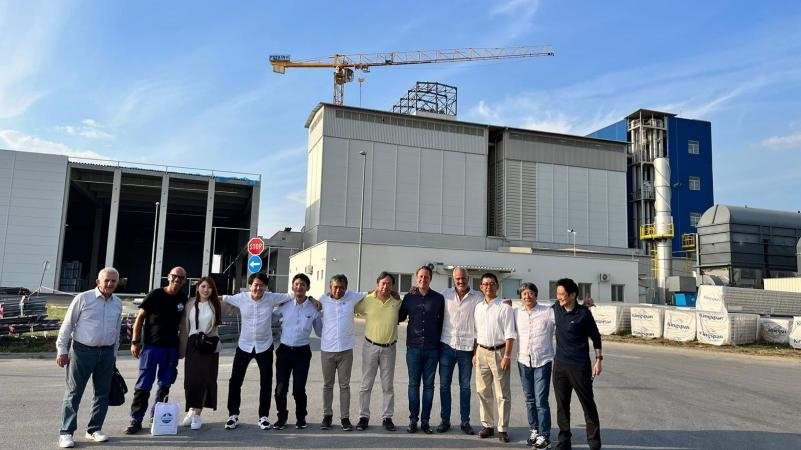
Factory Layout Example (1,000–2,000 kg/h Integrated Kibble Line)
Table 5. Example Facility Layout and Space Requirements
| Area | Recommended Size | Key Equipment | Engineering Notes |
|---|---|---|---|
| Raw Material Warehouse | 80–150 m² | Pallets, bulk bags | Dry & low-humidity storage (<50% RH) |
| Grinding & Mixing Room | 60–120 m² | Mill, mixer, batchers | Strong dust extraction needed |
| Extrusion Zone | 100–160 m² | Twin-screw extruder, conveyors | High electrical load; steam/water supply |
| Drying Room | 120–200 m² | Multi-layer dryer | Strong ventilation, insulated walls |
| Cooling & Coating Room | 60–100 m² | Cooler, sprayer, drum coater | Temperature control required |
| Packaging Room | 80–150 m² | Weighers, VFFS, metal detector | Needs positive pressure & dehumidification |
| Finished Goods Warehouse | 100–250 m² | Pallet racks | Avoid direct sunlight & moisture |
| Utility Zone | 50–120 m² | Boiler, air compressor, chiller | Adequate drainage and ventilation required |
This table illustrates typical engineering considerations for a mid-sized factory. For smaller-scale plants (<500 kg/h), rooms can be consolidated, while large-scale plants (>5,000 kg/h) require expanded, multi-line parallel configurations.
Utility Consumption and Engineering Load Distribution
Engineers must compute utility loads accurately to prevent power drops, overheating, or insufficient thermal output during peak production. Below is a typical utility profile for a 1,000 kg/h kibble production line.
Table 6. Utility Consumption Estimate (1,000 kg/h Line)
| Utility | Estimated Consumption | Notes |
|---|---|---|
| Electricity | 280–450 kWh | Extruder + dryer + packaging dominate demand |
| Thermal Energy | 300,000–600,000 kcal/h | For dryer and conditioning steam |
| Compressed Air | 1.0–1.8 m³/min at 0.6–0.8 MPa | Pneumatics + cleaning |
| Water Supply | 300–600 L/h | Steam generation + cleaning |
| Cooling Water | 2,000–4,000 L/h (closed loop) | Extruder, air compressor, vacuum pumps |
These values vary by recipe, environmental conditions, and automation level. Accurate load calculation ensures stable 24-hour production.
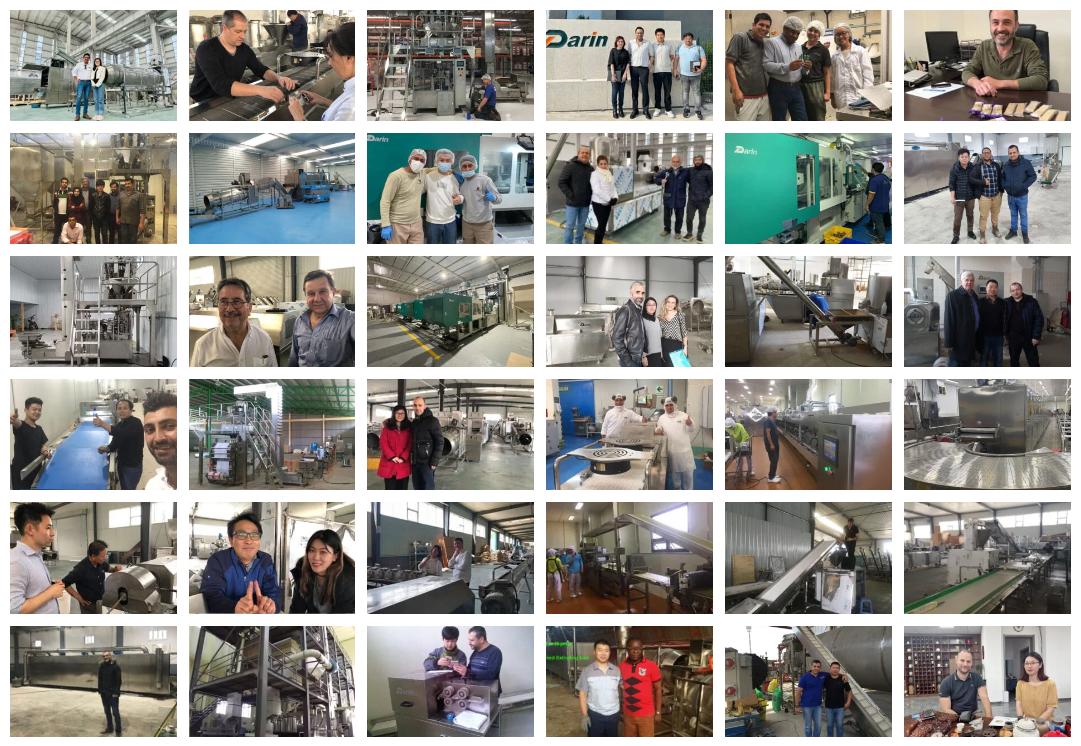
Example Factory Flow Narrative (Engineering View)
To help you visualize the integrated process, below is a step-by-step narrative of how a well-designed kibble factory operates:
Raw materials enter the facility from dedicated receiving doors and are immediately stored in climate-controlled warehouses. Operators weigh and stage ingredients according to production planning schedules, ensuring FIFO rotation and batch traceability. Materials destined for grinding are transported to the milling zone, where hammer mills reduce particle sizes to precise micron ranges. The powder flows into bins and enters mixers where formulation blending occurs. Batchers and servo feeders deliver material into the extruder intake. Inside the extruder, real-time sensors control torque, SME, pressure, moisture, and temperature. Extrudate enters cutting and is conveyed to the dryer without manual handling.
Inside the dryer, zoned heating progressively reduces moisture. Cooled kibble moves into the coating room, where oil, palatants, and powders are applied. Screening removes fines. The stabilized kibble enters a dehumidified packaging room and is filled into bags with nitrogen flushing. Quality inspection ensures compliance, and finished goods are palletized and moved into the warehouse for shipment.
Every part of this flow is engineered to eliminate unnecessary movements, maximize uptime, reduce contamination risks, and ensure consistent product quality.
Quality Control, HACCP, and Regulatory Compliance in Kibble Production
Quality control (QC) is not a standalone checkpoint—it is an engineering framework woven into every stage of kibble production. A modern pet food plant must comply with international standards such as AAFCO, FEDIAF, FDA FSMA, HACCP, ISO22000, GMP+, and where applicable, EU feed hygiene regulation EC 183/2005. These frameworks ensure product safety, nutritional accuracy, traceability, and microbial stability. For manufacturers using Darin Machinery’s integrated kibble lines, QC systems are built into the process so that the plant can consistently produce stable, compliant, market-ready kibble across every batch.
Quality control begins at the raw material stage. Incoming ingredients must be inspected for moisture content, particle size, microbial load, mycotoxin levels, and fat oxidation. Grains must be clean, dry, and free from pests; protein meals must pass peroxide value tests to ensure freshness and avoid rancidity. Documentation and traceability records are created for each batch, and suppliers must provide COAs (Certificates of Analysis). QR or barcode systems are often used to track batches through grinding, mixing, and extrusion. Raw material sampling frequency typically follows a risk-based model—high-risk animal proteins receive higher scrutiny than low-risk ingredients such as rice flour.
During production, in-process QC ensures that the kibble meets technical specifications. This includes monitoring torque load, SME, die pressure, extrudate temperature, moisture content, bulk density, and pellet geometry. Inline moisture analyzers and NIR sensors allow real-time adjustments during extrusion and drying. If moisture deviates beyond ±0.5%, corrective actions are immediately applied to prevent under- or over-drying, which could compromise shelf stability. Visual inspection ensures uniform expansion and color, while hardness tests measure break strength. Microbial safety is enhanced through extrusion cooking, which reaches kill-step conditions (≥110–130°C under pressure for sufficient time). HACCP identifies extrusion cooking as a Critical Control Point (CCP), requiring documented monitoring and verification.
Post-drying QC includes water activity testing, typically targeting Aw ≤ 0.60, which is microbiologically safe for long-term storage. Fines percentage, coating uniformity, and oil inclusion levels are measured to ensure compliance with formulation targets. Packaging QC measures net weight accuracy, seal integrity, oxygen levels inside nitrogen-flushed bags, and foreign-object detection via metal detectors or X-ray machines. Finished product samples undergo microbiological testing for Salmonella, molds, and yeasts, as well as chemical tests for peroxide value (rancidity), protein content, fat content, and ash level. Shelf-life studies may also be conducted using accelerated oxidation chambers.
The entire QC program must align with HACCP requirements. HACCP includes seven principles: 1) hazard analysis, 2) CCP identification, 3) critical limits establishment, 4) monitoring procedures, 5) corrective actions, 6) verification procedures, and 7) record keeping. Typical CCPs in kibble production include extrusion kill-step, metal detection, and final sealing integrity. Verification procedures include calibration records for weighing systems, thermometer validation, moisture sensor calibration, and airflow measurement in dryers. Documentation is essential for audits and export compliance.
For global market distribution, labels must follow regulatory frameworks—AAFCO for the U.S., FEDIAF for Europe—which dictate minimum nutrient content, ingredient naming conventions, and guaranteed analysis. Failure to comply results in product recalls, fines, or import rejection at customs. With integrated QC and automated monitoring systems, manufacturers can confidently maintain consistent quality, reduce waste, and protect brand reputation.
Troubleshooting Guide: Common Kibble Production Issues and Engineering Solutions
Every kibble manufacturing operation eventually faces process abnormalities—whether caused by raw material variation, mechanical wear, operator error, or equipment misalignment. A well-structured troubleshooting matrix allows engineers and operators to diagnose issues quickly, reduce downtime, and maintain product quality. Below is a systematic troubleshooting table for common kibble line problems.
Table 7. Troubleshooting Matrix for Kibble Production Lines
| Problem | Likely Causes | Engineering Solutions | Prevention |
|---|---|---|---|
| Kibble too soft or crumbly | Low SME, low drying temperature, incorrect moisture | Increase screw speed/SME; raise dryer temperature; adjust barrel moisture | Maintain consistent hydration; calibrate moisture sensors |
| Irregular shapes | Worn die, unstable cutter RPM, feed surging | Replace die; stabilize cutter; inspect feeder | Monitor wear parts; ensure feeder consistency |
| Burnt or dark kibble | Excessive temperature, low moisture, high shear | Reduce SME; increase moisture; lower barrel temp | Implement recipe-specific profiles; schedule screw cleaning |
| Under-dried kibble | Low airflow, high throughput, clogged exhaust | Increase airflow; slow belt; clean exhaust ducts | Regular dryer maintenance; automated humidity control |
| Sticky or oily surface | Excess coating, hot kibble entering coater | Reduce fat inclusion; enhance cooling | Monitor kibble temperature; tune spray nozzles |
| High fines percentage | Fragile expansion, over-drying, excessive handling | Adjust moisture/SHE; lower dryer delta-T | Reduce drop heights; improve conveyors |
| Bag seal failure | Incorrect sealing temperature, film contamination | Adjust sealing jaws; clean film contact surfaces | Maintain dehumidified packaging room |
| Metal detector false rejects | High mineral content, wet kibble | Adjust sensitivity; ensure dry kibble before inspection | Install cooling buffer |
This troubleshooting matrix allows production teams to react quickly to quality deviations. Many failures originate from moisture mismanagement, worn components, or unstable extrusion conditions. Integrated PLC/SCADA systems—standard in modern Darin lines—provide real-time alerts to prevent these issues.
Quality Assurance (QA) and Long-Term Stability Testing
Beyond QC, which focuses on immediate batch quality, Quality Assurance (QA) provides long-term safety verification. QA teams conduct scheduled audits, sanitation validation, supplier qualification reviews, and staff training. Stability testing is performed to evaluate shelf life under both ambient and accelerated-aging conditions. For high-fat formulations, peroxide value, hexanal levels, and sensory degradation are measured at intervals to check oxidation. Nutrient retention for vitamins (A, E, K, B complex) is tested, especially for coated heat-sensitive micronutrients. Palatability studies evaluate acceptance in real pets, measuring first-bite preference, consumption rate, and stool quality.
QA also ensures that all SOPs, cleaning protocols, calibration logs, and CCP monitoring records are complete and audit-ready. When exporting, documentation packages must accompany each shipment: production batch numbers, COAs, HACCP documentation, and, in many countries, veterinary health certificates. QA plays a critical role in protecting the plant against recalls and maintaining customer trust in competitive markets.
Final Summary: Engineering a Complete, Efficient, and Reliable Kibble Production Line
Building a high-performance kibble production line is not simply about purchasing an extruder or dryer—it is a complex engineering project that integrates process technology, equipment design, factory layout planning, quality control systems, and regulatory compliance. As shown throughout this comprehensive guide, every stage of the kibble manufacturing process serves a critical purpose. From raw material grinding and precision mixing to extrusion cooking, multi-layer drying, controlled cooling, flavor coating, and automated packaging, each subsystem must operate in harmony to deliver a consistent, safe, nutrient-rich product with stable shelf life.
A modern kibble line depends on precise control of moisture, temperature, SME, torque, airflow, and drying curves. These engineering parameters shape the structure, density, texture, palatability, and stability of the final kibble. Quality control systems—including inline moisture analyzers, torque monitoring, metal detection, and sealing integrity tests—ensure compliance with AAFCO, FEDIAF, FDA FSMA, ISO22000, and HACCP standards. Meanwhile, a well-designed factory layout reduces contamination risks, improves process flow, and lowers operating cost. Proper planning of utilities such as electrical power, compressed air, steam, and ventilation is equally essential to maintain stable 24-hour production. Troubleshooting matrices further support operators by providing quick, engineering-based solutions to common issues, minimizing downtime, and maximizing output efficiency.
Ultimately, a reliable kibble production line requires more than machines—it requires a partner with technical expertise, process know-how, and a deep understanding of the pet food industry. Whether you are planning a new plant, upgrading an existing facility, or optimizing production quality, selecting the right equipment supplier and engineering partner determines the long-term success of your operation. With the correct technology and proper integration, manufacturers can confidently produce premium kibble that meets modern market expectations for nutrition, safety, and palatability.
Let’s Build Your Kibble Production Line Together — Contact Darin Machinery
If you're planning to start or upgrade a kibble production plant, Darin Machinery is ready to support you with complete engineering solutions—from formulation guidance and machine selection to factory layout design, installation, commissioning, and long-term technical support. Our team has deep expertise in extrusion technology and pet food processing, helping manufacturers around the world build efficient, compliant, and profitable kibble production systems.
Contact Darin Machinery to discuss your project:
- Website: www.petreatsmachine.com
- WhatsApp: +86 156 5000 7983
- Email: darin4@darin.cn
We’re here to help you turn your production goals into a reliable, high-performance kibble manufacturing line.