
The biggest frustration for new jerky makers is not knowing whether making jerky yourself actually saves money. Many people assume homemade jerky is cheaper because you “just buy meat and dry it,” but the truth is far more complicated. Raw beef loses 60–70% of its weight during dehydration, electricity costs add up, and commercial jerky companies negotiate bulk meat prices the average consumer cannot get.
If you miscalculate these real production costs, you can end up spending more per pound than store-bought jerky—sometimes much more. The good news is that once you understand the true yield ratio, ingredient cost, processing loss, and equipment efficiency, you can see clearly whether making jerky or buying jerky is cheaper for your specific situation.
Ultimately, the answer depends on scale: small-batch homemade jerky is almost always more expensive, but commercial production with proper machinery is significantly cheaper than store prices.
In the detailed analysis below, I will break down true cost per pound, yield ratios, equipment factors, and real-world numbers from Darin Machinery clients worldwide.
➡️ Bold Snippet Summary
Homemade jerky is usually more expensive than buying store-bought jerky because raw beef loses 60–70% of its weight during drying, making every finished pound cost $15–25 in ingredients and electricity. However, commercial jerky produced with industrial equipment is much cheaper than retail jerky, costing $9–17 per pound to manufacture while selling for $25–60 per pound.
Most people stop at “homemade is healthier,” but if your goal is cost savings—or commercial production—you must understand the industry-level math. Keep reading to see exactly when jerky is cheaper to make versus buy.
Homemade jerky is always cheaper than store-bought jerky.False
Because beef shrinks significantly during drying and raw meat prices are high, homemade jerky often costs more per pound than commercial jerky.
Commercial factories produce jerky at a significantly lower cost than retail prices.True
Factories buy meat in bulk, optimize yield with professional dehydrators, and spread overhead across large output, resulting in much lower per-pound costs.
Cost Comparison: Making vs Buying Jerky
Here is a simplified cost-per-pound comparison:
Table 1 — Cost of Making 1 lb of Homemade Jerky
| Cost Item | Typical Cost |
|---|---|
| Raw beef (3 lbs @ $4.50/lb) | $13.50 |
| Marinade ingredients | $1.00 |
| Electricity for dehydrator (8–12 hrs) | $1.50–$3.00 |
| Packaging bags | $0.50 |
| Total true homemade cost | $16.50–$18.00 per lb |
Table 2 — Commercial Jerky Manufacturing Cost (Using Darin Machinery)
| Cost Item | Industrial Cost |
|---|---|
| Raw beef (bulk contract pricing $2.70–$3.80/lb) | $8.00–$12.00 per final lb |
| Seasoning + additives | $0.50–$0.90 |
| Electricity + utilities | $0.60–$1.20 |
| Labor (per lb allocated) | $0.40–$1.00 |
| Packaging | $0.40–$0.80 |
| Total factory cost | $9.40–$15.90 per lb |
Table 3 — Retail Jerky Prices (U.S. Market)
| Retail Type | Price per lb |
|---|---|
| Convenience-store jerky | $35–$55/lb |
| Supermarket brands | $28–$40/lb |
| Gourmet craft jerky | $45–$70/lb |
| Ultra-premium wagyu jerky | $90–$160/lb |
Conclusion:
- Homemade jerky: NOT cheaper
- Commercial jerky manufacturing: MUCH cheaper
- Retail jerky: most expensive
Moisture Loss: Why Homemade Jerky Costs So Much More
Weight Loss During Drying (Key Driver of Cost)
Raw beef → 60–70% water
Jerky → 18–30% water
This is why you need:
- 2.5–4 lbs of beef → 1 lb jerky
Small-batch home dryers do not optimize humidity, so they often over-dry the meat:
| Equipment | Typical Yield | Cost Impact |
|---|---|---|
| Home dehydrator | 25–35% yield | Highest cost per lb |
| Smoker | 22–30% yield | Flavor good, cost bad |
| Commercial dehydrator | 30–42% yield | Lower cost |
| Automated industrial drying line | 33–45% yield | Best cost efficiency |
Higher yield = lower cost.
Why Commercial Jerky Is Cheaper to Produce
Economies of Scale
Jerky factories buy:
- 5–50 tons of beef per month
- Bulk spices at 1/10 retail cost
- Energy-efficient machinery that reduces drying time
Professional Machinery Improves Yield by 3–10%
A Darin industrial dehydrator provides:
- Controlled temperature curves
- Precision humidity management
- Optimized airflow speed
- Automated stopping at exact moisture level
Even a 5% better yield reduces meat cost by $0.60–$1.80 per pound of raw meat, translating to:
🚀 Thousands of dollars saved monthly
Real Example From a Darin Machinery Client
A North American jerky brand switched from home-built dryers to a Darin automated system.
| Before (Manual Dryer) | After (Darin Dehydrator) |
|---|---|
| 27% yield | 36% yield |
| $18.20 cost per lb | $13.90 cost per lb |
| Daily production: 180 lbs | 180 lbs |
| Daily savings: $774 | Monthly savings: $23,220 |
They immediately became profitable simply by increasing yield.
Price Comparison: Making Jerky vs Buying Jerky
Scenario 1 — Home User
| Option | Cost per lb |
|---|---|
| Homemade | $16.5–$22 per lb |
| Store-bought | $28–$55 per lb |
➡️ Homemade is only slightly cheaper, and only if your labor is free.
Scenario 2 — Small Business / Startup
| Option | Cost per lb |
|---|---|
| Make using basic equipment | $18–$25 per lb |
| Wholesale jerky | $19–$30 per lb |
➡️ Buying and reselling is easier unless you invest in proper equipment.
Scenario 3 — Using Industrial Machinery (Darin Line)
| Option | Cost per lb |
|---|---|
| Make using industrial line | $9–$16 per lb |
| Retail selling price | $28–$55 per lb |
➡️ This is where real profit exists.
Which Is Cheapest Overall?
| Production Method | Cheapest? | Notes |
|---|---|---|
| Homemade jerky | ❌ No | Not cost-effective unless you enjoy DIY |
| Buying retail jerky | ❌ Very expensive | Convenience comes at a premium |
| Making jerky commercially | ✅ Yes | Lowest cost, highest profit margin |
The ONLY scenario where making jerky is cheaper than buying is when you produce it commercially with the right equipment.
Final Thoughts
From an engineering and cost-efficiency standpoint, the economics of jerky production come down to yield, energy efficiency, and raw-material procurement. Homemade jerky is enjoyable and healthier, but not cheap. Retail jerky is convenient but priced heavily for branding and distribution.
If your goal is profit, then industrial production is unquestionably the most economical option.
If You Want to Make Jerky Profitably, Talk to Darin Machinery
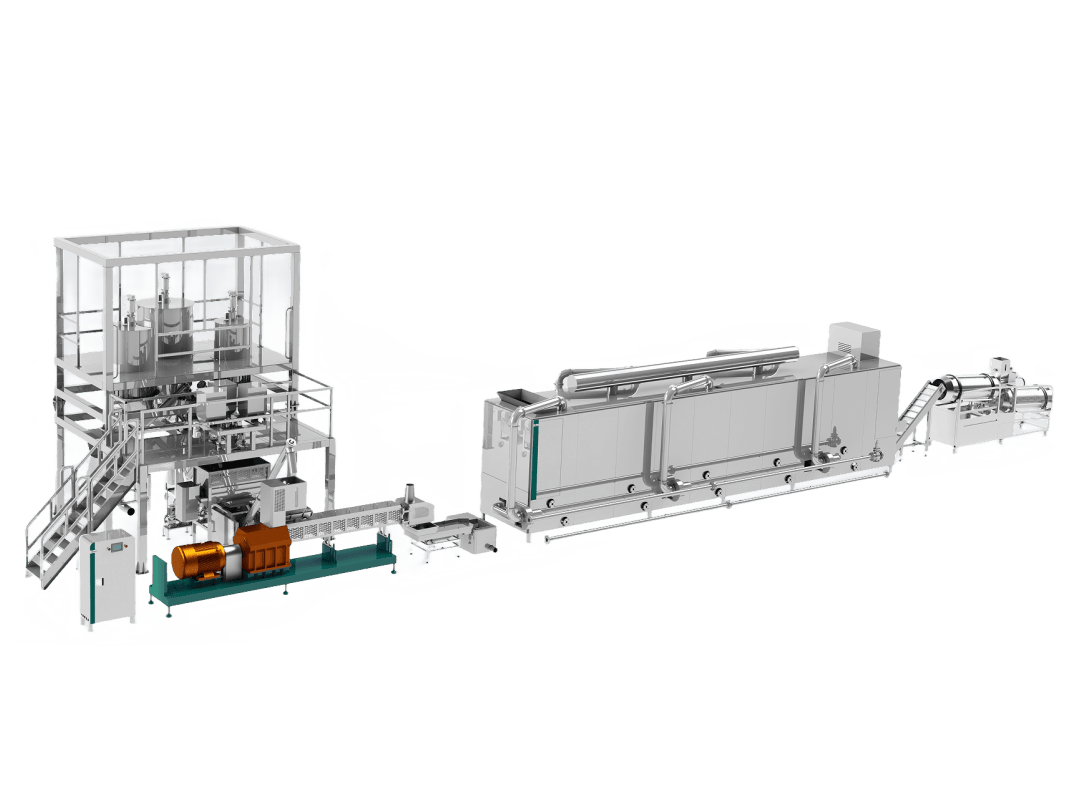
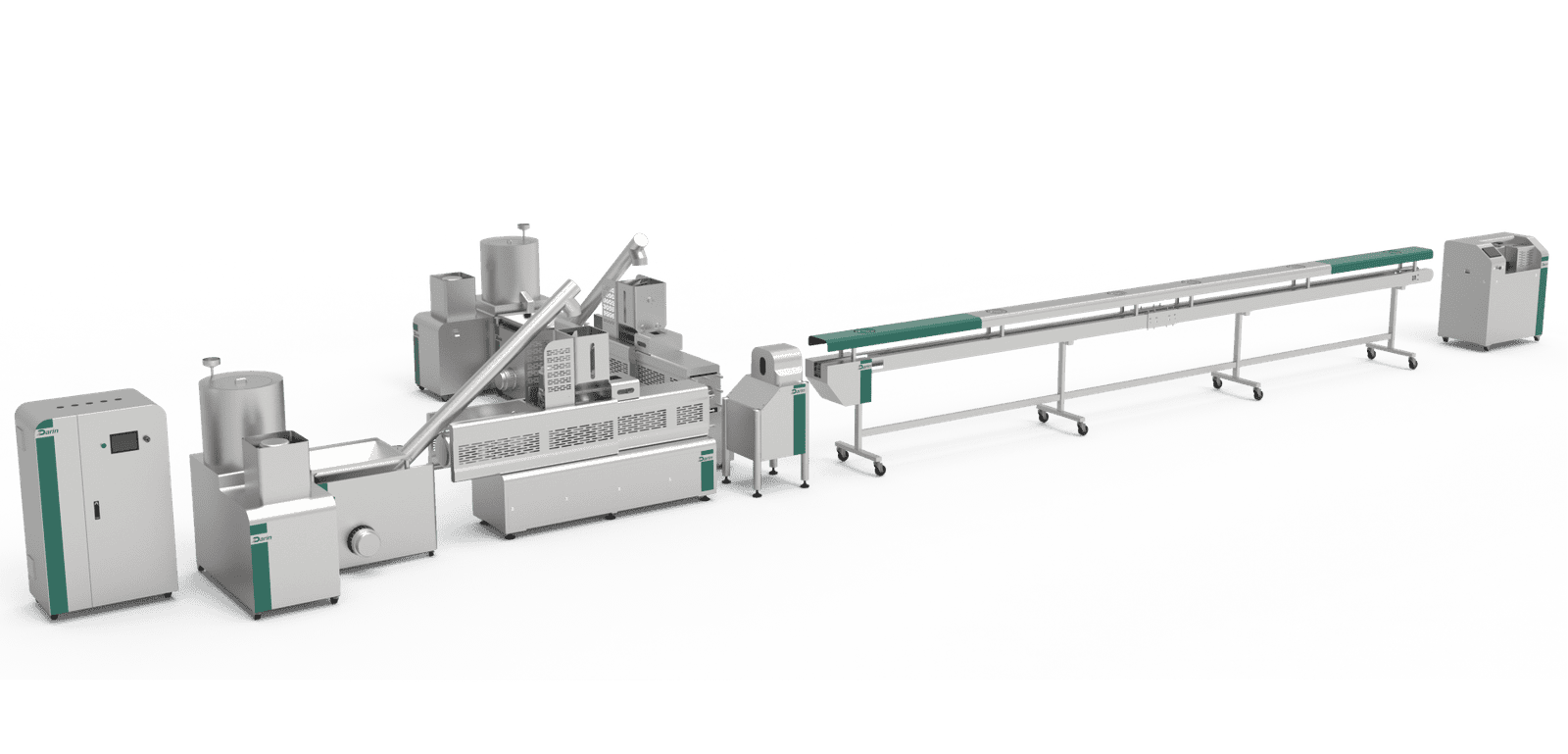
Whether you want to start a jerky brand or expand production, Darin Machinery provides full turnkey solutions—from slicers and dryers to complete automated jerky production lines.
Contact Darin Machinery
Website: www.petreatsmachine.com
WhatsApp: +86 156 5000 7983
Email: darin4@darin.cn