When choosing the right kibble for your pet, the most common pain point is uncertainty — how can you really know whether the dry food in that attractive bag is nutritionally rich or just marketing fluff? Low-quality kibble can lead to digestive issues, dull coat, allergies, and long-term health problems. But with the right knowledge, you can confidently identify high-quality kibble that supports strong immunity, healthy digestion, and vibrant energy levels for your dog or cat. This guide helps you distinguish truly premium kibble from subpar options.
High-quality kibble can be identified by its protein source (named meat as the first ingredient), balanced nutritional profile (AAFCO-compliant), minimal fillers and artificial additives, use of natural preservatives, and clear manufacturing transparency. Look for fresh meat, whole grains or grain-free formulas with legumes, visible nutrient analysis, and proper fat sources such as chicken fat or salmon oil.
Many brands claim “premium” quality, but not all live up to it. To protect your pet’s health and ensure the best value for your money, it’s worth understanding what defines real nutritional quality — not just marketing buzzwords. Let’s explore how you can assess kibble quality step-by-step like a professional pet nutritionist or feed manufacturer.
All premium kibble must be grain-free.False
Grain-free is not inherently better; whole grains like brown rice or oats can provide valuable fiber and nutrients for many pets.
1. Check the Ingredient List — The First Five Tell the Truth
The ingredient list reveals the foundation of kibble quality. Ingredients are listed by weight before cooking, so the first five matter most.
| High-Quality Ingredients | Low-Quality Ingredients |
|---|---|
| Deboned chicken, turkey, beef, lamb, or fish | Meat by-products or “animal meal” (unspecified sources) |
| Whole grains (brown rice, oats, barley) | Corn gluten meal, wheat middlings, soy flour |
| Sweet potatoes, peas, chickpeas | Corn syrup solids, artificial colors |
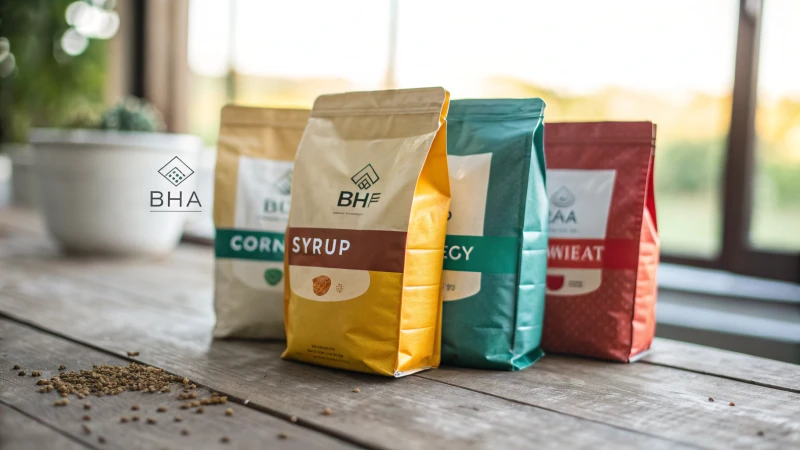
| Chicken fat preserved with mixed tocopherols (vitamin E) | Animal fat preserved with BHA/BHT |
| Natural flavor (from real broth) | Artificial flavor enhancers |
Tip: Always look for named animal proteins — “chicken meal” or “salmon” is far superior to vague “meat meal” or “animal fat.”
Meat by-products provide the same quality nutrition as whole meats.False
By-products may contain low-value parts like organs or bones and lack consistent nutritional value compared to whole meat sources.
2. Examine Protein Content and Sources
High-quality kibble should contain at least 25–35% crude protein for dogs (and 35–45% for cats). The key is not just quantity but source quality.
| Protein Type | Source | Digestibility (%) | Comment |
|---|---|---|---|
| Chicken, lamb, fish meal | Named animal source | 80–90% | Excellent quality, high digestibility |
| Soy protein concentrate | Plant-based | 65–75% | Lower biological value |
| Corn gluten meal | By-product | 55–65% | Poor amino acid profile |
Scientific note: Animal-derived proteins contain all essential amino acids for carnivores, while plant proteins are incomplete and must be balanced carefully.
3. Evaluate Fat Quality and Omega Balance
Fats provide energy, support coat health, and aid vitamin absorption. Look for identifiable animal fats (like chicken fat) and marine oils (like salmon or flaxseed oil) — both rich in omega-3 and omega-6 fatty acids.
| Indicator | High-Quality Kibble | Low-Quality Kibble |
|---|---|---|
| Fat percentage | 12–18% (dogs), 15–20% (cats) | Under 10% or excessive (>25%) |
| Fat sources | Chicken fat, fish oil, flaxseed | Tallow, lard, unlisted “animal fat” |
| Preservation | Mixed tocopherols | BHA, BHT, ethoxyquin |
Fish oil is the best source of omega-3 for dogs.True
Fish oil provides DHA and EPA, critical for brain, skin, and joint health in dogs.
4. Avoid Fillers and Artificial Additives
Cheap fillers like corn, wheat, and soy add bulk but little nutrition. Artificial dyes (Red 40, Yellow 5) or flavors can cause allergies and provide no benefit. Natural alternatives such as beet pulp, pumpkin, or rice bran offer digestible fiber instead.
Red flags to avoid:
- Propylene glycol (used to retain moisture)
- Ethoxyquin (synthetic preservative)
- Rendered fat of unknown origin
- “Flavor-enhanced” kibbles with excessive sodium
5. Verify Nutritional Completeness (AAFCO or FEDIAF)
A high-quality kibble must meet standards established by recognized organizations such as AAFCO (USA) or FEDIAF (EU), ensuring that the food is complete and balanced.
Check the packaging for statements like:
“Formulated to meet the nutritional levels established by the AAFCO Dog Food Nutrient Profiles for maintenance.”
If it’s missing, the food might not meet minimum vitamin, mineral, or amino acid requirements.
All commercial kibble is AAFCO-certified.False
Some boutique or unregulated brands may not meet AAFCO standards, which can risk nutritional imbalance.
6. Check the Manufacturing Transparency
Reputable brands disclose:
- Where the food is made (country of origin, factory location)
- Ingredient sourcing policies
- Quality control and testing procedures
- Batch traceability (lot codes)
Hidden manufacturing or “produced for” labeling often signals outsourcing, which can affect consistency.
7. Analyze the Kibble’s Physical Characteristics
You can tell a lot by observing and touching the kibble:
- Color: Natural brown or beige, not dyed or extremely dark.
- Texture: Firm yet not brittle; uniform in size.
- Aroma: Slightly meaty, not chemical or burnt.
Tip: Consistency in kibble color and shape usually reflects professional extrusion and drying control — indicators of good manufacturing equipment and process quality.
8. Review Feeding Trials and Independent Lab Results
Top brands conduct long-term feeding trials, not just lab formulation tests. Ask for:
- Digestibility reports (>80% ideal)
- Stool quality evaluations
- Coat and skin health data
- Customer satisfaction or veterinary endorsements
Feeding trials are optional for premium kibble certification.True
AAFCO allows either formulation or feeding trials to demonstrate nutritional adequacy; feeding trials provide real-world validation.
9. Understand Price vs. Value
While premium kibble costs more, it delivers higher digestibility and lower feeding quantities per meal.
| Kibble Type | Price per kg | Daily Feed (Dog 20kg) | Digestibility | True Cost per Day |
|---|---|---|---|---|
| Low-cost grocery brand | $2.0 | 400 g | 60% | $0.80 |
| Mid-range | $4.5 | 300 g | 75% | $1.35 |
| Premium | $8.0 | 200 g | 90% | $1.60 |
Insight: The higher the digestibility, the less food your dog needs — and the better long-term health outcomes you’ll see.
10. Consult Your Veterinarian or Pet Nutrition Specialist
Individual needs vary — puppies, seniors, and working dogs require different macronutrient ratios. A professional can interpret labels and lab reports to match your pet’s unique condition.
Conclusion
High-quality kibble is more than just an expensive bag — it’s a combination of science, transparency, and craftsmanship. Look for identifiable ingredients, balanced nutrients, trustworthy labeling, and proven digestibility. Your pet’s energy, coat, and stool quality will tell you everything you need to know.
Talk to a Pet Food Machinery Expert — Darin Machinery
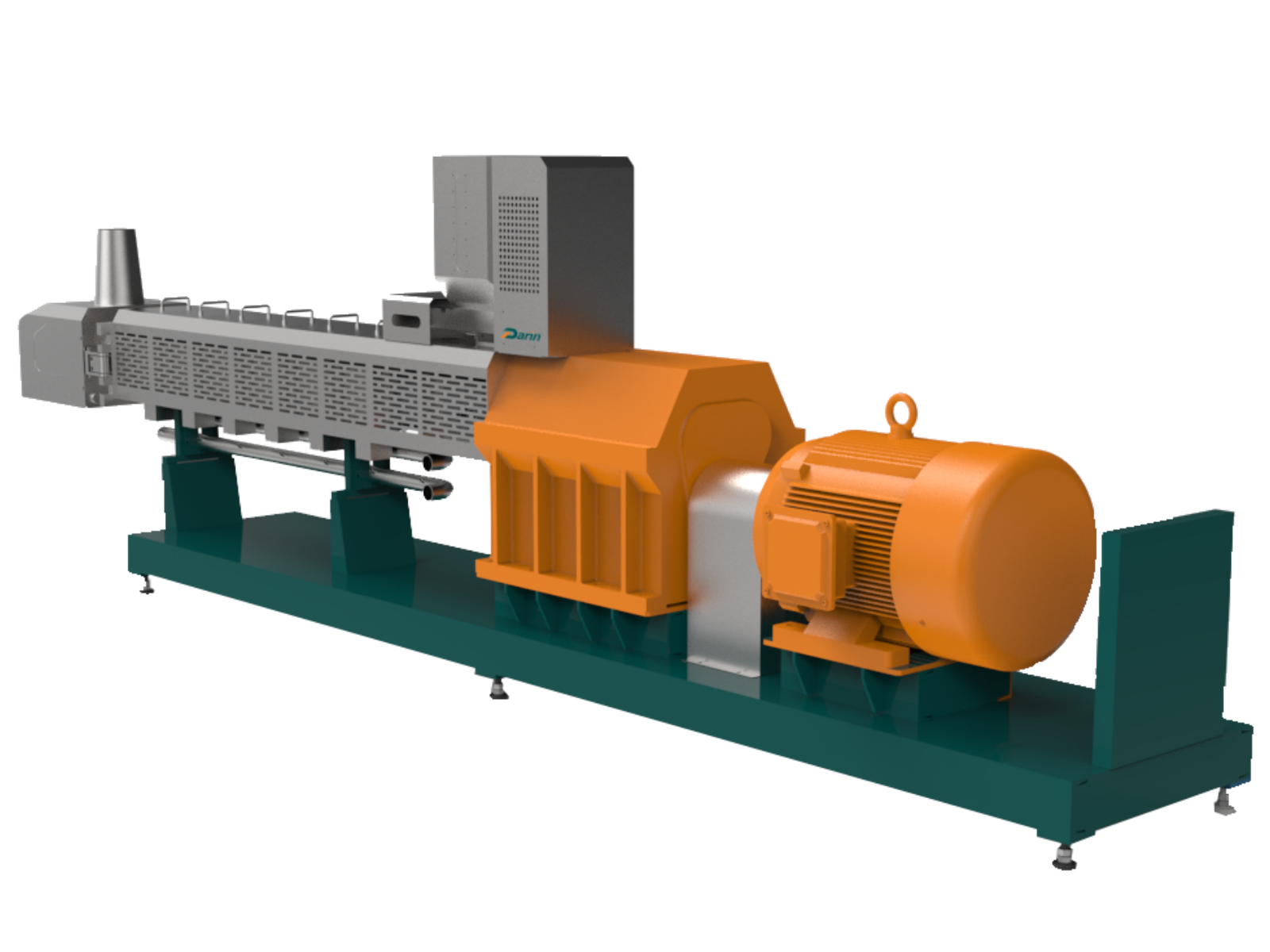
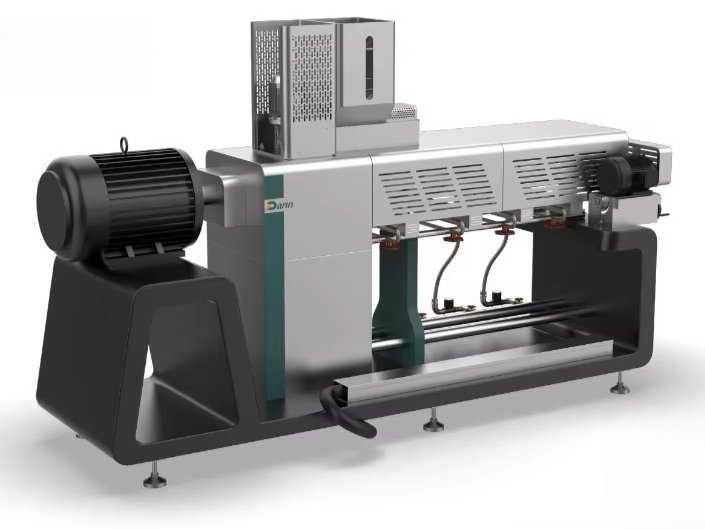
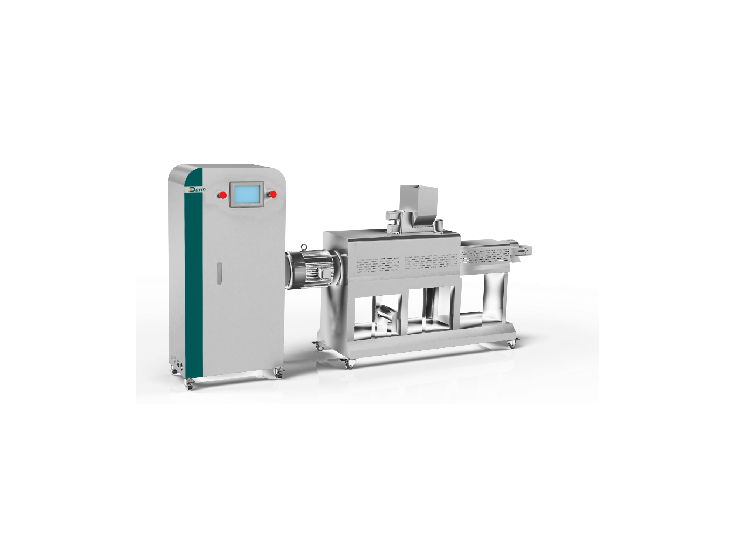
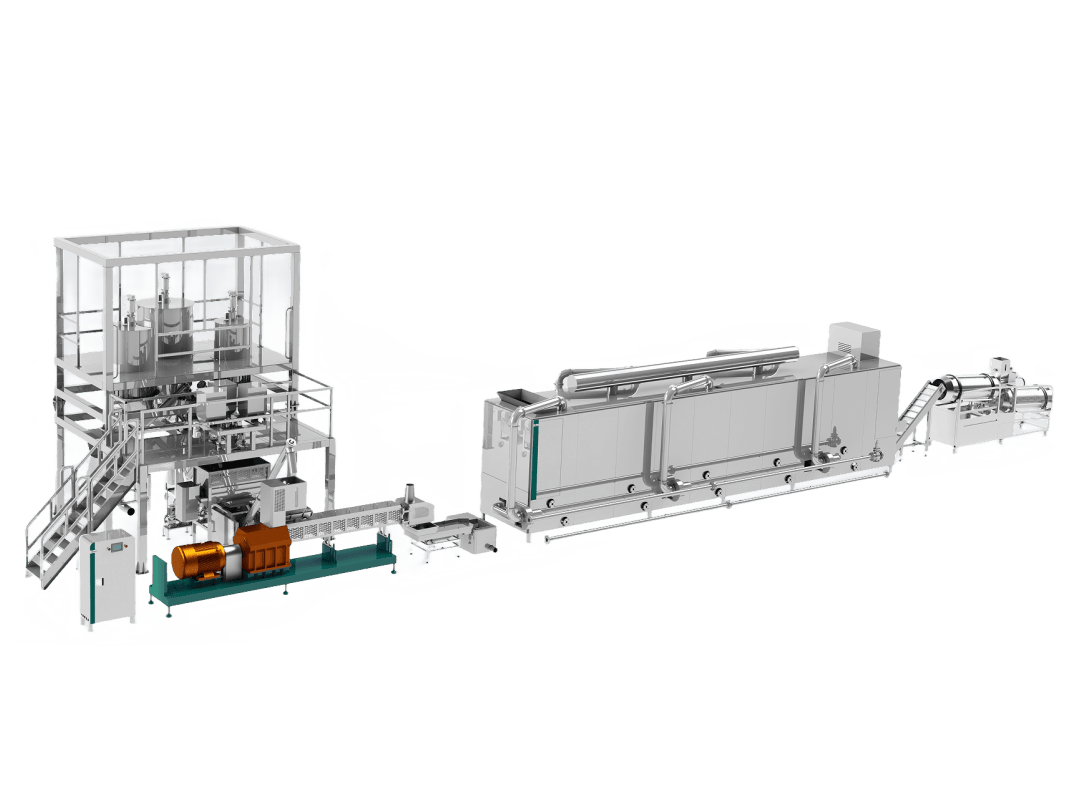
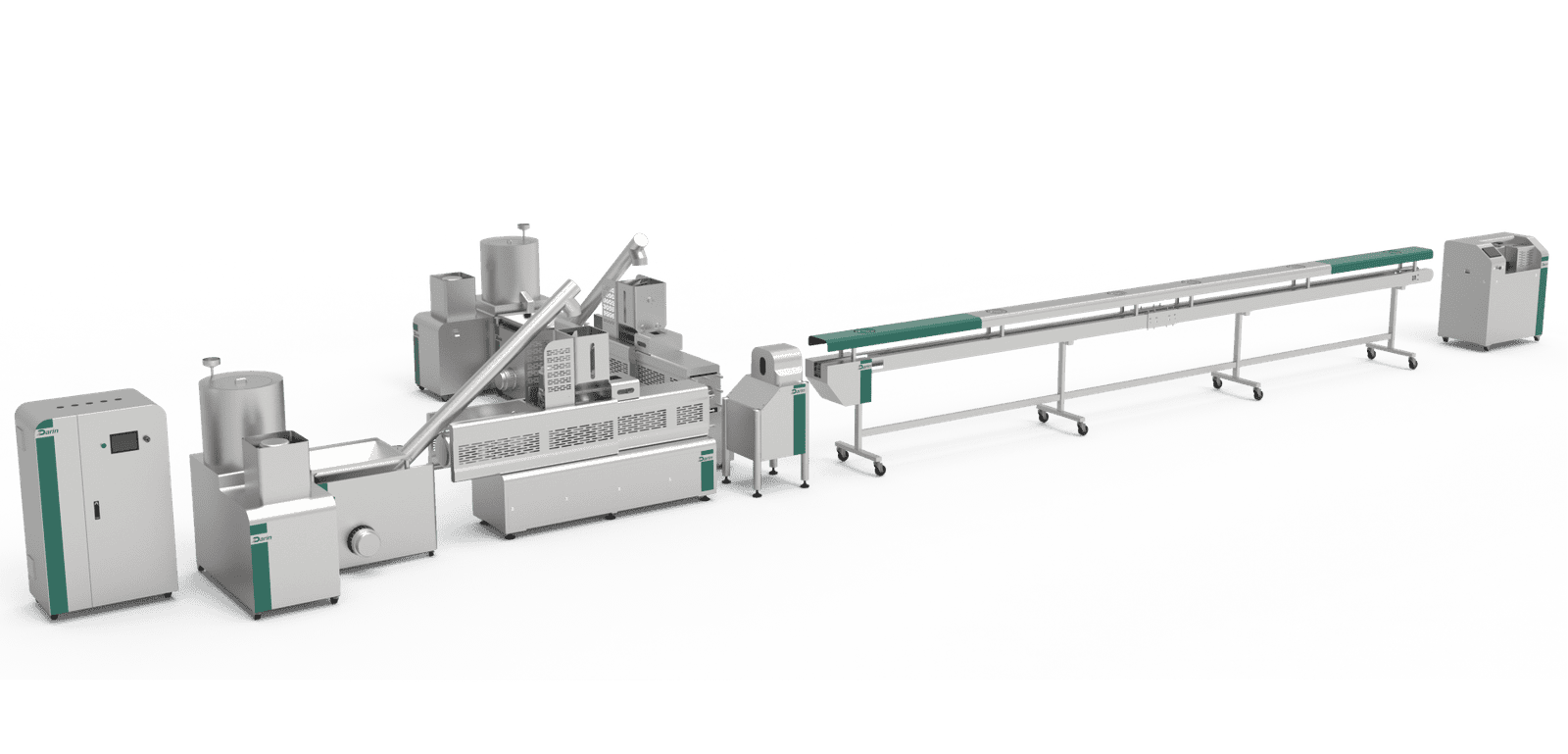
At Jinan Darin Machinery Co., Ltd., we specialize in designing and manufacturing advanced pet food extrusion lines that produce premium-quality kibble with consistent texture, precise nutrition, and long shelf life. If you are a manufacturer or startup aiming to produce high-quality pet food, contact Donna today for full project support — from formulation to final packaging.
🌐 www.petreatsmachine.com
📧 Email: darin4@darin.cn
📱 WhatsApp: +86 156 5000 7983
Let’s create nutritious, reliable, and market-winning kibble — the way pets deserve.