How Is Wet Dog Food Made? (Homemade Dog Food vs. Commercial Production)
Updated:
Wet dog food is a favorite among many pet owners due to its high moisture content, palatability, and soft texture. However, confusion often arises when choosing between making wet food at home versus purchasing commercially produced products. Many pet owners struggle with food consistency, storage safety, and ensuring balanced nutrition in homemade meals. On the commercial side, some worry about preservatives and artificial ingredients. So how exactly is wet dog food made—and how do homemade and factory-produced methods compare? This article provides a detailed breakdown to help you make informed decisions.
Wet dog food is made by blending high-quality meats, organ meats, vegetables, and water or broth into a moist formulation. Homemade wet food involves lightly cooking or stewing ingredients, while commercial wet food is mass-produced using automated batch cookers, vacuum sealing, and sterilization in retort cans or pouches to ensure long shelf life and nutritional safety.
Whether you're a concerned dog parent making stew on your stove or a factory technician programming an industrial retort sterilizer, this guide will walk you through the full spectrum of wet dog food production methods. Let’s explore both approaches in depth and discover their differences in ingredients, processes, nutritional standards, and machinery.
Homemade wet dog food is always healthier than commercial wet food.False
Both homemade and commercial wet foods can be healthy if formulated correctly. Commercial wet food often undergoes strict quality checks, while homemade diets may lack balanced nutrients if not properly planned.
Homemade wet dog food appeals to owners seeking control over ingredients, preservatives, and cooking methods. Below is a detailed look into how it's prepared:
1. Ingredient Selection
Meat Proteins: Chicken, turkey, beef, lamb, fish, or organ meats (liver, kidney).
Vegetables: Carrots, peas, green beans, spinach.
Carbohydrates (Optional): Brown rice, quinoa, oatmeal.
Tip: Always consult a veterinary nutritionist when making homemade meals long-term to ensure balanced amino acids, fats, and minerals.
2. Cooking Method
Method
Description
Notes
Stewing
Slow-cooked in water or broth
Enhances flavor and moisture
Pressure cooking
High-temperature cooking for nutrient retention
Faster but needs equipment
Baking
Used for firmer-style meat loaves
Not ideal for high-moisture textures
3. Portioning & Storage
Store in airtight glass containers or vacuum-sealed pouches
Refrigerate up to 3 days, freeze for up to 2 months
Ensure cooling to under 4°C within 2 hours after cooking
4. Safety Considerations
Cook all meats thoroughly to eliminate pathogens
Avoid garlic, onion, grapes, and high-fat trimmings
Include calcium and taurine supplements if not using raw bones or organ meats
Homemade Wet Food Preparation Flowchart
Step
Action
Select Ingredients
Choose lean meats, vegetables, and grains
Wash & Prep
Chop and weigh for proper ratios
Cook
Stew, boil, or bake with minimal seasoning
Cool & Portion
Divide into meals and seal containers
Store
Refrigerate or freeze for later use
homemade wet dog food production process visual selection
🏭 Commercial Wet Dog Food Production Process
Commercially manufactured wet dog food adheres to strict standards regulated by authorities like AAFCO (U.S.) or FEDIAF (EU). These products are mass-produced in high-throughput facilities.
1. Raw Material Preparation
Sourcing: Approved suppliers deliver meats (fresh/frozen), fats, cereals, and premixes
Grinding: All solid ingredients are pre-ground for consistency
Blending: Ingredients are mixed in large batch mixers
2. Cooking and Mixing
Cooked in steam-jacketed kettles or continuous thermal processors
Add gravy, gel, or broth during or after cooking
Incorporate micronutrients and palatants for flavor
3. Filling & Packaging
Type
Packaging
Example Brands
Cans
Metal tins
Pedigree, Hill’s
Trays
Plastic or foil
Cesar, Royal Canin
Pouches
Retortable plastic
Purina, Nature’s Recipe
Automatic fillers dispense precise weights per container, often monitored by weighing sensors and robotic arms.
4. Retort Sterilization
Sealed containers pass through retort sterilizers (steam under pressure at \~121°C)
Destroys bacteria, spores, and enzymes
Ensures shelf life of 18-36 months without refrigeration
5. Labeling & Palletizing
Barcodes, batch numbers, nutrition facts printed
Automatically stacked and shrink-wrapped for distribution
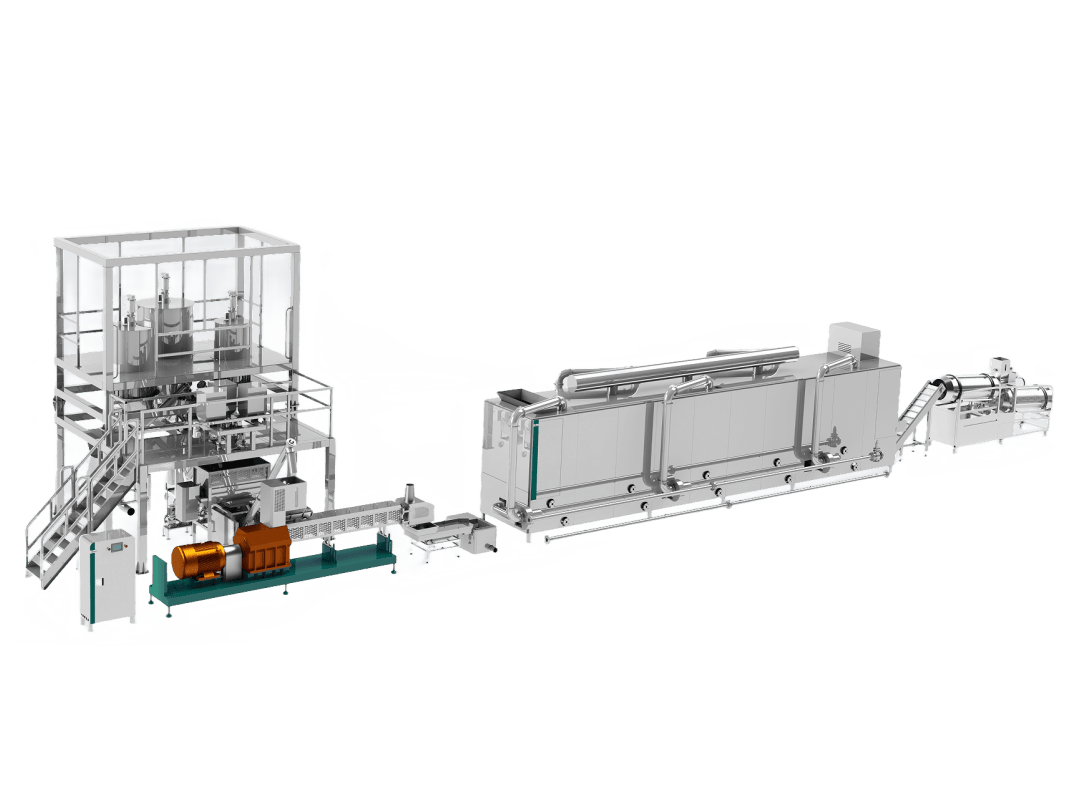
Commercial Wet Food Processing Line (Simplified Diagram)
Section
Description
Ingredient Hopper
Raw meats, grains, and additives are loaded
Grinder & Mixer
Homogenizes all components
Cooker/Preheater
Precooks materials to target texture
Filler Machine
Fills into cans/pouches at high speed
Retort Sterilizer
Heats sealed containers to destroy pathogens
Labeler & Packager
Applies labels, expiration dates, and packages for delivery
commercial wet dog food production process visual selection
🔍 Homemade vs. Commercial Wet Dog Food Comparison
Feature
Homemade Wet Dog Food
Commercial Wet Dog Food
Ingredient Control
Full control over sourcing and preparation
Regulated suppliers and formulation
Nutritional Balance
Must be planned carefully with vet guidance
Balanced as per AAFCO or FEDIAF standards
Shelf Life
2–3 days (fridge), 2 months (frozen)
18–36 months at room temperature
Safety
Relies on home hygiene practices
Industrial sterilization ensures safety
Cost
Variable; can be more expensive long-term
Economies of scale, typically cheaper
Convenience
Requires time and effort
Ready-to-serve and easy to store
Customization
Highly customizable
Limited unless using specialized diets
🧪 Key Machinery Used in Commercial Wet Dog Food Plants
Machine Name
Function
Technical Notes
Batch Mixer
Uniform mixing of ingredients
Variable speed controls
Vacuum Filler
Precise filling of cans/pouches
Reduces air bubbles and oxidation
Retort Sterilizer
Sterilizes sealed containers using steam
Operates at 121–135°C
Can Seamer/Pouch Sealer
Airtight sealing of packaging
High-speed multi-head design
CIP System
Cleans internal piping and machinery
Ensures food-grade hygiene compliance
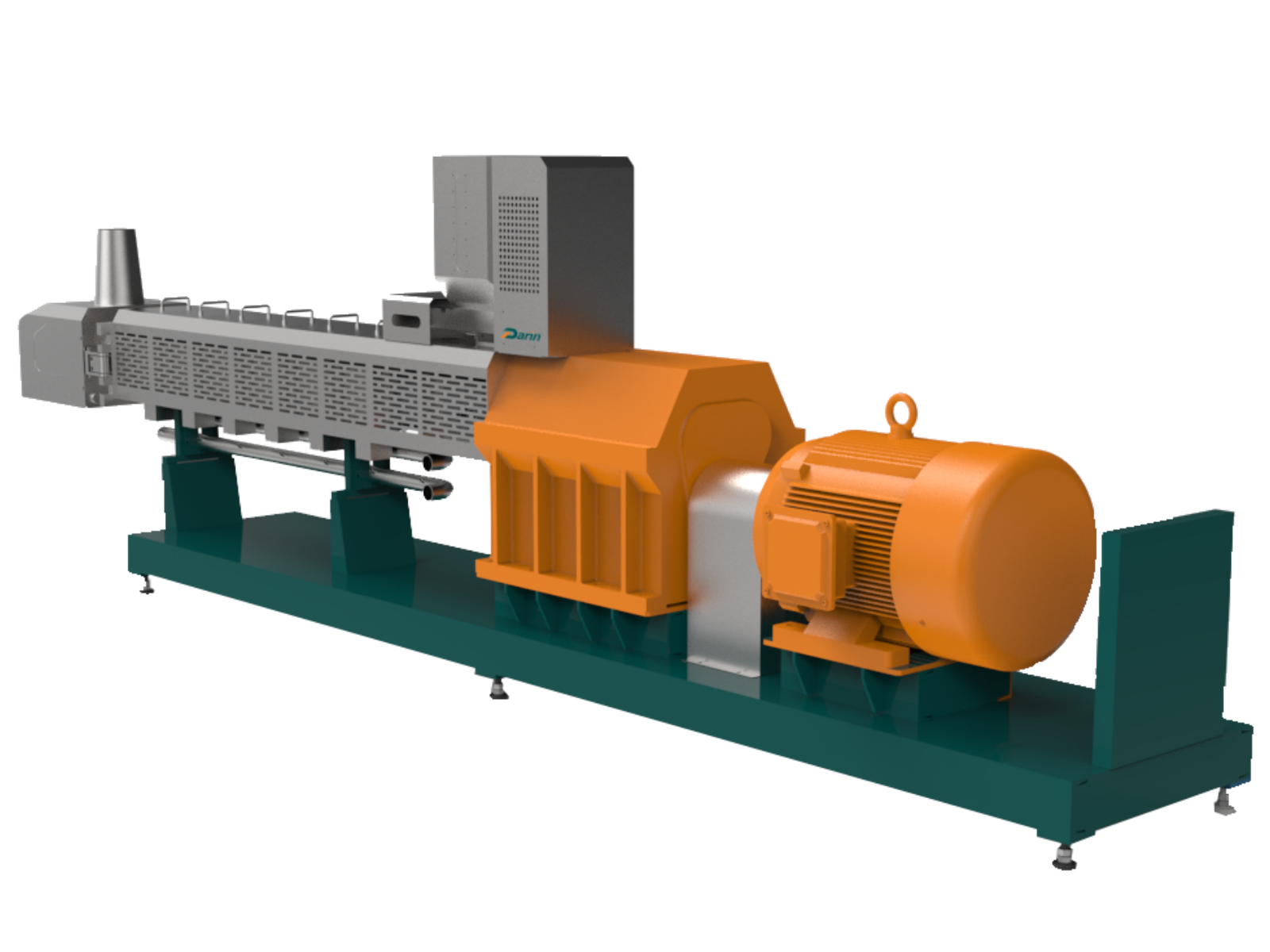
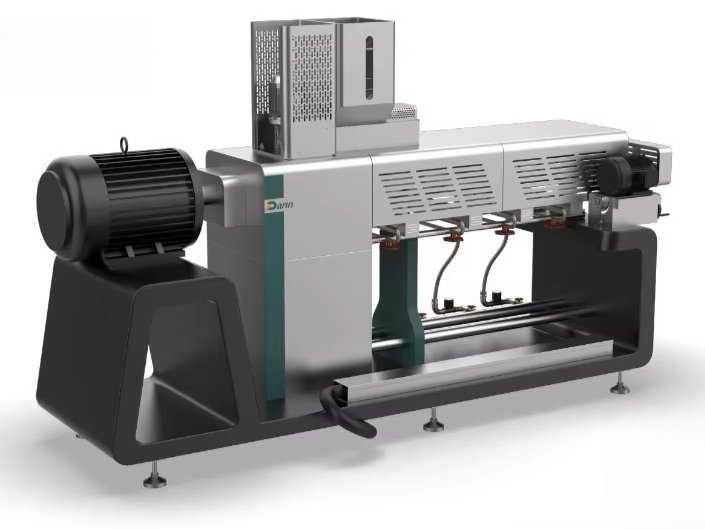
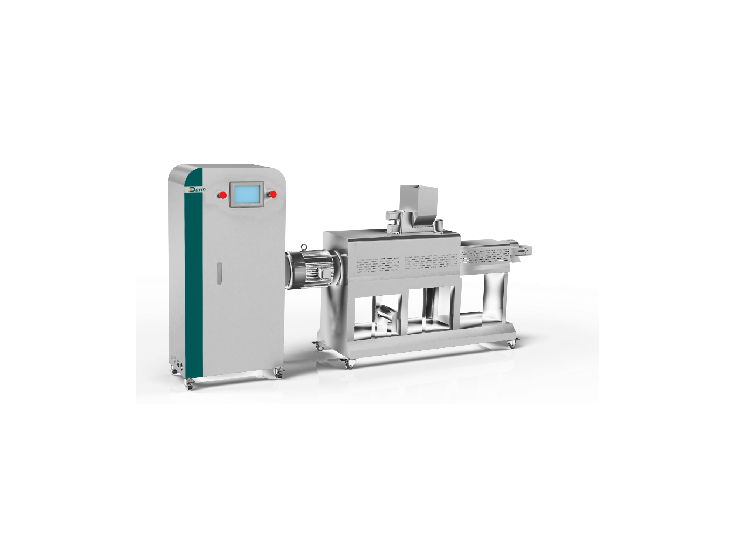
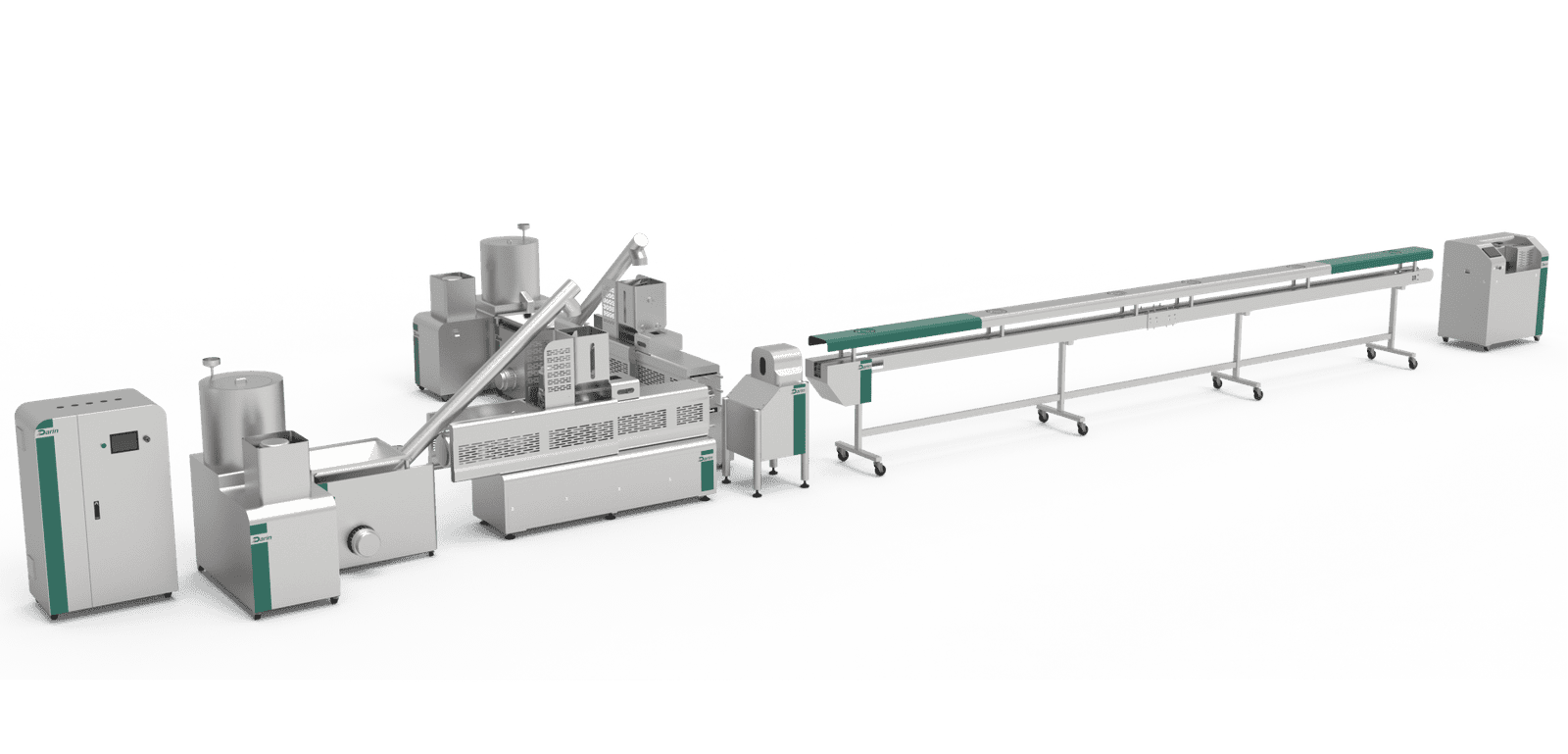
👉 At Darin Machinery, we design and supply customized wet dog food production lines including twin-screw extruders (for pre-processing), batch cookers, automatic can/pouch fillers, and fully programmable retort systems with SCADA interfaces. moist treats processing line
🧠 Real-World Insight: Why Some Brands Mix Both Worlds
Several premium pet food companies are combining homemade principles with factory efficiency, producing human-grade wet dog food with minimal processing, cold-chain logistics, and vacuum fresh-seal technology. This hybrid model offers balanced nutrition with limited preservatives—bridging trust and safety.
Conclusion: Which Is Right for You?
Both homemade and commercial wet dog food have clear pros and cons. If you have time, veterinary guidance, and storage means, homemade food provides customizability and ingredient transparency. On the other hand, modern commercial products offer safety, balance, and convenience backed by science and automation. Either way, your dog’s health depends on balanced formulation, food safety, and consistent feeding routines.
📞 Contact Darin Machinery for Wet Dog Food Production Solutions
Are you a pet food manufacturer looking to expand into wet dog food or optimize your current setup? Darin Machinery offers complete wet dog food production lines, including ingredient mixing systems, retort sterilizers, and automated filling machines. Our CE-certified, ISO-compliant solutions ensure food safety, operational efficiency, and tailored configurations for all production scales.
👉 Contact us today to request a technical proposal and quotation. Let’s help you build a wet dog food plant that’s smarter, safer, and more profitable.
Top-Selling Pet Food Machinery
Looking for high-performance pet food machinery? Discover Darin’s best-selling machines, trusted by customers worldwide. From automatic extrusion lines to innovative treat shaping machines, we offer professional solutions to boost your production.
Pet Food Extruder
Equipped with two intermeshing screws. Offers powerful mixing, higher flexibility, and stable output. Ideal for complex formulations, high-fat, or high-moisture recipes. Higher cost and more complex maintenance.
Equipped with two intermeshing screws. Offers powerful mixing, higher flexibility, and stable output. Ideal for complex formulations, high-fat, or high-moisture recipes. Higher cost and more complex maintenance.
Used only with old Urchin versions of Google Analytics and not with GA.js. Was used to distinguish between new sessions and visits at the end of a session.
End of session (browser)
_gat
Used to monitor number of Google Analytics server requests when using Google Tag Manager
1 minute
_gid
ID used to identify users for 24 hours after last activity
24 hours
_ga_
ID used to identify users
2 years
_gali
Used by Google Analytics to determine which links on a page are being clicked
30 seconds
_ga
ID used to identify users
2 years
__utmx
Used to determine whether a user is included in an A / B or Multivariate test.
18 months
__utmv
Contains custom information set by the web developer via the _setCustomVar method in Google Analytics. This cookie is updated every time new data is sent to the Google Analytics server.
2 years after last activity
__utmz
Contains information about the traffic source or campaign that directed user to the website. The cookie is set when the GA.js javascript is loaded and updated when data is sent to the Google Anaytics server
6 months after last activity
__utmb
Used to distinguish new sessions and visits. This cookie is set when the GA.js javascript library is loaded and there is no existing __utmb cookie. The cookie is updated every time data is sent to the Google Analytics server.
30 minutes after last activity
__utmt
Used to monitor number of Google Analytics server requests
10 minutes
__utma
ID used to identify users and sessions
2 years after last activity
_gac_
Contains information related to marketing campaigns of the user. These are shared with Google AdWords / Google Ads when the Google Ads and Google Analytics accounts are linked together.
90 days
Marketing cookies are used to follow visitors to websites. The intention is to show ads that are relevant and engaging to the individual user.
Name
Description
Duration
_gcl_au
3 months
Facebook Pixel is a web analytics service that tracks and reports website traffic.