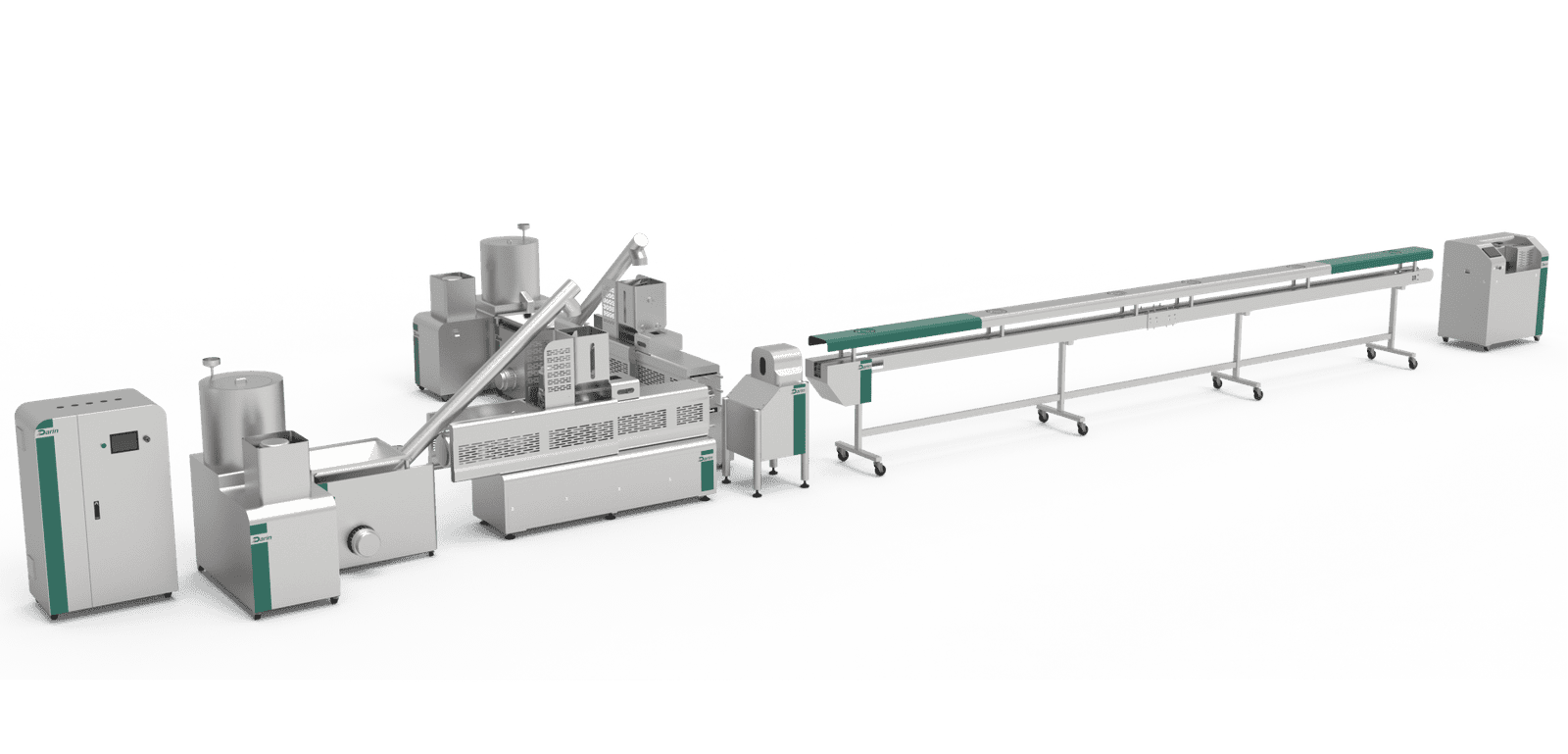

Pet owners expect more from treats today than just a crunchy bite. They want snacks that are safe, nutritious, flavorful, and tailored to different life stages of their dogs. The pain point many businesses face is ensuring consistent product quality, long shelf life, and regulatory compliance while controlling production costs. Inferior processes often lead to texture failures, microbial contamination, or consumer dissatisfaction, which can damage a brand’s reputation. The solution is a systematic, step-by-step dog treat manufacturing process that combines food science with industrial automation.
Dog treats are produced through a carefully engineered process involving raw material formulation, grinding, mixing, extrusion or baking, shaping, drying, flavor enhancement, cooling, packaging, and quality assurance. Each stage is designed to ensure safety, nutritional accuracy, and product appeal while meeting regulatory standards.
This guide provides an in-depth look at each step, offering manufacturers and entrepreneurs a reliable roadmap to develop or scale a dog treat production line. By the end, you will have a clear technical understanding of how world-class dog treats are made and what machinery, quality controls, and process optimizations are required.
Dog treats are simply flavored biscuits for pets.False
Modern dog treats involve advanced extrusion, nutritional fortification, drying, and coating processes. They are designed not only for taste but also to meet safety, digestibility, and health standards.
Step 1: Ingredient Selection and Formulation
The starting point for any dog treat is the formulation of raw materials. Unlike human snacks, dog treats must balance palatability with nutrition and digestibility. Formulation is both a science and an art, requiring deep knowledge of pet nutrition, raw material functionality, and processing behavior.
1.1 Nutritional Basis
Dogs are omnivores but with strong carnivorous preferences. Treats should provide supplementary protein, fat, and energy while avoiding harmful or non-digestible ingredients. Key nutrients include:
- Protein (18–30%): Essential for muscle repair and flavor intensity.
- Fat (5–15%): Supplies energy and improves palatability.
- Carbohydrates (30–50%): Provide texture, bulk, and digestibility.
- Vitamins & Minerals: Support immunity, bone health, and metabolism.
- Functional Additives: Joint health (glucosamine), gut health (probiotics), skin/coat (omega-3 oils).
1.2 Common Ingredients in Dog Treats
| Ingredient Type | Examples | Functional Role |
|---|---|---|
| Protein Sources | Chicken meal, beef meal, fish meal, soybean protein, pea protein | Flavor, muscle development, texture |
| Carbohydrate Sources | Rice flour, cornmeal, wheat flour, potato starch, tapioca | Binding, structure, expansion during extrusion |
| Fats & Oils | Poultry oil, beef tallow, fish oil, vegetable oils | Palatability, energy, texture |
| Fibers | Beet pulp, cellulose, chicory root | Digestive health, stool quality, bulk |
| Palatants & Flavors | Liver powder, yeast extract, chicken hydrolysate | Enhance aroma and taste |
| Vitamins & Minerals | Vitamin A, D, E, calcium, phosphorus, zinc | Balance nutritional profile |
| Functional Additives | Glucosamine, probiotics, omega-3 fatty acids | Health-targeted benefits |
1.3 Ingredient Safety & Compliance
Pet food ingredients must meet strict safety standards:
- Prohibited items: Chocolate, onions, grapes, xylitol, and other toxic compounds.
- Regulatory checks: Must comply with AAFCO (US), FEDIAF (EU), GB standards (China), or local regulations.
- Traceability: Batch coding for recall management and transparency.
1.4 Example Formulation for a Dog Biscuit Treat
| Ingredient | Inclusion (%) | Purpose |
|---|---|---|
| Chicken Meal | 25% | Protein & flavor |
| Rice Flour | 30% | Carbohydrate, digestibility |
| Wheat Flour | 20% | Binding & texture |
| Poultry Oil | 8% | Fat & palatability |
| Beet Pulp | 5% | Fiber for digestion |
| Flavor Enhancer (liver powder) | 3% | Palatability |
| Vitamin/Mineral Premix | 2% | Nutrition balance |
| Water/Steam | 7% | Process aid, extrusion moisture |
This balanced recipe ensures digestibility, taste, and structure while keeping costs manageable.
Step 2: Grinding and Particle Size Reduction
Once ingredients are sourced, they must be prepared for processing. Raw meats, meals, grains, and fibers come in varied particle sizes, and uniformity is critical for mixing and extrusion performance.
2.1 Grinding Equipment
- Hammer Mill: Uses hammers to crush grains into fine powder (200–600 µm).
- Roller Mill: Produces uniform particle size, better for flours.
- Bone Grinder (if raw meat/bone is used): Breaks down animal byproducts into usable meal.
2.2 Target Particle Size
- Proteins & Grains: 300–500 µm for efficient cooking and binding.
- Fibers: 500–1000 µm to maintain functionality in digestion.
- Additives (minerals, vitamins): Fine powders, often premixed.
2.3 Importance of Grinding
- Enhances digestibility by increasing surface area.
- Improves extrusion efficiency and expansion.
- Ensures even distribution in final product.
2.4 Dust & Hygiene Control
Grinding creates airborne dust, which poses explosion and contamination risks. Solutions include:
- Cyclone collectors for dust removal.
- Magnetic separators to remove metal fragments.
- Closed-loop conveying systems to reduce cross-contamination.
Step 3: Mixing and Homogenization
After grinding, powders and liquids must be thoroughly blended into a consistent dough before extrusion or baking.
3.1 Mixing Equipment
- Ribbon Mixer: U-shaped trough with rotating ribbons that push material forward and backward for homogeneity.
- Paddle Mixer: Gentle mixing with paddles; better for fragile ingredients.
- Vacuum Mixer (advanced): Removes air pockets, useful for semi-moist treats.
3.2 Liquid Incorporation
Fats, oils, and water/steam are added gradually:
- Oils/Fats: Sprayed in controlled amounts to avoid clumping.
- Water/Steam: Adjusts dough moisture to 20–25% for extrusion or 30–40% for baking.
3.3 Mixing Time & Homogeneity Testing
- Typical mixing time: 2–5 minutes for dry mixes, 6–10 minutes with liquids.
- Homogeneity is tested by sampling and analyzing nutrient distribution.
3.4 Challenges in Mixing
- Ingredient segregation: Larger particles separating from fines.
- Inconsistent moisture: Leads to extrusion defects.
- Nutrient losses: Heat-sensitive vitamins must be coated post-processing.

Step 4: Extrusion or Baking – Cooking the Dough
After grinding and mixing, the prepared dough is ready for the cooking stage, which transforms raw ingredients into digestible, safe, and structured dog treats. Two main methods dominate the industry: extrusion cooking and oven baking.
4.1 Extrusion Cooking
Extrusion is the most widely used process in modern dog treat production because of its versatility, high throughput, and ability to sterilize raw materials.
Working Principle:
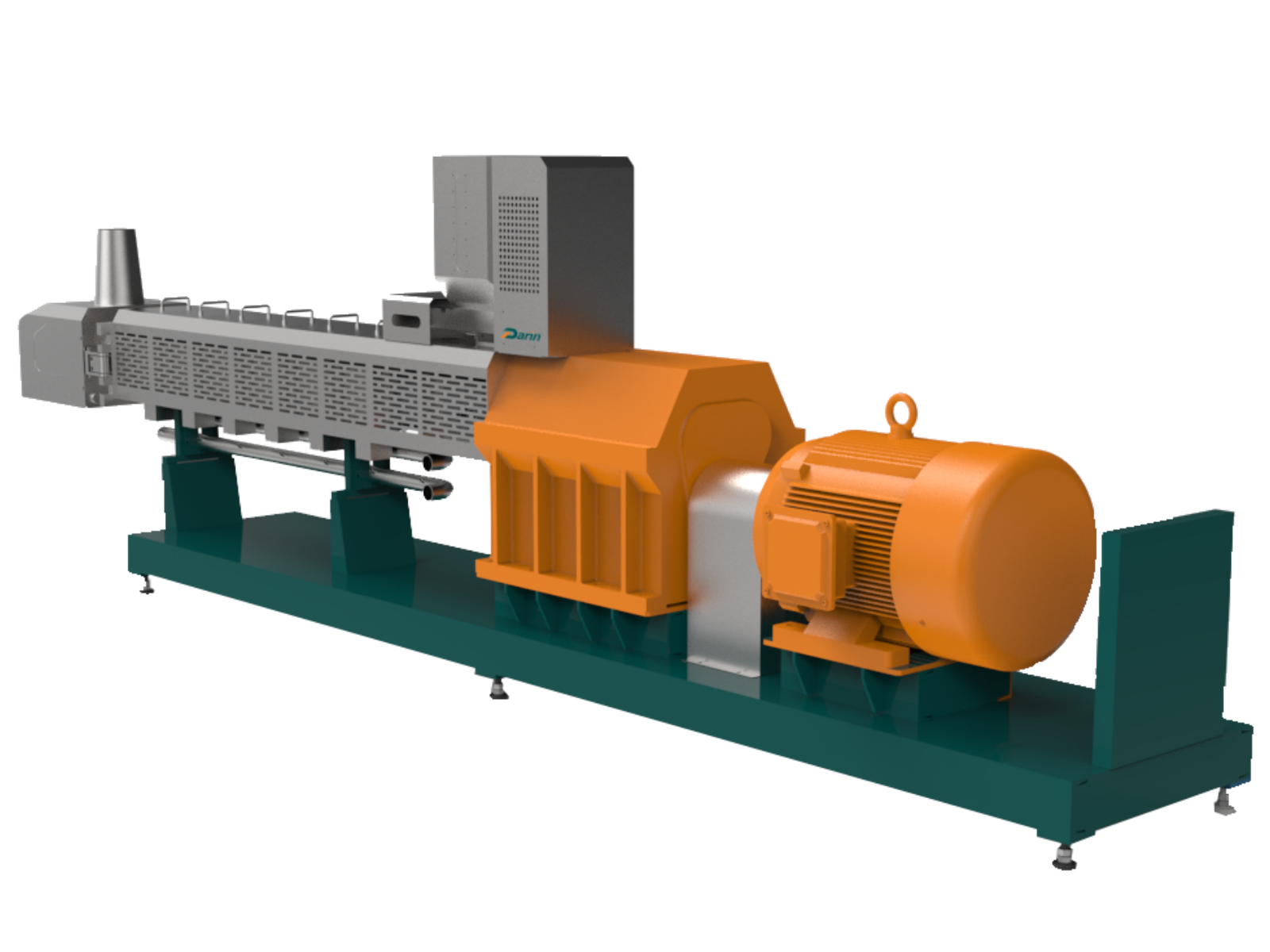
- Ingredients enter a twin-screw extruder, where rotating screws convey, compress, shear, and heat the mixture.
- Temperatures reach 90–180°C, with pressures up to 30 bar.
- Starch gelatinizes, proteins denature, fats emulsify, and microbial contaminants are destroyed.
- At the die exit, sudden pressure drop causes expansion, creating porous textures.
Advantages:
- Sterilizes product, ensuring safety.
- Precise control over texture, density, and shape.
- High flexibility – produces crunchy, chewy, or semi-moist treats.
- Allows incorporation of fresh meat slurries.
Limitations:
- Higher capital investment in equipment.
- Requires skilled operation and recipe optimization.
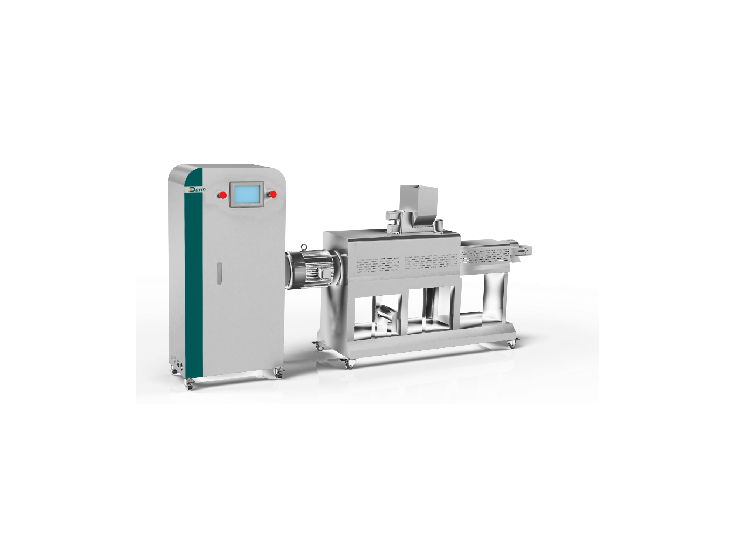
Key Extruder Components:
- Feeder – regulates ingredient input.
- Barrel & Screws – provide heat, shear, and mixing.
- Die & Knife Assembly – define shape and cut size.
- Control Panel – monitors temperature, torque, and speed.
4.2 Baking Method
Baking is the traditional method, commonly used for dog biscuits.
Process:
- Dough is sheeted or rolled to desired thickness.
- Rotary cutters or stamping molds create shapes.
- Dough pieces travel through a tunnel oven (gas or electric) at 160–220°C for 10–20 minutes.
- Finished treats are crisp and crunchy, similar to human cookies.
Advantages:
- Lower equipment cost than extrusion.
- Familiar biscuit-like texture appeals to some markets.
- Easier to produce small-batch, artisanal products.
Limitations:
- Longer processing time.
- Less precise control over nutrient retention.
- Cannot easily produce chewy or semi-moist textures.
4.3 Comparison of Extrusion vs. Baking
| Parameter | Extrusion | Baking |
|---|---|---|
| Texture Options | Crunchy, chewy, semi-moist | Crunchy only |
| Sterilization | Yes (high pressure & heat) | Partial (surface, less uniform) |
| Production Speed | High | Moderate |
| Shapes | Highly customizable via dies | Limited to cutters/molds |
| Nutrient Retention | Moderate (heat sensitive loss) | Lower |
| Investment | Higher | Lower |
👉 For industrial-scale dog treat factories, extrusion dominates, while baking remains common in small to mid-size plants.
Step 5: Shaping and Cutting
Regardless of cooking method, shaping is critical to consumer appeal. Dogs themselves may not care, but pet owners prefer fun, recognizable forms like bones, hearts, rings, or stars. Shape also influences texture and drying efficiency.
5.1 Extrusion Shaping
At the extruder outlet, product passes through a die plate with cavities. Knives mounted outside the die rotate to cut products into uniform lengths.
- Bone-shaped die → Classic bone treats.
- Star or ring die → Chewy snacks with texture.
- Rope extrusion → Long twisted sticks.
Advanced options:
- Co-extrusion: Allows two layers – e.g., hard shell with soft filling (cheese, meat paste).
- 3D Molds: Produce novelty designs for premium markets.
5.2 Baking Shaping
For biscuits, dough is sheeted and cut before baking. Rotary molds are commonly used, which emboss logos or patterns onto each treat.
Cutting methods:
- Rotary Die Cutter – Continuous shaping at high throughput.
- Stamp Cutter – Suitable for artisanal or smaller batches.
- Wire Cutters – For soft doughs, drop-type cookies.
5.3 Size Control
Uniformity is essential for drying and packaging. Target treat sizes depend on dog breed categories:
| Dog Size | Treat Size | Example Shapes |
|---|---|---|
| Small (≤10 kg) | 1–2 cm | Mini bones, training bites |
| Medium (10–25 kg) | 2–4 cm | Standard bones, rings |
| Large (25+ kg) | 4–8 cm | Jumbo sticks, filled treats |
Consistency in size ensures that moisture is evenly removed during drying and avoids packaging errors.
Step 6: Drying – Moisture Control for Shelf Life
Once shaped and partially cooked, dog treats must be dried to safe moisture levels. This step determines shelf stability, texture, and microbial safety.
6.1 Why Drying is Critical
- Prevents microbial growth (mold, bacteria).
- Reduces water activity (Aw) to <0.6 for stability.
- Defines texture: crunchy vs. chewy.
- Improves packaging & transportability.
6.2 Drying Equipment
-
Multi-layer Belt Dryer (most common for extruded treats):
- Treats travel across 3–7 layers of stainless steel mesh belts.
- Hot air circulates (70–120°C).
- Residence time: 15–45 minutes depending on thickness.
-
Hot Air Oven (for baked biscuits):
- Tray-based or tunnel ovens.
- Slower but effective for uniform crunch.
-
Vacuum Dryer (for premium or semi-moist treats):
- Removes moisture at lower temperatures.
- Retains sensitive nutrients and flavors.
6.3 Moisture Targets
| Treat Type | Final Moisture (%) | Texture | Shelf Life |
|---|---|---|---|
| Crunchy Biscuits | 8–10% | Hard, brittle | 12–18 months |
| Chewy Snacks | 15–20% | Soft, pliable | 6–12 months (with preservatives) |
| Semi-Moist | 20–30% | Tender, meaty | 3–6 months (vacuum packed) |
6.4 Drying Curve & Control
Drying is monitored by moisture analyzers. A typical belt dryer profile:
| Zone | Temp (°C) | Purpose |
|---|---|---|
| Zone 1 | 100–120 | Rapid surface drying |
| Zone 2 | 80–90 | Internal moisture removal |
| Zone 3 | 60–70 | Gentle finish drying |
👉 Over-drying causes brittle treats and nutrient degradation. Under-drying risks mold growth and spoilage.
Step 7: Flavoring and Coating
Even though the nutritional base is critical, palatability determines whether a dog eagerly accepts a treat. Flavoring and coating are the finishing touches that turn a plain product into a market winner.
7.1 Why Flavoring Matters
Dogs have fewer taste buds than humans, but their sense of smell is 40 times stronger. Palatants and coatings target this heightened olfactory sensitivity, making treats irresistible.
Benefits of Coating:
- Boosts aroma and flavor.
- Increases fat content (dogs crave energy-rich foods).
- Enhances visual appeal (glossy finish).
- Allows addition of sensitive nutrients (post-processing vitamins).
7.2 Common Coating Materials
| Category | Examples | Function |
|---|---|---|
| Fats & Oils | Poultry fat, fish oil, tallow | Improve palatability, energy source |
| Hydrolysates | Chicken liver hydrolysate, yeast extract | Strong aroma, umami taste |
| Powders | Milk powder, cheese powder, bone meal | Flavor enhancement |
| Nutrient Coatings | Vitamin premix, probiotics | Compensate for heat-sensitive losses |
| Colorants (natural) | Beetroot extract, turmeric | Appearance, branding |
7.3 Coating Methods
-
Drum Coating (Rotary Drum):
- Treats tumble in a rotating drum.
- Sprayers coat surface with fat/flavor solutions.
- Powders may be dusted afterward.
- Ensures uniform coverage.
-
Vacuum Coating (Advanced):
- Treats placed in a sealed chamber.
- Vacuum draws in liquid coating into pores.
- Provides deep absorption, not just surface.
- Ideal for semi-moist or high-fat treats.
-
Enrobing:
- Used for yogurt or carob-coated premium treats.
- Similar to chocolate enrobing in human confectionery.
7.4 Typical Coating Ratios
- Fat addition: 3–8% of product weight.
- Palatant: 0.5–2% depending on intensity.
- Vitamin/mineral coating: As per formulation needs.
👉 Coating is not only about taste — it’s a science-driven step that balances aroma, nutrition, and product stability.
Step 8: Cooling
Freshly coated or dried treats are often still warm. Cooling stabilizes structure, prevents condensation in packaging, and ensures product safety.
8.1 Why Cooling is Necessary
- Hot treats packed too early → condensation inside bags → mold growth.
- Residual heat may degrade coatings (especially probiotics or vitamins).
- Cooling improves hardness and texture retention.
8.2 Cooling Methods
| Cooling Type | Method | Typical Application |
|---|---|---|
| Ambient Air Cooling | Conveyor with fans, treats exposed to room air | Dry, crunchy biscuits |
| Forced-Air Cooling | Cold filtered air blown through perforated belts | Large-scale extrusion lines |
| Chilled Air Tunnel | Refrigerated air circulation | Semi-moist, sticky treats |
| Spiral Cooling Tower | Space-saving vertical conveyor | High-volume factories |
8.3 Cooling Parameters
- Target final temperature: 25–30°C before packing.
- Cooling time: 10–30 minutes, depending on treat type and coating.
- Air must be filtered to avoid microbial contamination.
Step 9: Packaging
Packaging is the frontline of product protection, marketing, and consumer trust. A perfectly made treat can still fail commercially if packaging is poor.
9.1 Packaging Objectives
- Barrier protection – against oxygen, moisture, and light.
- Portion control – small pouches vs. bulk bags.
- Branding & consumer appeal – graphics, resealability.
- Convenience – easy to open, resealable zippers.
9.2 Packaging Formats
| Packaging Type | Features | Common Use |
|---|---|---|
| Plastic Pouches (PE/PP/foil laminates) | Low cost, resealable, printable | Training treats, small packs |
| Stand-up Pouches (Doypacks) | Premium look, stable shelf display | Retail-ready snacks |
| Plastic Jars / Tubs | Resealable, reusable | Chewy treats, bulk family packs |
| Sachets / Stick Packs | Single-serve, portioned | Travel snacks, sample packs |
| Bulk Bags (10–25 kg) | Economical | B2B wholesale, kennels |
9.3 Advanced Packaging Technologies
- Vacuum Packaging – removes oxygen, extends shelf life.
- Nitrogen Flushing – replaces oxygen with nitrogen gas, preventing oxidation.
- Modified Atmosphere Packaging (MAP) – combination of gases for semi-moist treats.
- Multi-layer Films – provide oxygen and moisture barrier.
9.4 Labeling and Compliance
Every dog treat package must include:
- Ingredient list (descending order by weight).
- Guaranteed analysis (protein, fat, fiber, moisture %).
- Nutritional adequacy statement (if formulated to AAFCO/FEDIAF standards).
- Feeding guidelines (based on dog size/weight).
- Best-before date & batch code (traceability).
👉 Smart packaging is not only about keeping treats fresh — it’s also about trust, compliance, and consumer experience.
Step 10: Quality Control and Testing
Dog treats must not only look and taste good — they must also meet strict nutritional and safety standards. Quality control (QC) is therefore integrated into every stage of production.
10.1 Key QC Parameters
| Parameter | Method | Target | Importance |
|---|---|---|---|
| Moisture (%) | Infrared moisture analyzer | 8–12% (crunchy) | Shelf stability |
| Water Activity (Aw) | Hygrometer | <0.6 | Prevent microbial growth |
| Protein Content (%) | Kjeldahl / NIR analysis | As per formulation | Nutritional compliance |
| Fat Content (%) | Soxhlet extraction | Recipe-specific | Palatability, energy |
| Microbiology | Plate counts, PCR | No Salmonella/E. coli | Safety |
| Texture (Hardness) | Texture analyzer | 2–10 kg/cm² | Bite resistance for different dog sizes |
| Appearance | Visual inspection, colorimeter | Uniform shape/color | Market acceptance |
10.2 In-Process Controls
- Ingredient Verification: Certificates of Analysis (CoA) from suppliers.
- Batch Coding: Traceability for recalls.
- Extrusion Monitoring: Torque, barrel temperature, pressure.
- Drying Validation: Continuous moisture checks across zones.
- Metal Detection: Inline magnets and detectors before packaging.
10.3 Finished Product Testing
- Shelf-Life Studies: Accelerated storage tests (40°C/75% RH for 3 months).
- Palatability Trials: Comparative feeding tests with panels of dogs.
- Digestibility Trials: In vitro enzymatic digestion or fecal analysis in test kennels.
👉 QC ensures compliance with regulatory bodies like AAFCO (USA), FEDIAF (EU), and GB (China) while protecting brand reputation.
Step 11: Storage and Distribution
After production and QC, treats must be stored and shipped under controlled conditions.
11.1 Storage Requirements
- Temperature: 15–25°C.
- Relative Humidity: ≤60% to avoid moisture absorption.
- FIFO (First In, First Out): Ensures older batches ship first.
- Pest Control: Rodent-proof warehouses with regular fumigation.
11.2 Packaging & Palletization
- Cartons stacked on wooden or plastic pallets.
- Stretch-wrapped to protect against dust and humidity.
- Labeled with batch codes, production dates, and handling instructions.
11.3 Distribution Channels
| Channel | Logistics Method | Characteristics |
|---|---|---|
| Retail Chains | Palletized shipments | Require barcodes, compliance docs |
| Online Stores | Small parcel packaging | Resealable pouches, branding key |
| Export Markets | Container shipping | Must comply with destination regulations |
| Bulk Supply (Kennels, Farms) | 10–25 kg bags | Lower cost, less branding |
👉 Global exports require health certificates, customs clearance, and import permits. For example, treats shipped to the EU must comply with Regulation (EC) No 1069/2009 on animal by-products.
Step 12: Regulatory Standards and Compliance
Pet food — including treats — is heavily regulated to ensure animal health and consumer protection.
12.1 United States – AAFCO & FDA
- AAFCO Nutritional Profiles define minimum levels of protein, fat, vitamins, and minerals.
- Guaranteed Analysis on labels is mandatory.
- FDA (21 CFR 507) requires Hazard Analysis and Risk-Based Preventive Controls (HARPC).
12.2 European Union – FEDIAF
- FEDIAF Guidelines outline nutrient requirements for dogs.
- EU Regulation 183/2005: Feed hygiene standards.
- EU Regulation 767/2009: Marketing and labeling of feed.
12.3 China – GB Standards
- GB/T 31216-2014: Pet feed production requirements.
- GB 13078-2017: Hygienic standards for feed.
- Labels must be bilingual (Chinese + English for exports).
12.4 International Certifications
- ISO 22000 / FSSC 22000 – Food safety management systems.
- HACCP – Hazard analysis and control points.
- GMP+ – Good manufacturing practice for feed.
12.5 Claim Review
Dog treats do not require regulatory compliance because they are not human food.False
Pet treats are legally regulated under feed and pet food laws worldwide. Authorities like AAFCO, FEDIAF, and FDA mandate strict standards for composition, labeling, and safety.
Step 13: Troubleshooting & Common Production Problems
Even with advanced machinery, manufacturers often face challenges in consistency, safety, and efficiency. Recognizing issues early prevents costly downtime or recalls.
13.1 Extrusion Problems
| Problem | Possible Cause | Solution |
|---|---|---|
| Uneven expansion | Moisture variation in dough | Adjust pre-conditioning moisture (20–25%) |
| Screw blockage | Excess fat or sticky proteins | Use twin-screw design, optimize recipe |
| Burnt smell | Overheating in barrel | Lower barrel temperature, adjust screw speed |
| Irregular shapes | Worn die/knives | Replace or sharpen cutting tools |
13.2 Baking Problems
| Problem | Possible Cause | Solution |
|---|---|---|
| Uneven browning | Poor airflow in oven | Balance airflow, rotate trays |
| Brittle texture | Over-baking | Reduce residence time/temperature |
| Soft centers | Under-baking | Extend oven residence time |
13.3 Drying Problems
| Issue | Impact | Solution |
|---|---|---|
| High final moisture | Mold growth | Increase belt dryer time/temp |
| Over-drying | Hard, cracked treats | Reduce drying intensity |
| Non-uniform drying | Mixed textures | Optimize layer thickness, airflow |
13.4 Packaging Problems
| Problem | Effect | Solution |
|---|---|---|
| Condensation inside bags | Mold growth | Improve cooling before packaging |
| Oxidation (rancid smell) | Shortened shelf life | Nitrogen flushing or vacuum packaging |
| Seal failure | Product spoilage | Regularly calibrate sealing jaws |
👉 Continuous monitoring and preventive maintenance are essential to minimize downtime and preserve quality.
Step 14: Cost Analysis & Production Scale Options
Investors often ask: What does it cost to make dog treats at scale? Costs vary depending on technology (extrusion vs. baking), production capacity, and level of automation.
14.1 Typical Investment Levels
| Scale | Capacity (kg/h) | Technology | Estimated CapEx (USD) | Typical Users |
|---|---|---|---|---|
| Small-scale | 50–150 | Baking | $20,000–50,000 | Startups, artisanal brands |
| Medium-scale | 300–800 | Extrusion + dryer | $100,000–300,000 | Regional suppliers |
| Large-scale | 1,000–5,000+ | Automated extrusion line | $500,000–2,000,000+ | Industrial exporters, OEMs |
14.2 Operational Costs
| Category | Share of Total Cost | Notes |
|---|---|---|
| Raw Materials | 55–65% | Proteins and fats are the largest expense |
| Labor | 8–12% | Varies with automation level |
| Energy | 6–10% | Extruders, dryers, ovens |
| Packaging | 8–15% | Premium packaging increases cost but boosts sales |
| Maintenance | 3–5% | Spare parts, lubricants |
14.3 Profitability Drivers
- Premiumization: Functional or gourmet treats command higher margins.
- Private Labeling: Producing for retailers expands market reach.
- Exporting: Accesses higher-value markets but requires certification.
- Automation: Reduces labor cost, increases consistency.
Step 15: Future Trends in Dog Treat Manufacturing
The pet industry is evolving rapidly, and dog treats are no exception.
15.1 Health & Functional Treats
- Joint health treats with glucosamine/chondroitin.
- Dental chews designed to reduce tartar.
- Skin & coat treats enriched with omega-3 and biotin.
15.2 Novel Proteins
- Insect protein (black soldier fly larvae).
- Plant-based protein blends for sustainability.
- Alternative meats (duck, venison) for hypoallergenic treats.
15.3 Sustainable Packaging
- Biodegradable films and compostable pouches.
- Recyclable mono-material plastics.
15.4 Digitalization & Smart Manufacturing
- IoT sensors monitoring extrusion parameters in real time.
- AI-driven recipe optimization for texture and palatability.
- Blockchain traceability from raw material to finished treat.
15.5 Market Outlook
Global dog treat sales are expected to exceed $15 billion by 2030, with annual growth of 5–7%. Emerging markets in Asia-Pacific and Latin America will drive expansion.
Final Summary
Dog treats are much more than simple biscuits — they are the result of food science, engineering, and strict quality control. From selecting proteins and grains, grinding, mixing, extrusion or baking, drying, coating, cooling, packaging, and testing, every step determines whether a product will succeed in today’s competitive market.
For entrepreneurs, the opportunity lies in targeting niches (functional treats, premium snacks, sustainable packaging) while leveraging efficient production lines. For established manufacturers, continuous innovation and compliance ensure long-term brand loyalty.
Ready to Build Your Dog Treat Production Line with Darin Machinery?
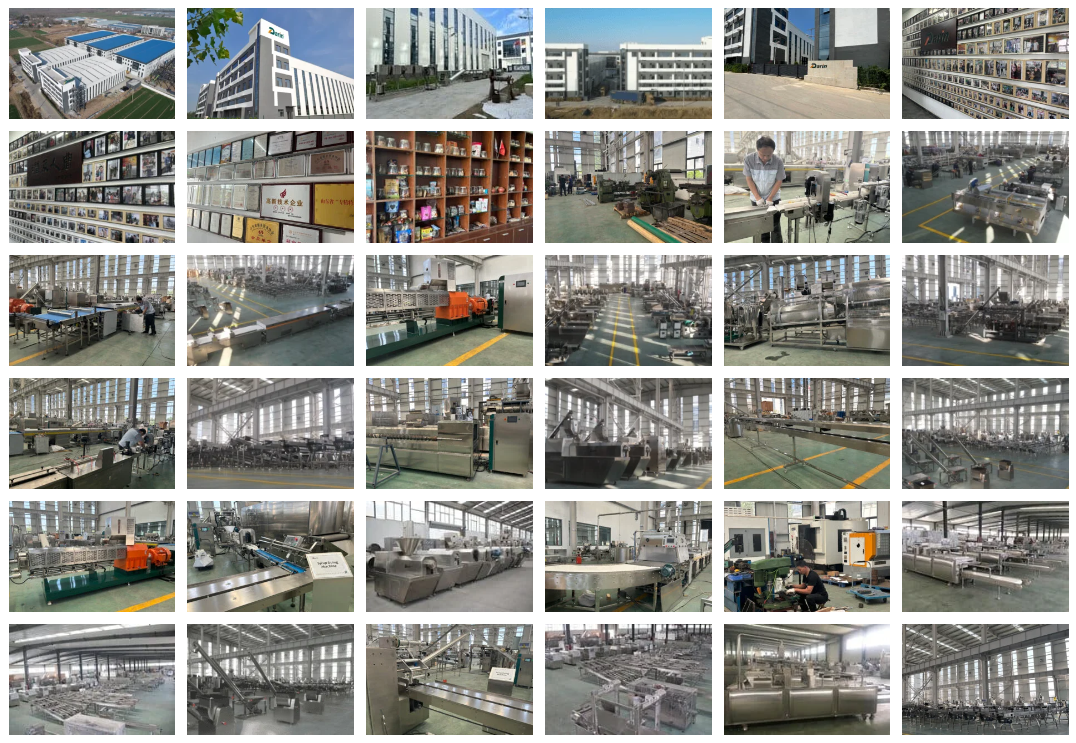
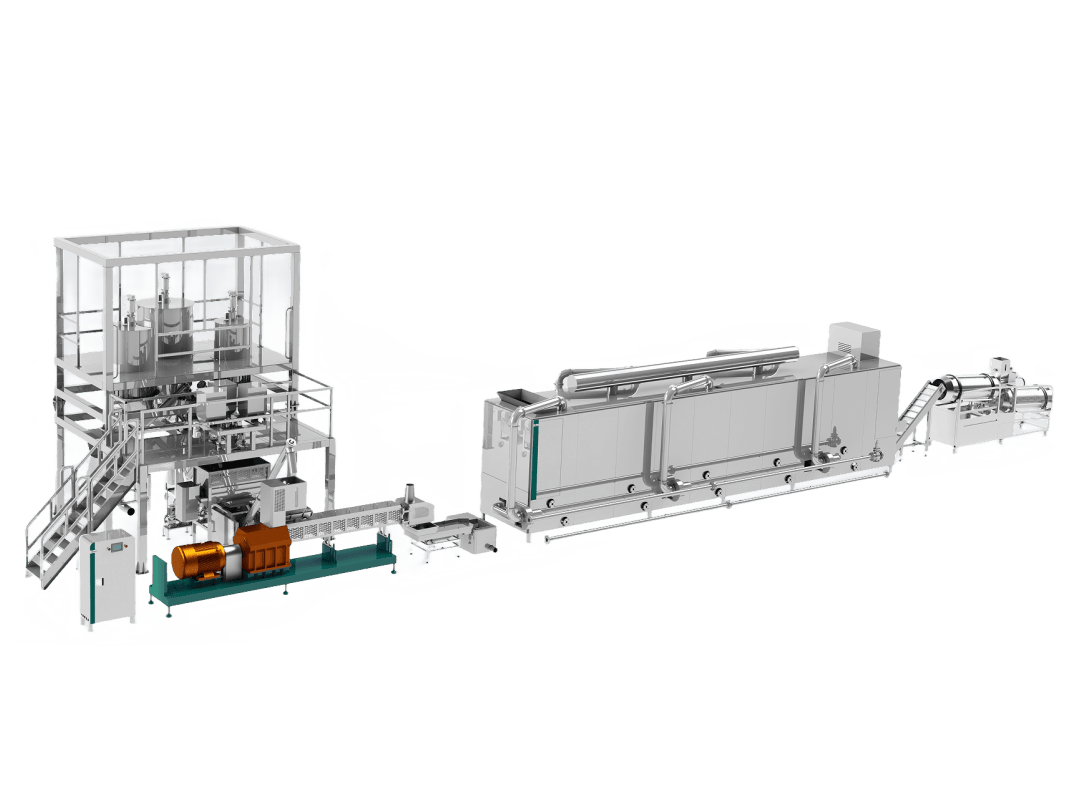
As a global leader in pet food extrusion and treat machinery, we at Darin Machinery help clients worldwide design, install, and optimize dog treat factories — from pilot plants to industrial-scale turnkey solutions.
👉 Contact us today to discuss your project. Let’s make your dog treat business a success story.