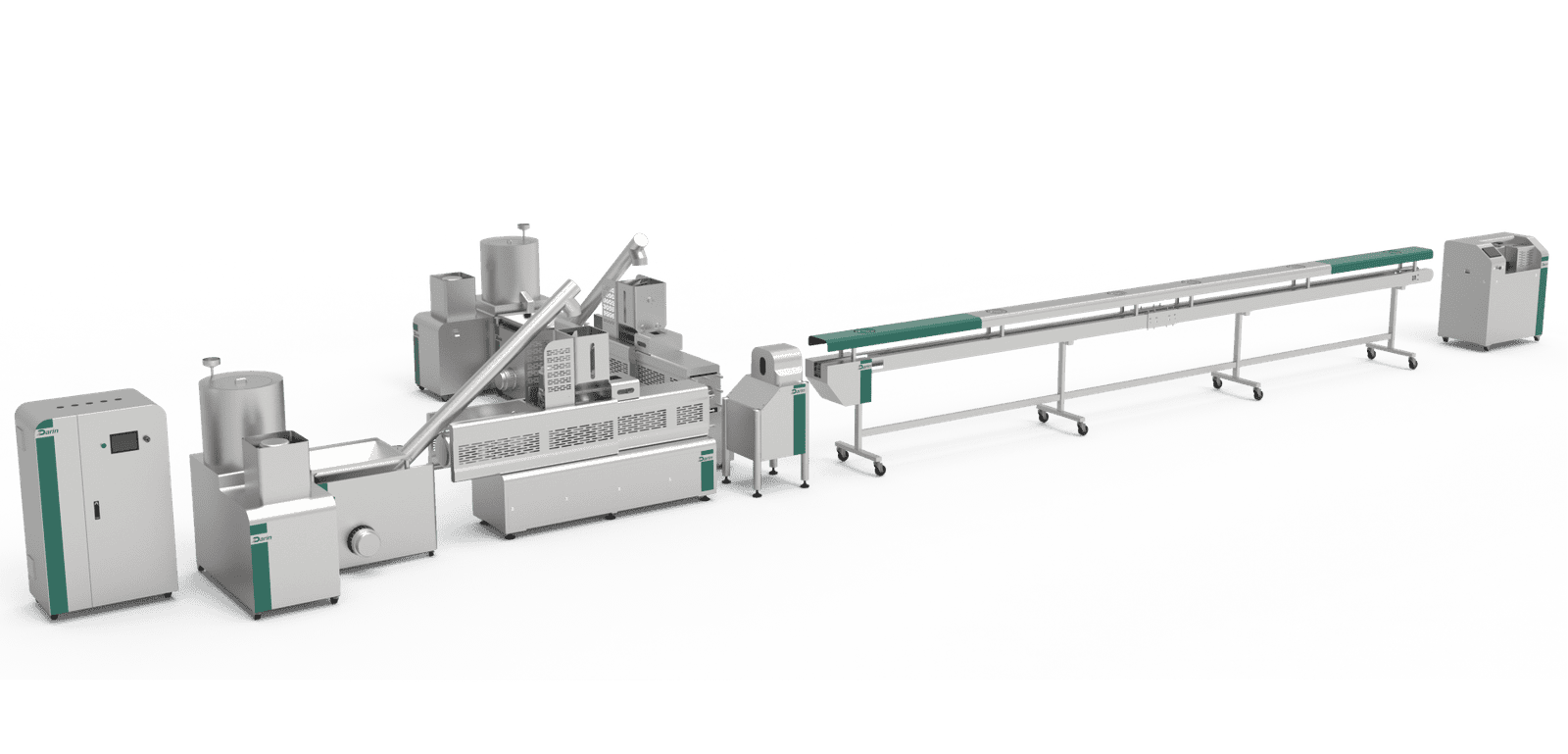

In the modern food industry, efficiency, consistency, and innovation define success. Yet, many food manufacturers struggle to understand when to use a food extrusion machine instead of other processing equipment such as mixers, ovens, grinders, or pelletizers. The wrong choice can result in high energy consumption, poor texture control, or inconsistent product quality. In this article, we’ll clearly explain the key differences between a food extruder and other food machinery—helping you make the right investment decision for your production line.
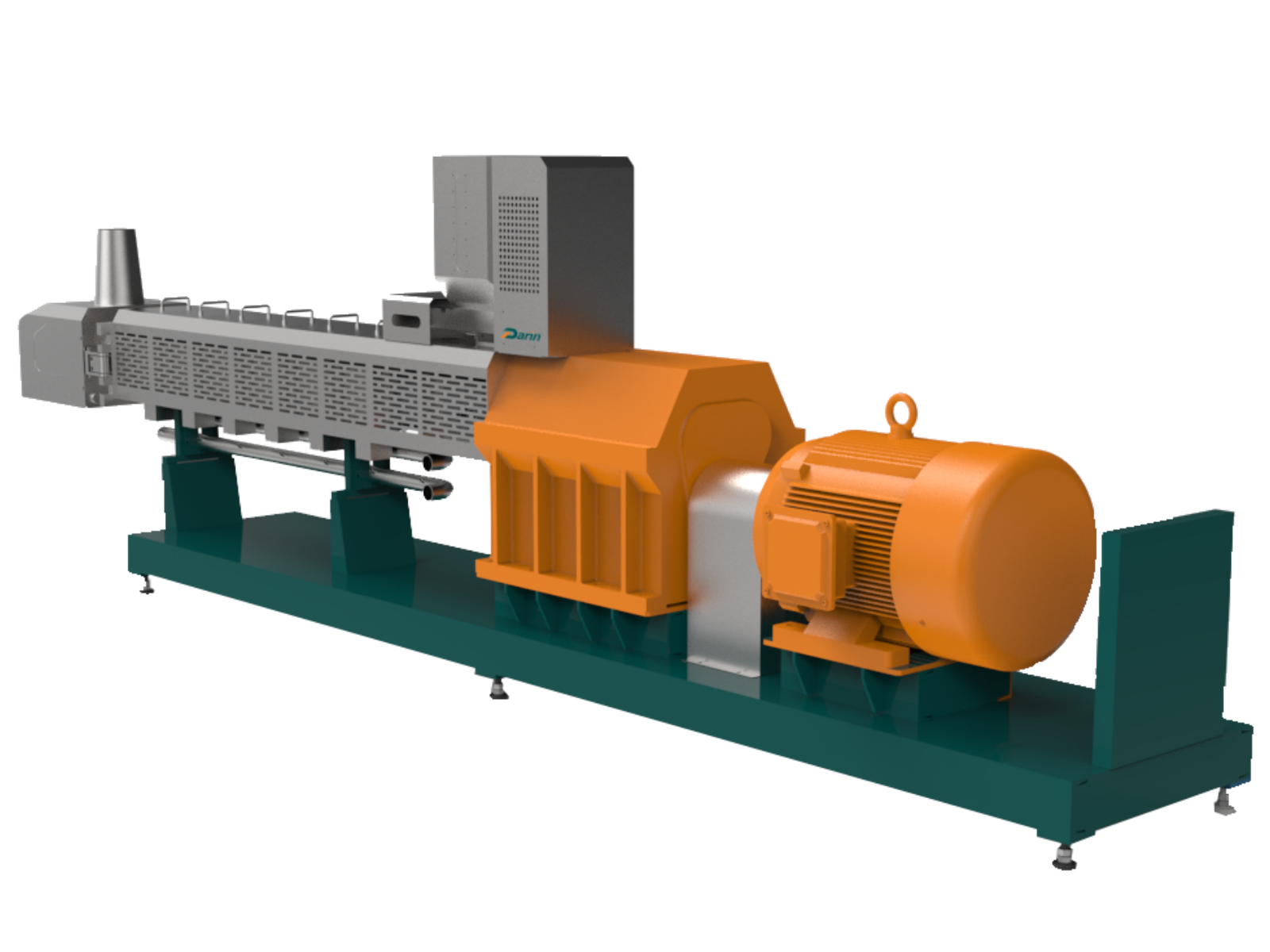
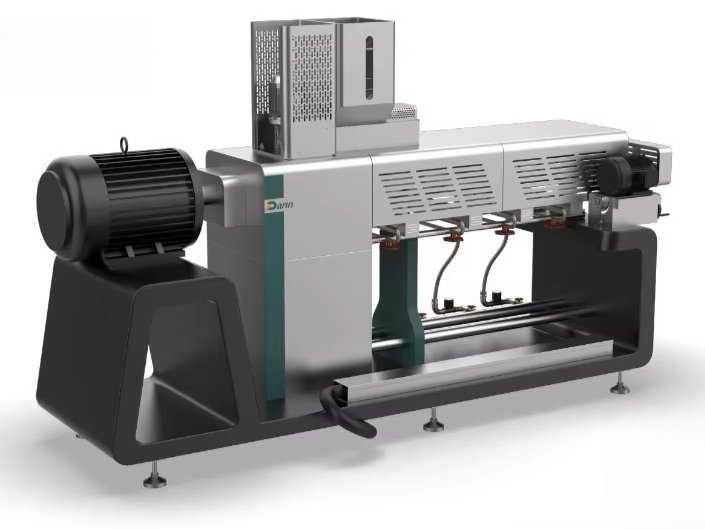
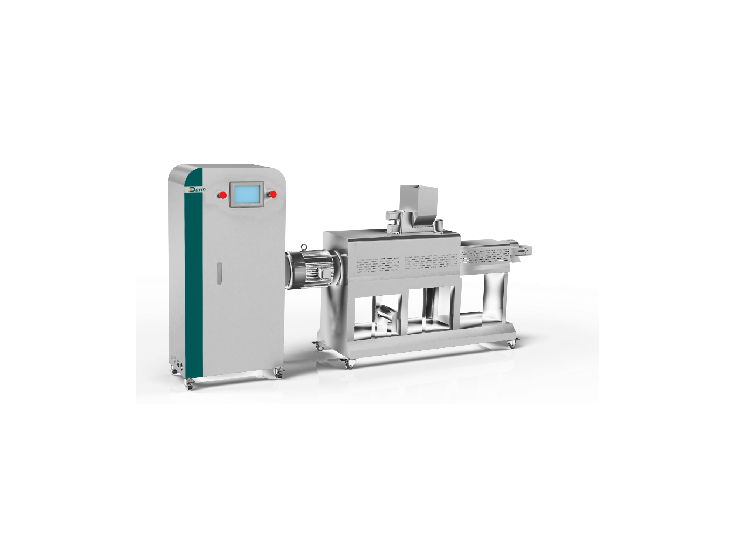
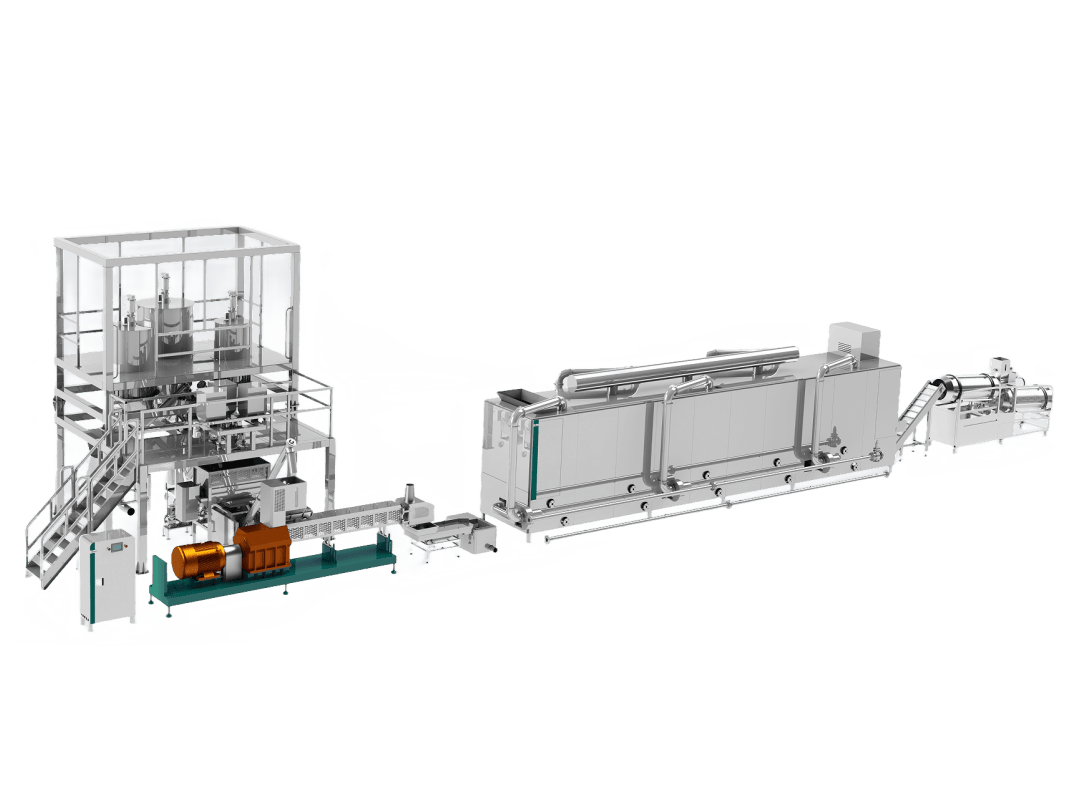
A food extrusion machine is a highly versatile processing system that transforms raw materials into uniform, cooked, and shaped products by forcing them through a die under controlled temperature, pressure, and shear—unlike mixers or ovens, which only blend or heat food. Extruders can combine mixing, cooking, shaping, and sterilizing in one continuous process, making them ideal for producing pet food, snacks, cereals, and textured proteins with consistent quality and high throughput.
If you’re considering upgrading or expanding your production line, understanding how extrusion compares to conventional methods can save you hundreds of thousands of dollars in equipment costs, energy, and maintenance. Let’s explore how extrusion technology works and what advantages it brings to modern food processing.
Food extrusion machines only shape food; they do not cook it.False
Food extruders both cook and shape food simultaneously through heat, pressure, and shear inside the barrel.
Understanding Food Extrusion Technology
Food extrusion is a thermomechanical process in which ingredients are compressed, mixed, cooked, and forced through a die to achieve specific texture, density, and shape. The process can be single-screw or twin-screw depending on production goals.
Core Process Steps
| Step | Description | Function |
|---|---|---|
| 1 | Feeding | Raw materials are continuously fed via a controlled feeder. |
| 2 | Mixing & Conveying | Screw(s) mix and move material along the barrel. |
| 3 | Cooking & Gelatinization | Friction and heat convert starches and proteins into digestible forms. |
| 4 | Shaping | Molten mass exits through die plates to form pellets, rings, flakes, etc. |
| 5 | Cutting & Cooling | Cutter adjusts size; product cools and stabilizes in shape. |
Example:
In pet food production, a twin-screw extruder can precisely control moisture, temperature, and pressure to produce both floating and sinking fish feed pellets.
Twin-screw extruders are always less efficient than single-screw extruders.False
Twin-screw extruders offer superior control, flexibility, and mixing uniformity for complex formulations, though they may consume slightly more power.
Comparison: Food Extrusion Machine vs. Other Food Processing Equipment
| Feature | Food Extrusion Machine | Mixer/Blender | Oven/Baking System | Pelletizer | Grinder |
|---|---|---|---|---|---|
| Main Function | Cook, mix, shape, and expand food simultaneously | Mix ingredients | Bake or dehydrate food | Form pellets from dough | Reduce particle size |
| Process Type | Continuous | Batch | Batch or continuous | Batch | Batch |
| Output Consistency | Very high | Moderate | Moderate | High | Low |
| Energy Efficiency | High (combined operations) | Low | Moderate | Moderate | Low |
| Moisture Control | Precise | Limited | Poor | Moderate | N/A |
| Product Examples | Pet food, snacks, cereals, pasta, meat analogs | Dough, sauces | Biscuits, bakery | Feed pellets | Powder, meal |
| Automation Level | Fully automatic | Semi | Semi | Automatic | Semi |
In short, a food extruder combines several machines into one system, significantly reducing labor, space, and processing time while achieving superior textural control.
Applications of Food Extrusion Machines
Food extrusion machines are used in diverse industries:
- Pet Food Industry: Produces dry dog food, cat food, aquatic feed, and treats.
- Snack Food Industry: Manufactures puffed corn, chips, curls, and instant noodles.
- Breakfast Cereal Production: Creates ready-to-eat flakes and rings.
- Plant-based Protein Sector: Produces textured vegetable protein (TVP) and high-moisture meat analogs.
Below is an example of extrusion application vs. traditional process:
| Product Type | Traditional Method | Extrusion Method | Key Advantage |
|---|---|---|---|
| Cereal | Multiple steps: mixing → steaming → rolling → drying | Single-step continuous extrusion | Faster and uniform expansion |
| Dog Food | Cooking + grinding + forming + drying | Continuous extrusion + drying | Consistent shape, better digestibility |
| Snack Pellets | Batch cooking + cutting | Continuous extrusion | Less waste, higher throughput |
| Textured Protein | Hydration + pressing | High-moisture extrusion | Meaty texture, energy saving |
Advantages of Food Extrusion Machines
- Integrated Cooking & Forming: Reduces process stages, saving up to 40% of production time.
- Energy Efficiency: Converts mechanical energy into heat directly within the material.
- Versatility: Handles various formulations, including starch-based, protein-based, and fiber-rich ingredients.
- Precision: Controls temperature, pressure, and screw speed for targeted product characteristics.
- Sanitation & Safety: Stainless-steel design ensures easy cleaning and compliance with HACCP standards.
- Automation: PLC-controlled systems ensure stable, repeatable operations.
- Customization: Interchangeable dies and cutters produce countless shapes and sizes.
Extrusion cooking destroys all nutrients in the ingredients.False
Modern extrusion with controlled temperature and residence time preserves most nutrients and improves digestibility.
Key Technical Parameters to Consider When Selecting a Food Extruder
| Parameter | Description | Typical Range |
|---|---|---|
| Screw Diameter | Determines throughput capacity | 65–180 mm |
| Screw Speed | Controls shear & expansion | 200–600 rpm |
| Barrel Temperature | Impacts gelatinization | 80–180°C |
| Motor Power | Defines energy and productivity | 22–200 kW |
| Capacity | Depends on model | 100–2,000 kg/h |
| Moisture Content | Input affects texture | 15–35% |
Example:
For producing 500 kg/h of dry dog food, a twin-screw extruder with a 100 mm screw diameter, 75 kW motor, and 150°C barrel temperature provides optimal performance.
When to Choose Extrusion Technology
Extrusion is your best choice if you need:
- Continuous high-volume production.
- Consistent texture and shape.
- Ability to process diverse raw materials.
- Integrated cooking and sterilization.
- Reduced labor and maintenance.
However, if your goal is simple mixing, grinding, or baking without expansion or shaping, traditional machines remain suitable.
Case: Darin Machinery’s Twin-Screw Extruder in Action
A European client installed Darin DR-65 twin-screw extruder for pet food production. After commissioning, their yield increased by 35%, and moisture uniformity improved by 28%. Downtime dropped by 42% due to the system’s automatic temperature control and self-cleaning barrel.
Result: Higher product consistency, shorter cleaning cycles, and ROI achieved within 14 months.
Conclusion
A food extrusion machine is not just another piece of equipment—it is a complete processing technology that transforms how food is made. Compared to mixers, ovens, or pelletizers, extrusion integrates multiple operations into one efficient, controlled system, ensuring uniform quality and flexible production.
If you want to innovate, reduce costs, and expand your product portfolio, extrusion is your smartest investment.
👋 Talk to a Real Expert — Darin Machinery
Looking for the right food extrusion solution for your plant?
Contact Jinan Darin Machinery Co., Ltd., China’s leading manufacturer of food and pet food extrusion systems.
📞 WhatsApp: +86 156 5000 7983
📧 Email: darin4@darin.cn
🌐 Website: www.petreatsmachine.com
Let’s design a custom extrusion line that fits your exact production needs — from snacks to pet food, cereals, and textured proteins.