In modern food processing, manufacturers face intense pressure to produce high-quality products consistently, reduce waste, and maximize efficiency. Traditional batch cooking or forming methods often struggle with these demands, leading to uneven textures, high energy use, and labor costs. These problems directly impact profitability, consumer satisfaction, and food safety. To solve this, the industry has widely adopted food extruders, which combine multiple operations — mixing, cooking, texturizing, and shaping — into one continuous and highly controlled process.
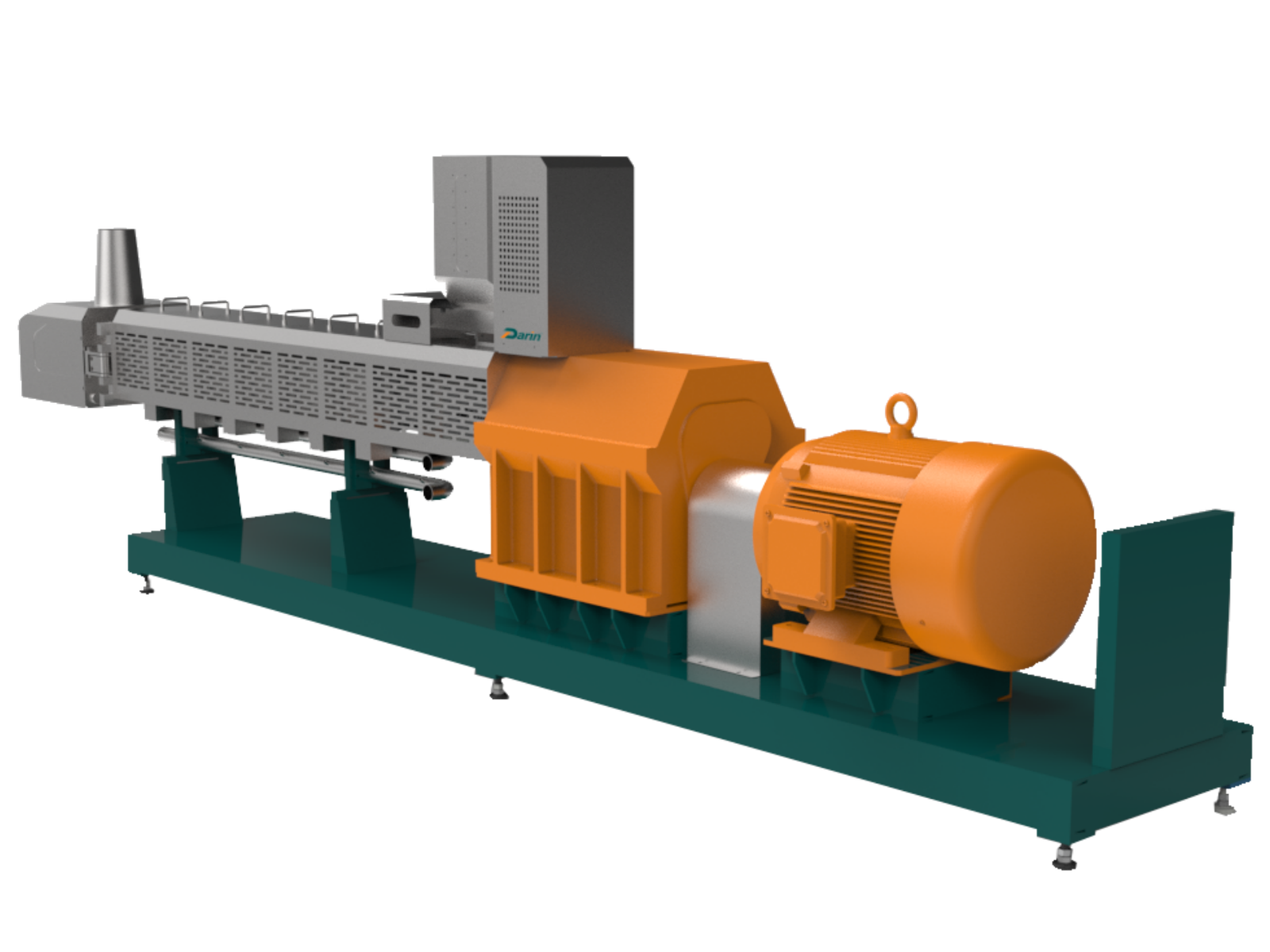
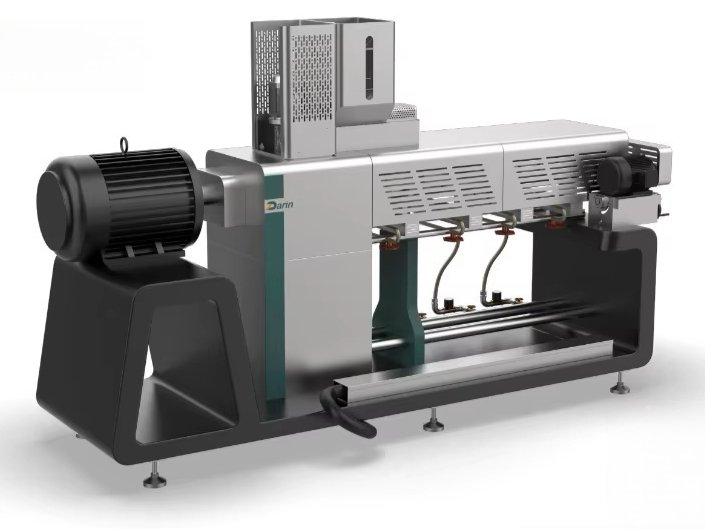
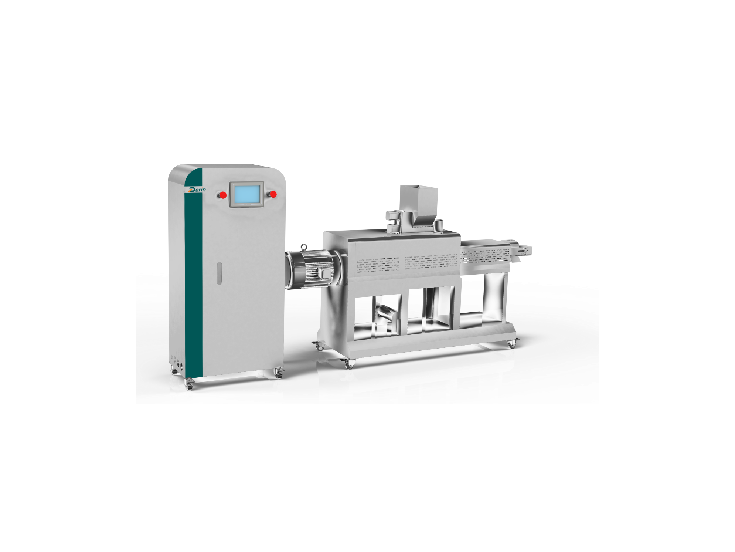
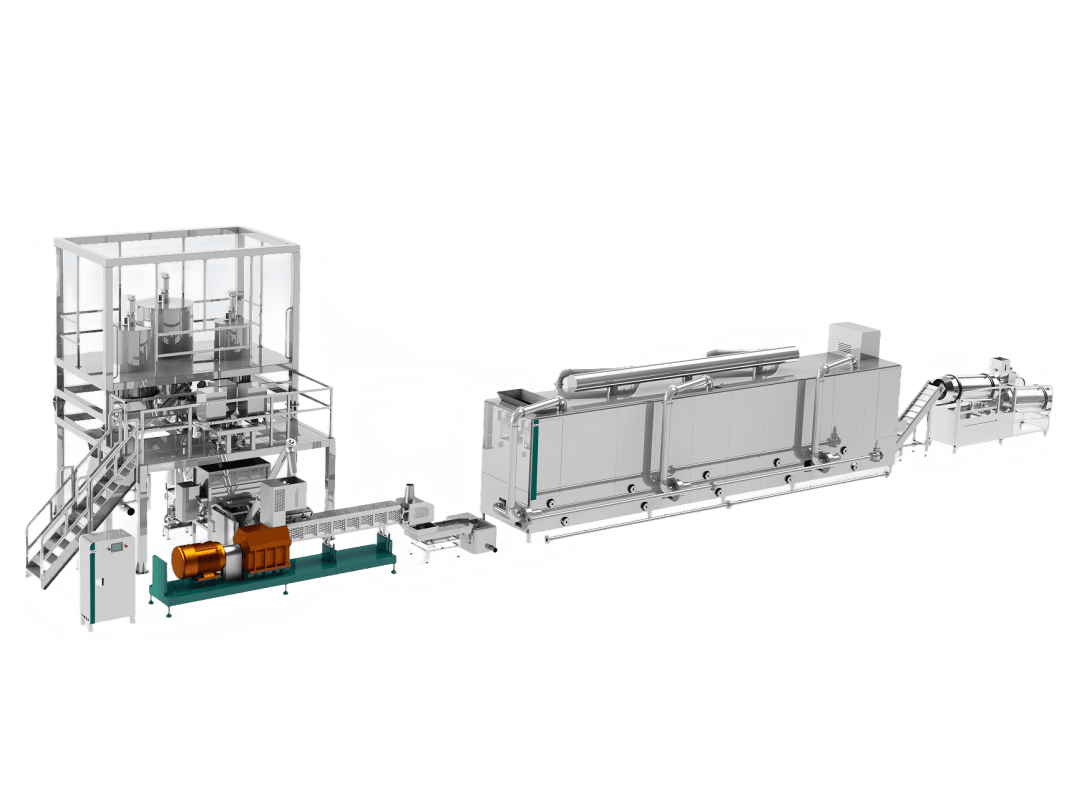
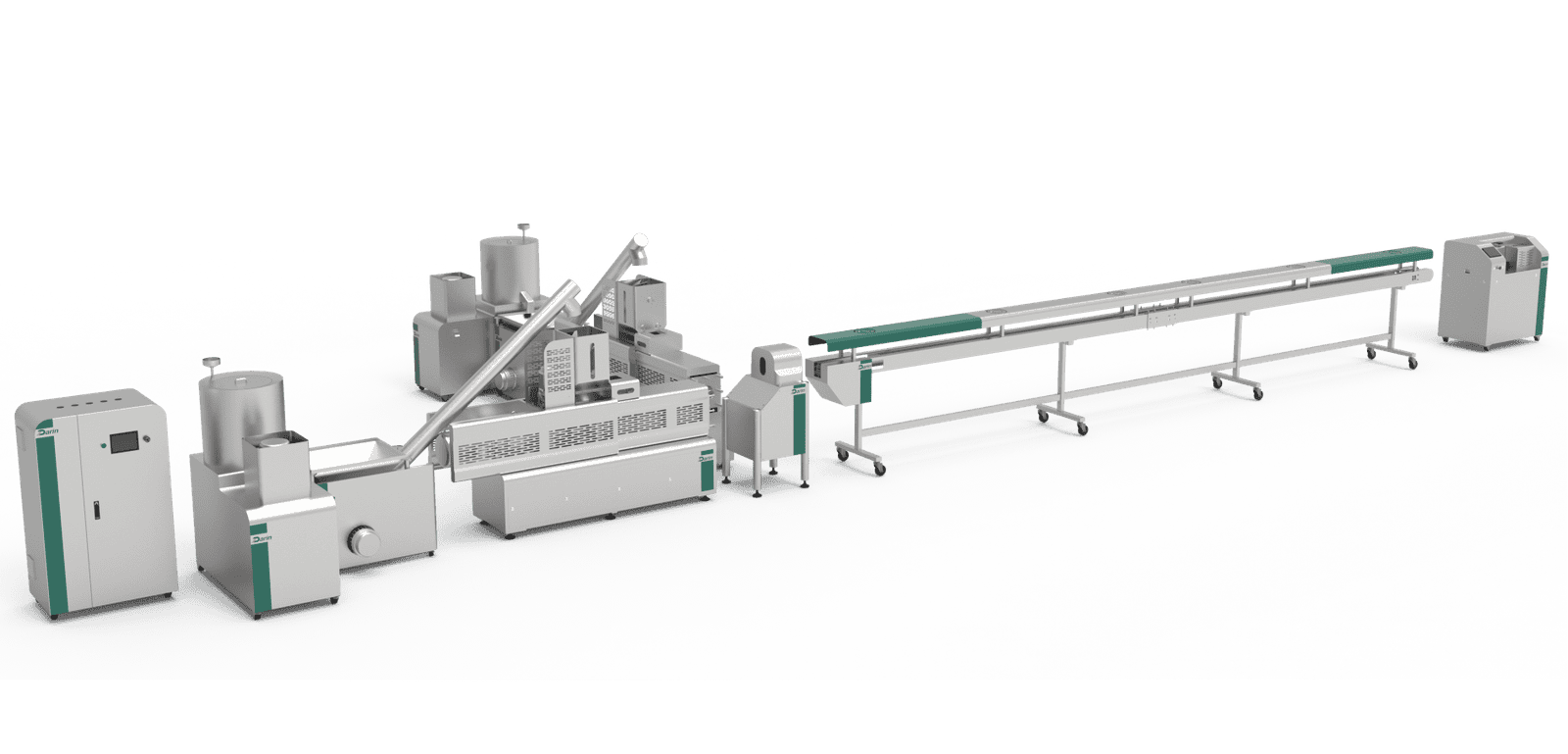
A food extruder is a machine that uses one or more rotating screws inside a heated barrel to continuously process raw food ingredients into uniform products. It works by forcing materials such as grains, proteins, or starches under high pressure and temperature through a shaped die, which determines the final form of the product. Extruders can cook, expand, sterilize, and structure food, producing a wide variety of items including puffed snacks, cereals, pasta, textured vegetable proteins, and pet food.
Food extrusion technology is central to the global food industry because it ensures uniformity, versatility, and safety. If you want to understand the foundation of how many of today’s most popular foods are made — from dog kibble to cornflakes — extrusion is the key.
Food extrusion is just a shaping method without cooking effect.False
Extrusion is not only shaping but also cooks through frictional heat and external heating, which gelatinizes starch, denatures proteins, and reduces microbial load.
Extrusion technology reduces energy usage compared to traditional cooking.True
Extruders combine multiple steps into a continuous process, significantly reducing energy consumption and processing time.
Food extrusion is not just a technology; it is the backbone of modern mass food production. Let’s dive into a full-length technical guide.
Step 1: Fundamentals of Food Extrusion Technology
Food extrusion is a thermo-mechanical process combining pressure, heat, and shear forces. At its core, it transforms low-value raw materials into high-value food products with improved digestibility, texture, and shelf stability.
Key Elements of the Process
- Feeding System – Raw materials are fed at a controlled rate, ensuring consistent product output.
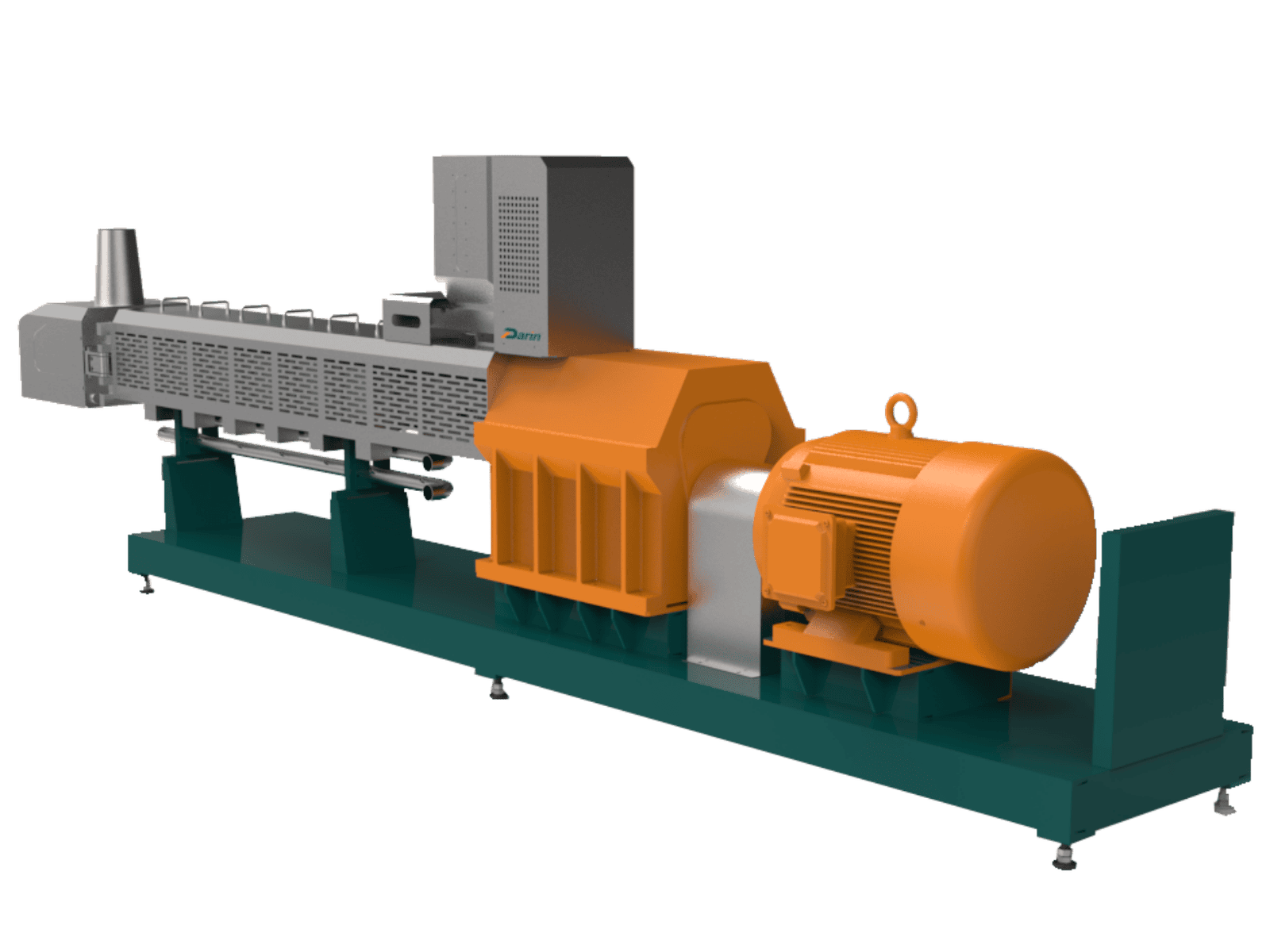
- Extruder Barrel and Screw – The rotating screw(s) compress, shear, and mix the ingredients while transferring them forward.
- Heating Zones – Temperature is precisely controlled, often with multiple heating sections along the barrel.
- Die Assembly – Defines the final shape and cross-sectional structure of the extrudate.
- Cutting and Post-Processing – A rotating knife system cuts the product into uniform sizes before drying, flavoring, or packaging.
Table 1: Key Differences Between Extrusion and Traditional Cooking
| Factor | Extrusion Processing | Traditional Cooking |
|---|---|---|
| Time | Seconds to minutes | Minutes to hours |
| Energy Efficiency | High (multi-function in one machine) | Lower (multiple separate processes) |
| Product Consistency | Very uniform | Variable |
| Sterilization Effect | High (kills most microbes) | Moderate |
| Flexibility | High (snacks, cereals, pasta, pet food) | Limited |
Case Study Example – Early Adoption in Snack Industry
In the 1960s, food extruders were first widely adopted for corn-based puffed snacks. Manufacturers discovered that extrusion could produce light, crispy textures with high expansion ratios, which were impossible with traditional frying or baking. This marked the beginning of extrusion’s dominance in the snack industry.
Step 2: Components of a Food Extruder
To fully understand how extrusion works, let’s break down the machinery.
1. Feeding Hopper
- Supplies raw material (flours, proteins, starches, premixes) at a steady flow.
- Can be gravity-fed or equipped with feeders for powders and liquids.
2. Barrel
- Cylindrical chamber housing the screw(s).
- Segmented into zones: feeding, kneading, cooking, and metering.
- Often jacketed for temperature control (steam or electric heaters).
3. Screw(s)
- Single-screw or twin-screw configurations.
- Functions: conveying, compressing, mixing, shearing, cooking.
- Twin-screw extruders offer more flexibility for complex formulations.
4. Die Plate
- Determines the final shape and size (e.g., rings, tubes, kibble, flakes).
- Highly customizable and interchangeable.
5. Cutter System
- Rotary blades cut extrudate into uniform pieces.
- Adjusting speed controls product length.
Table 2: Comparison Between Single-Screw and Twin-Screw Extruders
| Feature | Single-Screw Extruder | Twin-Screw Extruder |
|---|---|---|
| Cost | Lower | Higher |
| Complexity | Simpler | More complex |
| Mixing Ability | Limited | Excellent |
| Applications | Pasta, simple snacks | Textured proteins, pet food, cereals |
| Flexibility | Lower | Higher |
Case Study – Darin Machinery Twin-Screw Extruder
At Darin Machinery, we developed a twin-screw extruder for a European client producing plant-based protein chunks. The advanced screw design allowed precise control of water and protein fiber orientation, creating a meat-like texture that successfully entered the vegetarian and vegan markets.
Step 3: Step-by-Step Process of Food Extrusion
Here’s how an extruder works in detail:
- Raw Ingredient Preparation – Grains are milled, proteins defatted, vitamins and minerals premixed.
- Feeding – Powders and liquids enter hopper at controlled rates.
- Mixing & Conveying – Screw blends ingredients into homogeneous mass.
- Heating & Cooking – Heat input comes from friction and external heaters.
- Shearing & Texturization – Protein molecules denature; starch gelatinizes.
- Pressure Build-up – Barrel pressure rises to 10–30 bar.
- Die Shaping – Product is forced through die.
- Expansion & Puffing – Rapid pressure drop at die exit causes water vaporization.
- Cutting – Blades cut extrudate into desired length.
- Drying & Coating – Products dried for shelf stability; coatings add flavor or nutrition.
Chart: Extrusion Cooking Curve
| Stage | Temperature (°C) | Pressure (bar) | Water Content (%) | Effect on Food |
|---|---|---|---|---|
| Feeding | 25–30 | 1–2 | 12–15 | Raw powder |
| Heating Zone 1 | 60–100 | 5–10 | 12–18 | Starch swelling |
| Cooking Zone | 120–180 | 15–30 | 18–25 | Gelatinization, protein denaturation |
| Die Exit | 100–120 | Ambient | 8–12 | Expansion, puffing |
Step 4: Types of Food Extrusion
Not all extrusion is the same. Food manufacturers choose different extrusion methods depending on the moisture content, energy input, and desired product structure.
1. Cold Extrusion
- Operates at low temperature (< 60 °C).
- No significant cooking effect — mainly shaping.
- Used for pasta, noodles, and cookie dough.
- Retains raw flavors and nutrients.
2. Hot Extrusion (Extrusion Cooking)
- Operates at high temperature (100–200 °C).
- Cooking occurs through friction and heat.
- Produces puffed snacks, cereals, pet food, TVP.
- Ensures microbial safety and shelf stability.
3. High-Moisture Extrusion (HME)
- Moisture > 50%.
- Used for plant-based meat analogues.
- Creates fibrous, layered texture resembling chicken, beef, or fish.
- Often combined with cooling die to set structure.
4. Co-Extrusion
- Combines two streams of material.
- Produces filled products (e.g., cream-filled snacks, stuffed treats).
- Popular in pet treat manufacturing.
Table 3: Types of Extrusion vs Applications
| Extrusion Type | Moisture Level | Temperature Range | Example Applications |
|---|---|---|---|
| Cold Extrusion | 20–30% | < 60 °C | Pasta, cookies, noodles |
| Hot Extrusion | 15–25% | 100–200 °C | Snacks, cereals, pet food |
| High-Moisture (HME) | 50–70% | 120–180 °C | Plant-based meat analogues |
| Co-Extrusion | Variable | 100–150 °C | Filled snacks, pet treats |
Case Study – Co-Extrusion in Pet Treat Industry
A U.S. pet food company partnered with Darin Machinery to develop co-extruded dental chews with meat filling. By using a twin-screw extruder with dual feed systems, they created a high-protein filling surrounded by a textured, chewy outer layer. This innovation boosted sales by 40% within 12 months due to consumer demand for both functionality (dental care) and palatability.
Step 5: Applications of Food Extrusion in Different Industries
Extrusion is one of the most versatile technologies in the food sector. Below are major industries relying on extruders:
1. Snack Food Industry
- Expanded corn/rice snacks, cheese balls, chips.
- Extrusion allows low-fat, baked alternatives.
- Ability to add seasonings or coatings post-extrusion.
2. Breakfast Cereal Industry
- Cornflakes, puffed rice, multigrain loops.
- Twin-screw extruders ensure even cooking and flavor infusion.
- Nutrient fortification possible (iron, vitamins).
3. Pet Food and Aquafeed
- Dry kibble for dogs and cats, floating/sinking fish feed.
- Ensures digestibility and long shelf life.
- Extruders allow customization for protein, fat, and shape.
4. Plant-Based Proteins & Meat Alternatives
- Soy, pea, and wheat proteins processed into fibers.
- High-moisture extrusion creates realistic textures.
- Meets growing vegan/vegetarian demand.
5. Pasta & Bakery Products
- Pasta, macaroni, vermicelli made by cold extrusion.
- Cookie and dough products shaped with extruders.
6. Baby Food & Nutritional Products
- Instant cereals, fortified powders.
- Extrusion ensures sterilization and digestibility.
Table 4: Applications Across Industries
| Industry | Extrusion Role | Sample Products |
|---|---|---|
| Snacks | Expansion, shaping, flavoring | Puffed corn snacks, cheese curls |
| Breakfast Cereals | Cooking, expansion, fortification | Cornflakes, choco-rings, rice puffs |
| Pet Food & Aquafeed | Cooking, sterilization, shaping | Dog kibble, floating fish feed |
| Plant Protein | Fiber alignment, texturization | Meat analogues, TVP chunks |
| Pasta & Bakery | Cold shaping, forming | Pasta, noodles, cookies |
| Baby Food | Sterilization, nutritional enhancement | Instant cereals, fortified porridges |
Case Study – Breakfast Cereal in Africa
A cereal plant in Nigeria used a Darin twin-screw extruder to produce fortified maize-based breakfast cereals. By integrating vitamin premix injection during extrusion, they addressed regional malnutrition. Sales expanded to five West African countries, creating both commercial and public health impact.
Step 6: Quality Control and Food Safety in Extrusion
Food extrusion is not only about shaping but also about ensuring safe, high-quality products.
Key Quality Factors
- Moisture Content
- Critical for expansion and texture.
- Controlled via preconditioning and barrel temperature.
- Temperature and Pressure Profiles
- Must be monitored across barrel zones.
- Incorrect settings can cause undercooking or burnt flavor.
- Die Design
- Influences product density, expansion, and uniformity.
- Ingredient Consistency
- Variations in raw material particle size affect product stability.
- Post-Extrusion Handling
- Drying ensures water activity < 10% for long shelf life.
- Flavor coating enhances palatability.
Food Safety Benefits of Extrusion
- High-temperature short-time (HTST) kills most bacteria.
- Reduced risk of Salmonella and E. coli in pet food.
- Uniform cooking prevents raw pockets.
Chart: HACCP Critical Control Points in Extrusion
| Step | Hazard Control Focus | Critical Limit Example |
|---|---|---|
| Ingredient Feeding | Contamination | Approved supplier, sieving |
| Mixing & Conveying | Cross-contamination | Sanitation between batches |
| Heating & Cooking | Pathogen destruction | ≥ 140 °C for 15 seconds |
| Die Shaping | Uniform cooking | Consistent back pressure |
| Drying & Coating | Mold growth prevention | Water activity < 0.6 |
Case Study – Pet Food Safety in Europe
A German pet food manufacturer faced regulatory pressure after a Salmonella recall. After adopting Darin’s high-temperature twin-screw extrusion system, microbial counts in final kibble dropped below detectable levels. They regained compliance with EU feed safety laws and rebuilt customer trust.
Step 7: Energy Efficiency, Cost Analysis, and ROI in Food Extrusion
One of the biggest reasons manufacturers invest in extrusion technology is efficiency. Unlike traditional batch processes, extrusion combines multiple operations into one continuous flow — reducing energy use, manpower, and space.
1. Energy Efficiency
- Extrusion integrates mixing, cooking, shaping, and sterilizing into one system.
- Short processing time lowers energy per kg of product.
- Heat recovery systems (using barrel jackets) further cut costs.
2. Cost Analysis – CAPEX and OPEX
- CAPEX (Capital Expenditure): purchase price of extruder + auxiliary systems (dryer, flavoring line, packaging).
- OPEX (Operating Expenses): raw materials, energy, labor, maintenance.
Table 5: Estimated Costs for Food Extrusion Line
| Plant Scale | Capacity (kg/hr) | CAPEX (USD) | OPEX (USD/ton product) | Typical Products |
|---|---|---|---|---|
| Pilot-Scale | 50–100 | \$30,000–\$60,000 | \$250–\$400 | R\&D, test runs |
| Medium Production | 300–800 | \$150,000–\$400,000 | \$180–\$300 | Cereals, snacks, pet food |
| Large Industrial | 1,500–5,000 | \$1M–\$3M | \$120–\$200 | Mass-market cereals, TVP |
3. ROI Considerations
- Payback period often 1.5–3 years due to high product margins.
- Snack foods and pet foods deliver gross margins of 25–45%.
- Energy savings of 20–40% compared to ovens or fryers.
Case Study – ROI in Pet Food Plant
A Brazilian company invested \$500,000 in a Darin medium-scale pet food extrusion line. Within 18 months, their revenue doubled by launching premium kibble with functional ingredients (omega-3, glucosamine). ROI was achieved in less than two years thanks to consumer demand for premium pet products.
Step 8: Global Case Studies of Food Extrusion
Case Study 1 – Breakfast Cereals in Europe
A French cereal company upgraded from single-screw to twin-screw extrusion. The result:
- 35% increase in output.
- Improved texture control for multi-grain cereals.
- Reduced energy use by 18%.
Case Study 2 – Aquafeed in Southeast Asia
A Vietnamese fish feed company adopted extrusion to produce floating feed pellets. Results:
- Better water stability.
- Lower feed conversion ratio (FCR).
- Export expansion into Thailand and Cambodia.
Case Study 3 – Meat Analogues in North America
A U.S. plant-based food start-up used Darin’s high-moisture twin-screw extruder:
- Created chicken-like fibers from pea protein.
- Secured contracts with two vegan food chains.
- Expanded production to 2,000 kg/hr capacity.
Table 6: Global Extrusion Case Studies
| Region | Product Type | Technology Used | Key Results |
|---|---|---|---|
| Europe | Breakfast Cereal | Twin-Screw Extruder | Higher output, lower energy use |
| Asia-Pacific | Aquafeed | Hot Extrusion | Improved feed quality, export growth |
| North America | Plant-Based Meat | High-Moisture Extr. | Realistic texture, new market entry |
| Africa | Nutritional Cereal | Fortified Extrusion | Combated malnutrition, social impact |
Step 9: Future of Food Extrusion Technology
Extrusion is evolving rapidly. Manufacturers are pushing the boundaries with sustainability, alternative proteins, and digitalization.
1. 3D Food Printing with Extrusion
- Uses small-scale extruders to layer food pastes.
- Customized nutrition and shapes for healthcare, children, and elderly.
2. Alternative Proteins
- Pea, chickpea, fava bean proteins replacing soy.
- Insects and algae as sustainable raw materials.
3. Smart Extrusion Systems
- IoT-enabled extruders with sensors.
- Real-time monitoring of temperature, torque, pressure.
- AI-based predictive maintenance reduces downtime.
4. Sustainability Focus
- Lower water and energy consumption.
- Ability to use upcycled raw materials (spent grains, by-products).
Chart: Future Growth of Extrusion Market (2025–2035)
| Year | Global Market Value (USD Billion) | Key Growth Drivers |
|---|---|---|
| 2025 | 10.5 | Snacks, cereals, pet food expansion |
| 2030 | 15.8 | Plant protein boom, emerging markets |
| 2035 | 22.1 | Sustainability, 3D food printing adoption |
Step 10: Conclusion – Why Extrusion Matters
Food extrusion is more than just a manufacturing method. It is a revolutionary technology that:
- Turns simple grains and proteins into high-value products.
- Ensures safety, efficiency, and consistency.
- Enables innovation in snacks, cereals, pet food, and plant-based meat.
- Provides strong ROI with scalable solutions for both SMEs and global corporations.
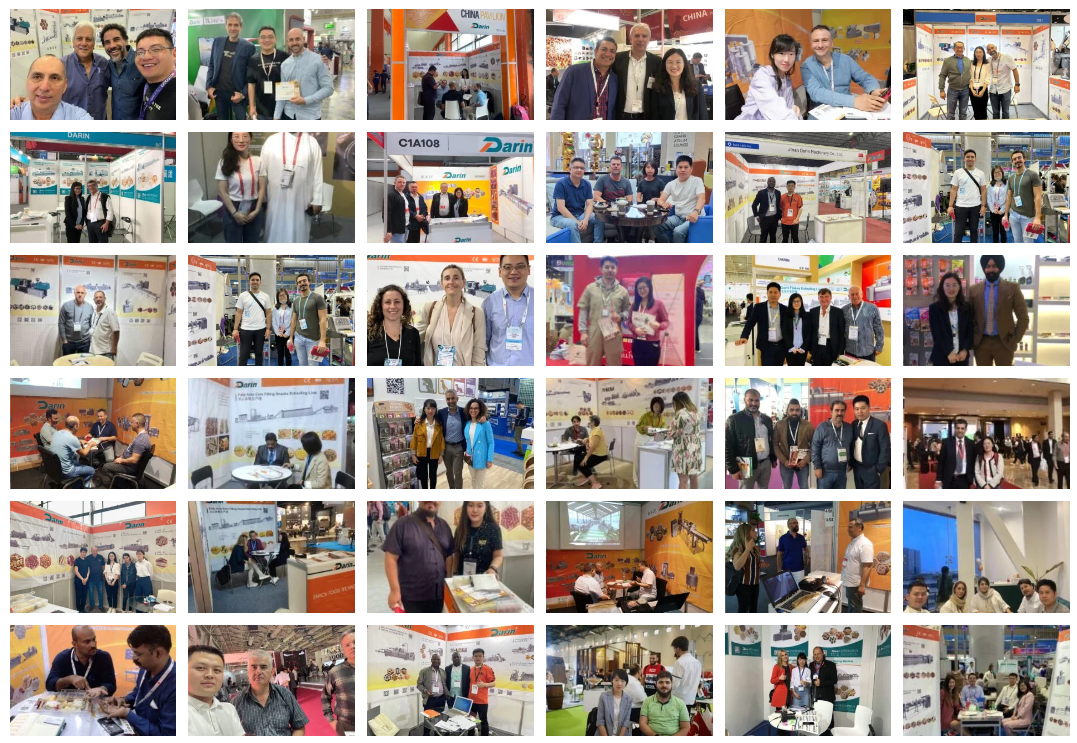
At Darin Machinery, we have delivered pet food, snack, and cereal extrusion lines to 70+ countries, helping companies scale from pilot projects to full industrial plants. Our strength lies in customized solutions — whether you need a small R\&D extruder or a 5-ton/hour industrial line.
👤 From My Desk to Yours
If you’re considering entering the extrusion industry or upgrading your line, now is the time. Demand for nutritious, safe, and innovative foods is rising worldwide, and extrusion technology is the proven path forward.
👉 Contact us at www.petreatsmachine.com or email darin4@darin.cn. Our engineering team will guide you from concept to commissioning, ensuring your investment delivers both quality and profitability.