

Choosing between dry and wet pet food is one of the most frequently debated topics among both pet owners and manufacturers. For pet parents, the wrong feeding choice can lead to dehydration, weight gain, or digestive imbalance. For manufacturers, misjudging the right type means inefficient production, mismatched market positioning, or even financial loss. As the pet food industry becomes more sophisticated and health-driven, understanding the technical, nutritional, and industrial differences between dry and wet pet food is not just helpful — it’s essential for success.
In simple terms, dry pet food (kibble) contains around 6–10% moisture and is produced by extrusion, drying, and coating. It offers long shelf life, convenient storage, and economic efficiency. Wet pet food, in contrast, contains 60–80% moisture and undergoes blending, cooking, filling, and retort sterilization, providing higher palatability and hydration for pets. Each type has unique nutritional, technical, and economic implications depending on your market and species focus.
While dry food often dominates in volume and logistics efficiency, wet food leads in premium markets due to its texture, aroma, and digestibility. Let’s now dive into the step-by-step technical, nutritional, and market comparison to understand the full landscape of dry vs wet pet food.
Dry pet food provides higher protein than wet pet food.False
Per gram of dry matter, both can be equivalent in protein, but wet food’s moisture dilutes its content per 100g while maintaining excellent protein digestibility.
Step 1: Understanding the Fundamental Composition and Formulation
The most fundamental difference between dry and wet food lies in moisture content, but behind this number lies a complete change in production philosophy.
| Type | Moisture | Processing | Texture | Shelf Life | Packaging |
|---|---|---|---|---|---|
| Dry Pet Food (Kibble) | 6–10% | Extrusion, Drying, Coating | Crunchy | 12–18 months | Plastic or paper bags |
| Wet Pet Food (Canned/Pouch) | 60–80% | Cooking, Filling, Retorting | Soft, moist | 24–36 months | Cans, trays, or pouches |
1. Ingredient Types and Ratios
- Dry food formulations use meat meals, cereal grains, starches, and fats, relying on carbohydrate gelatinization during extrusion.
- Wet food recipes prioritize fresh meat, fish, or poultry (40–80%) combined with broth, organ meats, and hydrocolloids for texture.
- Both types are supplemented with vitamins, minerals, amino acids (taurine, lysine), and antioxidants.
| Ingredient Category | Dry Food Typical % | Wet Food Typical % |
|---|---|---|
| Meat or Fish | 25–40% | 40–80% |
| Cereals & Carbs | 35–50% | 0–10% |
| Fats & Oils | 8–15% | 5–10% |
| Water | 6–10% | 60–80% |
| Fiber | 2–5% | 0–2% |
| Additives | 1–3% | 1–3% |
Key takeaway: dry food is nutrient-dense per gram, while wet food is hydration-rich per serving.
Wet food formulations require preservatives to prevent spoilage.False
Proper retort sterilization ensures shelf stability without added chemical preservatives.
Step 2: Technical Processing Workflows — From Ingredients to Finished Product
The two production systems differ dramatically in machinery, workflow, and environmental requirements. Each stage affects the texture, nutrient retention, and safety of the final product.
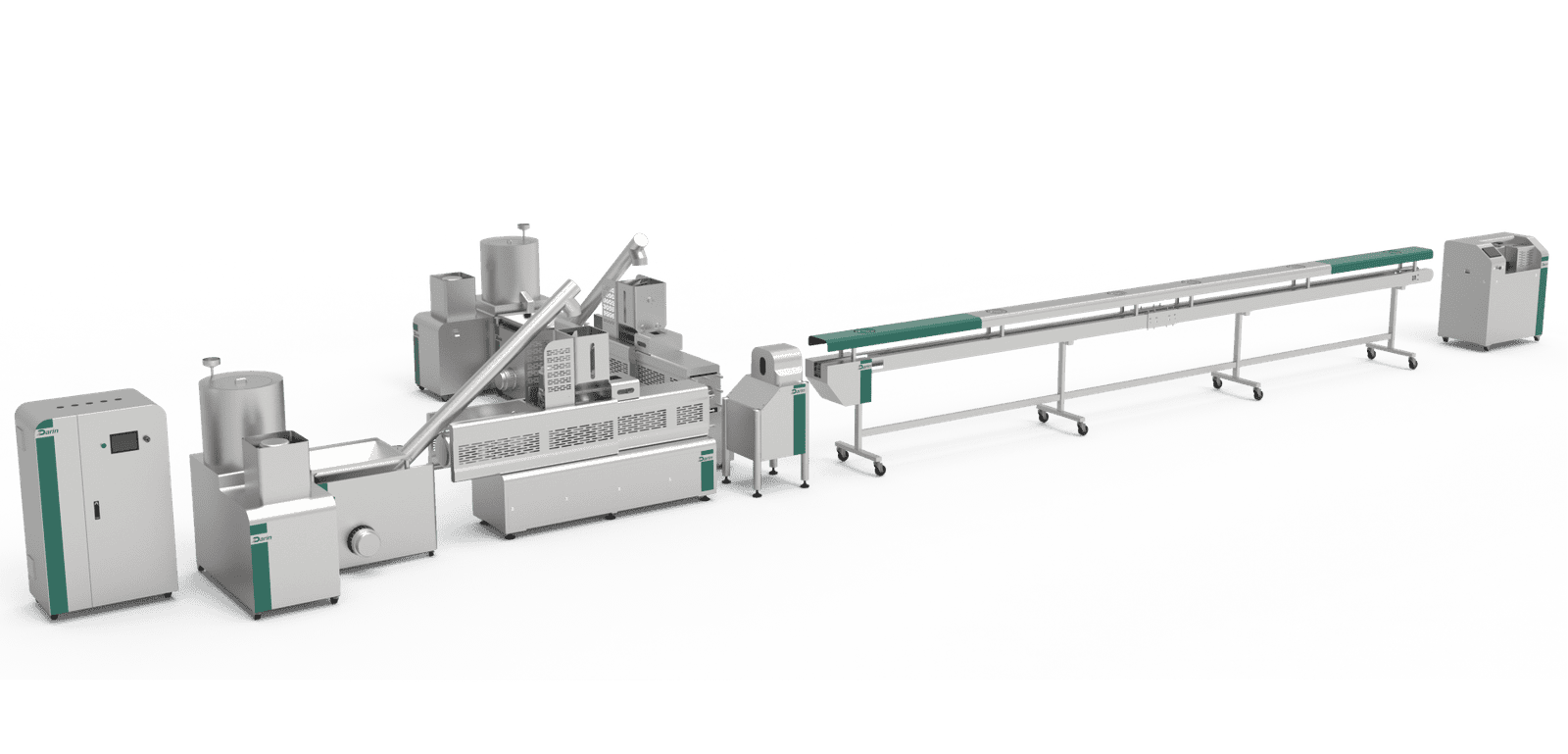
A. Dry Pet Food Processing
Core Steps:
- Grinding and Mixing: All ingredients (meat meal, corn, soy, wheat, vitamins, minerals) are pulverized and mixed.
- Preconditioning: Steam and moisture are injected to soften starch and protein for better extrusion.
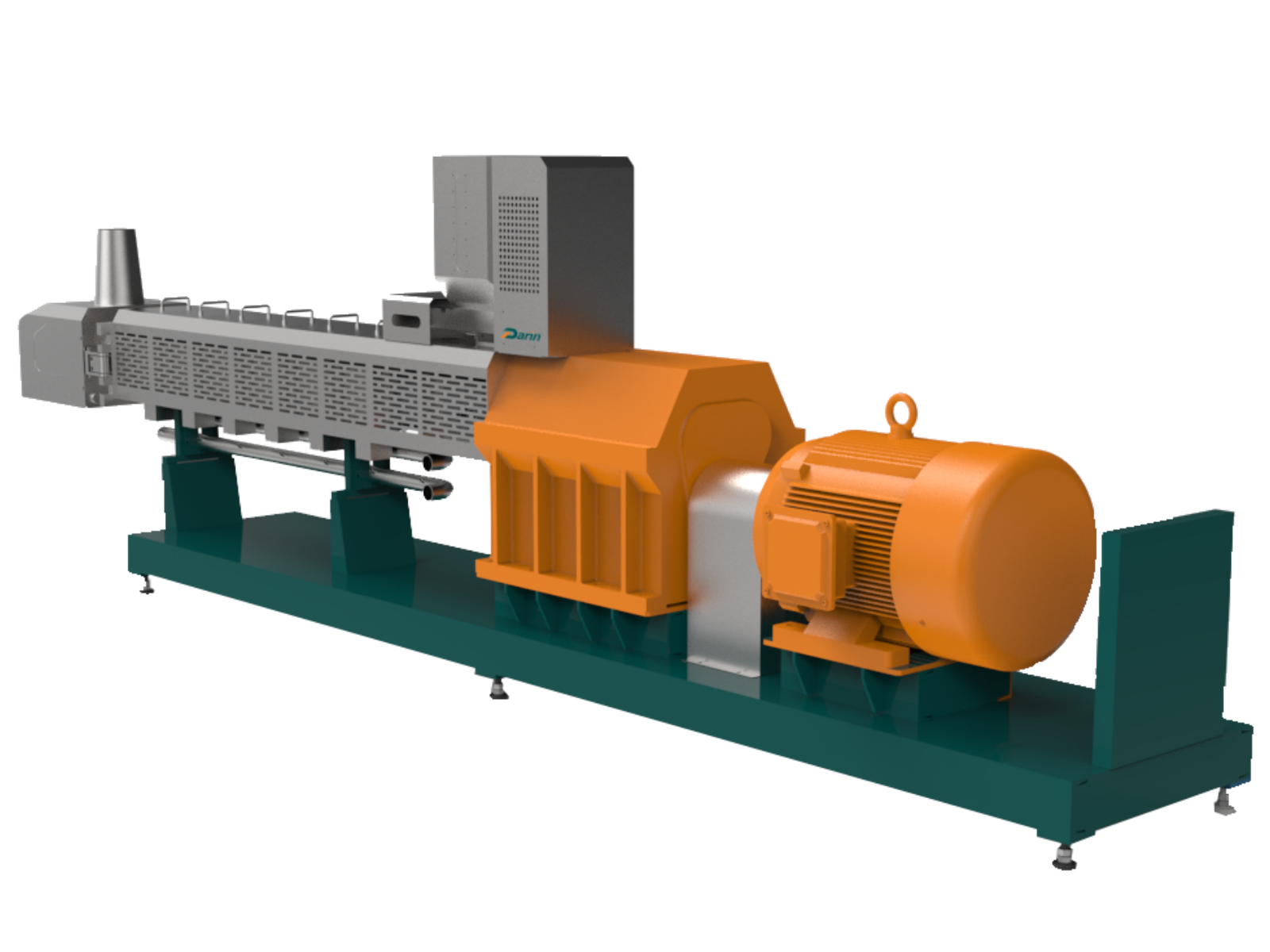
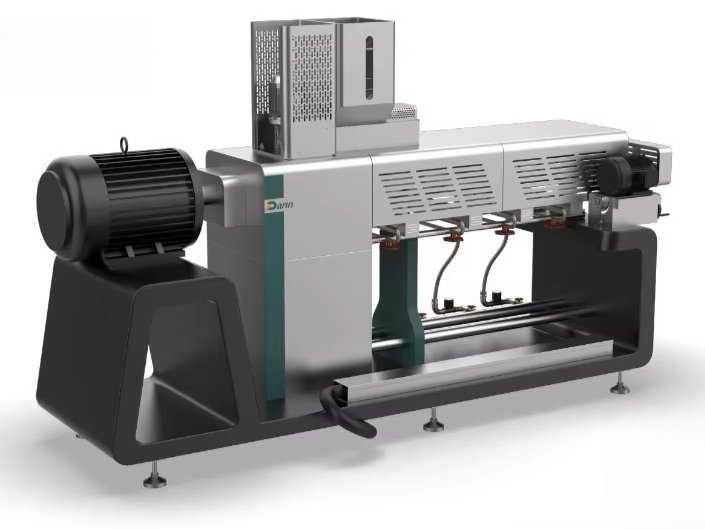
- Extrusion: Using a twin-screw extruder, ingredients are cooked at 120–160°C under pressure, forming kibble through a die plate.
- Drying: Hot-air dryers reduce moisture to 8–10%, ensuring microbiological safety and long shelf life.
- Coating: Palatants, fats, and digest flavors are sprayed to enhance aroma and taste.
- Cooling and Packaging: The kibble is cooled, sieved, and packed into multi-layer bags.
Main Equipment:
- Mixer and Crusher
- Twin-Screw Extruder
- Multi-layer Dryer
- Flavoring Drum / Fat Coating Machine
- Cooling Conveyor and Packing Scale
B. Wet Pet Food Processing
Core Steps:
- Ingredient Preparation: Fresh meat, liver, vegetables, and supplements are ground and blended.
- Cooking or Pre-heating: Mixtures are cooked in steam kettles or cookers to improve digestibility.
- Filling: The hot blend is dosed into cans, pouches, or trays by automatic fillers.
- Sealing: Containers are hermetically sealed to avoid contamination.
- Sterilization: Using retort autoclaves, the food is sterilized at 121°C for 30–60 minutes to achieve commercial sterility.
- Cooling and Labeling: Products are cooled, labeled, and packaged for storage.
| Parameter | Dry Food Line | Wet Food Line |
|---|---|---|
| Main Machinery | Extruder, Dryer, Coater | Cooker, Filler, Retort |
| Working Temp | 120–160°C | 110–125°C |
| Energy Use | Moderate | High |
| Output per Hour | 300–500 kg | 200–400 kg |
| Cleaning Frequency | Weekly | Daily |
| Microbial Control | Heat + Drying | Heat + Sterilization |
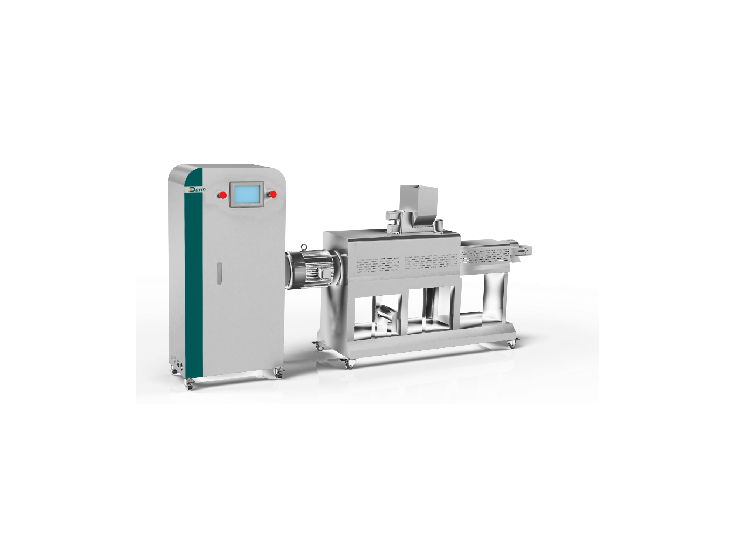
Darin Machinery, for example, supplies both configurations — automated twin-screw extrusion lines for dry kibble and retort-based wet food systems for cans and pouches — designed according to CE, ISO, and HACCP standards.
Extrusion cooking in dry pet food destroys most vitamins.False
Although some heat-sensitive nutrients degrade, manufacturers compensate by post-extrusion coating and adding heat-stable vitamin premixes.
Step 3: Nutritional Science Behind Dry and Wet Pet Food
Nutrition is at the heart of every pet food decision. Moisture, protein quality, and digestibility determine not just pet health, but also consumer loyalty.
A. Macronutrients and Digestibility
| Nutrient | Dry Food | Wet Food |
|---|---|---|
| Protein (as fed) | 22–32% | 7–12% |
| Fat (as fed) | 8–18% | 4–8% |
| Fiber | 2–5% | 0–2% |
| Water | 6–10% | 60–80% |
| Carbohydrates | 30–45% | 0–10% |
| Digestibility | 75–85% | 85–95% |
On a dry matter basis, wet foods often contain equal or even higher protein and fat levels, though their as-fed percentages appear lower due to moisture dilution.
B. Biological and Physiological Impacts
- Hydration: Wet food supports kidney and urinary health, especially for cats with low water intake.
- Dental Health: Dry kibble provides mechanical abrasion, reducing plaque formation.
- Satiety and Weight Management: Wet food increases meal volume with fewer calories, useful for weight control.
- Digestive Transit: Wet food accelerates gastric emptying; dry food prolongs satiety.
- Palatability: Wet food’s aroma and texture more closely mimic fresh meat.
Dry food prevents all dental diseases in dogs and cats.False
While kibble aids in reducing plaque, it doesn’t replace brushing or veterinary dental care.
C. Functional Additives and Fortification
Both forms can be enhanced with:
- Omega-3 & 6 fatty acids for coat health
- Prebiotics & probiotics for gut health
- Glucosamine & chondroitin for joint support
- Antioxidants for immunity
- Taurine (especially for cats) for heart and eye health
Step 4: Economic and Logistical Considerations
For manufacturers, economics drive long-term feasibility. The cost structure of dry and wet pet food production varies sharply due to differences in energy use, packaging, and storage.
A. Investment and Operation Costs
| Factor | Dry Pet Food | Wet Pet Food |
|---|---|---|
| Machinery Investment | Medium | High |
| Energy Consumption | Moderate | High |
| Packaging Cost | Low | High |
| Water Consumption | Low | High |
| Storage & Transportation | Easy, bulk | Heavy, sealed |
| Shelf Life | 12–18 months | 24–36 months |
| Sanitation Frequency | Weekly | Daily |
| Required Space | Compact | Larger facility with retort room |
B. Cost per Kilogram (Example, mid-scale plant)
| Cost Component | Dry Food (USD/kg) | Wet Food (USD/kg) |
|---|---|---|
| Raw Materials | 0.65 | 0.90 |
| Energy | 0.10 | 0.25 |
| Labor | 0.05 | 0.10 |
| Packaging | 0.05 | 0.25 |
| Total | 0.85 USD/kg | 1.50 USD/kg |
Wet food is generally 60–80% more expensive to produce but can sell at a higher retail price due to premium positioning.
C. Storage and Logistics
- Dry food can be stored in bulk silos or bags, requiring no refrigeration.
- Wet food demands proper can integrity checks and stable temperature conditions.
- Exporting wet food incurs higher freight due to weight and volume.
Dry pet food production consumes more electricity than wet food.False
Despite high extrusion temperatures, drying and packaging of dry food use less total energy than retort sterilization in wet food processing.
Step 5: Market Trends and Consumer Behavior (2025 Outlook)
The global pet food market in 2025 is estimated to surpass USD 150 billion, with dry food accounting for 60% of sales but wet food growing faster due to premiumization.
| Region | Dominant Type | Growth Driver |
|---|---|---|
| North America | Dry Food | Convenience, automation, bulk buying |
| Europe | Mixed | Premium wet food demand in mature markets |
| Asia-Pacific | Dry Food | Rapid expansion, rising wet pouch trend |
| Latin America | Dry Food | Mass-market affordability |
| Middle East & Africa | Dry Food | Logistics simplicity |
Key Trends:
- Premiumization & Humanization: Consumers prefer human-grade ingredients, benefitting wet food producers.
- Functional Diets: Focus on gut health, coat care, joint support — opportunities for both dry and wet segments.
- Sustainability: Reduced carbon packaging and alternative proteins (insect meal, plant-based).
- Convenience: Resealable bags and single-serve pouches dominate modern packaging.
- Mixed Feeding Trend: Over 70% of European cat owners now feed a combination of dry and wet food.
| Feeding Style | Share of Pet Owners | Motivation |
|---|---|---|
| Dry-only | 48% | Cost-effective, easy storage |
| Wet-only | 22% | Premium, picky eaters |
| Mixed | 30% | Balanced nutrition and hydration |
Mixed feeding is becoming the most recommended strategy among veterinarians.True
Studies show alternating wet and dry feeding enhances hydration, nutrient balance, and reduces feeding monotony.
Step 6: Environmental and Sustainability Comparison
Modern pet food manufacturing is under increasing scrutiny for its carbon footprint, water usage, and packaging waste. Between dry and wet food, these impacts differ sharply due to moisture content, energy intensity, and packaging type.
| Factor | Dry Pet Food | Wet Pet Food |
|---|---|---|
| Water Use (per ton) | 1.5–2.0 m³ | 4.5–5.5 m³ |
| Energy Consumption (kWh/ton) | 450–550 | 800–1000 |
| CO₂ Emission (kg/ton) | ~150 | ~280 |
| Packaging Waste | Minimal (bags) | High (metal/pouch) |
| Transportation Weight | Light | Heavy |
| Recyclability | Medium | High (metal cans), low (pouches) |
Analysis
Dry food’s advantages lie in lower water and energy consumption. The extrusion-drying process, though hot, is efficient and continuous. Wet food, however, demands intensive heat sterilization and water cooling, adding energy costs.
Yet, wet food cans are highly recyclable, unlike multilayer plastic bags used for dry kibble. Meanwhile, pouch-style wet packaging poses recycling challenges — multilayer films resist separation.
Emerging Solutions:
- Low-moisture semi-wet recipes (20–30%) to reduce retort cycles.
- Renewable packaging such as compostable films or aluminum-free pouches.
- Heat recovery systems in sterilizers to recycle process steam.
Wet pet food packaging is fully recyclable.False
Only metal cans are widely recyclable. Plastic and laminated pouches remain difficult to process in current recycling systems.
Step 7: Veterinary and Biological Health Outcomes
Nutritionists and veterinarians analyze pet diets beyond composition — focusing on hydration, metabolism, and longevity.
1. Hydration and Renal Health
Cats, originally desert animals, have low thirst drives. Feeding dry food exclusively can lead to chronic dehydration and urinary tract problems. Wet food compensates with 70–80% moisture, improving urine dilution and kidney function.
Research Insight:
A 2023 study by the American Veterinary Journal found that cats fed only dry kibble had 30% higher urine concentration compared to those on mixed diets.
2. Digestive and Dental Health
Dry kibble mechanically scrapes plaque, reducing tartar buildup. Wet food, being softer, may increase plaque accumulation unless counterbalanced with dental treats or brushing.
3. Metabolic and Weight Control
Dry food offers high energy density — beneficial for active dogs, risky for sedentary pets. Wet food helps overweight animals feel satiated with fewer calories.
4. Palatability and Appetite
Wet food’s aroma and texture encourage feeding in convalescent, elderly, or picky pets. Palatability trials reveal that 85% of cats prefer wet food aroma profiles.
| Health Aspect | Dry Food | Wet Food |
|---|---|---|
| Hydration | Low | Excellent |
| Dental Cleaning | Good | Poor |
| Weight Control | Risky if overfed | Effective |
| Appetite Stimulation | Moderate | Strong |
| Digestive Transit | Slower | Faster |
| Urinary Health | Needs hydration | Strong benefit |
Feeding only wet food can eliminate the need for dental care.False
Wet food lacks mechanical cleaning action; pets still require dental hygiene routines to prevent plaque buildup.
Step 8: Manufacturing Decision Framework for Producers
Manufacturers and investors must evaluate their target markets, available resources, and ROI objectives. The ideal choice between dry and wet food lines depends on product strategy, supply chain, and brand positioning.
A. Decision Parameters
| Decision Factor | Dry Pet Food | Wet Pet Food |
|---|---|---|
| Target Market | Mass, budget, export | Premium, specialized, domestic |
| Capital Requirement | Medium | High |
| Production Flexibility | High | Moderate |
| Sanitation Requirements | Weekly | Daily |
| Raw Material Supply | Meat meal, grains | Fresh meat, organs |
| Packaging Complexity | Simple | Complex |
| Shelf Life | 12–18 months | 24–36 months |
| Export Feasibility | Excellent | Moderate |
| Consumer Appeal | Functional | Sensory-driven |
B. Example Factory Scenarios
| Factory Profile | Recommended Type | Reasoning |
|---|---|---|
| Start-up Plant (Low Budget) | Dry Food | Lower CAPEX and easier operation |
| Established Pet Brand | Wet Food | Product diversification |
| Veterinary Diet Producer | Wet or Semi-Moist | Prescription formulations |
| OEM/ODM Exporter | Dry Food | Standardized production, easy logistics |
| Boutique Brand | Wet Food | Differentiation and freshness image |
C. Machinery Considerations
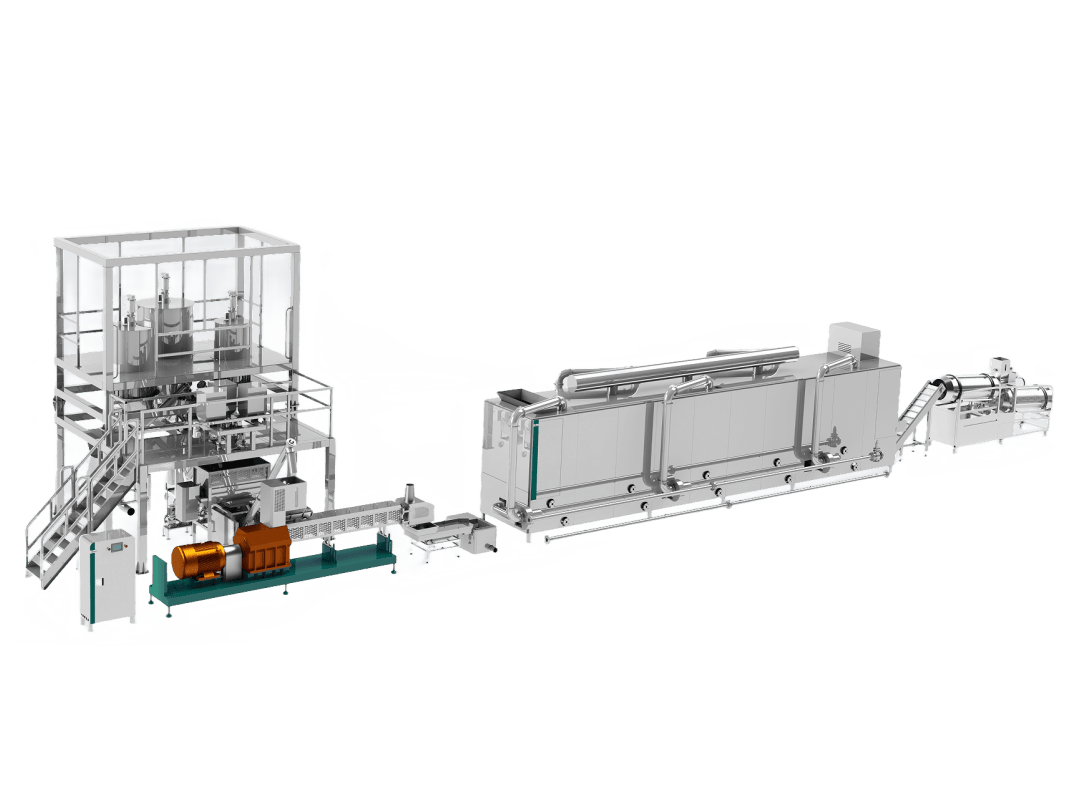
Dry Food Line (Typical Configuration by Darin Machinery):
- Mixer → Conveyor → Twin-Screw Extruder → Dryer → Flavoring Drum → Cooling → Packaging
Wet Food Line (Typical Configuration):
- Meat Grinder → Mixer → Cooker → Filler → Sealing → Retort → Labeling → Cartoning
A single production line can efficiently produce both dry and wet food.False
Each requires different temperature, moisture, and microbiological controls; hybrid systems compromise efficiency and product quality.
Step 9: Future Technological and Market Trends
The pet food industry is shifting from volume-driven to value-driven, creating new categories that blend the strengths of both dry and wet systems.
1. Semi-Moist and Hybrid Products
Moisture content between 20–35%, providing the chewiness of wet food with the shelf stability of dry kibble. Produced by extrusion plus mild drying — an emerging middle ground.
2. Air-Dried, Freeze-Dried, and Baked Pet Foods
These preserve nutrients and aroma without retort sterilization, targeting the raw and natural segment.
- Air-dried: 10–15% moisture, slow dehydration.
- Freeze-dried: 2–5% moisture, light and premium.
- Baked: Low-temperature processing for artisanal branding.
3. Sustainable Ingredients
Insect protein (black soldier fly), algae oil, and mycoprotein are becoming functional protein alternatives reducing animal agriculture dependence.
4. Smart Manufacturing
Integration of IoT monitoring, AI-based recipe optimization, and real-time quality sensors in Darin’s next-generation extrusion and retort systems enable precise control of temperature, moisture, and nutrition retention.
5. Market Evolution
By 2030, analysts predict:
- Dry food remains 55% of market share.
- Wet food grows 1.8× faster annually.
- Mixed feeding becomes standard practice.
- Pet personalization (age, breed, health-tailored diets) drives innovation.
| Innovation Trend | Description | Impact |
|---|---|---|
| Personalized Nutrition | AI-based recipe formulation | High consumer engagement |
| Sustainability | Eco-packaging, alternative proteins | Brand differentiation |
| Hybrid Diets | Blend of dry, wet, semi-moist | Product diversification |
| Digital Manufacturing | Data-driven quality control | Higher consistency |
| E-commerce Expansion | Direct-to-consumer supply | Flexible packaging demand |
Freeze-dried pet food is nutritionally inferior to fresh wet food.False
Freeze-drying retains over 95% of nutrients and offers long shelf life without preservatives.
Step 10: Summary and Best Practice Recommendations
1. For Pet Owners
- Use dry food for convenience and cost-effectiveness.
- Use wet food to enhance hydration and flavor variety.
- The optimal feeding ratio (by weight) is typically 70% dry and 30% wet.
- Monitor your pet’s hydration, stool consistency, and weight changes to adjust diets.
2. For Manufacturers
- Assess market needs before plant investment — dry food suits large-scale operations; wet food aligns with niche premium brands.
- Ensure compliance with HACCP, ISO22000, and FDA standards.
- Invest in energy-efficient dryers, heat recovery sterilizers, and waste minimization systems.
- Consider Darin Machinery’s integrated production solutions — modular extruders, retorts, and packaging lines — tailored for scalable growth.
| Objective | Recommended Line | Benefit |
|---|---|---|
| Large-Scale, Export | Dry Extrusion Line | High capacity, long shelf life |
| Premium, Boutique Brand | Wet Retort Line | Natural texture, high market value |
| Mixed Product Portfolio | Dual-System Plant | Flexible, trend-ready |
| R&D or Pilot Plant | Lab Extruder + Mini Retort | Low risk, fast testing |
Conclusion
Ultimately, neither dry nor wet food is universally “better” — each serves different roles in the ecosystem of pet nutrition and manufacturing.
- Dry food represents efficiency, convenience, and global scalability.
- Wet food symbolizes freshness, sensory appeal, and premium quality.
- The future lies in integration and innovation, not competition.
Pets thrive when their diet reflects both nutritional science and product integrity, and manufacturers thrive when technology meets evolving consumer trust.
By mastering the strengths of both forms, producers can serve every pet — from the family cat in an apartment to the working dog on a farm — with precision and care.
Talk to Us — Let’s Build Your Pet Food Project Together
At Darin Machinery, we specialize in both dry and wet pet food production lines, helping global manufacturers design, install, and optimize their facilities. Whether you’re launching a new brand or expanding production capacity, our expert engineers provide end-to-end support: from recipe development and process design to machine commissioning and operator training.
📞 WhatsApp: +86 156 5000 7983
🌐 Website: www.petreatsmachine.com
📧 Email: darin4@darin.cn
Let’s talk about your factory goals — and create the most efficient, profitable, and future-ready pet food production line for your business.