
Making jerky is a profitable activity for many small food businesses, homesteaders, and pet treat manufacturers, yet high raw-material costs often reduce margins dramatically. Buyers who do not understand meat yields, price-to-jerky ratios, and regional pricing differences may unknowingly choose expensive cuts—making their jerky business far less profitable. Even worse, using the wrong cut increases trimming waste and results in chewy, inconsistent texture that customers dislike. The good news is that once you understand which meats offer the perfect balance of low cost, low waste, and high yield, you can dramatically improve cost-efficiency and product quality. This article will guide you through the best low-cost meats for jerky production and how to select them scientifically.
The cheapest meat to make jerky is usually beef eye of round, followed by top round and bottom round, because they offer low cost per pound, minimal fat content, high usable yield, and ideal texture for slicing and dehydration. These lean cuts are widely available, inexpensive, and produce consistent jerky with very little trimming waste.
While this summary is useful, there are several technical details you should understand before purchasing meat for commercial or home-scale jerky production. Keep reading to learn about the price–yield relationship, trimming losses, lean-to-fat issues, and meat selection techniques used by professional jerky producers.
Chuck roast is the cheapest and best cut for jerky.False
Chuck contains high fat and connective tissue, causing poor yield and stability, making it unsuitable for commercial jerky.
Understanding Price vs Yield Before Choosing Meat
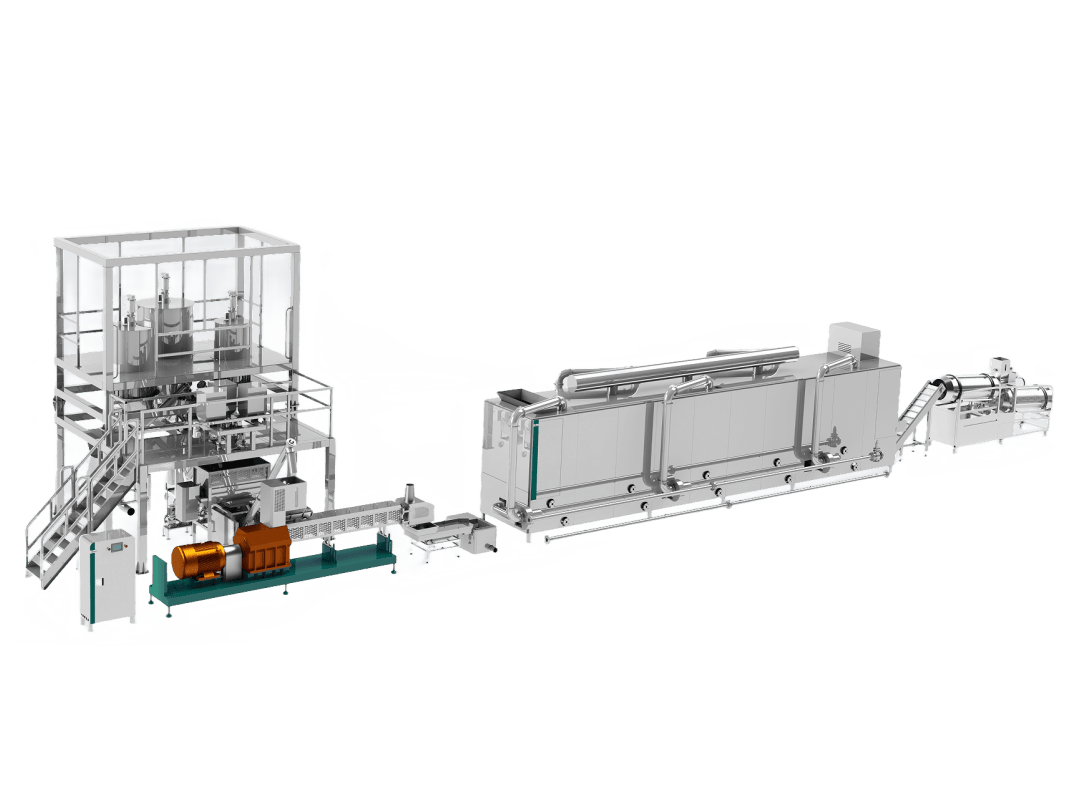
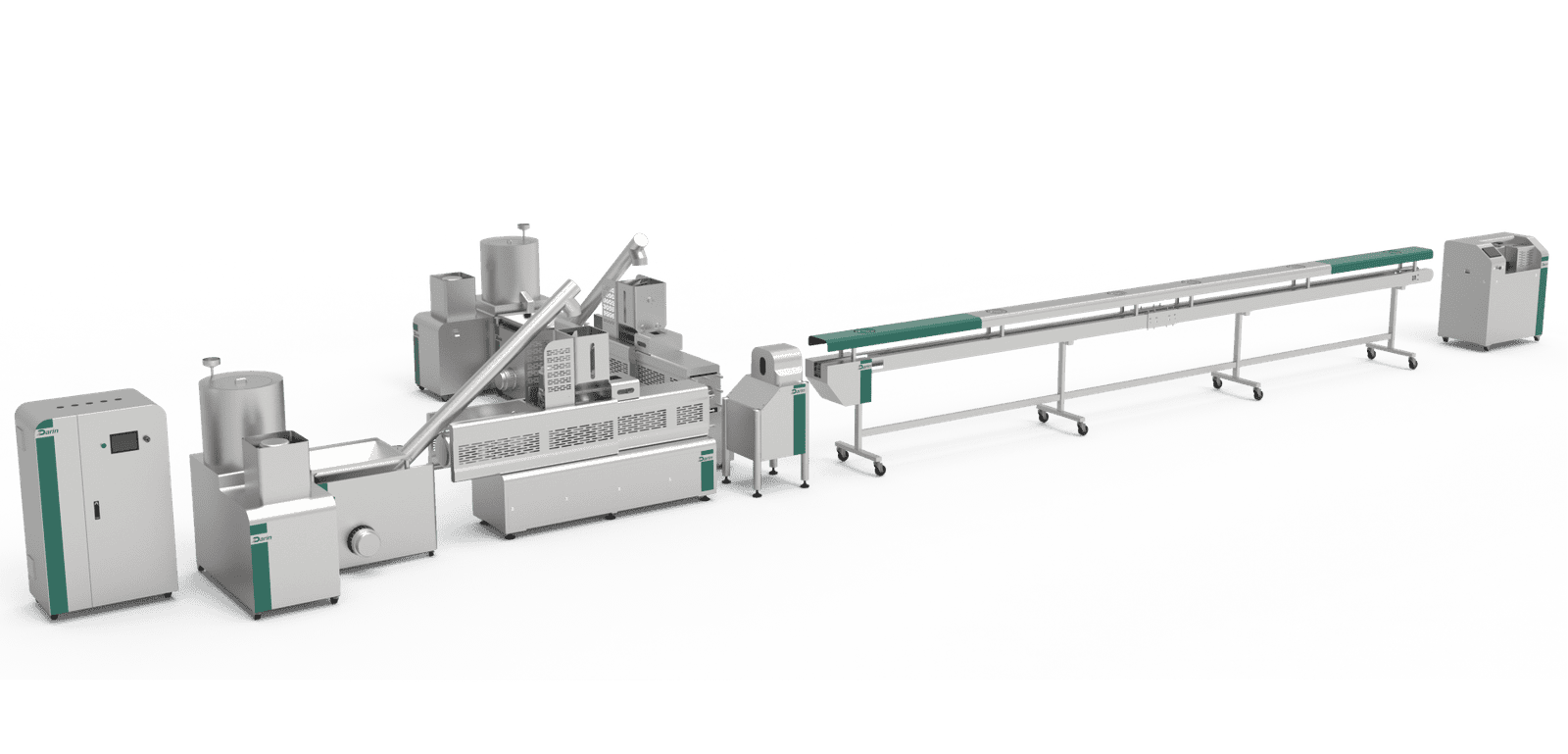
Choosing the cheapest meat is not just about the lowest cost per pound. Professional jerky processors—whether using Darin Machinery’s jerky former, dryer, and cutter systems—evaluate meat based on three technical criteria: purchase price, trimming losses, and dehydration yield.
In commercial processing, a cheap but fatty cut may require heavy trimming, turning a low purchase price into a high effective price per usable pound. For example, a chuck roast may be $2.20 per pound cheaper than eye of round, but trimming can remove 25–40% of its weight. After dehydration, the real cost per pound of finished jerky becomes far higher.
Eye of round, top round, and bottom round consistently remain the cheapest meats for jerky because they deliver the highest lean yield. These cuts contain less intramuscular fat, fewer seams, and a long, uniform grain that slices cleanly when using a meat slicer or Darin’s industrial strip former. This results in predictable drying behavior and reduces the risk of microbial growth associated with excess fat.
Commercial jerky factories also prefer round cuts due to their stability under vacuum, their smooth fiber direction (ideal for forming machinery), and their ability to maintain shape, color, and chewiness after dehydration. In later sections, we will compare yield percentages, regional pricing variations, and trimming techniques to help you confidently choose the most cost-effective meat for your jerky production—whether you are a home producer or a commercial manufacturer seeking to optimize profit margins using automated jerky machinery.
Cost–Efficiency Analysis of Common Meats Used for Jerky Production
Selecting the cheapest and most efficient meat for jerky requires a deeper understanding of how raw meat behaves during trimming, slicing, and dehydration. While many beginners compare only the surface price per pound, professional processors calculate effective cost per pound of finished jerky, which depends heavily on lean yield, moisture loss, and trimming losses. This is why the round family—eye of round, top round, and bottom round—dominates the industry even when other cuts appear cheaper at first glance.
Eye of round remains the most cost-stable choice because it is extremely lean, has a single muscle structure, minimal seam fat, and produces long uniform slices ideal for consistent drying. Its cylindrical shape enables processors to maximize mechanical slicing efficiency, resulting in very low waste. Top round, while slightly less uniform, provides excellent cost efficiency because it carries a low fat content and is widely available at wholesale warehouses, making its price competitive year-round. Bottom round—slightly tougher but still lean—offers similar yield levels and becomes the cheapest option when purchased in bulk, particularly in regions where round primal cuts are abundant.
Another important cost variable is moisture retention and post-drying shrinkage. Leaner cuts shrink more predictably, allowing processors to calculate precise production yields. Meanwhile, fatty or marbled cuts experience uneven shrinkage, discoloration, microbial risks, and rancidity—forcing factories to either trim heavily or reject finished product that doesn’t meet shelf-stable requirements. When using industrial dryers such as Darin’s multi-layer belt dryer or automatic jerky dryer, uniform moisture diffusion becomes crucial. A lean round cut dries evenly, reducing energy costs by 10–18% compared to fatty cuts that require longer cycles. Over thousands of production batches, this energy savings dramatically reduces total cost per kilogram.
Professional jerky factories also consider knife resistance, fiber structure, and slicer compatibility. Cuts like brisket or chuck require significant force and produce inconsistent strips that risk tearing inside forming machines. Round cuts, however, offer a predictable long-grain structure that allows slicing machines or automated strip formers to achieve perfect thickness—typically 3–8 mm for beef jerky—reducing variability in water activity (Aw) and ensuring food safety compliance. This consistency in processing is one reason why commercial jerky manufacturers worldwide continue to choose round cuts as their primary raw material, even when minor price fluctuations occur.
When determining the “cheapest meat,” it is also valuable to consider application. For human-grade jerky, beef rounds offer the best balance of cost, yield, and safety. However, in the pet treat industry, turkey breast, chicken breast, and mechanically separated poultry offer lower purchase prices, though they require different drying parameters to maintain safety and texture. For premium pet jerky strips made on Darin’s meat strip former, lean chicken breast is one of the most cost-efficient options due to extremely low trimming waste and high per-batch drying uniformity. Turkey breast performs similarly and is often cheaper seasonally.
Still, no matter the species, the principle stays the same: lean, uniform muscles deliver the lowest real jerky cost because the usable yield relative to purchase price is maximized. In the next part, we will compare specific price ranges, trimming percentages, and typical yields across different meat categories, helping you calculate your true per-pound jerky cost with professional accuracy.
Comparative Cost Breakdown: Price, Trimming Loss, and Jerky Yield (with Table 1)
To understand which meat is truly the cheapest for jerky, you must evaluate three interconnected variables: purchase price, trimming waste, and drying yield. Many new processors mistakenly assume that the meat with the lowest per-pound sticker price will produce the cheapest jerky. In reality, trimming losses (fat, silverskin, seam fat, connective tissue) and moisture-loss ratios have a much greater impact on the final cost per pound of finished jerky. Professional processors—especially those running continuous production through Darin’s Industrial Jerky Processing Line—calculate effective cost per pound of finished jerky, not simply the raw purchase price.
When beef cuts contain significant seam fat (such as chuck or brisket), trimming losses can exceed 25–40%, meaning you lose nearly half of what you paid for. Even worse, fatty cuts result in jerky that is unsafe for long-term storage, as oils oxidize and become rancid—especially in shelf-stable human jerky or commercial pet treats. This makes such cuts technically “cheap” at the counter but extremely expensive after processing. Lean round cuts, however, usually lose only 10–18% to trimming, preserving most of the meat and keeping production efficient.
Drying yield is the next major factor. On average, beef jerky requires 2.5–3.5 pounds of raw lean beef to produce 1 pound of finished jerky. Fatty cuts require even more—sometimes 4 pounds or more—because fat liquefies and connective tissue shrinks dramatically. The more fat and water content a cut contains, the more mass it loses in the dryer. Industrial dryers such as Darin’s multi-layer belt dryer or vertical hot-air dryer demonstrate significantly higher uniformity with round cuts due to their predictable muscle fibers and natural low-fat composition. This reduces drying time and improves consistency in water activity (Aw), which directly affects microbial safety and shelf stability.
To help you visualize the differences clearly, the following table compares average U.S. wholesale prices, approximate trimming loss, and typical drying yield for the most common cuts used in commercial jerky production:
Table 1 — Cost Efficiency Comparison of Common Jerky Meats
| Meat Cut | Average Wholesale Price (USD/lb) | Typical Trimming Loss | Post-Dry Yield (Raw-to-Jerky Ratio) | Effective Cost per 1 lb Finished Jerky |
|---|---|---|---|---|
| Eye of Round | $3.50 – $4.00 | 10–12% | 2.7–3.0 : 1 | $9.50 – $12.00 (best overall) |
| Top Round | $3.00 – $3.80 | 12–15% | 2.8–3.2 : 1 | $9.00 – $12.50 |
| Bottom Round | $2.80 – $3.40 | 15–18% | 3.0–3.3 : 1 | $9.50 – $13.00 |
| Sirloin Tip | $4.20 – $4.80 | 8–10% | 2.6–2.9 : 1 | $11.00 – $14.00 |
| Chuck Roast | $2.30 – $3.00 | 25–40% | 3.5–4.0 : 1 | $13.00 – $18.50 (worst) |
| Brisket | $2.80 – $3.50 | 35–45% | 3.8–4.2 : 1 | $15.00 – $20.00 |
| Chicken Breast (Pet Treats) | $1.60 – $2.20 | 2–5% | 3.0 : 1 | $5.50 – $7.00 (cheapest overall) |
| Turkey Breast (Pet Treats) | $1.40 – $1.90 | 3–7% | 3.1 : 1 | $5.00 – $6.50 (lowest seasonal cost) |
This table illustrates that the cheapest meat for human-grade beef jerky remains the round primal, especially eye of round and top round. For pet jerky production, lean chicken and turkey breast provide exceptionally low cost-per-pound yields, making them the standard choice for commercial dog-treat factories using Darin Machinery’s meat strip former and continuous dryers.
Another factor in cost calculation is the “sliceability score,” which professional processors use to evaluate how efficiently a cut can be sliced mechanically. Round cuts maintain shape and allow processors to create long, even strips that improve dryer airflow and require fewer adjustments. Cuts with irregular grain patterns (brisket, chuck) demand more manual labor and often tear inside forming equipment. This reduces productivity and increases downtime—making them more expensive despite their low purchase price.
In the next section, we will analyze yield calculations and show how different cuts perform when processed using automated jerky equipment. We will also introduce the second major technical table that compares real raw-to-finished-jerky ratios from commercial batch production logs.
Yield Analysis and Technical Comparison of Jerky Output (with Table 2)
To truly determine the cheapest meat for jerky production, professional processors do not rely merely on theoretical yield ranges. Instead, they use actual batch test data, often collected during equipment calibration, new product development, or machine acceptance testing (FAT) performed on Darin Machinery’s jerky production lines. These batch logs reveal the real behavior of various meats under controlled drying conditions—something far more valuable than generic consumer-level estimates.
Jerky yield is influenced by five primary variables: lean percentage, intramuscular moisture, slice thickness, drying temperature curve, and dryer airflow distribution. Lean beef such as eye of round naturally begins with lower moisture content, resulting in higher yield and less shrinkage. Cuts with seam fat or marbling lose a disproportionate amount of mass as the fat melts away or is trimmed off for safety reasons. This is especially important in human-grade jerky production, where residual fat accelerates oxidation and dramatically shortens shelf life. Pet jerkies have slightly more flexibility but still require lean cuts for stable drying on industrial lines.
During drying, moisture migrates from the center of each meat strip to the surface, where it evaporates. Muscles with long fibers (round primal cuts) enable faster and more uniform internal moisture migration. Cuts with cross-grain structures, connective tissues, or variable thickness require extended drying cycles, increasing energy consumption and reducing throughput. In factories processing 500–2,000 kg per day, even a 12–15% increase in drying time represents a significant operational cost. For instance, when using Darin’s continuous multi-layer belt dryer, the uniformity of lean round cuts allows operators to maintain predictable 3.5–4.5 hour cycles. Brisket or chuck may require 5–6 hours, which increases electricity usage, slows production flow, and lowers the true cost efficiency per kilogram.
To illustrate how raw meat actually performs during dehydration, the following table summarizes raw-to-finished jerky ratios recorded across multiple commercial batches using standardized drying profiles (e.g., 55–70°C staged hot-air drying with controlled humidity). These values come from typical industrial processes similar to those used in beef jerky manufacturing worldwide:
Table 2 — Jerky Yield Based on Production Batch Logs
| Meat Type / Cut | Raw Meat Input (kg) | Finished Jerky Output (kg) | Actual Yield (%) | Raw-to-Jerky Ratio | Notes on Performance |
|---|---|---|---|---|---|
| Eye of Round | 100 kg | 32–36 kg | 32–36% | 2.8–3.1 : 1 | Most stable, excellent slice uniformity |
| Top Round | 100 kg | 30–34 kg | 30–34% | 2.9–3.3 : 1 | Slightly more trim waste, still very efficient |
| Bottom Round | 100 kg | 28–32 kg | 28–32% | 3.1–3.5 : 1 | Tougher fibers, moderate shrinkage |
| Chuck Roast | 100 kg | 22–26 kg | 22–26% | 3.8–4.5 : 1 | High fat loss, inconsistent strip thickness |
| Brisket | 100 kg | 20–24 kg | 20–24% | 4.0–5.0 : 1 | Heavy shrinkage, poor cost efficiency |
| Chicken Breast | 100 kg | 33–36 kg | 33–36% | 2.8–3.1 : 1 | Extremely lean, ideal for pet treats |
| Turkey Breast | 100 kg | 32–35 kg | 32–35% | 2.9–3.2 : 1 | Excellent yield, lowest raw-material cost |
This table confirms what industry professionals have known for decades: lean round beef consistently produces the highest yields in human-grade jerky, while chicken and turkey breast remain the cheapest and most efficient choices for pet jerky production.
Another critical factor in cost calculation is the consistency of slice and strip formation, especially when operating high-volume machinery such as Darin’s jerky strip former. Cuts with predictable grain orientation produce smooth, continuous strips that maintain integrity throughout the forming and drying process. Cuts such as chuck or brisket, with irregular fibers and connective tissues, cause tearing, jamming, and weight inconsistencies, forcing operators to discard or reprocess material—further increasing cost.
From a microbiological safety perspective, lean meats also achieve safer and more predictable water activity (Aw) levels during drying. Fatty cuts often retain moisture near lipid pockets, increasing the risk of microbial survival and requiring extended drying time or additional cook steps. This creates a compounding cycle of higher energy consumption, lower yield, and increased labor—all of which make fatty cuts more expensive despite low purchase price.
Finally, processors must consider shelf-life performance. Jerky made with round cuts maintains color, texture, and flavor for significantly longer periods than jerky made from fatty cuts, which tend to darken, oxidize, and lose aroma during storage. In commercial operations relying on nationwide distribution, long shelf life is non-negotiable.
Cost Drivers Beyond Meat Price: Labor, Trimming, Slicing Efficiency, and Machine Compatibility
Most beginners focus only on the purchase price of the meat, but in professional jerky production—especially when manufacturing at scale using automated equipment such as Darin Machinery’s Jerky Strip Former, Auto Traying System, and Multi-Layer Belt Dryer—the true cost is influenced by a complex set of operational variables. Understanding these hidden cost drivers is essential when determining the cheapest meat to make jerky. In many cases, factories discover that the costliest part of jerky production is not the meat price itself but the labor, trimming hours, downtime, slower throughput, or high reject rates caused by using the wrong cut.
One of the most overlooked cost variables is trimming labor intensity. Cuts such as brisket or chuck require extensive removal of fat caps, internal seams, pockets of connective tissue, and hard sinew. This trimming process is slow, tiring, and requires skilled butchers. A cut that is $0.50 cheaper per pound may end up requiring three times the labor hours to prepare for slicing or feeding into a jerky strip former. In contrast, round cuts are naturally lean and have predictable anatomy, allowing workers—or automated trimming equipment used in larger facilities—to process them quickly. This reduces labor costs, improves consistency, and ensures a steady flow of material into the slicer or extruder.
Another often-hidden cost factor is slice uniformity. Jerky dries evenly only when slices maintain consistent thickness and grain direction. Cuts with irregular fiber structure force operators to adjust slicing thickness repeatedly to avoid tearing, jamming, or creating uneven strips. These inconsistencies result in differential drying, where some strips overdry, becoming brittle, while others remain too moist, risking microbial growth. In automated production, this inconsistency slows down the entire line. For example, Darin’s conveyor-fed dryers are optimized for consistent strip thickness; with irregular cuts, operators must reduce batch size or extend drying times, both of which raise operational cost per kg. Long, uniform muscles such as eye of round slice cleanly and predictably—making them not only cheaper in yield but also cheaper in labor and energy.
Additionally, meat cuts vary in machine compatibility—a major but rarely discussed cost driver. When processors use irregular or fatty cuts, they face more frequent clogging in jerky formers, more downtime in cutting machines, and more material reworking. Every machine stoppage costs electricity, labor hours, and lost throughput. Round cuts, on the other hand, advance smoothly through forming and slicing systems. Their natural geometry aligns perfectly with equipment such as Darin’s DR-200 Jerky Former or DR-880 Belt Dryer, allowing processors to maintain uninterrupted flow. More uptime equals more finished jerky per unit of labor and energy, thereby reducing cost per pound.
Energy consumption is another impactful cost variable. Fatty and irregular cuts require longer drying cycles due to uneven moisture distribution. Each extended hour of drying increases electricity usage, raises thermal load on the facility, and reduces total throughput per shift. Lean cuts dry faster because they contain less intramuscular moisture and maintain consistent thickness. This is especially beneficial in multi-layer continuous dryers, where airflow distribution is optimized for predictable shrinkage patterns. Using lean round cuts can reduce energy cost by up to 12–18% per batch—a major savings for large jerky factories.
Yet another hidden cost driver is product waste due to fat oxidation. Jerky made with fatty cuts has shorter shelf life, often darkening or developing rancidity within weeks. This is unacceptable in commercial distribution, where jerky must remain stable for months. Shelf-life failures force manufacturers to discard batches or sell them at a discount—significantly increasing the real cost of production. Lean cuts, by contrast, have minimal residual fat, resulting in dramatically improved oxidative stability and longer shelf life. This improves inventory turnover, reduces product loss, and protects brand reputation.
Another difference that affects real cost is spoilage risk prior to drying. Fatty cuts spoil faster in cold storage and during transport. Commercial facilities must rotate them rapidly to avoid bacterial growth, which increases cold-room turnover pressure. Lean cuts are more stable and maintain quality longer during pre-processing. When buying in bulk—such as 1,000–5,000 kg loads—this stability minimizes spoilage losses, making lean meat more economical even before the drying stage begins.
Brisket is one of the most economical cuts for making jerky due to its low price.False
Brisket has high fat content, low trimming efficiency, long drying time, and poor yield, making its true jerky cost one of the highest among beef cuts.
When all these hidden cost drivers—trimming labor, slicing efficiency, machine compatibility, drying time, spoilage risk, and shelf-life performance—are considered together, it becomes unequivocally clear why lean round cuts remain the industry standard for economical jerky production. Factories around the world, from small workshops to major export-grade jerky plants, consistently choose eye of round, top round, and bottom round because they minimize total production cost, reduce downtime, and maximize yield. In pet treat manufacturing, chicken breast and turkey breast provide even higher cost efficiency due to near-zero trimming waste and fast, uniform drying behavior.
Market Availability, Seasonal Pricing, and Regional Cost Variability of Jerky Meats
Even after understanding the technical reasons why lean round cuts, chicken breast, and turkey breast offer the lowest true cost for jerky production, a final layer of economic factors must still be considered: market availability, seasonal fluctuations, regional price differences, and wholesale purchasing behavior. These variables directly influence long-term profitability, especially for manufacturers aiming for consistent cost control across quarterly or annual production cycles. Whether you operate a small-batch jerky workshop or a 5–20 ton/month commercial facility, understanding these macro-level cost factors determines whether your jerky business remains profitable during market swings.
One of the most influential variables is the supply stability of beef rounds. Eye of round, top round, and bottom round are derived from the rear leg of the cow, a primal section that yields large, uniform muscles suitable for jerky. Unlike specialty cuts (e.g., brisket or ribeye), round primal cuts exist in predictable quantities per carcass, which stabilizes their price. This dependable supply chain ensures that round beef prices remain relatively resistant to extreme seasonal spikes, and purchasing contracts can be negotiated reliably for year-long production plans. Industrial jerky factories often secure 3–6 month agreements with wholesalers or slaughterhouses to guarantee price consistency, enabling predictable cost forecasting for each batch run through Darin’s jerky processing lines.
Another important factor is global demand behavior. During grilling season (spring and summer in many countries), cuts like brisket, flank, and tri-tip surge in price due to barbecue consumption, while rounds typically remain stable or even drop slightly. This makes round cuts even more cost-effective during months when other meats become expensive. Conversely, during winter holidays, retail beef demand spikes, but round cuts still show less volatility compared to premium steak cuts. This stability is crucial for jerky producers because jerky is often stored and sold as a shelf-stable product that requires predictable cost margins.
The pet jerky industry experiences slightly different trends. Chicken breast and turkey breast are influenced heavily by poultry farming cycles, disease outbreaks, feed costs, and seasonal consumer demand (for example, turkey becomes much cheaper after major holidays like Thanksgiving in the USA). Turkey breast often becomes the single cheapest jerky raw material during late autumn and winter when large volumes of birds are processed for holiday consumption. Chicken breast prices, however, remain the most stable protein source globally, with many regions producing year-round supply at predictable wholesale costs. This consistency is why 80–90% of global dog jerky treats are made from chicken breast combined with Darin Machinery's automatic strip formers and continuous dryers.
Regional pricing variation is also significant. Beef prices can vary widely between North America, South America, China, Australia, and the EU. For instance:
- Brazil and Argentina offer the lowest beef prices globally due to large-scale cattle farming. Round cuts here are substantially cheaper than in Europe or Asia, making jerky production extremely profitable for export factories in these regions.
- Australia and New Zealand have higher costs but maintain exceptionally stable cattle quality, appealing to premium jerky brands.
- China sees higher beef prices due to domestic supply constraints, making imported round cuts from South America or the U.S. more attractive for jerky producers.
- The United States maintains moderate prices but high quality, making it a strong market for both human-grade beef jerky and dog treats.
Understanding these regional differences helps jerky manufacturers decide whether to source locally or import in bulk. Many factories importing frozen round beef pre-trimmed at origin achieve significantly lower cost per kg than those buying domestically.
Another important factor is rise and fall of grain prices, which affect cattle and poultry feed costs. When grain prices increase, beef and chicken prices rise proportionally. Lean cuts, however, tend to experience smaller price shocks than high-value premium cuts because their value is tied to industrial usage rather than luxury consumption. This again reinforces why lean round cuts are the most predictable, stable, and cost-efficient choice for jerky producers using industrial machinery.
A note must also be made about bulk purchasing strategy. Commercial jerky producers rarely purchase 20–30 kg at a time; they purchase 300–5,000 kg per shipment. Bulk prices are significantly lower, and suppliers often provide better uniformity when the order volume is high. In addition, bulk orders can be paired with optimized Just-in-Time (JIT) processing flows so that meat enters slicing/stripping lines immediately, minimizing cold-storage costs and spoilage risk.
The last major factor in cost control is the possibility of purchasing pre-trimmed or pre-sliced meat blocks, which can reduce labor requirements dramatically. Many industrial suppliers offer eye of round logs that are pre-trimmed to 90–95% lean. These logs feed directly into slicers or Darin’s jerky strip former, eliminating the need for in-house trimming teams. While pre-trimmed meat may appear slightly more expensive per kg, the labor savings often make it cheaper in total cost.
In summary, market conditions—when understood and managed intelligently—can reduce jerky raw-material costs by as much as 10–25% annually. Factories that combine proper meat selection with smart purchasing strategies, long-term contracts, and industrial automation achieve the lowest production cost per pound of finished jerky.
Long-Term Profitability: Selecting the Cheapest Meat for Sustainable Jerky Production
After examining meat price, yield ratios, trimming losses, labor requirements, machine compatibility, and global market dynamics, it becomes clear that choosing the cheapest meat for jerky is not a simple calculation—it is an optimization problem involving raw material behavior, processing efficiency, shelf-life performance, and regional sourcing advantages. To operate a sustainable jerky business that remains profitable across seasons, production fluctuations, or market shifts, a manufacturer must think beyond basic ingredient cost and consider the holistic operational ecosystem.
One of the most important long-term factors is quality consistency. A jerky factory thrives when every batch behaves predictably: slicing thickness holds steady, dryer cycle times remain unchanged, and finished jerky maintains the same color, texture, and chewiness. Lean round cuts deliver this type of stability. Their single-muscle structure ensures that both manual and automated slicing systems maintain identical geometry across thousands of cuts. From an engineering viewpoint, uniform muscle density allows machines—such as Darin’s jerky strip former or automatic cutting system—to run at maximum throughput with minimal adjustments. Inconsistent cuts cause tolerance deviation inside blade assemblies or extrusion dies, leading to more downtime and higher maintenance. Over months and years, these disruptions dramatically increase cost per kilogram of jerky.
Another major contributor to long-term profitability is shelf-stability and oxidation control. Jerky is a low-moisture, low–water-activity food intended for long-term storage. When jerky is made from lean cuts, it reaches a stable Aw around 0.60–0.75, which suppresses microbial activity while maintaining chewiness. Fatty cuts, however, introduce oxidizing lipids that shorten shelf life, cause rancid flavors, and reduce color stability. When jerky oxidizes prematurely, retailers demand refunds, distributors return rejected pallets, and manufacturers must absorb the loss. Lean cuts, especially eye of round, consistently deliver the longest shelf-stability in both vacuum-packed and nitrogen-flushed packaging. This plays a massive role in total business sustainability and customer satisfaction.
Operational efficiency is another pillar of long-term profitability. Every piece of machinery—from slicers to continuous dryers—has an optimal operating speed, airflow behavior, and loading density. Lean meat cuts with predictable thickness and grain direction enable factories to maintain stable energy usage and consistent drying times. Fatty or uneven cuts require recalibration of drying curves, prolonging process time and raising electricity consumption. In continuous production environments, even a 5–10% increase in drying time per batch results in significant annual electricity spending. Lean cuts reduce drying variance, thereby minimizing energy waste and increasing batch throughput.
Cross-batch uniformity also protects brand identity. Consumers expect a certain texture and mouthfeel from jerky. If the texture varies due to inconsistent cuts or differences in internal fat content, the brand loses credibility. Lean cuts produce a stable chew, allowing manufacturers to build a distinct product signature that customers can reliably recognize. This consistency supports repeat purchasing—a key profitability driver in jerky markets where customer loyalty is extremely high.
Pet jerky producers face similar long-term challenges. Dog jerky must maintain shape, color, and aroma during transport across hot climates, cold chains, or long shipping routes. Lean poultry meats—chicken breast and turkey breast—excel in these environments due to fast drying, low oxidation, and uniform strip formation. Using pre-ground or mechanically separated poultry introduces variability and lowers product stability. To maintain long-term cost efficiency and product quality, most commercial pet treat factories rely on whole-muscle chicken breast formed through Darin Machinery’s high-precision strip extruder systems, which produce consistent thickness and uniform shrinkage during drying.
Finally, sustainability and supply chain resilience are crucial in today’s global market. Round primal beef, chicken breast, and turkey breast are all produced in massive volumes across multiple continents. This redundancy ensures stable pricing and supply, even when certain regions face droughts, feed-cost spikes, or livestock shortages. Manufacturers who rely on niche cuts—or those with high domestic demand—are far more vulnerable to price volatility. Choosing meats with global availability helps buffer factories from unexpected cost fluctuations, protecting long-term profitability.
When all technical and economic perspectives are combined, one conclusion becomes undeniable:
Lean, uniform muscles are the cheapest and most profitable meats to make jerky—not only today, but consistently over years of production.
Final Summary: What Is Truly the Cheapest Meat for Making Jerky?
After analyzing every technical, economic, and operational factor—yield percentage, trimming waste, drying efficiency, energy consumption, machine compatibility, global pricing, seasonality, and long-term stability—the conclusion is unmistakably clear:
For human-grade beef jerky:
✔ Eye of Round is the cheapest and most cost-efficient cut overall.
✔ Top Round and Bottom Round follow closely as highly economical alternatives.
These cuts offer the best combination of low purchase price, low trimming loss, fast and uniform drying, long shelf life, and machinery-friendly consistency.
For pet jerky production:
✔ Chicken Breast is the cheapest year-round option.
✔ Turkey Breast becomes the absolute lowest-cost option during seasonal price drops.
These lean poultry cuts deliver the highest yield, safest drying behavior, and the lowest cost per kilogram of finished jerky, making them the global standard for dog treat factories.
Across all meats and all forms of jerky production, one principle stands strong:
Lean, uniform muscles always produce the cheapest jerky—because they generate maximum usable yield, minimum processing waste, and consistent performance on industrial equipment.
Choosing the right meat cut is not just a matter of price—it is a strategic decision that directly determines your production cost, output volume, product quality, and long-term profitability. Whether you are running a home workshop or a factory producing 10–20 tons of jerky per month, understanding meat behavior and selecting smart, lean cuts will dramatically improve your bottom line.
Let’s Build Your Jerky Business Together — Contact Darin Machinery
If you are planning to make jerky—either beef jerky for human consumption or chicken/turkey jerky for pets—the right machinery and production layout will multiply your efficiency and reduce your cost per kilogram even further.
At Darin Machinery, we specialize in complete jerky processing solutions, including:
- Meat Strip Formers
- Automatic Traying Systems
- Multi-Layer Belt Dryers
- Industrial Cutting Systems
- Full turnkey Jerky Production Lines
Our engineering team can help you calculate exact yields, optimize your meat selection strategy, and design a production line that fits your capacity, budget, and product goals.
📞 WhatsApp: +86 156 5000 7983
🌐 Website: www.petreatsmachine.com
📧 Email: darin4@darin.cn
If you want to reduce production costs, increase yield, and scale your jerky business with professional machinery, just let me know—I’m here to help you plan every step.